
Is Laziness Genius for Creative Types? Probably
Now, to most people, sleeping around 10 to 11 hours a day sounds indulgent, wasteful and lazy. Hear me out, though. Being lazy can actually be a tool writers can use to get better ideas. It's not just my opinion. It's scientific.
I admit it. I think I might be lazy.
I love to sleep.
Sure, everyone likes to sleep, right? No, you don't understand. I loooooooooooove to sleep. It's one of my favorite things. Now, to most people, sleeping around 10 to 11 hours a day sounds indulgent, wasteful and lazy. Hear me out, though. Being lazy can actually be a tool writers can use to get better ideas. It's not just my opinion. It's scientific.
How the Mind Creates Creativity
Your brain has what is called a default mode network (DMN). This is the part of the brain that is used when you daydream or think about yourself. This network is also credited with the line of thought we call creativity.
Creativity is just connecting things. When you ask creative people how they did something, they feel a little guilty because they didn't really do it, they just saw something. It seemed obvious to them after a while. That's because they were able to connect experiences they've had and synthesize new things.
—Steve Jobs

the benefits of daydreaming
In a paper called "Robust Prediction of Individual Creative Ability from Brain Functional Connectivity," researchers found that the default mode network , along with its buddies the executive control network and the salience network, work together to come up with those brilliant ideas that make writers worth their pay.
Psychology Today sums it up this way, "For creativity, scientists hypothesize that the Big Three operate as a team: the default mode network generates ideas, the executive control network evaluates them, and the salience network helps to identify which ideas get passed along to the executive control network."
How to Hack Creativity
For these systems to work, your brain needs downtime. Time to rest and wander. "In making an argument for the necessity of mental downtime, we can now add an overwhelming amount of empirical evidence to intuition and anecdote," said writer Ferris Jabr in an article for Scientific American. "Why giving our brains a break now and then is so important has become increasingly clear in a diverse collection of new studies investigating: the habits of office workers and the daily routines of extraordinary musicians and athletes; the benefits of vacation, meditation and time spent in parks, gardens and other peaceful outdoor spaces; and how napping, unwinding while awake and perhaps the mere act of blinking can sharpen the mind."

how to boost creativity
Here's how to get started:
Meditate: Meditation has been found to shut off the "thinking" part of the brain so that the Big Three can go to work on creating new, interesting concepts. "One increasingly popular solution is mindfulness meditation," noted Emma Schootstra, Dirk Deichmann and Evgenia Dolgova in their article for the Harvard Business Review. "Google, Goldman Sachs, and Medtronic are among the many leading firms that have introduced meditation and other mindfulness practices to their employees. Executives at these and other companies say meditation is not only useful as a stress-reduction tool but can also enhance creativity, opening doors where once there seemed to be only a wall."
Sleep: One of the best times to come up with ideas is right before you go to sleep. This is because your active mind is shutting off. My frequent naps allows me to come up with a bunch of ideas. "The space and quiet that idleness provides is a necessary condition for standing back from life and seeing it whole, for making unexpected connections and waiting for the wild summer lightning strikes of inspiration—it is, paradoxically, necessary to getting any work done," Tim Kreider wrote in The New York Times.
Daydreaming: Give your mind permission to wander. Stare out the window or off into space and let go. You'll be amazed at the things you come up with. "Our brains need down time. Your quality of life will skyrocket as you flush hours of seeking out of your week. The majority of the interesting, exciting, novel stimuli you're getting in society are composed of empty calories anyway. So give yourself as much downtime as you can," advised writer Michael W. Taft in his article Downtime for the Stone Age Brain.

This Strange Technique Will Help You Get Over Writer's Block
If you’re a writer — of books, essays, scripts, blog posts, whatever — you’re familiar with the phenomenon: the blank screen, a looming deadline, and a sinking feeling in your gut that pairs poorly with the jug of coffee you drank earlier. Here’s how to fix it using your voice.
Ever heard of Automatic Transcription? Yah, me neither. It is an unusual way writers can get rid of writer’s block. This guest article by Jason Kincaid was originally published by Descript and has been posted here with their permission:
If you’re a writer — of books, essays, scripts, blog posts, whatever — you’re familiar with the phenomenon: the blank screen, a looming deadline, and a sinking feeling in your gut that pairs poorly with the jug of coffee you drank earlier.
If you know that rumble all too well: this post is for you. Maybe it’ll help you get out of a rut; at the very least, it’s good for a few minutes of procrastination.
Here’s the core idea: thinking out loud is often less arduous than writing. And it’s now easier than ever to combine the two, thanks to recent advances in speech recognition technology.

Of course, dictation is nothing new — and plenty of writers have taken advantage of it. Carl Sagan’s voluminous output was facilitated by his process of speaking into an audio recorder, to be transcribed later by an assistant (you can listen to some of his dictations in the Library of Congress!) And software like Dragon’s Naturally Speaking has offered automated transcription for people with the patience and budget to pursue it.
But it’s only in the last couple of years that automated transcription has reached a sweet spot — of convenience, affordability and accuracy—that makes it practical to use it more casually. And I’ve found it increasingly useful for generating a sort of proto-first draft: an alternative approach to the painful process of converting the nebulous wisps inside your head into something you can actually work with.
I call this process idea extraction (though these ideas may be more accurately dubbed brain droppings).
Part I: Extraction
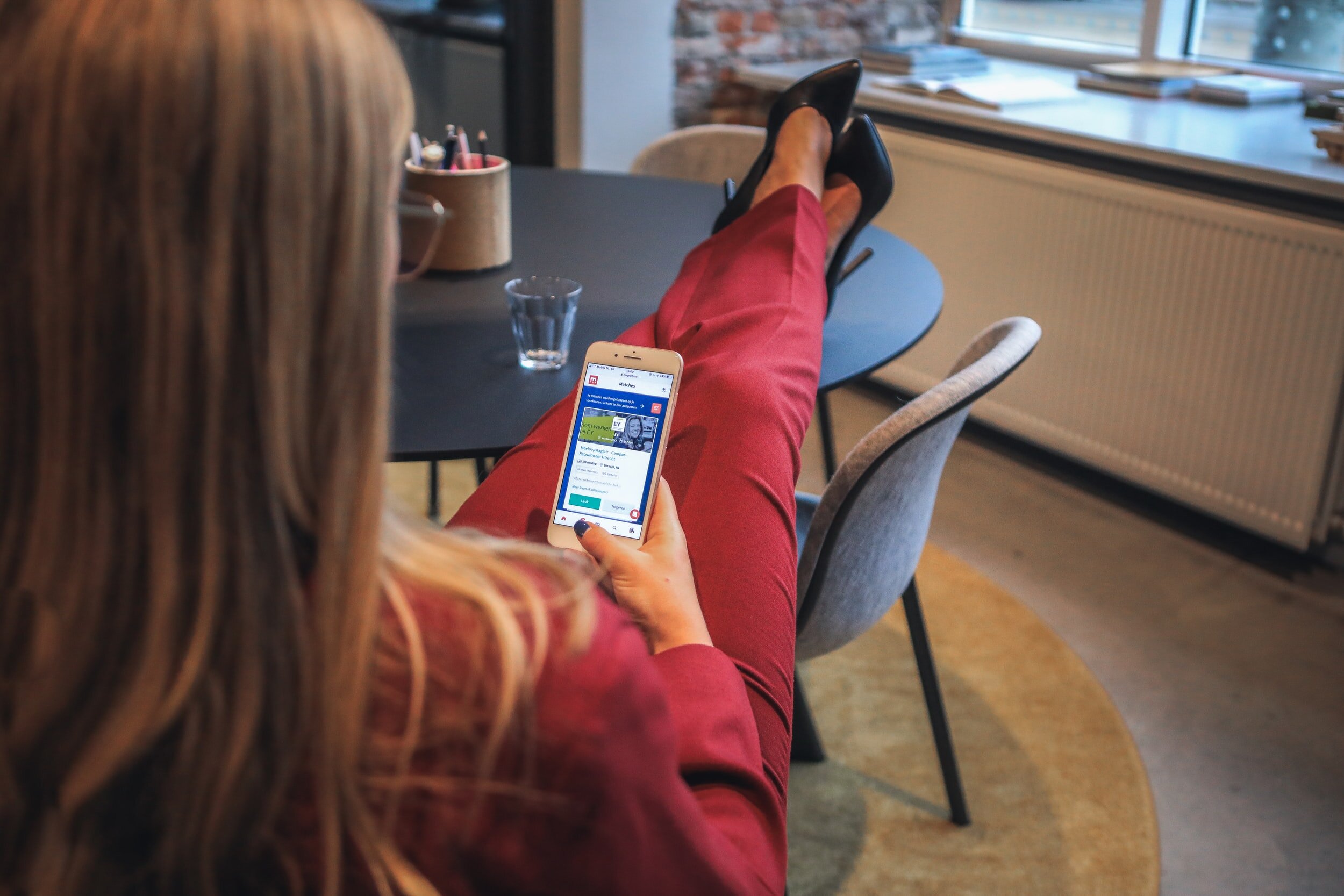
Here’s how my process works. Borrow what works for you and forget the rest — and let me know how it goes!
Pick a voice recorder. Start talking. Try it with a topic you’ve been chewing on for weeks — or when an idea flits your head. Don’t overthink it. Just start blabbing.
The goal is to tug on as many threads as you come across, and to follow them as far as they go. These threads may lead to meandering tangents— and you may discover new ideas along the way.
A lot of those new ideas will probably be embarrassingly bad. That’s fine. You’re already talking about the next thing! And unlike with text, your bad ideas aren’t staring you in the face.
Consider leaving comments to yourself as you go — e.g. “Maybe that’d work for the intro”. These will come in handy later.
For me, these recordings run anywhere from 20–80 minutes. Sometimes they’re much shorter, in quick succession. Whatever works.
Part II: Transcription
Once I’ve finished recording, it’s time to harness ⚡️The Power of Technology⚡️
A little background: over the last couple of years there’s been an explosion of tools related to automatic speech recognition (ASR) thanks to huge steps forward in the underlying technologies.
Here’s how ASR works: you import your audio into the software, the software uses state-of-the-art machine learning to spit back a text transcript a few minutes later. That transcript won’t be perfect—the robots are currently in the ‘Write drunk’ phase of their careers. But for our purposes that’s fine: you just need it to be accurate enough that you can recognize your ideas.
Once you have your text transcript, your next step is up to you: maybe you’re exporting your transcript as a Word doc and revising from there. Maybe you’re firing up your voice recorder again to dictate a more polished take. Maybe only a few words in your audio journey are worth keeping — but that’s fine too. It probably didn’t cost you much (and good news: the price for this tech will continue to fall in the years ahead).
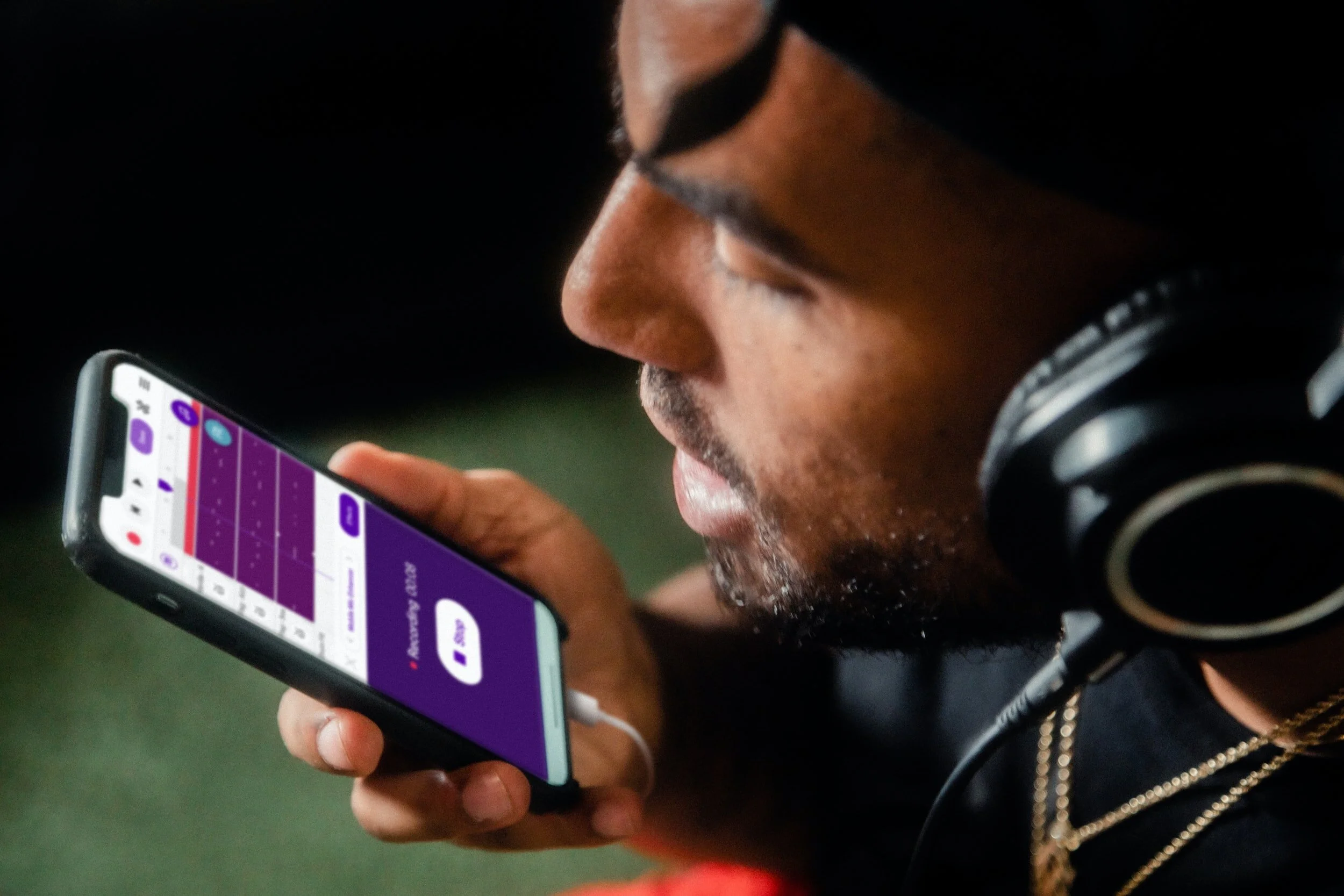
A few more tips:
Use a recorder/app that you trust. Losing a recording is painful — and the anxiety of losing another can derail your most exciting creative moments (“I hope this recorder is working. Good, it is... @#*! where was I?”)
Audio quality matters when it comes to automatic transcription. If your recording has a lot of background noise or you’re speaking far away from the mic, the accuracy is going to drop. Consider using earbuds (better yet: Airpods) so you can worry less about where you’re holding the recorder.
Find a comfortable space. Eventually you may get used to having people overhear your musings, but it’s a lot easier to let your mind “go for a walk” when you’re comfortable in your environment.
Speaking of walking: why not go for a stroll? The pains of writing can have just as much to do with being stationary and hunched over. Walking gets your blood flowing — and your ideas too.
I have a lot of ideas, good and bad, while I’m thinking out loud and playing music at the same time (in my case, guitar — but I suspect it applies more broadly). There’s something about playing the same four-chord song on auto pilot for the thousandth time that keeps my hands busy and leaves my mind free to wander.

The old ways of doing things — whether it’s with a keyboard or pen — still have their advantages. Putting words to a page can force a sort of linear thinking that is otherwise difficult to maintain. And when it comes to editing, it’s no contest: QWERTY or bust.
But for getting those first crucial paragraphs down (and maybe a few keystone ideas to build towards)? Consider talking to yourself. Even if you wind up with a transcript full of nothing but profanity — well, have you ever seen a transcript full of profanity? You could do a lot worse.
How to Lose Daylight Without Losing Your Writing Mojo
Daylight Savings time is coming to an end and winter is coming. That means a lot more dark in the Northern Hemisphere. For many writers (and others!), this loss of daylight leads to a loss of energy, an uptick in short temper, and even bouts of depression. So how can we ease into the rapidly approaching winter months? Dr. Sanam Hafeez, an NYC based licenses clinical psychologist and faculty member at the prestigious Columbia University Teachers College, has offered our No-Fluff family some practical tips to prepare writers for the clock change.
How clock change messes with the body
Before we get into the tips, though, it’s important to understand the clock change’s impact on our brains and therefore our bodies, so we understand what is actually going on. Dr. Sanam Hafeez explains that “a cell in the retinas of our eyes called a ganglion cell contains the photopigment melanopsin. When we are exposed to sunlight, melanopsin signals a pathway to cells in the hypothalamus specifically responsible for regulating our bodies biological functions. This process then triggers the pineal gland which is in charge of melatonin secretion which peaks at night and wears off during the day. In simpler terms, the less light exposure we get, more out of whack we feel.”
According to Dr. Hafeez, the following simple adjustments leading up to the clock falling back during end of Daylight Savings Time can make a significant difference for those who don’t struggle with more severe depression or bipolar disorder.
Here are some tips to make the change go more smoothly.
1. Avoid alcohol
When the clocks are turned back in the fall, many bars stay open an additional hour. This is typically celebrated by people in their 20’s and 30’s who only pay for it the next day opting to sleep away their Sunday. Drinking alcohol before turning back the clocks can add more sluggishness the next morning. “Even with just a one-hour clock change, our body’s circadian rhythm is thrown off making our brains a bit confused. Alcohol only heightens these effects,” explains Dr. Hafeez. Imagine the double whammy of a hangover after the fall back clock change?
2. Enjoy physical activity during the daytime
The more time spent outside in the daylight doing physical activity, the less sluggish you will feel once the clocks fall back. Fall is a great time to powerwalk or go for a run. If you’re an early riser then you will love the earlier sunrise at least for the next few weeks. “A lot of people shift their exercise routines to include more high energy group workouts in the evenings to give themselves something to look forward to as a way to shake off the workday. You really want to pay attention to when you feel most energized and align your exercise to that,” suggests Dr. Hafeez.
3. Don’t sleep in. Go to bed earlier instead
In the days leading up to the clock change, add extra “wind-down” time before bed and get to bed an hour earlier. On the Sunday morning of the clock change, people mistakenly opt to sleep in. You really want to stick to the same wake-up time while getting to bed earlier. That’s the key according to Dr. Hafeez. “People think they are gaining an hour of sleep, they’re not because at bedtime they’re losing it. When you keep the wake-up time and get to bed earlier that extra hour isn’t felt as much the next day,” explains Dr. Hafeez.
4. Avoid watching the news before bed
People think that getting to bed an hour earlier means it’s ok to watch TV in bed before sleep. TV or any kind stimulates the brain. Your favorite show causes you to focus when you’re trying to shut down stimulation. The news is even worse. You get wrapped up in the doom and gloom watching the news. “If you want to really make sure you still wake up refreshed, opt for tranquil music or guided meditations available on YouTube or an app, recommends Dr. Hafeez.”
5. Plan ahead! Consider taking Monday off!
For those who find their mood is negatively impacted after the fall clock change, consider taking Monday off and make it about self-care. Waking up early, taking advantage of the early light, enjoying a healthy breakfast, getting a massage or catching up on reading, tidying and whatever you feel necessary to feel good, do it. “People can feel the effects of the clock change for up to 3 weeks. Taking a day off to focus on your own well-being can become a nice post clock change ritual,” she says.
About the Doctor:
Dr. Sanam Hafeez PsyD is an NYC based licensed clinical psychologist, teaching faculty member at the prestigious Columbia University Teacher’s College and the founder and Clinical Director of Comprehensive Consultation Psychological Services, P.C. a neuropsychological, developmental and educational center in Manhattan and Queens. Dr. Hafeez masterfully applies her years of experience connecting psychological implications to address some of today’s common issues such as body image, social media addiction, relationships, workplace stress, parenting and psychopathology (bipolar, schizophrenia, depression, anxiety, etc…). In addition, Dr. Hafeez works with individuals who suffer from post-traumatic stress disorder (PTSD), learning disabilities, attention and memory problems, and abuse. Dr. Hafeez often shares her credible expertise to various news outlets in New York City and frequently appears on CNN and Dr.Oz.

Minimizing The Stress And Strain Of Being A Writer
Let’s look at a few tips to ensure you stay safe and sane when writing in your den.
Oh, woe, being a writer is truly the toughest job of them. Okay, so that might not be true. Compared to the majority of workers, we might have things fairly cushy. However, that doesn’t mean that the stresses writers face on the job shouldn’t be taken seriously. They can get in the way of your productivity, affecting your ability to make a living and, even more crucially, can cause real injury if you’re not careful. Let’s look at a few tips to ensure you stay safe and sane when writing in your den.
Ensure that you have a comfy office
Writing involves spending a lot of time sitting in one place with your hands at a keyboard, type, type, typing away. If that’s not a recipe for repetitive strain injury, then nothing else is.
The first tip is to make sure that your office supports and comforts you, reducing the physical strain that tends to build up in your shoulders and lower back when you work for a long time. A comfortable chair, one that supports these parts of your body, and allows you to adjust the height to make sure that you’re adopting good sitting posture is a must. Here’s what I use. Otherwise, you might actually want to get a standing desk to avoid the issues of sitting too much in the first place.
Get up and stretch
Even if you do have a great ergonomic chair, you should take the time to get up and stretch your legs every hour. Even if you have a standing desk, you should shake out your body and move around a little.
For writers, it’s particularly important to do wrist stretches to make sure that you’re taking care of the parts of your body that are most likely to suffer from RSIs in the first place. One good stretch is to slowly raise your palms to the air with your arms held directly upwards for ten seconds, before slowly lowering them. Then you hold your arms by your side, holding your hands so that the back of them points to the ground for ten minutes, repeating this until you do ten of each stretch. Here are some ideas:

Work in good lighting
Aside from spending their day sitting in front of a keyboard, writers also spend a lot of time with their eyes glued to a computer monitor. Direct contact with blue light can affect you in a range of ways. For one, it can cause eyestrain, which can be stinging and annoying. It can also affect your sleep if you’re working at night. Windows allows you to switch from blue to yellow light on your monitor. Just go into Settings > Display > Night Light. Toggle on the Night Light setting and schedule when the blue light will turn off. I have mine set so that the blue light turns off at sunset.
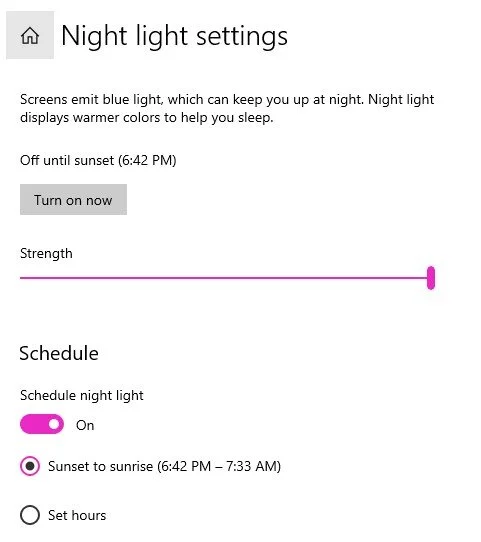
You can also use glasses that have blue light filters, and you might want to choose a shop that offers free shipping as you might want to get more than one pair for safety. You need your eyes to see what you’re writing, so they’re 98worth protecting.
Know how to position your wrists
Enough keyboarding and mousing can lead to some pretty nasty injuries and conditions, with carpal tunnel able to effectively end your writing career if it gets bad enough. However, computer use doesn’t have to lead to such nasty injuries if you take care of yourself.
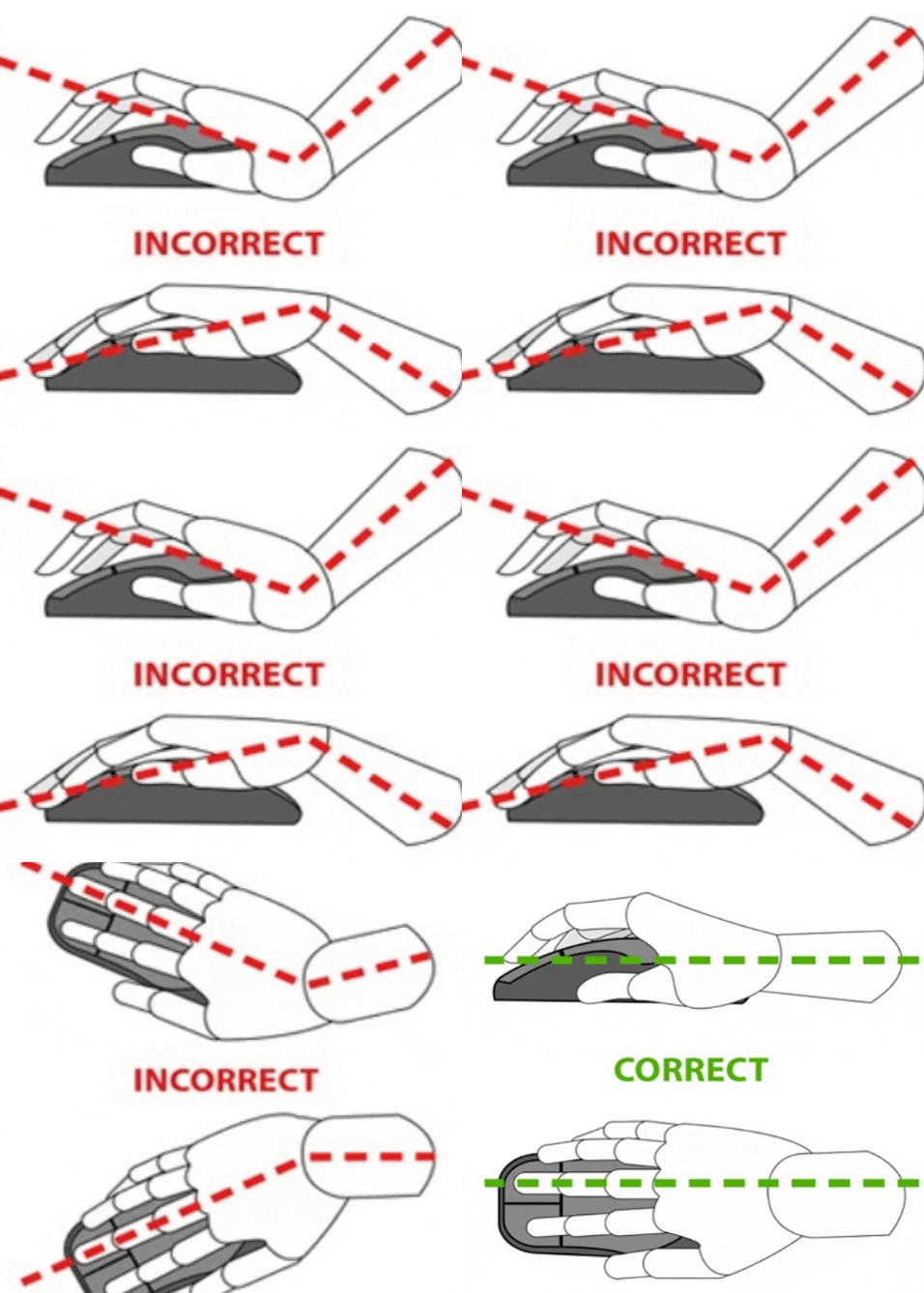
Make sure your chair is positioned so that your hands are raised just above the level of the keyboard but below the level of your elbows. You shouldn’t be reaching up to type at the keyboard, nor should you be typing at any angle other than straight, if you can help it. Also, keep your wrist straight when using your mouse.
Know your limits

Because of the intensive nature of the work, writers can get into some pretty unhealthy patterns (like skipping meals) in order to get those 5,000 words a day (or however many it is) out there. For one, it’s important to set realistic expectations for how much you can reasonably write in one workday, make sure that your getting paid a decent rate per word, and try not to push your limits. Burnout is a very real risk. If a writing piece involves a lot of research, then be sure to include that time in your calculations, as it counts as work all the same, even if it doesn’t involve any typing.
Choose a time that best fits you
A lot of writers end up being night owls, for some reason. There’s not necessarily anything wrong with this if it is truly when you’re at your most productive. Just make sure you’re negating the risk of eyestrain and sleep disruption and it can work fine. However, if you end up working late due to procrastination more than anything, you should make an effort to try scheduling out different writing times to see what works best for you.
Having a pre-work preparation ritual, such as getting dressed, eating breakfast, and taking a walk might be able to help you better switch on your “work mode” at any time of the day. Stick to your most productive time once you find it.
Know when to take breaks
Due to the intensive nature of professional writing, it’s easy for stress to build up, especially if you’re writing to a deadline. Burnout is a real risk that you should stay keenly aware of. You should make sure to schedule breaks to allow yourself to breathe, be it at certain times or whenever you hit a certain word count. Be willing to take impromptu breaks, as well. If you start to feel yourself getting distracted or you feel like your head is starting to get too fussy, then you should take a break, get away from the computer, and take a moment to breathe or even to chat to someone.
With the tips above, you can ensure that you’re able to fire off thousands of words without worry of getting burnt out or of doing real injury to yourself.

How to Deal with Distractions When Working from Home
If you’re among those who telework, you’re probably familiar with these struggles. Let’s dive into more details about each issue and show you how to deal with them.
Guest post by Marija Kojic
Working from home has many benefits, such as the fact that there’s no commuting, so you can sleep longer, and you can wear cozy clothes all day long. And, almost everything you need for work is within a hand’s reach. But, your personal belongings are also nearby, which means that your attention can easily be disrupted.

Working from home involves many distractions, which are quite different from those in a traditional office setting. There was a recent survey by the research firm Valoir, which interviewed 327 participants who telecommute. According to their answers, the major distractions when working from home are:
Social media - 32%,
children - 24%,
other adults - 18%,
other distractions - 16%, and
traditional media - 10%
If you’re among those who telework, you’re probably familiar with these struggles. Let’s dive into more details about each issue and show you how to deal with them.
Social media
Knowing that your boss or manager is not around gives you the freedom to check your phone whenever you hear a notification from social media channels. But, the famous “just checking” behavior can quickly evolve into spending 15 minutes or more browsing your Instagram or Twitter account. Next thing you know, you still haven’t finished an important task that needs to be done by noon.
To avoid stressful situations like this, you can do the following:
Turn off notifications for social media apps.
By doing so, you’ll save your valuable time and leave social media explorations for later. In addition, you can mute your phone calls and text messages.
Schedule your social-media-dedicated time
For instance, set a reminder and have a 5-minute break every hour. These can be the moments when you catch up on the latest social media posts.
Try website blockers.
If you prefer visiting social media sites on your laptop, this is an ideal option for you. Website blockers can keep you away from entering predefined sites. All you need to do is add the sites that you want to block and choose for how long these sites should be banned. We suggest apps and extensions such as StayFocusd, WasteNoTime, and Freedom.
Children

We bet you remember that viral video of children interrupting a BBC news interview. We all laughed while watching this scene that’s quite common when working from home. Now, you might not be a journalist broadcasting from your home office, but if you have kids, you’re aware they can sometimes disrupt your work.
Here are some steps you can take to overcome this problem:
Create a dedicated workspace.
If you have a spare room that you can turn into your home office, that would be the best solution. Let your children know that, when you’re in that room, you’re working and shouldn’t be interrupted. Also, prepare some fun activities, or even chores for kids to keep them occupied during your work hours.
However, if you live in a small apartment, you may not have a separate room for work. Instead of modifying an entire room, choose a quiet corner where you can put your laptop, your notebooks, headphones, and everything else you need for work.
This setting is also useful if you need to constantly keep an eye on your baby. In case your children are older, hopefully they’ll understand that you have job duties, and they’ll behave properly.
Learn how to manage your tasks.
Organize your tasks in accordance with your children and their daily routine. So, whenever they’re sleeping or napping, that’s when you should focus on deep work, or try to finish more complex assignments.
On the other hand, leave all your tedious tasks for the times when your kids are having lunch or spending time with you in the same room. For example, you can check your email at that time.
If you have a lot of meetings on your plate, try scheduling them during the times when your children are sleeping. Besides, you can create a spreadsheet for all your colleagues who are also parents, so that you can manage your meetings time together. You can try Doodle, an app for coordinating meetings or check out other work from home apps that can help you automate work.
Other adults

Besides children, you might be distracted by adults living with you - your roommates, your partner, parents, or other family members. Now, they won’t disturb you on purpose, but maybe they don’t realize that even a quick chat can affect your productivity.
Here’s what we suggest you do:
Set clear boundaries.
We mentioned before and we’ll emphasize again - having a separate room for work, or at least some quiet place in your home is crucial for your productivity. The people you live with need to know that your working area is only yours.
The rules are simple - if they see that your office doors are closed, you’re working. Also, if you put on noise-canceling headphones, that’s the sign that you want to focus and you won’t tolerate any interruptions.
Let them know when you are and are not available.
Keep your working hours transparent. That way, your family members will know when you’re busy and when you’ll be available again. Ask them to respect your working schedule and not to bother you during busy hours.
Whenever you need a quick break from work, you can have coffee or lunch with your loved ones. Besides, this is one of the main perks of working from home.
Other distractions
When it comes to the “other distractions” choice in the Valoir study, there was no precise data about this box and what distractions it includes.
So, we’ll cover some additional diversions that can decrease your productivity. These can be outside noises, visual distractions, and internal distractions.
Outside noises
Dogs barking, neighbors yelling or singing, construction works outside your building, or simply the sound of a traffic jam. These are all outside noises that are usually out of your control. Except when it comes to your neighbors, you can try talking to them about the noise they’re making.
Speaking of the other outside noises, here’s what you can do:
Use noise-canceling headphones.
The most effective way to deal with this issue is to use noise-canceling headphones. This is an investment that will make you less nervous and more productive.
Enjoy some music.
Also, you can find some soothing music that will keep you away from noises. We suggest some classical music playlists, movie soundtracks, or instrumentals. If you don’t mind listening to the music that has lyrics, go for it. Plus, you can also listen to some interesting podcasts when dealing with some less-demanding tasks.
Aside from music, you can try noise generator apps, such as Noisli, MyNoise, or Coffitivity. These tools offer diverse sounds, like rain sounds, or waterfalls, or even sounds from a busy coffee shop.
Visual distractions

If you tend to keep a lot of things on your desk, especially those that are not work-related, you might get distracted by them. But, visual distractions include all other items across the room, the ones you use in your free time. So, whenever you don’t feel like working, these items can draw your attention away.
How to avoid these diversions?
Organize your workspace and working area.
Try keeping your desk as clear as possible. If there are a few things you need during your daily job activities, leave only them on your desk. Everything else can be stored in a drawer or in any other room.
When it comes to other items in the room, hide them from your sight if possible. If you don’t see them, these items won’t interrupt you.
Internal distractions
If you don’t feel well or you’re experiencing a personal problem, you likely won’t be able to focus. Thus, your productivity levels will drop, and your mind will start wandering around.
So, whenever you’re feeling down, here’s how you can deal with this issue.
Take frequent breaks.
By having quick breaks every hour or so, you’ll feel a bit more focused and more productive. If you don’t have time to take a walk around the block, at least you can take a few minutes to close your eyes and relax.
You can also try meditation, yoga, or pilates in the evening, after you’re done with work.
Try the Pomodoro technique.
This method will help you stay productive and less distracted by your problems. To get started with the Pomodoro technique, you need to use a timer and work in 25-minute intervals, along with a 5-minute break after each interval. Then, after four cycles, you can have a longer, 20-minute break. This way, you’ll be able to finish your tasks with ease.
Traditional media

Traditional media are all those media channels that were here before the Internet - radio, print, and broadcast television. Some sources even add billboards, film, and music to this list.
Now, listening to the radio probably won’t bother you during your work hours. After all, you can find a radio station that won’t affect your productivity.
When it comes to print media, newspapers and magazines can rather be a visual distraction. So, just like we mentioned, be sure to store them somewhere out of your sight.
That brings us to the third element of traditional media - broadcast television. When you or a family member leaves a TV on, this will surely distract you from work.
How to prevent interruptions caused by traditional media?
Keep them away from you and your workspace
If you can, work in a room without the TV and be sure to keep newspapers and magazines out of that room, too. Let your family members, your partner, or roommates know that television affects your productivity.
This way, you won’t be tempted to turn on the TV during your work hours. Therefore, your productivity levels will remain high.
One bonus tip

Aside from your children and adults living with you, your pets can sometimes distract you from work, too. But, there are ways you can prevent this.
If you have a dog, try taking him/her for a walk before you start working. This way, you’ll get some fresh air, too. Then, you can play with them during your quick breaks.
We recommend that you keep your pets outside of your workspace area. This is especially important if you have calls with your colleagues and clients often.
It’s also vital to keep your pets occupied while you’re working. Give them something they can play with so that they won’t bother you.
Wrapping up
When working from home, you’ll sometimes have to deal with your children running around, or other family members who always feel like chatting with you. In addition, you might be tempted to check your social media accounts or turn on the TV to get some inspiration for lunch from your favorite cooking show. In some cases, the construction work in front of your building might be the reason why you can’t finish an important project.
One thing’s for sure - telecommuting doesn’t have to be hectic. By changing your workspace and your work habits, you’ll be able to maintain your productivity. Hopefully, the tips we’ve covered in this article will be your first steps to accomplishing this goal.
About the author:
Marija Kojic is a productivity expert specialized in time management techniques. She works at Clockify, where she enjoys helping people discover meaningful and effective ways to work smarter.

10 Reasons You're Not Productive Working From Home
Guest post by Elizabeth Shields
Many believe they are more productive working from home compared to working in a traditional office, while others disagree. In this article, you're going to learn the various things hampering your productivity as you work from home. In the end, you should be able to identify them, then navigate your way to a more productive life.

Distractions
The number one cause of unproductivity for work-at-home individuals are distractions. They appear in diverse forms, thereby becoming a stumbling block for achieving your goals. It could be the kids. Maybe they want you to heat the water, or perhaps make lunch. If they aren't fighting, which might often require your attention, then they are calling you for help with their schoolwork.
Aside from the children, your spouse, pets or even neighbors are also other sources of distraction, which can become very exhausting. If you don't correctly manage these, you may find yourself not meeting your goals for the day.

It doesn't matter if you have a dedicated home office, or merely a desk with a laptop in your living room. The fact is that these distractions reduce productivity, thereby making working from home less appealing.
The best way to avoid any distractions while working from home, is to ensure you have a designated space to work from with a door you can close. This will help to avoid any unnecessary distractions. Also, let your family know that you are working and that you are not to be disturbed unless it is an emergency.
Lack of Associate Networking
This fact is currently under debate, as to whether working in a traditional office is more productive due to the teamwork atmosphere. But the reality of working from home often makes one feel alone since there is no associate or coworker to boost their morale.
In a traditional office, there is a timeframe of 9 to 5, unlike working from home. Thus, work at home individuals might find themselves losing track of time and not achieving their goals. But when you have coworkers to work with, you're motivated to work on your project just like everyone else.
An effective way to stay connected with your colleagues when working from home is via online meetings. There are a multitude of tools available to hold such meetings and it may increase your motivation to hold a meeting once a day so you can all see each other and discuss what you are working on.
Lack of Tools and Facilities

Lacking some productivity tools or equipment is another mitigating factor, causing individuals to be less productive in their home office. Due to this, many people have opted for coworking spaces that offer high-speed internet and numerous productivity tools that are often found in a typical traditional office.
The only downside with this is the added expenses. By working from home, you need to improvise and make use of the available tools. However, this cuts down on productivity.
It now begs the question, does working from a traditional office increase productivity compared to working from home? Although many are of the notion that workers can be productive if they can secure the necessary tools they need, the tools and facilities that promote productivity are often missing at home and this can lead to low productivity.
A way around this is to see if your company can help out with costs for high speed internet etc. and to also find out if they have any subscriptions to online productivity tools that they may be able to share with you. If not, don’t worry. Due to the current circumstances, a lot of online tools are currently being offered free of charge so it’s worth doing some online research to see what you can find.
Lacking Management Capability
Working from home can be ideal for some people due to their management skills. When others are complaining of low productivity, some unique individuals are meeting targets and getting more things done. But when someone lacks management skills, it can affect their overall performance.
Being a good manager isn’t a pleasant route. You have to be a planner, diligent and resilient in tackling the task that leads to your goal - management spans beyond just planning but also being able to provide immediate solutions when problems arise.
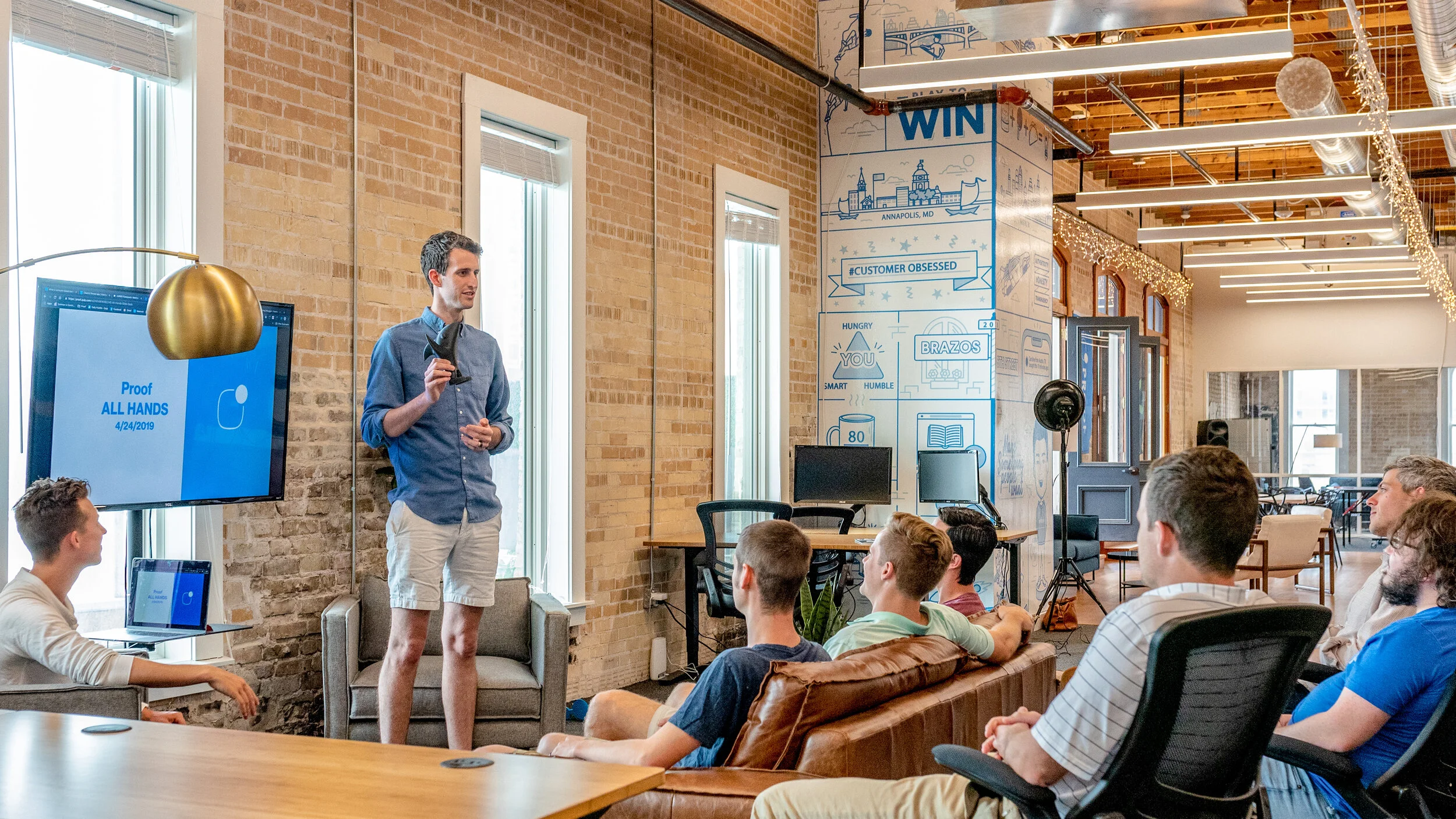
When most people start working from home, only then do they realize how vital their manager is, especially when it comes to fixing a piece of equipment. Without proper management, one might slack and lose his competitive spirit.
For people working from home for the first time, this is a major hurdle they face, thereby leading to low productivity. Without the right supervision in place, they discover that they are becoming lazy and unable to complete the task in hand.
To manage yourself better, assign yourself a to do list and look at using an online time management tool. You could also speak to your manager and ask if it would be possible to arrange weekly online meetings to give you a focus and accountability.
Lack of Control

Numerous workers perform better with their supervisor or boss telling them what to do continuously. For such folks, working from home would be a terrible decision as productivity would be zero. Since they are working independently and might not have a supervisor, they often fall behind in their work and slack off.
Unlike in a traditional office where the manager might walk from desk to desk, it isn't the same with working from home. There is no one to monitor you or to tell you to hurry up. Even though there are numerous tools like video conferencing, it still doesn't fill the hole.
If your boss often controls you at work and suddenly, you are no longer within grasp, there would be a drastic difference in productivity. Most likely, it would be negative.
In a traditional office setting, workers are serious and want to beat the deadline. No time for YouTube or social media as they would want to concentrate. When it comes to working from home, it presents a different scenario. One might want to check a message but then get carried away checking the news feed. Without a supervisor or manager around, they end up wasting valuable time and accomplishing little.
As mentioned above, you could arrange weekly check in meetings with your supervisor or manager. It is important to take short breaks from your computer during the day but ensure you put a time limit on them - maybe 5 minutes every hour or so – that way you won’t lose track of time.
Lack of Conducive Environment
You cannot compare a traditional office setting to a home office. There is a vast difference between the two. No doubt these differences also have a hand in productivity. In a conventional office, the temperature is just about the right degree, with a beautiful view to the outside and great lighting too. Also, there is no unwarranted noise as everyone is focused on his or her job.
But at home, your home office might not be a fantastic space. The tons of boxes could be a turn-off, or perhaps the cluttered cables and miserable weather conditions. For individuals who are new to working from home, the change in the environment can be an inherent factor.
The moods won't be the same, thereby leading to a laid-back attitude when they are supposed to work. No matter how beautiful they end up making their home office, they still find it hard to concentrate like they do in a conventional office.
The best thing to do is to try to make your workspace as clutter free as possible so that you have a nice environment to work from. If you battle with noise from outside, you could always wear some headphones and listen to some relaxing music while you work.
Multitasking
Working from home comes with several challenges, which leads to low productivity. While working, you might need to do some home chores in the house like laundry, cooking or taking the kids to school. If you don't have help, this method of working will tremendously affect your output and make you miss your goals.
While working from home, you face more than just office work – you have the work around your home too. Managing work and your home can be exhausting and draining. The doorknob might break and in your attempt to fix it, you may end up wasting a huge chunk of your time.

When you're working from home, you have two enormous responsibilities on your shoulders – keeping your home in order and work. It can be a very tough task to combine both. If you lack proper management skills, one aspect of your life will end up suffering.
Set yourself a schedule for home chores so that they fit in around your working hours. Maybe set the laundry going at breakfast time before you start work. And cook enough food for dinner so that you can have the leftovers for lunch the next day so that you do not need to spend a lot of time preparing food in the middle of your work day.
Improper use of Social Media
We are in the era of social media, where everyone has something to say. Without proper care, you might get carried away with social media activities, thereby allowing your work to suffer. According to many work at home individuals, social media is so addictive that you might lose track of time. That is true if you lack proper management skills.
Eliminating or perhaps scheduling time for social media is the best way to avoid missing your daily targets but when you do not adhere to it, low productivity will ensue. Maybe limit yourself to only checking social media before and after work.

Lack of Planning
When there is no clear direction about what you should or should not do, you may find yourself tackling everything as it occurs. This approach is dangerous, as it means you can quickly get distracted and lose tons of time. Without a clear plan on how your day should go, you may miss important things.
To overcome this, make a to do list every morning before getting up. That way, you're always on top of what you need to do. If not, unproductivity becomes the outcome. You can find to do list apps for free on your phone if that makes it easier.
Too many Breaks
All work and no play makes jack a dull boy. Many people working from home, in an attempt to stretch their legs, end up taking more time out than necessary. Not only does this cut down on productivity but it can also become a habit that can be extremely hard to break. Taking too many breaks is one of the significant causes of unproductivity for work at home folks. The good news is, it can be brought to a halt once you recognize this anomaly.

As mentioned previously, the best way to overcome this is to schedule your breaks and stick to them. Time them with the timer on your phone so that you know when to get back to work.
Wrapping Up!
If you've been unproductive working from home, the chances are that you're guilty of some of the above reasons. If that is the case, all hope is not lost. All you have to do is identify the problem and look for a solution. Where there is a will, there is a way!

Need Creativity? Brainstorm by Sleeping
The following ideas were all conceived during sleep and/or inspired by dreams. Which ONE of these ideas would you consider the best or “greatest” idea (i.e. in the sense that you’re most glad that someone ever had the idea in question)?
When it comes to the great ideas of the world – many were devised while the innovator was sleeping – or in a dream. As a writer, you can latch on to this idea to boost your creativity.
Einstein’s theory of relativity has been voted the greatest idea ever inspired during sleep, according to an international poll. Einstein's famous theory topped the list followed by the periodic table of elements and then then invention of the sewing machine in a survey of 4,453 Americans and Britons on behalf of Calm.com, the meditation and sleep app.
Here's some insight into how sleep can help your creativity, as well.

Rank, idea & percent of creative sleep respondents
The following ideas were all conceived during sleep and/or inspired by dreams. Which ONE of these ideas would you consider the best or “greatest” idea (i.e. in the sense that you’re most glad that someone ever had the idea in question)?
1 - The theory of relativity, by Einstein - 23%
2 - The periodic table of chemical elements - 13%
3 - The invention of the sewing machine - 10%
4 - The model of the atom, conceived by physicist Neils Bohr - 7%
5 - “Yesterday”, the Beatles song by Paul McCartney - 5%
6 - “Terminator”, the movie(s) and movie character - 3%
6 - The principles of analytical geometry, devised by René Descartes - 3%
8 - “Frankenstein”, the novel by Mary Shelley - 2%
8 - “I Can’t Get No Satisfaction”, the Rolling Stones song by Keith Richards - 2%
10 - “The Strange Case of Dr. Jekyll and Mr. Hyde”, the novella by Robert Louis Stevenson - 1%
10 - “Kubla Kahn”, the poem by Samuel Taylor Coleridge - 1%
10 - The discovery of the structure of the benzene molecule - 1%
More about the poll
The poll was commissioned by the app Calm, recently named Apple’s App of the Year.
Calm helps users relax and sleep with a growing library of sleep music and 80+ bedtime stories for grown-ups known as Sleep Stories.
“It’s a stunning list,” says Alex Tew, co-founder of Calm.
“Sleep is not just vital to health but perhaps the greatest single source of creativity.”
Some items to note
Einstein’s famous theory comfortably topped the poll with 23% of the vote ahead of the periodic table on 13% and the sewing machine on 10%.

No other idea, including “Yesterday” (5%), polled more than single figures.
Einstein’s journey to the theory of relativity reportedly began with a dream about a field of cows surrounded by an electric fence. But when he told the farmer who he met in the dream what he’d seen and the farmer’s account differed, it gave Einstein the key insight that the same event could look different from different perspectives.
The periodic table of chemical elements seems to have appeared fully formed to the Russian chemist Dmitri Mendeleev in his sleep on the night of February 17, 1869. “I saw in a dream a table where all the elements fell into place as required,” he wrote. “Awakening, I immediately wrote it down on a piece of paper. Only in one place did a correction later seem necessary.”
“Yesterday”, The Beatles song whose tune came to Paul McCartney in his sleep one night in 1964, polled highest of any idea from the arts rather than sciences, ranking fifth overall – one behind the model of atom, devised by the Danish physicist Neils Bohr.
Sixth place in Calm’s poll went jointly to Terminator, the movie character which first appeared to director James Cameron in a dream, and the principles of analytic geometry devised by René Descartes, the 17th century French philosopher and mathematician who reputedly slept up to 12 hours a day.
Keith Richards of The Rolling Stones did not even have to write down the opening verse of the great Stones’ song, “I Can’t Get No Satisfaction”. When he woke in the morning of May 7, 1965, he found that he had unwittingly committed it to a tape recorder during the night.
“Sleep is the only source of invention," felt Marcel Proust, the great French writer. Winston Churchill agreed that the best time and place to get ideas was when asleep.
The French poet, Saint-Pol-Roux, reputedly hung a sign on his bedroom door before sleep that read, “Le Poète Travaille” [“Poet at Work”]. John Steinbeck, the American author and Nobel laureate wrote, “A problem difficult at night is resolved in the morning after the committee of sleep has worked on it.”
How it works
This kind of “intelligent information processing that inspires creativity and promotes problem-solving” is a distinct benefit of REM- [Rapid Eye-Movement] sleep and the act of dreaming, says Matthew Walker, the Berkeley University sleep scientist, in his acclaimed new book, “Why We Sleep: The New Science of Sleep and Dreams.”

“Sleep seems to stimulate your mind to make non-obvious connections”, Walker has said. “It puts all the information from the day into a big biological theatre and forces the mind to speak to people at the back of the theatre, who you may not think you have any connection with. This is the basis of creativity – connecting ideas, events and memories that wouldn’t normally fit together.”
REM-sleep, and the dreaming process associated with it, says Walker, is “informational alchemy”, from which have come some of the most revolutionary leaps forward in human progress."
Four Ways To Come Up With Ideas In Your Sleep
Is “Sleep-storming” the new brainstorming?

Not only is it possible to boost your odds of generating ideas while you sleep but there’s even a scientific name for it: “Structured unconscious generative ideation”.
A non-scientific name for it might be “sleep-storming” – as in brainstorming, done solo while you’re asleep.
But can you really train your brain to harvest your sleep for ideas? And is sleep-storming the new brainstorming?
Here are four simple ways suggested by Calm to increase your chances of coming up with ideas while you sleep – and/or capturing the ones that you do.
1 - Keep a Notebook Handy + Write Down Your Dreams

It can be hard to remember your dreams and/or any ideas they inspire. So, always keep a notebook by your bed. Get into the habit of writing down your dreams – and any ideas they might trigger – immediately on waking and almost before you are fully awake. Write down every dream you can recall rather than being selective.
The act of writing them down helps you build a relationship with your subconscious, which should in turn help improve your dream recall.
“I always keep a notebook by my bed,” says Michael Acton-Smith, co-founder of Calm. “I often wake up in the night to jot down ideas – and then do so again first thing in the morning.”
2 - Ask Your Subconscious The Question You’re Trying to Answer

“Never go to sleep without a request to your subconscious”, advised Thomas Edison, the great inventor. So, instead of just falling asleep, brief or prime your subconscious to generate new ideas. Before falling asleep, ask yourself the question that you’re trying to answer; then, finally, focus on something else, such as reading or relaxation techniques.
3 - Wake Yourself Mid-Sleep
Waking yourself while dreaming or starting to fall asleep was a technique used by both the artist Salvador Dalí and the inventor Thomas Edison. Dali would put a tin plate on the floor and then sit on a chair beside it, holding a spoon over the plate. He’d then try to doze off so that the spoon would fall and wake him. Edison did similar but with ball bearings and a saucepan. The aim for both was to jolt themselves awake in order to capture ideas from their dreams.
4 - Learn to Have “Lucid Dreams”

coping with anxiety
Lucid dreaming is the sense of being consciously aware that you are dreaming. This state can help you to explore ideas, control elements of your dream and have better than normal dream recall than. Learning to dream lucidly takes time and practice. You need to try repeating a mantra telling yourself that you want to dream or know that you are dreaming and, for example, want to be aware that you are dreaming and to remember the dream.

18 Tips for Taking Care of Your Mind and Body While Working at Home
If you’re new to working at home, or you’re an old pro looking for some tips, you’ve come to the right place. I’ve teamed up with award-winning career coach Neha O’Rourke, actress Amanda Steele, and International best-selling author Devri Walls to share how to mix a little self-care into working from home.
If you’re new to working at home, or you’re an old pro looking for some tips, you’ve come to the right place. I’ve teamed up with award-winning career coach Neha O’Rourke, actress Amanda Steele, and International best-selling author Devri Walls to share how to mix a little self-care into working from home.

3 Ways to ease anxiety
Neha O’Rourke has three ways to mitigate anxiety or fear that may become leading characteristics of individuals’ emotional wellbeing:
Choose empowering thoughts: It’s really easy to get caught up in fear in these situations - and that’s not always a bad thing (think: fear is helping you buy soap or cleaning products). Just evaluate if your fears are empowering you and are constructive or if they are merely draining your energy. If they are draining your energy, try to reframe it to be an empowering thought.
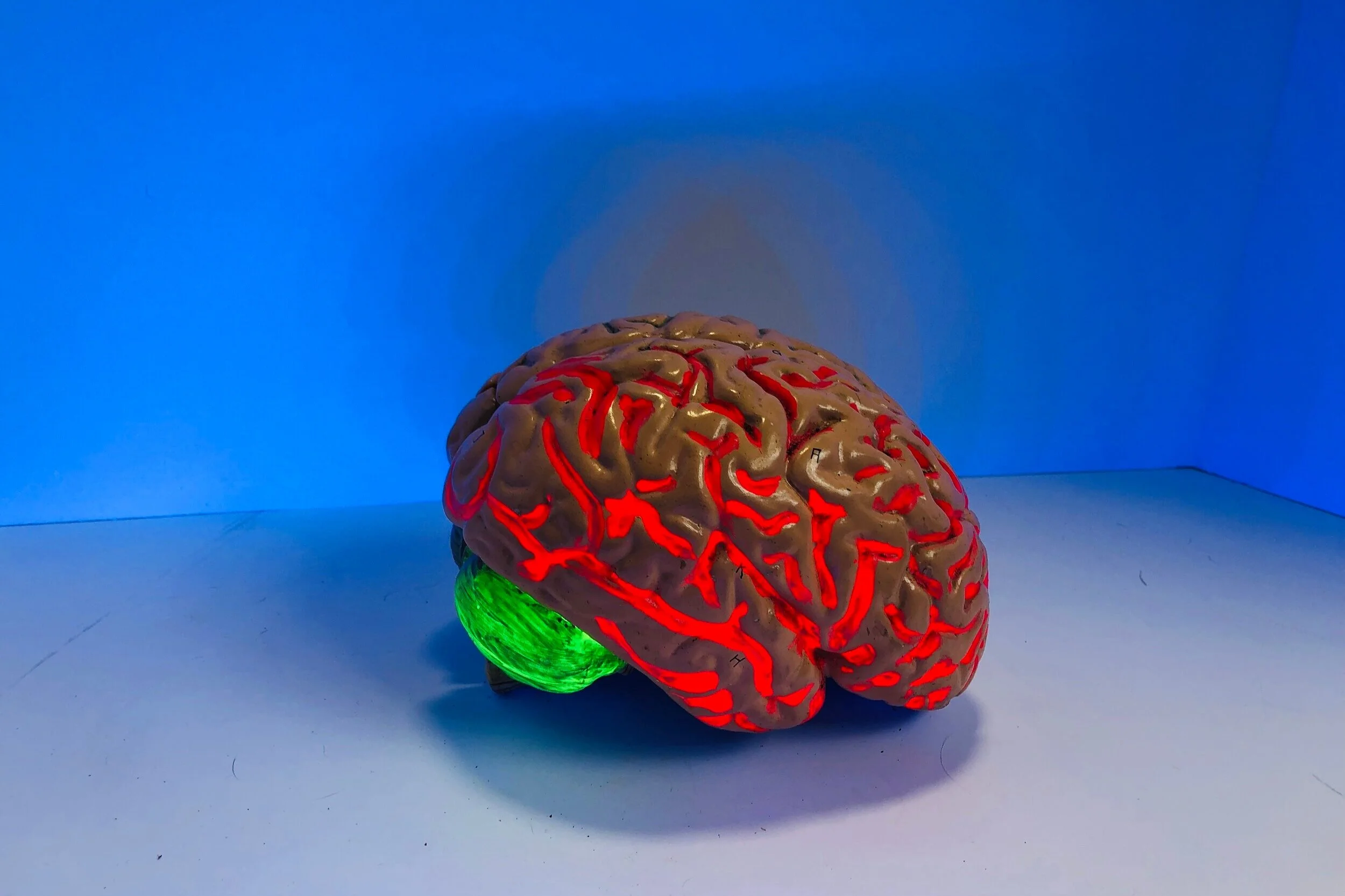
Control what’s in your control and let go of the rest: You can’t control what’s going on around you, but you can control your thoughts, actions and choices: keep up your hygiene, choose where you interact, take preventative measure, etc. From there, recognize that other things are out of your hands and worrying about that will not serve you. You worrying will actually cause stress, which we know has negative effects on immunity.

Get perspective and be mindful of your impact on others: Many of us are lucky enough to work at jobs that allow us to stay home or in a safe environment. There are many who do not have that luxury. Additionally, remind yourself that although you may not be in the highest risk category, your choices can affect someone’s parent, grandparent, brother, sister, mother, etc. Think about your privilege and make choices with your impact in mind .
Five Beauty & Fashion Tips for Keeping it Together While Working From Home

Amanda Steele using a Glowdust mask.
Once you have your head right, it’s time for the body. Digital influencer, model, and actress Amanda Steele offers these five tips:
The Glowdust Beauty After-Party CBD Sheet Mask is a MUST in my evening skincare routine. The all natural ingredients have really nursed my skin back to life by keeping it extra hydrated and glowing all day long.
I am OBSESSED with hair masks right now. The living proof intense moisture mask has restored so much health in my hair, and you only have to leave it in for 15 minutes.
As fun as it is to stay in sweats all day at the house, I don’t feel as productive if I don’t get ready for my day and put an outfit on that makes me feel good. You will always catch me wearing STEELE, as it's my own brand and in my opinion the best brand ;) My go to pieces will always be the Baby Tee and Vegan Leather Blazer. I can never go wrong with them.
Aquaphor is such an underrated product for literally everything! It is hands down the best moisturizer for my lips. My lips are always left extremely hydrated and plump. I apply this at all times of the day, almost as much as I can.
Last but not least, a good sleep schedule is critical to my day to day lifestyle. Good sleep is an essential to beauty and health. It’s very easy to get off track when you work from home, so it’s key for me to keep an eye on it and make sure I’m up and ready at the same time every day.
Make your day great
When the body and mind are taken care of, you can make sure your days go great with these tips from International best-selling author of the Venators Series, Devri Walls:
Get ready for the day. Hear me out. First of all, if you’re showered and dressed in decent clothes, you might actually do that job that has suddenly been moved to your home kitchen table office where your toddler is dripping milk across your very important documents. But equally as important, what if this quarantine finally spurs the ancient elven races to descend from their hiding places and retake Earth? All I’m saying is that if Legolas comes walking down my street with that long golden hair flowing out behind him, I’m going to want to look good.

Stop staring at your phone and reading everything you can find. Here’s the deal - I did it. I read all the things. I’m scared to look at my screen time count…IT WASN’T PRETTY! So, before you start leaving blubbering social media posts about how you’ll miss the society you once you knew while quoting Shakespeare in preparation for our return to days of yore, walk away.

Create something. Anything. It’s hard when it feels like things are falling apart around you. Take back an iota of control and start up those piano lessons online, build your website, read that book, redecorate the room that’s been driving you nuts, get a garden ready, teach your pet dragon not to set your beard on fire, build that meditation tree stand. You do you!
Find your quest mates. This life is a crazy adventure, and some of us have lost sight of that in our modern world. Well guess what? Life just demanded that you slow the heck down and look around for a second. Find those that are important to you and cling tight. Live alone? Losing your mind? Guess what? This is the easiest year ever to have a quarantine. You can live video chat with whoever, wherever. It’s like magic! The most amazing, socially-connecting magic ever! Trust me when I say that Arwin (one of my favorite wizards) would be most impressed.

Take your magic potions. A magic potion is critical! What? Why are you looking at me like that? All right fine, there’s no potion. It’s vitamins. I’m talking about vitamins. But it’s a fact that having a healthy body is important.

Read the books. If I had a dollar for every person who told me, “I’d like to read but I don’t have time,” I’d be a ka-billion-jillya-naire. And instead of writing this post, I’d be recording some uber-swanky video from my own personal island that I purchased just for this quarantine. Guess what we’ve all got now? Time. So hey, pull that old book off the shelves, order a new one from your favorite local bookstore for delivery, choose an eBook or download an audio book. The book world is so accommodating these days - take advantage.

Dance party in the living room. I have no fantastical basis for this suggestion; I just feel like it’s a good, solid plan. Music, exercise, fun, and laughter. With no one other than your immediate family to make you embarrassed. Now is your time to let those dancing shoes out of the box. Fine print: Cats and dogs are included as family. Also, goldfish. I’d add chinchillas but I have it on good authority that they get a little judgey.

Eat well. Look, we’ve all said that we’d love to cook this or that but we don’t have time. I made sweet and sour pork with fried rice last night. How long did that take me? Two hours. TWO HOURS, people! Think I have time for that on a normal weekday? No. (Nor would I have had time for the second degree burn on my thumb from frying said sweet and sour pork.) Maybe today is the day that you finally make that attempt at homemade bread. Will you ever want to do it again? I have no idea.

Find your Zen. Life these days moves at breakneck speed. Article after article has been written about how much stress the constant barrage of things that need attention creates. That includes cleaning the house and keeping your space from clutter. This means before you start your work week, getting all of the bigger and smaller jobs done will help you to keep a clean mind. The bigger, annual jobs like boiler checks and dryer vent cleaning can make all the difference when you know they’re booked in and ready to go. You’ve just been forced to slow down. No, you can’t attend the after-work get together, and little Johnny won’t be making it to that birthday party after all.
Even though many of us are working from home and trying to juggle new distractions, the fact is that your social calendar just cleared up. Let’s figure out how to live at a lower level for a while. Who knows what heroic things we can accomplish when our lives and minds are less cluttered?
Find your moments. Even in fiction we can’t write all bad all the time. It’s not sustainable. And what I mean by that is that YOU the reader cannot and will not sustain it. It’s too heavy, too depressing, you literally can’t handle it. So, we add breaks, moments of light. Sometimes it can be as small as a smile and a sarcastic comment. Living life in the darkness, even if it is dark, is not sustainable. You must find the light in the small moments throughout the day to hold onto. They are there if you look for them.

4 Ways to Boost Your Confidence as a Writer
Here are four easy ways to boost your confidence.
Everyone should feel confident, happy, and secure in their job roles, even if they are forging a new life as a freelance writer. Taking steps to improve your abilities and feel more confident will help to boost your overall satisfaction…and how much you make. Here are four easy ways to boost your confidence.

1. Complete online training courses
Modern technology means that it is now possible to complete a wide variety of online courses from the comfort of your home. These courses are designed to be flexible and can be completed at your own pace, alongside work and other commitments. Completing online training courses and qualifications can be an excellent way to develop your skills and improve your abilities at work. Taking the time to focus on your professional development will put you in a stronger position when applying for promotions or other advancement opportunities. Here are some courses to consider:
3 Steps to $1,000 Freelance Writing in 45 Days or Less - Free
Freedom Machine - Free webinar then $2,000
Other ways to broaden your knowledge include reading up on the latest research in your sector and attending webinars, workshops, and talks with industry experts.
2. Dress to impress
One study found that wearing formal business attire improves abstract thinking, creativity, and long-term strategizing. Another study found that doctors make fewer mistakes when wearing a white lab coat. Overall, there is a lot of research to suggest that what you wear at work is essential. The way you dress at work can have a significant impact on your performance and overall productivity, but it works for at-home workers, too. For that reason, you should dress in clothing that makes you feel comfortable and confident. For instance, a well-fitted tailored suit can make you feel powerful and instantly boost your self-confidence. You might consider getting a few “power pieces” of jewellery that make you feel powerful, even if you’re wearing jeans and a tee. Fjewellery.co.uk offers an excellent range of versatile pieces that can be used to complement any work outfit.
3. Maintain a positive mindset
Things will not always go to planned, and it’s important not to beat yourself up or respond negatively when you encounter issues. You can maintain a positive mindset by learning from your mistakes, surrounding yourself with supportive people, and taking regular breaks. Maintaining a positive outlook will help you feel more in control, which should help to boost your confidence levels.
4. Don’t be afraid to ask questions
Doing something incorrectly because you were too afraid to ask for help is not going to help your confidence in the workplace. You should keep in mind that you are never going to know all the answers, no matter what stage you are at in your career. For that reason, you should always ask questions and seek clarification if you are unsure about something. Never be afraid to ask your client for clarification. That way, you will be equipped with the skills and knowledge to complete your work tasks efficiently.

Brain Hacking: Reprogram Your Brain to Create Writing Goals
To Achieve More with Your Writing Career Than Ever Before, Reprogram Your Brain with a Specific Plan!
To Achieve More with Your Writing Career Than Ever Before, Reprogram Your Brain with a Specific Plan!
“If you’ve ever attended a seminar and been inspired to make great change, only to find yourself right back where you started, you’ve experienced the enormous gap that exists between setting goals and actually reaching them,” says John Assaraf. “Whether you’re trying to do something as simple as exercise once a week or something as daunting as leaving your job to start a business, that gap is always there.”
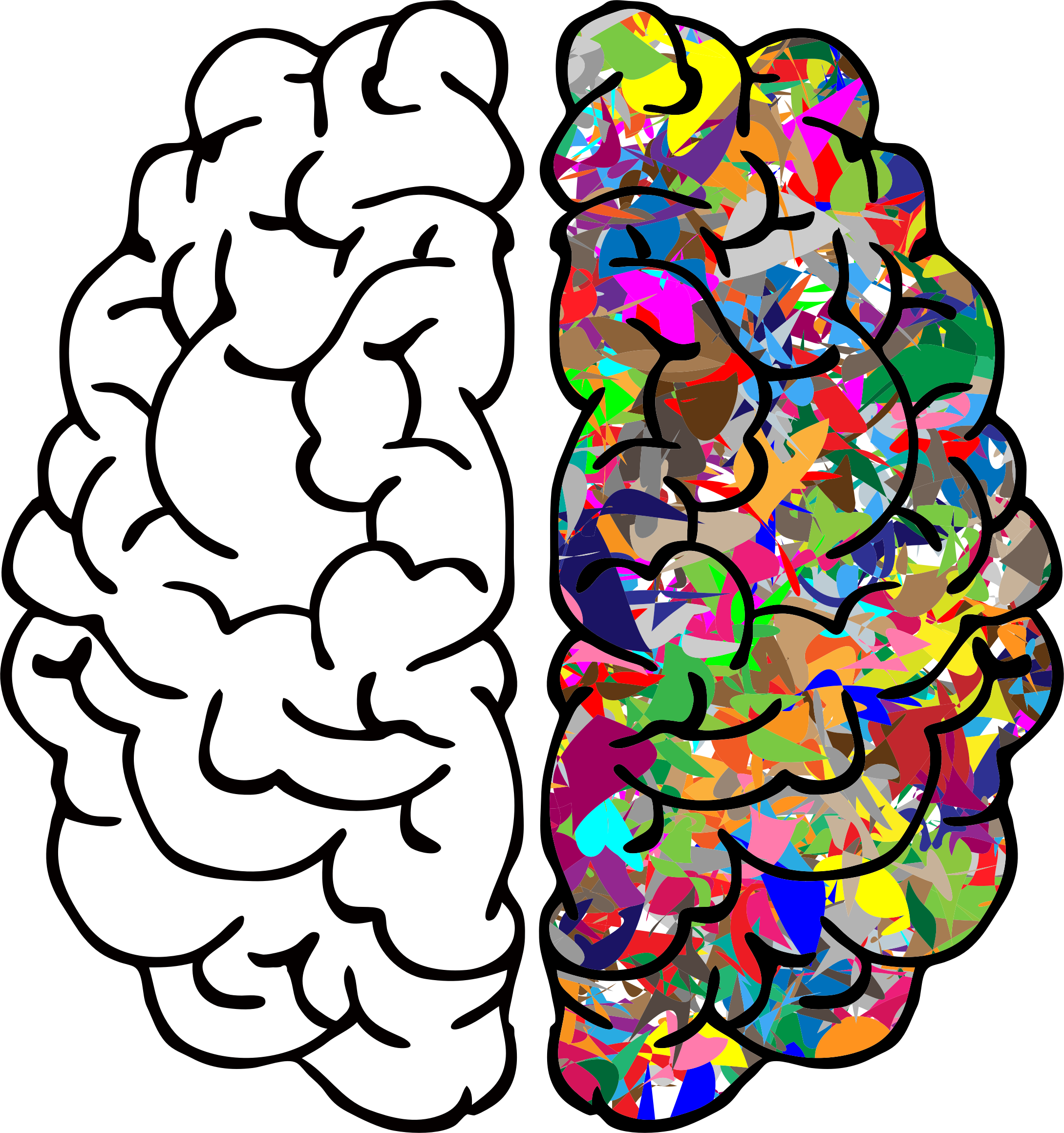
So how can people overcome this gap between setting goals and achieving them? The key, John asserts, is in creating a specific plan.
“Plans can help bridge that gap between goals and achievement,” he says. “Without plans, your goals are really just dreams. The reason plans work so well is because of the way they impact the brain.”
Here are four distinct reasons why “Innercising” your mental-planning muscle can make all the difference.

brain hacking
HOW and WHY Work Differently in the Brain
Goals with a high emotional value can create a dopamine release in the brain. If you set a goal with a powerful why, you experience that first dopamine hit. But while that why is critically important to creating your goals, it’s only a first step on the road to accomplishing them. The old saying, “Where there’s a will, there’s a way,” isn’t quite accurate. Where there’s a will, we also need to create a clear way. We need to make sure we activate not just the parts of the brain that help us create the goal, but also the parts of the brain that help get us there.
Spend all your time in “why” and you’re a dreamer who never takes action. Spend all your time in “how” and you might be busy, but with what? When you activate these various parts, an important switch takes place. You move from your conscious mind to your subconscious mind; you move from the realm of imagination to the realms of belief, action, and, eventually, productive habits.
Your Brain Thrives on the Mini-success of Plans
The initial boost of dopamine you get from setting a goal is helpful — and you can continue to support your efforts by focusing on your goal — but that’s not enough. Big change is almost always a long-term project, and for that you need the ongoing motivation that comes from regular dopamine infusions. Fortunately, that delivery method is prewired into your brain. Every time you succeed at something, your brain releases more dopamine. It’s a reward system designed to keep you doing more of what works, and less of what doesn’t.
The secret to those tiny bursts is a clear plan created from small steps. Each baby-step success provides a dopamine boost that motivates you to take another step, and on and on. With enough doable steps, you can create a virtuous cycle that ensures you have a steady supply of motivational fuel to reach your goal.

goals with brain hacks
Goals are Loose Ends in the Brain
One of the surprising paradoxes of change is that goals can actually distract you from… well, reaching your goals. Because your brain is so goal-oriented, it keeps focusing on your goals even when you’re not actively working toward them. When you want something and you don’t yet have it, your brain continues to allocate resources to “keeping the goal alive” until you can accomplish it. This would be fine if we only had one goal to think about. In reality, though, your daily life is filled with a multitude of goals of wildly varying sizes. Even the act of brushing your teeth is fulfilling a goal.
The result is that goals become a kind of loose end in the brain, and those loose ends can distract us from the work of actually tying them up. It’s a surprising contradiction, but one we have to resolve in the brain. The best solution for this is planning.
Your Two Brains are Time-Conflicted
Imagine that you’ve set a goal to lose weight. To accomplish this, you’ve decided to change your diet. Setting the goal has likely inspired you, yet, almost without realizing it, you find yourself adding less-healthy choices to your shopping cart or sitting in front of the TV with a bowl of something sugary. What happened? How can you be so motivated in one moment and so off-track the next?
The culprit in this case is how different areas of your brain view time. You see, parts of your brain have the ability to set goals for the future while other parts are more inclined toward immediate gratification. Once again, planning is the bridge. A good plan tells you what to do next. Without one, you can feel a void that you’re likely to fill by reaching for default unhealthy habits you’ve been stockpiling over the years.
About: John Assaraf is a serial entrepreneur, brain researcher, and CEO of NeuroGym. In the last 25 years, John has grown 5 multi-million dollar companies in real estate, internet software, brain research, and life and business coaching and consulting. He is the author of two New York Times best-selling books: “Having It All” and “The Answer.” His brand-new book is called “Innercise: The New Science to Unlock Your Brain’s Hidden Power” (Waterside Press, 2018). John has made frequent appearances on Larry King Live and has been featured in eight films, including the blockbuster smash hit “The Secret” and “Quest for Success” with Richard Branson and the Dalai Lama. He is one of the leading behavioral and mindset experts in the world, with a unique ability to help people release the mental and emotional obstacles that prevent them from achieving their very best in life and business. John is a vegan who creates and eats his own hot sauces, meditates daily, and exercises six days a week. He loves skiing, traveling, taking cooking classes, listening to the Bee Gees and Enigma, and being a dad, husband, and mentor.