

Why Professional Development Drives Employee Engagement
A company's greatest asset is its people. The most successful organizations understand this and invest directly in their team's growth. When employees feel stuck or can't see a clear path forward, their motivation drops, and they start looking for new opportunities. Professional development isn't just a nice perk; it's a key strategy for building loyalty, improving skills, and creating a strong, engaged workforce. Offering clear chances for learning and growth directly tackles the reasons people disengage and helps build a culture where everyone wants to stay and do their best work.

The Link to Retention and Morale
High employee turnover costs a lot, causes disruption, and hurts team morale, so it's vital to improve employee retention. While pay is important, a main reason employees leave is feeling like there aren't enough growth opportunities. When talented people feel they've hit a wall, they'll naturally seek new challenges elsewhere. This is where a strong professional development program becomes a powerful tool for keeping people. Offering training and career paths sends a clear message: we value you, and we see a future for you here.
This investment also directly boosts daily morale. Employees learning new skills feel more confident, capable, and energized in their roles. According to Gallup, one of the best ways to improve employee engagement is to focus on their development. This creates a positive cycle: engaged employees are more productive and innovative, which helps the company and shows the value of the training investment. Standing still leads to apathy, but growing fosters a sense of purpose and a shared commitment to success.
Building Skills for Future Success
Professional development isn't just about making employees feel good; it's about giving them the practical skills they need to do well now and prepare for what's next. A well-planned training program addresses immediate needs while also looking ahead to where the company and industry are going. This proactive approach keeps your workforce flexible, competitive, and ready for change.
This training can cover a lot, from leadership and communication skills to technical software expertise. Basic programs, like comprehensive workplace safety training, are also crucial. These courses don't just meet compliance rules; they also show a fundamental commitment to employee well-being, building trust and security. By improving your team's skills, you create an internal talent pool, cutting down on the time and money spent hiring externally for senior roles. You're building tomorrow's leaders and experts right from within your own company.
Simplifying Access to Key Training
Just having a training program isn't enough. If it's hard to access, inconvenient, or disrupts an employee's work, few people will participate, and you won't see the benefits. Traditional, off-site seminars often create logistical problems, requiring employees to travel and spend full days away from their duties. This model is expensive and inefficient for both the employee and the organization.
Modern solutions have made professional development much more accessible. Online, on-demand training platforms let employees learn at their own pace and on their own schedule. They can complete modules during quieter times at work, from home, or whenever suits them best. This flexibility respects employees' time and independence, making them more likely to engage with the material. Research shows that corporate training works best when it's smoothly integrated into the work environment. By removing access barriers, you empower your team to take charge of their growth and make continuous learning a natural part of their job.
Showcasing Your Investment in People
To get the most out of your professional development efforts, you need to make them a visible and celebrated part of your company culture. This means doing more than just offering courses; it means actively promoting a learning mindset throughout the organization. When you invest in your people, it's important to show that commitment openly.
Include development goals in regular performance reviews. Talk about career aspirations with your team members and help them find training that matches their ambitions. When an employee finishes a course or earns a new certification, celebrate that achievement publicly. Acknowledging their effort in a team meeting or a company-wide email reinforces how much you value growth. This public recognition encourages others to pursue their own development opportunities. Over time, this consistent support turns professional development from a standalone HR program into a core part of your company's identity – a place where people come to build a career, not just to do a job.
Investing in your employees' professional growth is one of the most effective ways to boost engagement and secure long-term loyalty. When people see that you're committed to their success, they become more committed to yours, creating a stronger, more capable, and more motivated organization.

UGREEN Launches Smart Home Ecosystem and New Wireless Chargers at Gillette Stadium Event

The author poses with the new UGREEN products before testing them out.
UGREEN, the consumer tech company known for cables, chargers, and charging accessories, used a launch event at Gillette Stadium in Foxborough, Massachusetts, on September 1 to announce its move into home security and smart home technology. The company unveiled a new product line called HomeAgent, expanded its MagFlow wireless charging lineup, and named New England Patriots cornerback Christian Gonzalez as its new Global Brand Ambassador.
The event marks UGREEN's entry into what the industry calls AIoT, or artificial intelligence combined with connected devices. It's the company's first major push beyond charging accessories and into full home systems.
HomeAgent combines storage, cameras, and voice control
The centerpiece of the announcement is UGREEN HomeAgent, a local hub designed to store footage, process camera data, and control other smart home devices from a single unit in the home rather than relying on outside servers.
According to UGREEN, most home security cameras are built primarily to record potential risks, which means everyday footage often gets overwritten before anyone notices it was worth keeping. HomeAgent is designed to change that by using on-device AI to recognize people, pets, vehicles, and packages, and by pulling meaningful moments from camera footage automatically rather than waiting for someone to review hours of recordings.
"The next chapter of the smart home is not simply about connecting more devices. It is about creating a system that can understand, assist, and act while keeping users in control," said Marshall Mao, UGREEN's Sales Director for North America.
Some of the system's core features:
Facial and object recognition that distinguishes household members from strangers and can flag unfamiliar visitors
Voice commands through UGREEN's assistant, Uliya, allowing users to check a room's status, locate a family member, or set custom alerts for events like a package delivery
Local file and video storage with no required monthly fee, since core functions run on the home network rather than the cloud
Automatic highlight reels pulled from photos and footage, viewable on a companion device called UGREEN Gallery, a digital picture frame
Compatibility with Matter, the smart home standard, allowing HomeAgent to control third-party devices and build automations across brands
HomeAgent comes in two versions. The standard HA100 handles the core feature set, while the HA100 Pro adds faster network connectivity and more processing power for tasks like voice-based automation rules and more advanced recognition.
Alongside HomeAgent, UGREEN also introduced MasterAgent MA100, a more powerful local hub built on NVIDIA's Jetson Thor T5000 chip. UGREEN says MasterAgent is designed to run larger AI models locally, handle more complex commands, and coordinate a broader set of connected devices. The company says developers will be able to expand MasterAgent's capabilities through a dedicated developer platform.
Pricing and availability
Pre-orders for HomeAgent HA100, HA100 Pro, and MasterAgent MA100 opened September 3 through UGREEN's AIoT online store. Customers can place a $50 deposit to lock in a discounted early-bird price, described by UGREEN as 50% off. Pre-orders will remain open until UGREEN launches a full crowdfunding campaign on Kickstarter on October 27, when additional AIoT accessories are expected to become available.
UGREEN's compatibility documentation shows the ecosystem is also being tested against a range of third-party Matter devices, including hubs and sensors from Aqara, SwitchBot, Eve, Yeelight, and others, along with smart bulbs, plugs, and window and door sensors from various manufacturers. UGREEN says that list is still being updated as testing continues.
Christian Gonzalez named brand ambassador
UGREEN also announced a new partnership with New England Patriots cornerback Christian Gonzalez, who will serve as the company's Global Brand Ambassador. The announcement builds on an earlier deal from April, when UGREEN became the Patriots' official tech accessory partner.
"Just like UGREEN, I believe great technology should help people stay prepared, reach their potential, and bring their A-game in the moments that matter most," Gonzalez said in a statement.
As part of the partnership, UGREEN plans to run product experience booths at four Patriots home games at Gillette Stadium this season, where fans can test products and enter giveaways. The company also plans a citywide watch party across multiple Boston-area venues on December 10, which will include product demonstrations and the chance to buy products on-site.
MagFlow lineup adds liquid-cooled charging
Separately from the smart home announcements, UGREEN expanded its MagFlow wireless charging lineup with three new products focused on faster charging with better heat management, a common complaint with high-wattage magnetic chargers.
The UGREEN MagFlow Pro Magnetic Power Bank 10000mAh 25W is, according to the company, the first liquid-cooled Qi2 25W magnetic power bank on the market. It uses CryoPulse technology, a small internal pump that circulates coolant to pull heat away from the battery and charging components, paired with a clear window on the case that shows the cooling system in action.
UGREEN says the power bank can charge an iPhone 17 Pro Max to 50% battery in 40 minutes and keeps peak temperatures up to 18 degrees Fahrenheit lower than what the company describes as the industry benchmark. It's priced at $149.99 through UGREEN's website and Amazon.
The UGREEN MagFlow Pro 3-in-1 Magnetic Wireless Charging Stand 25W can charge a phone, an Apple Watch, and AirPods simultaneously. It uses a thermoelectric cooling module and a fan UGREEN says runs at 15 decibels, quiet enough not to be distracting on a desk or nightstand. UGREEN says the charging surface can reach as low as 51.8 degrees Fahrenheit while charging an iPhone 17 Pro Max to 50% in 26 minutes. It's priced at $159.99.
The UGREEN MagFlow 2-in-1 Foldable Magnetic Wireless Charger 25W rounds out the lineup as a compact, travel-oriented option. It charges two devices at once and folds into a phone stand, then collapses into a palm-sized case for a bag or pocket. It's priced at $59.99.
All three MagFlow products are available now through UGREEN's official store and Amazon. The HomeAgent and MasterAgent devices remain in the pre-order phase, with wider availability tied to the October Kickstarter launch.
Background
UGREEN was founded in 2012 and has built its business primarily around charging cables, power banks, and docking accessories, selling in more than 180 countries. The HomeAgent and MasterAgent launches represent the company's first entry into home security and broader smart home hardware, putting it in more direct competition with established players in that space, including Ring, SimpliSafe, Aqara, and Eufy.

I Watched a Security Camera Greet Its Owners and Tell Strangers to Get Lost
Last week I went out to Gillette Stadium in Foxborough for UGREEN's Smart Living Launch Event, and I walked away more impressed by a home security system than I expected to be. I've reviewed a lot of cameras and smart hubs over the years. Most of them do the same handful of tricks — motion alerts, night vision, a cloud subscription you forget to cancel. This one did something I hadn't seen work smoothly in person before: It could tell the difference between the people who live in a house and the people who don't, and it acted accordingly.
UGREEN, the consumer tech company probably best known for cables, chargers, and docking stations, used the event to step into a much bigger category. It's now making a full smart home ecosystem, and the centerpiece is a device called HomeAgent.
The pitch: a security system with actual judgment
UGREEN built HomeAgent around the idea that most home cameras are built to record risk, not to understand a household. Think about how most systems work now — something moves, you get a notification, and you have to squint at a grainy thumbnail to figure out if it's your kid, your dog, or someone you should be worried about. UGREEN flipped that around by giving the system enough local processing power to recognize who's actually supposed to be there.
At the demo, when a family member walked up to the door, the system said "welcome home." When a stranger did the same thing, it gave a clear warning instead. No lag, no confusion, no generic beep. It just knew the difference and responded like it knew the difference.
The other feature that got me was the voice command search. You can ask the system to find your dog, or a specific family member, and it will pull up where they were last seen on camera. As someone who has spent an embarrassing amount of time yelling a dog's name into the backyard at 11 p.m., I can tell you this solves a real problem.
What's actually inside HomeAgent

Some of the UGREEN products I saw at the event. At the top is the HomeAgent and at the bottom are the three new MagFlow chargers.
HomeAgent is built as a local hub, meaning the storage, the computing, and the device control all live in one box in your house rather than scattered across someone else's servers. UGREEN is leaning hard into that local-first angle, and for good reason. Privacy is the number one concern I hear from readers whenever we talk about smart home cameras, and "your footage lives in your house, not a data center" is a much easier sell than "trust us."
A few things HomeAgent is built to do:
Recognize people, pets, vehicles, and packages, and flag anything unusual
Let you talk to the system directly, asking it to check a room, find a family member, or set up a voice alert for something like a package delivery
Store photos, video, and files locally with no monthly fee for the basic storage
Pull highlights from your camera footage and photo library automatically, then display them on a companion digital photo frame called UGREEN Gallery
Coordinate other smart home devices through Matter, so you can build automations across brands instead of being stuck in one company's app
There are two versions, the HA100 and the HA100 Pro, with the Pro built for more demanding AI tasks and faster networking. UGREEN also introduced a bigger, more powerful hub called MasterAgent MA100, which runs on NVIDIA's Jetson Thor chip and is aimed at people who want serious local computing power running their whole smart home setup, not just a camera or two.
Pre-orders for HomeAgent HA100, HA100 Pro, and MasterAgent MA100 opened September 3 through UGREEN's AIoT store, with a $50 deposit locking in a discounted early bird price. UGREEN says the full public launch happens through a Kickstarter campaign starting October 27.
A hometown ambassador
UGREEN also announced New England Patriots cornerback Christian Gonzalez as its new Global Brand Ambassador, which explains why the event was held at Gillette Stadium instead of, say, a hotel ballroom in Boston. UGREEN already partnered with the Patriots as an accessory sponsor earlier this year, so this is really an extension of that relationship rather than a surprise pairing.
Gonzalez talked about preparation and staying composed under pressure, and tied that back to the idea of technology that helps families feel ready and protected. It's the kind of quote you'd expect from an athlete at a product launch, but the framing fits well enough with HomeAgent's whole pitch around being proactive rather than reactive.
UGREEN says it'll set up product experience booths at four Patriots home games this season, plus a citywide watch party across Boston venues in December, so if you're local and curious, you'll get more chances to try this stuff in person.
The charging lineup: MagFlow gets a cooling upgrade
The event wasn't only about security. UGREEN also expanded its MagFlow wireless charging lineup with three new products, and the standout is a genuinely clever engineering fix for a problem anyone who's used a magnetic power bank knows well — the thing gets hot. It’s been over 100 degrees here in my home state of Texas for months, so more heat is NOT welcome.
The MagFlow Pro Magnetic Power Bank 10000mAh is the first liquid-cooled Qi2 25W magnetic power bank on the market. It uses a small internal pump to circulate coolant away from the parts that generate heat, with a little window built into the case so you can actually see the cooling system working. That was a fun feature that I loved watching when the device was attached to my phone.
UGREEN says it can charge an iPhone 17 Pro Max to 50% in 40 minutes while keeping peak temperatures noticeably lower than typical wireless chargers. It's priced at $149.99.
There's also a 3-in-1 charging stand that handles a phone, an Apple Watch, and AirPods at once, using a fan-based cooling system instead of liquid, priced at $159.99. And there's a compact, foldable 2-in-1 charger for $59.99 that folds into a stand and fits in a bag for travel.
None of these charging products are as flashy as a camera that recognizes your kid's face, but they solve a problem plenty of people run into every day.
My take
I go to a lot of these launch events, and most of them announce incremental upgrades dressed up as breakthroughs. This one felt different, mostly because of how the recognition features performed in the room rather than in a slide deck. A security system that knows your family on sight and can help you track down a wandering pet by voice command is the kind of feature that actually gets used, not just advertised.
UGREEN is clearly betting that the next phase of smart home tech isn't about adding more gadgets to your app. It's about making the ones you already have work together and actually understand the household they're protecting. Based on what I saw at Gillette Stadium, that bet looks reasonable. Whether it holds up once these devices are in regular homes instead of a stadium demo booth is the part I'm curious to test next.

How Workplace Well-Being Supports Productivity and Profit
A healthy bottom line and healthy employees go hand-in-hand. For years, workplace wellness was seen as a bonus, a nice-to-have perk like free snacks or a gym membership. Today, successful businesses understand that prioritizing employee well-being is a core strategy for growth, innovation, and long-term stability. Investing in your team's physical and mental health isn't just the right thing to do; it’s a powerful driver of business success.

Beyond Compliance: Strategic Health
Meeting basic workplace safety requirements is just the start. A truly strategic approach to health goes far beyond compliance. It focuses on proactive and preventative care. This means creating an environment that not only prevents injury but also actively supports every employee's overall well-being. It involves looking at things like stress management, ergonomic support for both in-office and remote workers, and access to health resources.
Instead of just reacting to issues as they come up, a strategic approach aims to prevent them. Many businesses partner with experts who provide professional occupational health services to develop a tailored strategy. This can include health surveillance to monitor potential workplace risks and wellness programs designed to keep your team healthy and resilient before problems occur.
Boost Productivity and Morale
When employees feel their best, they perform their best. It's a simple idea with a big impact on productivity. Workers who aren't struggling with physical ailments or mental stress are more focused, engaged, and innovative.
Morale also gets a big boost. When a company invests in its employees' health, it sends a clear message: we value you as a person, not just as a worker. This builds loyalty and appreciation, creating a positive cycle. Higher morale leads to better teamwork, improved customer service, and a more vibrant workplace culture where people are motivated to do their best.
Reduce Absenteeism and Turnover
Unplanned absences disrupt workflows, lower team morale, and can lead to burnout for employees who have to pick up the slack. Focusing on well-being directly tackles this problem. By providing resources for both physical and mental health, you empower employees to take better care of themselves, leading to fewer sick days. Preventative care and early intervention can stop minor health issues from becoming major problems that require extended time off.
Likewise, employee turnover is expensive. The costs of recruiting, hiring, and training a new employee can be substantial. People are far less likely to look for a new job when they feel supported and valued by their current employer. A workplace that prioritizes health is a place where people want to stay, significantly reducing turnover rates and retaining valuable institutional knowledge.
Creating a Health-Focused Culture
Perks like gym discounts are a good start, but creating a true culture of health requires a more integrated approach. It means weaving well-being into the very fabric of your company's daily operations. This means leaders must actively model and champion healthy behaviors.
Building a comprehensive well-being strategy involves several key actions:
Promote Mental Health: Make mental health conversations less stigmatized and provide easy access to resources like counseling services or mental health apps.
Encourage breaks and create a culture where taking regular breaks to rest and recharge is encouraged, not frowned upon, to promote wellness and productivity.
Offer Flexibility: Where possible, offer flexible work hours or remote work options to help employees better manage work-life balance.
Gather Feedback: Regularly ask employees what they need to feel supported and act on that feedback.
Measuring Your Health ROI
To justify continued investment in well-being initiatives, it's important to measure their impact. While some benefits like improved morale can be hard to quantify, many key performance indicators (KPIs) can show a clear return on investment (ROI).
Start by tracking metrics before and after you implement new wellness programs. Key data points to monitor include:
Absenteeism rates
Employee turnover rates
Employee engagement survey scores
Use of health benefits and wellness resources
Productivity metrics relevant to your industry
Tracking these numbers over time will provide concrete evidence of how your well-being programs are directly contributing to your business's financial health and stability.
Investing in your employees' health is an investment in your company's future. It creates a resilient, motivated, and productive workforce that can adapt to challenges and drive sustainable growth.

If Willy Wonka Built A Chocolate Factory Today: Lessons From Modern Manufacturing
Roald Dahl’s Willy Wonka imagined a chocolate factory filled with incredible inventions, unusual production methods, and seemingly endless creativity. While the fictional factory relied on imagination, a modern version would depend on advanced manufacturing, automation, and data-driven decision-making to consistently produce high-quality chocolate at scale.

Smart Automation Would Handle Repetitive Tasks
Modern chocolate production includes many repetitive processes, from mixing ingredients and tempering chocolate to molding, cooling, wrapping, and packaging finished products. Automated equipment helps complete these tasks with consistent speed and accuracy. Programmable systems measure ingredients precisely, maintain production schedules, and reduce variation between batches. Automation also allows employees to focus on quality control, product development, maintenance, and other responsibilities that benefit from human expertise.
Data Would Guide Every Batch
Consistency is one of the biggest challenges in food manufacturing. Even small changes in temperature, humidity, or mixing time can affect texture, appearance, and flavor. A modern Wonka factory would likely collect production data throughout every stage of manufacturing. Sensors could monitor temperatures during tempering, track cooling times, and verify ingredient measurements before production continues. Using real-time information allows manufacturers to identify small variations early instead of discovering quality problems after thousands of products have already been packaged.
Equipment Reliability Would Be a Priority
A chocolate factory depends on continuous production. If one conveyor, mixer, or packaging machine unexpectedly stops working, the delay can affect the entire production schedule. Modern manufacturers increasingly rely on machine health monitoring to track equipment performance and detect early signs of wear before breakdowns occur. Monitoring vibration, temperature, and operating conditions allows maintenance teams to schedule repairs during planned downtime instead of reacting to unexpected failures. Reliable equipment helps reduce waste while keeping production running efficiently.
Food Safety Would Be Built Into Every Step
Today’s consumers expect products that meet strict food safety standards. A modern chocolate factory would include carefully controlled sanitation procedures, ingredient tracking, and detailed production records. Every shipment of cocoa, sugar, milk, and other ingredients would be documented from arrival through final packaging. Cleaning schedules, inspection records, and quality testing would become part of everyday operations. These systems help manufacturers respond quickly if questions arise while maintaining confidence throughout the supply chain.
Innovation Would Extend Beyond the Chocolate
Willy Wonka was known for creating unusual products, and modern manufacturers continue that spirit through research and development. Consumer preferences change over time, creating opportunities for new flavors, reduced sugar recipes, plant-based ingredients, seasonal products, and sustainable packaging. Testing these ideas on a smaller scale before full production helps companies evaluate customer interest while managing costs. Innovation also includes improving manufacturing efficiency, reducing energy use, and minimizing food waste throughout production.
If Willy Wonka opened a chocolate factory today, the colorful imagination that made his fictional business unforgettable would still be at the center of the operation. The difference is that today’s factory would combine creativity with automation, production data, equipment reliability, and food safety systems to bring those ideas to life. For more information, feel free to look over the accompanying infographic below.


Mapping The Global Beef Trade
The global beef trade connects producers, processors, transportation providers, distributors, retailers, and food service companies across multiple continents. Every shipment follows a carefully coordinated path influenced by production capacity, consumer demand, trade agreements, transportation networks, and food safety requirements. For businesses that rely on agricultural products or international supply chains, understanding these trade routes offers valuable insight into how markets respond to changing economic conditions.

Major Exporters Help Supply Global Demand
Several countries play a leading role in the international beef market because of their strong cattle industries and established processing infrastructure. Brazil, the United States, Australia, Argentina, and Canada are among the major exporters serving customers throughout Asia, Europe, the Middle East, and North America.
Importing countries often rely on these suppliers to meet domestic demand when local production cannot keep pace with consumption. Population growth, changing diets, and rising incomes continue to influence purchasing patterns in many regions.
Transportation Is the Link That Holds Everything Together
Moving beef internationally requires reliable cold chain logistics from start to finish. Products are transported from processing facilities to refrigerated warehouses, then loaded into temperature-controlled trucks or shipping containers before traveling by sea, rail, or highway.
Maintaining proper temperatures throughout the journey is essential for preserving food quality and meeting safety standards. Even short transportation delays can affect inventory planning, delivery schedules, and operating costs for companies throughout the supply chain.
Market Conditions Can Shift Quickly
Global beef markets respond to a wide range of economic and environmental factors. Weather conditions, feed prices, fuel costs, currency exchange rates, labor availability, and animal health concerns all influence production and pricing.
Because these variables can change rapidly, businesses benefit from monitoring both domestic and international developments. Companies that recognize market shifts early are often better prepared to adjust purchasing strategies, inventory levels, and pricing decisions before conditions affect profitability.
Financial Planning Supports Long-Term Stability
Agricultural businesses operate in an industry where seasonal cycles and market volatility are common. Managing operating expenses, equipment purchases, and expansion plans requires thoughtful financial preparation.
Many producers and agribusinesses use agricultural financial services to help manage cash flow, finance capital investments, and prepare for changing market conditions. Strong financial planning gives businesses greater flexibility when responding to fluctuations in production costs or international demand.
What Businesses Can Learn From Global Trade
The global beef trade demonstrates how closely connected today’s business environment has become. A change in production, transportation, or trade policy in one region can influence pricing and product availability in another. Organizations that monitor international supply chains gain a broader perspective on risk management, inventory planning, and market opportunities. Regularly reviewing trade trends, maintaining strong supplier relationships, and planning for changing market conditions can improve resilience.
Global beef trade is more than the movement of food across borders. It illustrates the importance of logistics, financial planning, and strategic decision-making in a connected economy. Businesses that understand these patterns are better positioned to adapt and make informed decisions that support sustainable growth. Look over the infographic below for more information.


Branding Blind Spots: What Your Customers Notice Before You Do
Every business invests time and resources into building a recognizable brand. Logos, messaging, websites, and marketing campaigns all help shape how a company wants to be perceived. Yet customers often experience a brand differently than the people managing it. Familiarity with internal processes can make it difficult to recognize small issues that influence trust, credibility, and purchasing decisions.

Your Brand Is More Than Your Logo
Many companies focus heavily on visual identity, but customers evaluate every interaction they have with a business. A website, customer support conversation, invoice, email, social media post, and product packaging all contribute to the overall impression.
For example, a polished website paired with slow response times or inconsistent communication creates mixed expectations. Likewise, clear marketing messages lose their impact if customers encounter confusing policies or outdated information after making contact.
Internal Knowledge Can Create Communication Gaps
Employees understand their products and services every day, which can make it easy to overlook information that first-time customers need. Industry terminology, technical descriptions, or assumptions about what buyers already know may unintentionally create confusion.
Businesses often discover these gaps through customer questions, support requests, or sales conversations that repeat the same topics. Reviewing website content, product descriptions, and onboarding materials from the perspective of a new customer can reveal opportunities to simplify communication and improve clarity.
Customer Feedback Reveals Hidden Patterns
Reviews, surveys, and direct conversations often uncover trends that internal teams may miss. While a single complaint may reflect an isolated experience, repeated feedback usually points to an area worth examining.
Pay attention to comments about response times, ordering processes, pricing transparency, or overall communication. Positive reviews also provide valuable information by highlighting the aspects of your business that customers appreciate most.
Organizations that regularly analyze customer intelligence alongside feedback and purchasing behavior gain a clearer picture of how their brand is performing beyond internal assumptions.
Consistency Builds Credibility
Customers expect the same quality regardless of how they interact with your business. Marketing materials, sales presentations, customer service, and post-purchase support should communicate a consistent message.
Small inconsistencies can gradually reduce confidence. Different pricing across platforms, conflicting information, or varying service standards may leave customers uncertain about what to expect. Creating documented brand guidelines and reviewing them regularly helps employees deliver a more unified experience across every channel.
Turn Brand Audits Into a Routine
One of the most effective ways to identify blind spots is to perform regular brand reviews. Visit your website as if you were a first-time customer. Test contact forms, read product pages, and evaluate whether information is current and easy to understand.
Ask employees from different departments to share observations, since they often notice issues outside their own responsibilities. Inviting honest feedback from existing customers can also reveal opportunities that internal teams overlook.
Strong brands are built through continuous improvement rather than one-time projects. Regular evaluation helps businesses identify small issues before they affect customer trust, allowing every interaction to reinforce the reputation the company has worked hard to build. Look over the infographic below to learn more.


Starting a Small Business? Money Tips for Moms
Turning your passion project into a business is an exciting step, especially when you're balancing it with motherhood. You might be an expert at baking cakes or creating handmade jewelry, but managing the financial side can feel like a whole new world. These essential money tips will help you build a solid financial foundation for your small business right from the start.

Budgeting for Your Business Idea
Before you make your first sale, you need a clear picture of your startup costs. A simple budget is your best friend here. Start by listing all the one-time expenses you'll need to get off the ground. This could include things like a business license, website design, or essential equipment. For example, if you're starting an online clothing boutique, you'll need to budget for initial inventory, packaging supplies, and a domain name.
Next, estimate your monthly recurring expenses. These are the costs you'll pay regularly, such as website hosting fees, marketing subscriptions, or raw materials. Don't forget to factor in a small buffer for unexpected costs. Creating this initial budget helps you understand exactly how much money you need to launch and operate for the first few months.
Funding Your Entrepreneurial Dream
With your budget in hand, you can figure out how to finance your business. Many mompreneurs start by "bootstrapping," which means using their own personal savings. This is a great way to start without taking on debt. You might also consider asking for support from family and friends, but be sure to treat it as a formal loan with clear repayment terms to avoid any misunderstandings.
For larger funding needs, you can explore external options. The U.S. Small Business Administration provides excellent resources to help you fund your business through loans and grants. The federal government also offers a general guide on how to start and fund your own business that covers various programs and requirements. Researching these avenues can open up possibilities you may not have considered.
Managing Sales and Payments Seamlessly
Making it easy for customers to buy from you is key to generating income. Whether you sell online, at local markets, or in a small pop-up shop, you need a reliable way to accept payments. Modern customers expect to pay with credit cards, debit cards, or digital wallets, not just cash.
For businesses with a physical presence, even a temporary one at a craft fair, a good retail POS system can help you track sales, manage inventory, and accept various payment types all in one place. For online-only businesses, platforms like Shopify or Etsy have built-in payment processing. The goal is to make the checkout process smooth and professional, which builds trust with your customers and ensures you get paid promptly.
Tracking Expenses for Tax Time
From day one, it's vital to keep meticulous records of all your business expenses. This might sound tedious, but it will save you a massive headache during tax season. Open a separate bank account for your business to keep your personal and business finances from getting mixed up. This makes it much easier to see what's coming in and what's going out.
Keep every receipt, whether it's for a major equipment purchase or a small pack of shipping tape. You can use a simple spreadsheet to log each expense, noting the date, vendor, amount, and purpose. As your business grows, you might consider using accounting software like QuickBooks or Wave, which can automate much of this tracking for you and provide valuable insights into your company's financial health.
Growing Your Business Profitably
Once your business is up and running, your focus will shift toward growth. This is where your financial tracking really pays off. Reviewing your sales data helps you see which products are most popular and which ones aren't performing well. This information helps you decide where to invest your resources.
Reinvesting a portion of your profits back into the business is the primary way to fuel growth. You might use the money to buy more inventory of a best-selling item, launch a targeted social media ad campaign, or upgrade your equipment to increase production. Set clear financial goals, such as increasing monthly revenue by 10% or achieving a certain profit margin. These targets will give you something concrete to work toward as you scale your operations.
Getting your business finances organized from the start will set you up for long-term success. Focus on one step at a time, and you'll build a strong and profitable foundation for your dream.

Why a Faster Supply Chain Gives E-commerce Brands an Edge
In e-commerce, speed isn't just a nice-to-have; it's essential for keeping customers happy and loyal. If your online store is struggling with shipping, you're not alone. Improving your supply chain might seem overwhelming, but breaking it down makes it much more manageable. This guide will show you practical ways to get products to your customers faster, covering everything from smart warehousing to the latest tech tools.

The Need for Speed in E-commerce
Today's online shoppers expect a lot. Big retailers have made fast delivery the norm, so customers now see two-day shipping as standard, not a luxury. Slow delivery can really hurt your sales and brand image. Studies consistently show that how fast you ship is a top reason people decide to buy. If a customer sees a long delivery time at checkout, they'll likely leave their cart and buy from a competitor.
Fast shipping does more than just stop people from abandoning their carts; it builds trust and encourages repeat business. Reliable fulfilment is a major part of achieving success in e-commerce, since customers are more likely to return when their orders arrive quickly and in good condition.
This positive feeling strengthens your brand and turns one-time buyers into loyal fans. On the flip side, a delayed or lost package can permanently damage your relationship with a customer. To stay competitive, you need to build strategies that focus on speed and reliability from the start.
Smart Warehousing Strategies
Your warehouse is central to getting orders out, and how efficient it is directly affects shipping speed. A messy or badly located warehouse will create delays throughout the whole process. The trick is to store your inventory smartly so you can pick, pack, and ship orders quickly. One great way to do this is to spread out your inventory. Instead of sending every order from one spot, keeping products in several warehouses in different areas puts them closer to your customers. This really cuts down on how long things take to ship and how much it costs.
This becomes even more important when expanding into new markets. A U.S. business selling to customers in Europe may face long transit times, higher costs, and customs complications if every order ships from the United States. Working with a regional provider such as J&J European Fulfillment allows inventory to be stored, packed, and shipped within Europe, helping businesses offer faster delivery without building their own overseas logistics network.
Beyond location, good inventory management is crucial. You need to know your stock levels at all times to avoid backorders and delays. Using methods like ABC analysis, which sorts products by how much they sell, helps you focus on your bestsellers and make sure they're always in stock and easy to get to. Improving your warehouse shipping operations with a well-organized layout and clear steps for receiving, storing, and picking items will significantly reduce the time it takes to get an order out.
Carrier Optimization Secrets
Once an order is packed, getting it to the customer's door is the final and often most complicated step. Relying on just one shipping carrier can be a costly mistake. Not only does it leave you exposed to their delays and service issues, but it also means you're probably not getting the best price for every package. The secret to faster and cheaper shipping is using multiple carriers.
By working with a mix of national carriers and smaller, local ones, you can pick the best option for each shipment. National carriers are great for long distances, but regional carriers often offer faster and cheaper service for local or last-mile deliveries. For instance, a package going across the country might be best with a major national provider, while an order shipping to a customer in the next state could arrive faster and for less money with a regional service.
To manage multiple carriers effectively, you need technology that can automatically compare rates and transit times in real time. Shipping software can instantly show you the best options when you're creating a label, considering the package's destination, weight, and desired delivery speed. This not only saves money but also ensures you're always choosing the fastest route possible. Don't be afraid to negotiate rates with your carriers as you ship more. The more you ship, the more power you have to get discounts and better service agreements.
Achieving Next-Day Delivery
Offering next-day delivery might seem like a huge challenge for e-commerce, but it's more achievable than you might think. It requires a finely tuned operation where every step is optimized for speed. The basis of next-day delivery is having your inventory close enough to your customers. This brings us back to why distributed inventory and regional fulfillment centers are so important. If your products are already in a warehouse just a few hours away from the customer, ground shipping can often achieve next-day service without the high cost of air freight.
Your internal processes need to be just as fast. This starts with setting a clear cutoff time for orders. For example, you might promise next-day delivery for all orders placed before 2 p.m. This gives your warehouse team a specific window to pick, pack, and hand off packages to carriers for evening pickup. Your picking and packing process needs to be perfect. This includes:
An organized warehouse layout: Put popular items in easy-to-reach spots to cut down on how far your pickers have to walk.
Efficient picking methods: Techniques like batch picking (gathering items for several orders at once) or zone picking (assigning pickers to specific areas) can really speed up how fast you fulfill orders.
Streamlined packing stations: Make sure each station has all the boxes, mailers, tape, and packing materials it needs, so packers don't waste time looking for supplies.
Finally, your choice of carrier is crucial. Not all services can guarantee next-day delivery. You'll need to work closely with carriers that offer reliable overnight services and have late pickup times. Matching your warehouse operations with your carrier's schedule helps you create a smooth workflow that makes next-day delivery a dependable and profitable option for your business.
Tech Tools for Faster Operations
Manual tasks are the enemy of speed. To truly improve your supply chain, you need to use technology that automates tasks, gives you clear visibility, and helps you make better decisions. The right tech setup can turn your fulfillment operations from a money drain into a competitive advantage. At the core of a modern warehouse is a Warehouse Management System (WMS). A WMS is like the digital brain of your facility, guiding everything from receiving and putting away items to picking and shipping. It optimizes the routes pickers take, tracks inventory in real time, and ensures orders are accurate.
An Order Management System (OMS) is another vital tool. It acts as a central hub for all your orders, whether they come from your website, a marketplace, or social media. An OMS automatically sends orders to the most efficient fulfillment location, whether that's one of your own warehouses or a 3PL partner. This automation is key to processing orders quickly and getting them on their way without needing someone to manually intervene.
For businesses ready to take the next step, warehouse automation offers even more speed. This can range from simple conveyor belts that move packages between stations to advanced autonomous mobile robots (AMRs) that bring shelves of products directly to human pickers. Automated packing machines can also create custom-fit boxes, reducing waste and speeding up the final step before shipping. While the initial cost can be high, the long-term benefits in speed, accuracy, and labor efficiency are often well worth it.
By smartly combining these different technologies, you can build a supply chain that is not only fast but also flexible and scalable, ready to meet customer expectations now and in the future.

How Smart Commercial Building Design Supports Business Growth
When businesses plan for growth, they often zero in on marketing, sales, and developing new products. But the actual building where you do business is a powerful asset that often gets overlooked. The decisions you make about your commercial space, right from when it’s first built to how it’s maintained every day, can directly affect your profits, how productive your employees are, and how people see your brand. Thinking strategically about your building’s design and features is an investment in your company’s long-term success.

Initial Investments vs. Long-Term Value
It’s easy to pick the cheapest options when you’re building or renovating a commercial space, just to keep initial costs down. But this kind of short-term thinking can end up costing a lot more over time. Cheaper materials might need frequent repairs or even full replacement, and inefficient systems can lead to huge utility bills. By investing more upfront in durable materials, energy-efficient HVAC systems, and good insulation, you can drastically cut down on maintenance and operating costs for years. Thinking about smart design choices for property ROI from the start helps make sure your building adds to your profits instead of draining your resources.
Operational Efficiency Through Design
How a commercial building is laid out directly impacts how efficiently your team works. A well-designed space considers how work flows, how people communicate, and what different departments specifically need. For instance, an open-plan office might help a creative team collaborate better, while a manufacturing plant needs a layout that makes it easy to move materials from one step to the next. Adding smart technology, like automated lighting and climate control, makes things even more efficient by cutting down on wasted energy and making the environment more comfortable for employees. A thoughtful approach helps maximize ROI with a design-build approach, making sure the finished building fits perfectly with how your business operates.
The Role of Commercial Doors in Security
Security is a must-have for any commercial property. It keeps your assets, employees, and sensitive information safe. While alarm systems and cameras are important, the building’s physical structure itself is the first line of defense. Entry points are often the most vulnerable areas, so choosing the right access components is crucial. High-quality commercial doors are essential for controlling who gets in and for standing up to potential threats. Beyond just security, the right doors also help you meet fire safety rules and accessibility standards, creating a safe and secure place for everyone to work.
Enhancing Aesthetic and Brand Image
Your commercial space is a physical reflection of your brand. The outside of the building, the lobby, and the interior design all send a message to clients, partners, and potential employees before they even talk to anyone. A clean, modern, and well-kept building can project an image of professionalism, success, and attention to detail. On the flip side, a dated or poorly maintained space might suggest the business is struggling or doesn’t care about its image. You can use architectural elements, color schemes, and materials that match your brand identity to create a consistent and memorable experience that reinforces what your company stands for.
Customer Experience Starts with Your Space
Your commercial property shapes how customers experience your business from the moment they arrive. A clean, organized, and accessible environment creates a positive first impression and helps visitors feel confident about the quality of your products or services. Details like clear signage, comfortable waiting areas, good lighting, and easy navigation all contribute to a smoother customer journey. Even small improvements can make your space more welcoming and encourage visitors to spend more time engaging with your business.
Accessibility is another important consideration. Ensuring entrances, walkways, and facilities are easy for everyone to use demonstrates professionalism and helps your business comply with relevant regulations. Regular maintenance also plays a role in customer satisfaction. Well-maintained flooring, functioning doors, clean common areas, and prompt repairs signal that your business values quality and attention to detail. When customers have a positive experience in your physical space, they're more likely to return, recommend your business to others, and develop long-term trust in your brand.
Future-Proofing Your Commercial Space
Your business needs will definitely change over time. A building designed with the future in mind can adapt as you grow and as your operational needs shift, without you having to move or do a costly major renovation. Planning for the future involves a few key things:
Scalability: Design spaces that can easily be expanded or rearranged as your team gets bigger.
Flexibility: Use modular walls, versatile furniture, and open areas that can be used for different purposes.
Technology Readiness: Install robust wiring, plenty of outlets, and a strong network infrastructure to support future tech advancements.
By thinking ahead, you create a flexible asset that can support your business for many years. This foresight keeps your physical space from holding back your growth.
The building you work from is more than just a roof over your head; it’s an active part of your business strategy. By making smart choices in its design, materials, and features, you can create an environment that boosts efficiency, strengthens your brand, and supports lasting growth.

How to Close More Sales and Accelerate Business Growth
Generating leads is a vital part of any business strategy; however, real growth happens when your team has the ability to close sales and convert prospects into paying customers. Many businesses spend significant time and money attracting potential buyers, only to lose opportunities during the sales process. You can easily increase revenue without changing your marketing budget if you learn how to improve your closing rate. This is a combination of understanding human needs, building trust, and communicating value to your prospects. This will help you turn more calls and conversations into successful sales.

To help you grow your business by closing more sales, here are some top tips you need to implement in your business today.
Understand your customer
One of the biggest mistakes people make when they work in sales is talking too much (and too quickly) about the product, and not enough about the customer on a personal level. Buyers already have their guard up when being sold to, so if that’s all you do, they are going to twitch off very quickly. However, if you understand from the start that buyers want solutions to their problems, not a long list of features, then you can completely change the way you speak to prospects and instantly change your conversion rates. Your strategy should include asking thoughtful questions to help hear from them what their pain points are, their goals, and their concerns. When you understand what is important to them personally, you can position your business, services, or products as the solution they have been searching for.
Build trust
Before you ask for the sale, you need to build trust. This plays a major role in a buying decision, regardless of your business or industry. Customers are more likely to invest their time and money in you if they trust you and believe you are reliable and professional. You build trust with prospects by being transparent, actively listening to them, keeping promises and providing honest information. This helps you to build credibility. You can build on this by sharing testimonials, case studies, reviews, and examples of successful results.
Be strategic about your outbound calls
Outbound calls are still an effective sales strategy today, if used effectively and in the right industry, such as an agency or an insurance company. Rather than making a generic sales pitch, you should focus on finding prospects you are going to benefit from your business, and personalize the pitch to their needs. Equip yourself with both information and tools to make outbound calls effectively. Dialer software built for insurance agents and agencies is a great tool for those who want to move away from generic auto dialers and awkward silences. A well-planned call is one that will create stronger engagement and move the prospect closer to making a decision.
Closing more sales is about building trust, understanding needs, and being fully equipped to handle calls effectively. Objection handling and follow-ups are important, but when a business misses these three key 3 things, they are not getting off to the right start.

Essential Services Your Business Needs to Succeed
When you started your business, you probably found yourself completing pretty much every task yourself. From answering the phones to creating products, responding to emails, and attempting to create and update your website, the chances are your work life was extremely busy. But as your business grows further, it may no longer be possible to be the receptionist, customer service assistant, tech specialist, and all those other roles that need to be performed to keep your business up and running.

Right now, your business may be growing and building its customer base at a rapid speed. This is great news, but it does mean that it’s no longer possible to be all things to your business. Stepping away from attempting to do everything yourself can feel like a huge change. However, it’s one that you need to make if your business is to continue to grow. Enlisting some extra help can make a huge difference to your company. With this in mind, here are just some of the essential services that can help your business to succeed:
Accounting Services
Trying to keep up with your own bookkeeping and accountancy tasks when you run a business can feel like a near-impossible task. Attempting to manage your own accounts can lead to oversights and innocent mistakes. Unfortunately, these errors can often be costly and come at the expense of your company’s success.
Hiring professional accountants to manage your business accounts can be invaluable. With help from an accountancy firm, you can easily stay up to date with your business’s financial position and make business decisions based on solid insights rather than guesswork. Choosing an accountant that also offers tax services will help to make your life simpler, and help you avoid the panic when your return is due to be submitted.
IT Services
There are few things more frustrating than your company’s IT systems failing you. The problem is, when you’re in charge, it can often be left to you to try and figure out what’s gone wrong and attempt to fix it. Using an IT management company to take care of your business systems is a great way to avoid unplanned downtime and to get the support you need exactly when you need it. Using professional IT services is also a useful way to better protect your company from the growing threats posed by cybercriminals.
Social Media Management Services
One final service to consider enlisting is social media management. If you’re currently trying to manage your social media accounts yourself, you will know how time-consuming and challenging this can be. Outsourcing this task to a social media management company will ensure that your social media campaigns are perfectly tailored to your target audience, and that their success is monitored and measured to ensure maximum impact.
As you can see, there is a range of services available to support your business that will not only ease your workload and improve your efficiency but also help your business to secure its future success.

The 6 Key Practices to Giving All Your Plant Material Room to Breathe and Thrive
Giving all your plant material room to breathe and thrive is one of the most essential practices in gardening. Whatever you've got, whether it's a small urban plot, allotment, or a larger garden, it's all about spacing, airflow, and thoughtful maintenance. Whether it's vegetables, fruit bushes, all the way through to ornamental shrubs and flowers, every plant will benefit from having the right environment to grow without unnecessary competition or stress. When plants are crowded, they will fight for everything, often resulting in weaker growth and increased susceptibility to disease and pests. By adopting a few key practices, you can create a garden that feels completely full of life, so here are a few things to bear in mind:

Clearing Debris Without Harming Growth
Keeping your garden free from general debris like twigs and fallen leaves is simple, but a very important way to improve airflow and reduce the risk of disease. Decaying organic matter can trap moisture, which will create potential fungal problems like mould and mildew, so using items like a leaf blower can make this task much quicker and more efficient, particularly in larger gardens or during autumn when leaf fall is heavy. However, it's important to approach this carefully, so choose a blower with adjustable speed settings to help you work gently around delicate plants and newly planted beds. Direct airflow away from the stems and avoid blasting the soil, because this can expose the roots and stress the plants, while also making sure that a lightened, controlled approach helps you maintain tidiness without compromising plant health.
Respect Proper Spacing
Spacing may seem like a minor detail when planting, but it plays a crucial role in long-term garden success. Each plant has evolved to require a certain amount of space to reach its full potential, and ignoring this can lead to overcrowded beds that struggle to thrive. In tightly packed environments, plants compete for sunlight, often resulting in tall, leggy growth as they stretch upward, and, at ground level, restricted airflow creates a humid environment that encourages pests and fungal diseases. In the UK, where rain and humidity are common, this risk is even greater, so always check seed packets or plant labels and resist the urge to squeeze in one more plant. A well-spaced garden may look sparse at the very outset, but will fill out naturally and more healthily over time.
Prune Regularly
Pruning is essential for maintaining both the shape and health of your plants. Pruning regularly and strategically allows air and light to reach deeper into the plant, which supports stronger development and reduces the risk of disease. For shrubs and ornamental plants, regular pruning keeps them from becoming dense and unmanageable, and for fruit trees, careful pruning encourages better yields by directing the plant's energy into productive branches rather than excessive foliage. The key to all of this is timing, because some plants prefer pruning in late winter, but others will benefit from a trim after flowering. Make sure that you use sharp, clean tools to prevent infection and ensure clean cuts that will heal more quickly.
Thin Out Seedlings Early
When seeds germinate, it is common to see clusters of tiny seedlings emerging close together, and while it can feel satisfying to have so many new plants, leaving them all in place usually leads to overcrowding and poor results. Thinning seedlings is the process of removing weaker or excess plants to give the strongest ones enough room to grow properly, which is particularly important for crops like carrots and parsnips, where spacing will directly affect the size and quality of the harvest. If they are left to crowd, root vegetables can become stunted or misshapen. We should thin seedlings when they are still small to minimize disruption, but also water the soil beforehand to make removal easier, and while this may feel counterintuitive, fewer plants often result in a much better yield.
Improving the Soil Structure
We all know healthy soil is the foundation of an amazing garden, but its structure plays a key role in how well plants grow and spread. If you have compacted soil, this will limit root development and restrict the movement of air and water, making it harder for plants to access nutrients. By improving the soil structure, you create an environment where roots can expand freely and plants can establish themselves more effectively. Organic matter such as compost or well-rotted manure will help to break up heavy clay soils and improve drainage, while also increasing nutrient content. In sandy soils, organic matter can help retain moisture, and regularly working on your soil makes sure that the plants do not just have the space above the ground, but also have the freedom to grow below it.
Be Thoughtful With Companion Planting
Companion planting is often promoted as a way to boost growth and deter pests, and while it can be highly effective when done correctly, it's not just about pairing the right plants, but also about ensuring they have enough space to coexist comfortably. For example, planting basil alongside tomatoes can improve the flavour while repelling certain insects, however both plants still need adequate room to grow. We should avoid combinations where one plant will dominate another, so think of companion planting as a way of creating a more balanced ecosystem where plants can support each other without the need to compete excessively for space and resources.
Gardens are constantly evolving and we need to remember that a well-planned space can still become crowded over time, because plants could grow, spread, and sometimes behave unpredictably, particularly in favourable conditions, so regularly observing your garden means you can spot these potential issues early on, like plants beginning to encroach on each other's spaces, and if you see this, do not be afraid to make adjustments. Whether it's removing the underperforming plants or dividing perennials, the right practices can give other plants more room. A healthy garden is all about flexibility, and by responding to changes as they happen, you can ensure that all your plant material continues to have the space and conditions they need to thrive properly.

Keeping Drivers Well While The Business Moves Forward
Driver wellness on the road has become a critical concern for businesses that rely on mobile workforces. Long hours behind the wheel affect physical health, mental focus, and long-term job satisfaction. Poor wellness practices often lead to higher accident rates, increased absenteeism, and rising insurance costs. These outcomes affect profitability and brand reputation just as much as operational efficiency. Addressing driver wellness is less about perks and more about creating conditions that support safe, consistent performance day after day across varied routes and schedules.

Physical Health During Long Drives
Prolonged driving places continuous strain on the body, especially the lower back, neck, and legs. Limited movement reduces circulation and increases fatigue. Simple practices such as scheduled breaks, stretching, and proper seat adjustment can reduce discomfort. Vehicles that support basic ergonomic needs help drivers remain alert and reduce the risk of chronic pain over time, which lowers injury claims and time away from work.
Fatigue and Alertness Risks
Fatigue remains one of the most significant safety issues for professional drivers. Extended shifts, irregular hours, and overnight routes reduce reaction time and judgment. Clear limits on driving hours and required rest periods protect both drivers and employers. Predictable scheduling also helps drivers maintain consistent sleep patterns, which directly improves alertness on the road and reduces preventable incidents.
Mental Well-Being and Stress
Driving for work can be mentally demanding and isolating. Traffic congestion, weather conditions, and delivery pressures contribute to ongoing stress. Without proper support, stress can reduce focus and increase errors. Open communication, realistic workloads, and access to mental health resources help drivers manage pressure and stay engaged with their work while maintaining professional confidence.
Nutrition and Hydration Habits
Nutrition plays a direct role in sustained energy and concentration. Drivers often rely on convenience foods that lead to energy spikes and crashes. Encouraging hydration and balanced meals helps stabilize focus during long shifts. Providing flexibility in meal planning supports healthier choices without adding operational burden or disrupting daily schedules.
Technology as a Practical Aid
Technology can support wellness when used responsibly. GPS tracking devices help optimize routes, reduce unnecessary mileage, and improve schedule predictability. These benefits lower stress by minimizing delays and uncertainty. When technology is positioned as a safety and planning tool, it supports healthier driving patterns rather than increasing pressure or constant oversight.
Training and Leadership Support
Wellness programs depend on leadership commitment. Training that covers posture, fatigue awareness, and stress recognition helps drivers build safer habits. Managers who prioritize health over speed create trust and encourage early reporting of concerns. This approach reduces incidents, supports compliance, and strengthens operational consistency across teams.
Driver wellness on the road directly affects safety, retention, and operational stability. Businesses that support reasonable schedules, clear policies, and practical wellness practices reduce risk while maintaining consistent performance. Over time, these efforts lower injury rates, limit burnout, and protect both employees and assets. Treating driver wellness as an operational priority supports long-term reliability without adding unnecessary complexity. For more information, feel free to look over the accompanying infographic below.


From Hospital Hallways To Open Roads: A Practical Path To Travel Nursing
Travel nursing offers licensed professionals the chance to work short-term assignments while filling staffing gaps across healthcare systems. For hospitals, travel nurses provide flexibility and continuity of care. For nurses, the role can offer varied clinical exposure and geographic mobility.

Meet the Core Licensing and Education Requirements
The foundation of travel nursing is the same as traditional nursing. Candidates must hold an active registered nurse license and graduate from an accredited nursing program. Most travel nursing roles require at least one to two years of recent clinical experience in a specific specialty. This experience ensures nurses can adapt quickly in unfamiliar settings.
Secure State Licensure
Licensing plays a key role in mobility. Nurses may need individual state licenses depending on assignment locations. Participation in the Nurse Licensure Compact allows eligible nurses to practice in multiple states with one multistate license. Those outside compact states must apply for licensure by endorsement. Planning ahead helps avoid delays in assignment placement.
Choose a Specialty That Travels Well
Certain specialties are in higher demand for travel roles. Emergency departments, operating rooms, labor and delivery units, and critical care settings often seek experienced travelers. Nurses who maintain current certifications and stay active in high-demand specialties increase their assignment options and earning potential. Regular skills assessments help confirm readiness for fast-paced environments.
Work With a Staffing Agency
Most travel nurses partner with staffing agencies. Agencies act as intermediaries between nurses and healthcare facilities. They handle contracts, housing arrangements, and credentialing support. Evaluating agency transparency, support responsiveness, and contract clarity helps nurses find reliable partnerships. A strong agency relationship simplifies logistics.
Prepare for Credentialing and Compliance
Travel nurses must complete credentialing for each assignment. This process includes background checks, immunization records, drug screening, and skills verification. Keeping documents organized and up to date speeds onboarding. Facilities expect travelers to meet compliance standards before arrival, as orientation periods are often brief.
Understand Compensation and Benefits
Travel nurse compensation varies based on location, specialty, and assignment length. Pay packages may include hourly wages, housing stipends, and travel reimbursement. Benefits such as health insurance and retirement plans differ by agency. Reviewing contracts carefully helps nurses evaluate total compensation rather than focusing on base pay alone.
Adapt to New Work Environments
Flexibility is a defining trait of successful travel nurses. Each assignment brings different workflows, charting systems, and team dynamics. Strong communication skills and professional confidence support smoother transitions. Facilities expect travelers to integrate quickly while maintaining quality care standards.
Consider Long-Term Career Impact
Travel nursing can support broader career goals. Exposure to diverse healthcare settings strengthens clinical skills and professional networks. Some nurses use travel roles to explore permanent opportunities, while others value the ongoing variety. Travel nursing also intersects with other traveling medical jobs, contributing to workforce mobility across healthcare sectors.
Becoming a travel nurse involves more than accepting short-term contracts. It requires licensure planning, specialty experience, and readiness to adapt. With thoughtful preparation and clear expectations, travel nursing can be a structured career path. Look over the accompanying infographic below for more information.


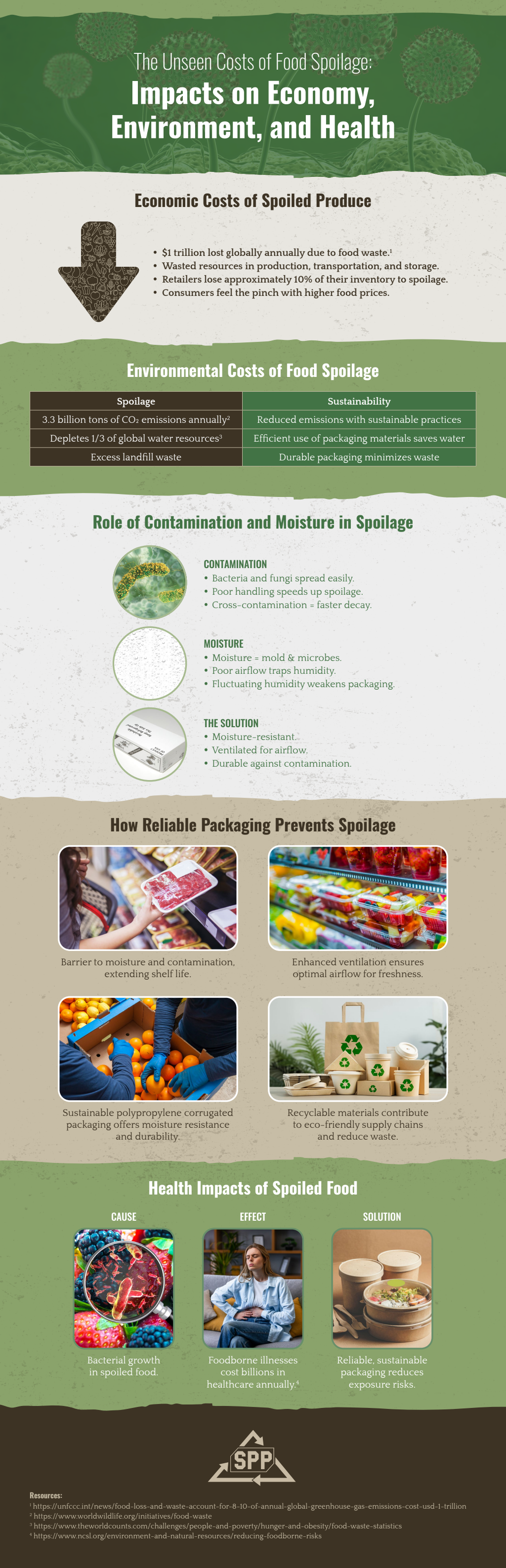
When Food Goes Bad, The Costs Go Far Beyond The Fridge
Food spoilage is often dismissed as a minor inconvenience, but its impact reaches far beyond individual households. Spoiled food represents wasted money, lost resources, and avoidable health risks. Across supply chains and communities, spoilage affects economic stability, environmental conditions, and public well-being. For a lifestyle audience, recognizing these broader effects helps connect everyday food habits with larger consequences that shape society.

Economic Costs That Add Up
Food spoilage creates significant financial loss at every stage of production and consumption. Farmers lose income when crops spoil before distribution. Manufacturers and retailers face reduced margins from expired or damaged goods. Consumers absorb direct costs when food purchased for home use goes uneaten. Over time, these losses contribute to higher food prices and increased pressure on supply chains. Waste-related expenses also divert funds that could support efficiency, innovation, or affordability across the food system.
Environmental Impact of Wasted Resources
The environmental effects of food spoilage extend well beyond discarded meals. Producing food requires water, land, energy, and labor. When food spoils, all of those resources are wasted as well. Food waste in landfills releases methane, a greenhouse gas that accelerates climate change. Packaging materials often end up discarded alongside spoiled food, increasing landfill volume and pollution. Reducing spoilage helps conserve natural resources while limiting emissions tied to unnecessary disposal.
Health Risks Linked to Spoiled Food
Spoiled food presents clear health concerns. Consuming food that has gone bad can lead to foodborne illness, causing symptoms that range from mild discomfort to severe medical complications. Certain populations face a higher risk, including older adults and individuals with weakened immune systems. Spoilage also reduces access to fresh, nutritious food, which can influence long-term dietary habits. Preventing spoilage supports both immediate safety and broader public health outcomes.
Supply Chain Practices and Packaging
Spoilage often occurs due to breakdowns in storage, transport, and handling. Temperature fluctuations, moisture exposure, and physical damage shorten shelf life. Improved logistics and packaging help reduce these risks. Protective solutions such as custom corrugated plastic boxes shield food products during transport, helping maintain quality and reduce loss before items reach consumers. Investments in these areas support efficiency while lowering waste-related costs.
Household Behaviors and Daily Choices
Consumer habits play a major role in food spoilage. Overbuying, improper storage, and misreading expiration labels contribute to unnecessary waste. Simple practices like meal planning, correct refrigeration, and using leftovers more effectively reduce spoilage at home. Awareness of food handling basics empowers households to cut waste without sacrificing convenience or nutrition.
Food spoilage affects economic stability, environmental sustainability, and personal health in ways that often go unnoticed. While the issue spans global systems, progress depends on consistent actions. Reducing spoilage lowers costs, protects natural resources, and improves food safety outcomes. Small changes create measurable benefits over time. Recognizing the broader impact of spoiled food encourages more responsible choices that support both individual households and the systems they depend on every day. For more information on the impact of food spoilage, feel free to look over the accompanying resource below.

The ER Bill You Did Not Expect: Costs That Linger After The Visit
Emergency rooms are designed for urgent care, but many patients leave surprised by the final bill. Beyond the obvious charges for treatment, ER visits often carry hidden costs that affect finances long after discharge. For a lifestyle audience, knowing where these expenses come from can help people make more informed choices during stressful moments.

Facility Fees and Service Charges
One of the highest hidden costs is the facility fee. This charge covers the use of the emergency department itself, regardless of how minor the medical issue may be. Even a brief visit can trigger a substantial facility fee, which is separate from physician services, tests, or medications. These charges vary widely between hospitals and are rarely disclosed upfront.
Physician and Specialist Billing
Many patients assume the ER doctor works directly for the hospital, but that is not always the case. Physicians, radiologists, and anesthesiologists may bill separately. This can result in multiple invoices arriving weeks later. Insurance coverage may differ for each provider, increasing out-of-pocket expenses in unexpected ways.
Diagnostic Testing Adds Up
Emergency departments rely heavily on diagnostic tests to rule out serious conditions. Blood work, imaging, and monitoring are often ordered quickly. Each test carries its own cost, and together they can significantly increase the total bill. Patients may not realize they are paying for every test individually, even if the results come back normal.
Out-of-Network Surprises
Even patients who visit an in-network hospital can face out-of-network charges. Ambulance services, specialists, or contracted providers may not accept the same insurance plan. These charges are often higher and less predictable, leaving patients responsible for a larger portion of the bill than anticipated.
Insurance Deductibles and Copays
High-deductible health plans shift more costs to patients, especially during emergency visits. Deductibles may apply before insurance contributes, and ER copays are often higher than those in other care settings. For some households, meeting these costs at once can strain monthly budgets and delay payment, adding stress to an already difficult situation.
Time and Productivity Costs
Hidden costs are not limited to medical bills. Long wait times can mean missed work, childcare expenses, or travel costs. Recovery time after an ER visit may also affect productivity, especially for those without paid leave. These indirect costs rarely appear on a statement but still impact household budgets.
Alternatives for Non-Emergency Care
Many ER visits are driven by limited access to timely care elsewhere. For non-life-threatening issues, urgent care centers or a virtual walk-in clinic can provide faster service at a lower cost. Knowing these options ahead of time can reduce financial strain while still addressing medical needs safely.
Emergency care is essential, but it is rarely simple or inexpensive. Hidden costs arise from facility fees, separate billing, testing, and indirect losses tied to time and recovery. Awareness of these factors helps patients weigh options and plan, making health decisions that support both physical well-being and financial stability over time, across different life stages, and during unexpected health events that affect families and individuals in meaningful ways.


How Exterior Maintenance Impacts Health And Wellbeing
Maintaining the exterior of a home is often seen as purely aesthetic, but it has significant effects on both physical and mental health. The condition of roofs, siding, gutters, and landscaping can influence safety, air quality, and overall stress levels, while also affecting energy efficiency and long-term property value. Understanding these connections can help homeowners make informed choices that protect both their property and their well-being, creating a healthier and more comfortable living environment for everyone in the household.

Preventing Structural Hazards
Cracks in siding, damaged roofing, or clogged gutters may seem minor but can pose serious health risks. Water infiltration can lead to mold growth, which releases spores that irritate the respiratory system, trigger allergies, and exacerbate asthma. Roof leaks allow moisture to penetrate insulation and ceilings, creating hidden hazards that often go unnoticed until symptoms appear. Regular inspections and timely repairs reduce exposure to these risks and prevent costly damage that can escalate over time.
Reducing Allergen Exposure
Outdoor areas and building exteriors can harbor allergens like pollen, dust, and mold. Overgrown landscaping, accumulated debris, and clogged drainage systems can trap moisture, encouraging mold and mildew growth. Cleaning gutters, trimming plants, and maintaining proper drainage keep these allergens from entering the home and help maintain better indoor air quality. This simple upkeep can reduce sneezing, congestion, and other allergy-related symptoms for residents.
Encouraging Physical Activity
Exterior maintenance tasks such as lawn care, snow removal, and pressure washing provide opportunities for physical activity. Engaging in these tasks can improve cardiovascular health, increase strength, and support flexibility. Even moderate outdoor work stimulates circulation and encourages time in natural light, which has been linked to improved mood and vitamin D production. These benefits show how property care contributes to overall physical well-being.
Supporting Mental Health
A well-maintained home exterior also impacts mental health. Cluttered yards, peeling paint, and visible damage can create feelings of stress, anxiety, and overwhelm. Conversely, a clean, organized, and functional exterior promotes a sense of control and accomplishment. Landscaping that is visually appealing can provide restorative effects, lowering stress hormones and improving focus. Knowing that roofing, siding, and outdoor areas are properly maintained offers peace of mind and reduces daily worry about safety hazards.
Preventing Accidents and Injuries
Exterior maintenance is closely tied to safety. Loose roof shingles, uneven walkways, and slippery steps increase the risk of falls and injuries. Ice, moss, or debris on driveways and porches can lead to accidents, particularly for older adults, children, or pets. Routine inspections and preventive repairs minimize these hazards, keeping residents, visitors, and pets safe while reducing the likelihood of costly emergency medical visits and potential long-term health complications.
Home exterior maintenance connects property care with personal health. From respiratory protection to mental wellbeing and injury prevention, consistent upkeep has measurable benefits. Regularly inspecting roofing, cleaning gutters, trimming vegetation, and repairing damaged structures supports a healthier living environment while preserving property value. Small, consistent actions create a safer, more comfortable, and visually appealing home that benefits everyone who lives there. To learn more, look over the infographic below.


Understanding Increased Volatility In Food Prices
Food prices have become increasingly unpredictable over the last decade, impacting households, restaurants, and retailers alike. Shifts in weather patterns, global supply chains, and market demand contribute to frequent fluctuations that make budgeting and planning more difficult. Understanding the drivers behind these changes can help consumers and businesses adapt to a more volatile food market and make informed choices about purchases.

Weather and Crop Yields
Weather plays a significant role in the stability of food prices. Droughts, floods, and unseasonable temperatures can reduce crop yields, increasing scarcity and pushing prices higher. For example, corn and wheat are particularly sensitive to temperature extremes, which can affect both quantity and quality of harvests. Even minor disruptions in major producing regions can ripple across the globe, amplifying price changes for staple foods and influencing the cost of related goods such as animal feed.
Global Supply Chains
Modern food distribution relies on interconnected global supply chains. Transportation costs, shipping delays, and port congestion all influence the final price of groceries. Increased fuel prices can directly raise transportation costs, while logistical challenges can limit the availability of imported items. This is especially true for perishable goods that require refrigeration during transit. Efficient planning and inventory management can mitigate some impacts, but sudden disruptions often lead to noticeable price spikes and shortages in local markets.
Market Demand and Consumer Behavior
Changes in consumer demand also drive volatility. Seasonal demand, holiday consumption patterns, and shifts toward specialty or organic foods can temporarily raise prices. Additionally, global economic events, such as inflation or currency fluctuations, can affect purchasing power and import costs, further contributing to unpredictable price changes. Consumer trends can magnify supply-side disruptions, creating a feedback loop where higher demand meets constrained availability, amplifying stress on both retailers and consumers.
Livestock and Commodity Strategies
Meat prices are particularly sensitive to both supply and market speculation. Events affecting feed prices, disease outbreaks, or production limits can cause sharp swings in meat costs. Farmers and producers often use financial instruments like cattle hedging to manage risk, which can stabilize income but may influence the pricing that reaches consumers. Understanding these mechanisms highlights why certain protein sources experience more volatility than others and why prices can fluctuate dramatically over short periods.
Reducing Personal and Business Impact
Consumers can manage exposure to food price volatility through careful planning. Seasonal shopping, bulk purchasing, and using frozen or shelf-stable alternatives can help reduce the immediate impact of sudden price spikes. Businesses can also explore forward contracts and supplier agreements to maintain more predictable costs. Awareness, flexibility, and proactive planning are key to adapting successfully to an environment where prices shift frequently.
Food price volatility reflects a combination of environmental, economic, and social factors. While some fluctuations are unavoidable, staying informed about market drivers and adopting practical strategies can reduce stress and financial strain. Both households and businesses benefit from proactive planning and risk management, ensuring stability despite the changing landscape of global food markets and allowing us to make smarter decisions. For more information, look over the infographic below.


Why Waiting To Treat Minor Injuries Can Be Risky
Minor injuries are often easy to dismiss. A twisted ankle, small cut, or minor burn may seem manageable at home. However, delaying care can lead to unexpected complications, prolonged recovery, and higher medical costs. Understanding why prompt attention matters encourages safer choices for everyday injuries.

Hidden Complications
Small injuries can conceal more serious underlying issues. A sprained ankle may also involve ligament tears or small fractures that are not immediately obvious. Cuts that appear minor can become infected if bacteria enter the wound. Even minor burns may cause damage to deeper layers of skin than initially visible. Early assessment allows healthcare professionals to identify these hidden problems before they escalate.
Slower Recovery
Delaying treatment often prolongs recovery time. Untreated injuries can worsen over days or weeks, forcing the body to compensate in ways that may create secondary injuries. For instance, limping due to an untreated ankle sprain can strain the knees, hips, or back. Early intervention helps restore proper alignment, reduces swelling, and supports faster healing, allowing individuals to return to daily activities sooner.
Risk of Infection
Minor injuries like cuts, scrapes, and burns are vulnerable to infection. Bacteria can multiply quickly, especially in open wounds, increasing the risk of redness, swelling, fever, or more severe complications. Prompt cleaning, proper dressing, and evaluation for preventive measures such as antibiotics are essential. In some cases, infections can escalate to systemic issues that require more extensive treatment.
Hidden Costs
Waiting to address minor injuries can also lead to higher medical expenses. Complications from untreated injuries often require additional treatments, imaging tests, or even surgery. Early care can prevent these added costs and reduce time off work. Urgent care clinics provide accessible options for quick evaluation and treatment, ensuring that small problems do not become larger financial or health burdens.
Peace of Mind
Seeking prompt care provides reassurance. Knowing that an injury has been properly assessed reduces anxiety and allows people to follow a clear recovery plan. Professional evaluation also provides guidance on safe activity levels and exercises to promote healing, preventing further setbacks.
Practical Tips for Immediate Attention
Recognizing the need for early care is critical. Any injury that causes persistent pain, swelling, or difficulty moving a limb should be evaluated promptly. Cuts that bleed heavily, appear deep, or show signs of infection also require attention. Burns, even minor ones, should be monitored for blistering, discoloration, or increased pain. Establishing a habit of seeking professional assessment ensures that injuries are managed effectively from the start.
Waiting to address minor injuries may seem harmless, but it can carry serious consequences. Hidden complications, slower recovery, risk of infection, and higher medical costs are all common results of delaying care. Prioritizing prompt evaluation and treatment helps prevent further health issues and supports faster healing. Using resources like urgent care clinics makes early attention practical and accessible, giving individuals confidence that they are taking the right steps to protect their health. For more information, feel free to look over the accompanying infographic below to learn more.
