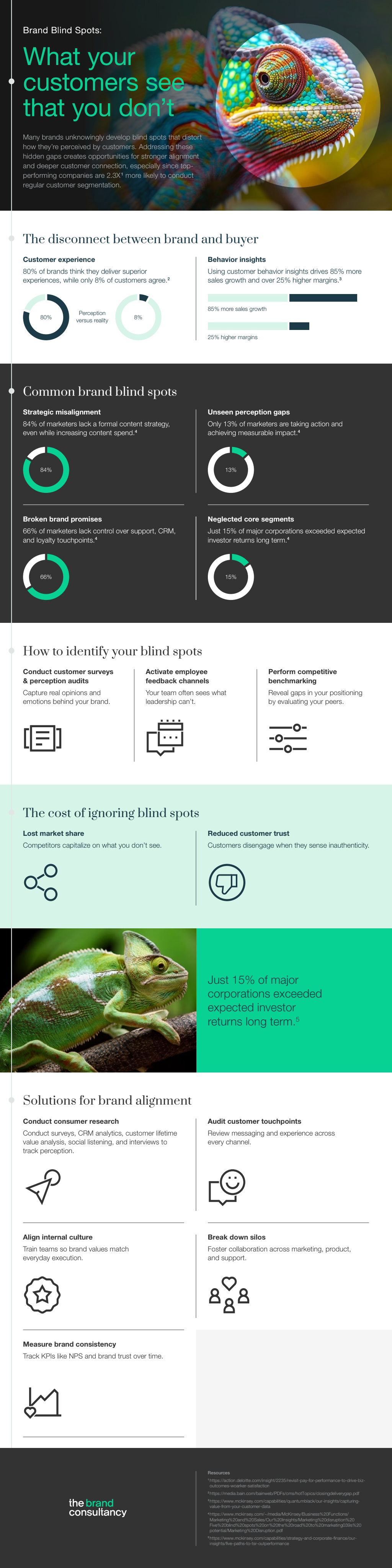
Every business invests time and resources into building a recognizable brand. Logos, messaging, websites, and marketing campaigns all help shape how a company wants to be perceived. Yet customers often experience a brand differently than the people managing it. Familiarity with internal processes can make it difficult to recognize small issues that influence trust, credibility, and purchasing decisions.

Your Brand Is More Than Your Logo
Many companies focus heavily on visual identity, but customers evaluate every interaction they have with a business. A website, customer support conversation, invoice, email, social media post, and product packaging all contribute to the overall impression.
For example, a polished website paired with slow response times or inconsistent communication creates mixed expectations. Likewise, clear marketing messages lose their impact if customers encounter confusing policies or outdated information after making contact.
Internal Knowledge Can Create Communication Gaps
Employees understand their products and services every day, which can make it easy to overlook information that first-time customers need. Industry terminology, technical descriptions, or assumptions about what buyers already know may unintentionally create confusion.
Businesses often discover these gaps through customer questions, support requests, or sales conversations that repeat the same topics. Reviewing website content, product descriptions, and onboarding materials from the perspective of a new customer can reveal opportunities to simplify communication and improve clarity.
Customer Feedback Reveals Hidden Patterns
Reviews, surveys, and direct conversations often uncover trends that internal teams may miss. While a single complaint may reflect an isolated experience, repeated feedback usually points to an area worth examining.
Pay attention to comments about response times, ordering processes, pricing transparency, or overall communication. Positive reviews also provide valuable information by highlighting the aspects of your business that customers appreciate most.
Organizations that regularly analyze customer intelligence alongside feedback and purchasing behavior gain a clearer picture of how their brand is performing beyond internal assumptions.
Consistency Builds Credibility
Customers expect the same quality regardless of how they interact with your business. Marketing materials, sales presentations, customer service, and post-purchase support should communicate a consistent message.
Small inconsistencies can gradually reduce confidence. Different pricing across platforms, conflicting information, or varying service standards may leave customers uncertain about what to expect. Creating documented brand guidelines and reviewing them regularly helps employees deliver a more unified experience across every channel.
Turn Brand Audits Into a Routine
One of the most effective ways to identify blind spots is to perform regular brand reviews. Visit your website as if you were a first-time customer. Test contact forms, read product pages, and evaluate whether information is current and easy to understand.
Ask employees from different departments to share observations, since they often notice issues outside their own responsibilities. Inviting honest feedback from existing customers can also reveal opportunities that internal teams overlook.
Strong brands are built through continuous improvement rather than one-time projects. Regular evaluation helps businesses identify small issues before they affect customer trust, allowing every interaction to reinforce the reputation the company has worked hard to build. Look over the infographic below to learn more.