
In e-commerce, speed isn't just a nice-to-have; it's essential for keeping customers happy and loyal. If your online store is struggling with shipping, you're not alone. Improving your supply chain might seem overwhelming, but breaking it down makes it much more manageable. This guide will show you practical ways to get products to your customers faster, covering everything from smart warehousing to the latest tech tools.
The Need for Speed in E-commerce
Today's online shoppers expect a lot. Big retailers have made fast delivery the norm, so customers now see two-day shipping as standard, not a luxury. Slow delivery can really hurt your sales and brand image. Studies consistently show that how fast you ship is a top reason people decide to buy. If a customer sees a long delivery time at checkout, they'll likely leave their cart and buy from a competitor.
Fast shipping does more than just stop people from abandoning their carts; it builds trust and encourages repeat business. Reliable fulfilment is a major part of achieving success in e-commerce, since customers are more likely to return when their orders arrive quickly and in good condition.
This positive feeling strengthens your brand and turns one-time buyers into loyal fans. On the flip side, a delayed or lost package can permanently damage your relationship with a customer. To stay competitive, you need to build strategies that focus on speed and reliability from the start.
Smart Warehousing Strategies
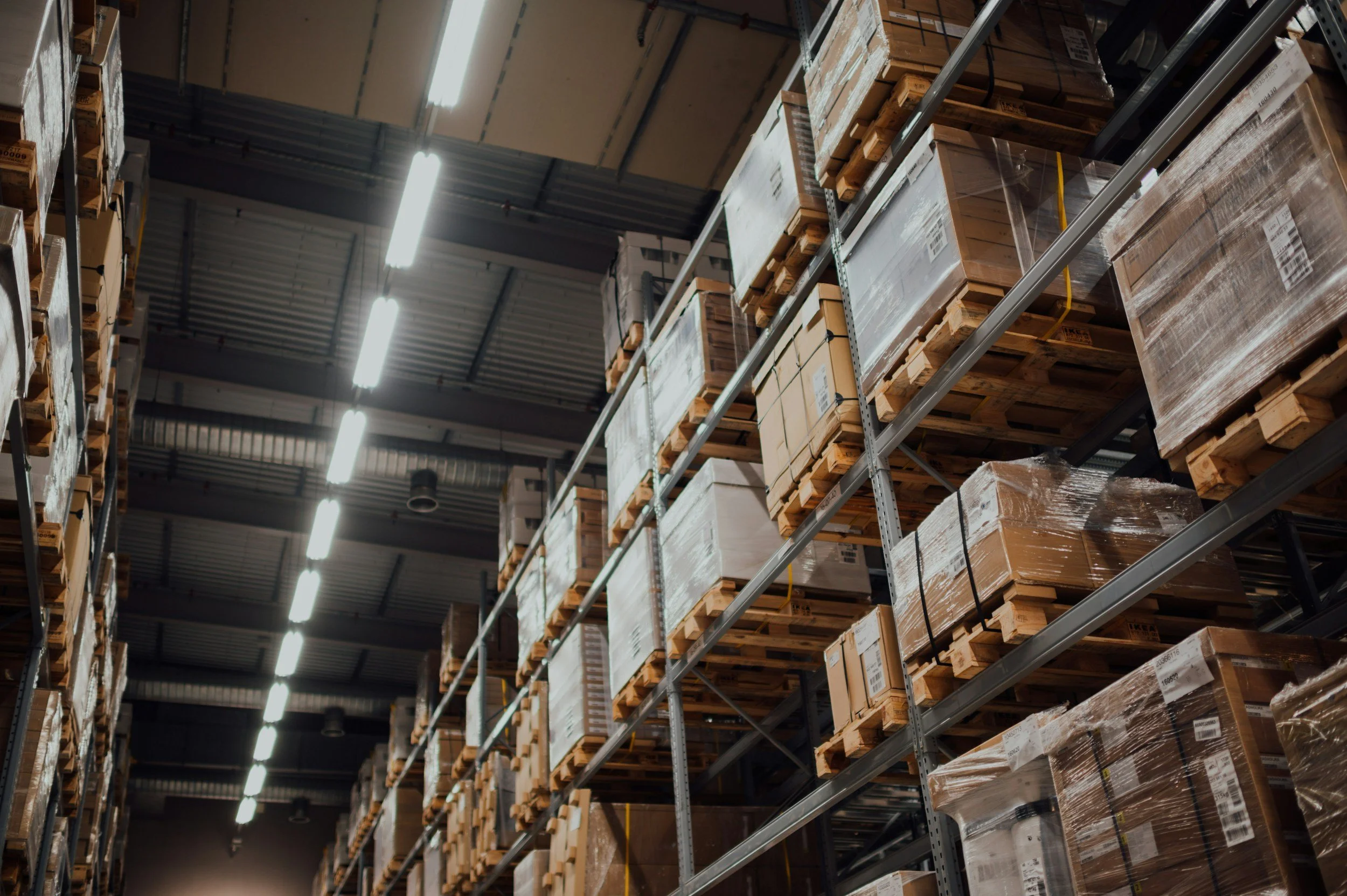
Your warehouse is central to getting orders out, and how efficient it is directly affects shipping speed. A messy or badly located warehouse will create delays throughout the whole process. The trick is to store your inventory smartly so you can pick, pack, and ship orders quickly. One great way to do this is to spread out your inventory. Instead of sending every order from one spot, keeping products in several warehouses in different areas puts them closer to your customers. This really cuts down on how long things take to ship and how much it costs.
This becomes even more important when expanding into new markets. A U.S. business selling to customers in Europe may face long transit times, higher costs, and customs complications if every order ships from the United States. Working with a regional provider such as J&J European Fulfillment allows inventory to be stored, packed, and shipped within Europe, helping businesses offer faster delivery without building their own overseas logistics network.
Beyond location, good inventory management is crucial. You need to know your stock levels at all times to avoid backorders and delays. Using methods like ABC analysis, which sorts products by how much they sell, helps you focus on your bestsellers and make sure they're always in stock and easy to get to. Improving your warehouse shipping operations with a well-organized layout and clear steps for receiving, storing, and picking items will significantly reduce the time it takes to get an order out.
Carrier Optimization Secrets
Once an order is packed, getting it to the customer's door is the final and often most complicated step. Relying on just one shipping carrier can be a costly mistake. Not only does it leave you exposed to their delays and service issues, but it also means you're probably not getting the best price for every package. The secret to faster and cheaper shipping is using multiple carriers.
By working with a mix of national carriers and smaller, local ones, you can pick the best option for each shipment. National carriers are great for long distances, but regional carriers often offer faster and cheaper service for local or last-mile deliveries. For instance, a package going across the country might be best with a major national provider, while an order shipping to a customer in the next state could arrive faster and for less money with a regional service.
To manage multiple carriers effectively, you need technology that can automatically compare rates and transit times in real time. Shipping software can instantly show you the best options when you're creating a label, considering the package's destination, weight, and desired delivery speed. This not only saves money but also ensures you're always choosing the fastest route possible. Don't be afraid to negotiate rates with your carriers as you ship more. The more you ship, the more power you have to get discounts and better service agreements.
Achieving Next-Day Delivery
Offering next-day delivery might seem like a huge challenge for e-commerce, but it's more achievable than you might think. It requires a finely tuned operation where every step is optimized for speed. The basis of next-day delivery is having your inventory close enough to your customers. This brings us back to why distributed inventory and regional fulfillment centers are so important. If your products are already in a warehouse just a few hours away from the customer, ground shipping can often achieve next-day service without the high cost of air freight.
Your internal processes need to be just as fast. This starts with setting a clear cutoff time for orders. For example, you might promise next-day delivery for all orders placed before 2 p.m. This gives your warehouse team a specific window to pick, pack, and hand off packages to carriers for evening pickup. Your picking and packing process needs to be perfect. This includes:
An organized warehouse layout: Put popular items in easy-to-reach spots to cut down on how far your pickers have to walk.
Efficient picking methods: Techniques like batch picking (gathering items for several orders at once) or zone picking (assigning pickers to specific areas) can really speed up how fast you fulfill orders.
Streamlined packing stations: Make sure each station has all the boxes, mailers, tape, and packing materials it needs, so packers don't waste time looking for supplies.
Finally, your choice of carrier is crucial. Not all services can guarantee next-day delivery. You'll need to work closely with carriers that offer reliable overnight services and have late pickup times. Matching your warehouse operations with your carrier's schedule helps you create a smooth workflow that makes next-day delivery a dependable and profitable option for your business.
Tech Tools for Faster Operations
Manual tasks are the enemy of speed. To truly improve your supply chain, you need to use technology that automates tasks, gives you clear visibility, and helps you make better decisions. The right tech setup can turn your fulfillment operations from a money drain into a competitive advantage. At the core of a modern warehouse is a Warehouse Management System (WMS). A WMS is like the digital brain of your facility, guiding everything from receiving and putting away items to picking and shipping. It optimizes the routes pickers take, tracks inventory in real time, and ensures orders are accurate.
An Order Management System (OMS) is another vital tool. It acts as a central hub for all your orders, whether they come from your website, a marketplace, or social media. An OMS automatically sends orders to the most efficient fulfillment location, whether that's one of your own warehouses or a 3PL partner. This automation is key to processing orders quickly and getting them on their way without needing someone to manually intervene.
For businesses ready to take the next step, warehouse automation offers even more speed. This can range from simple conveyor belts that move packages between stations to advanced autonomous mobile robots (AMRs) that bring shelves of products directly to human pickers. Automated packing machines can also create custom-fit boxes, reducing waste and speeding up the final step before shipping. While the initial cost can be high, the long-term benefits in speed, accuracy, and labor efficiency are often well worth it.
By smartly combining these different technologies, you can build a supply chain that is not only fast but also flexible and scalable, ready to meet customer expectations now and in the future.