
The Logistics Chain Reaction: How One Disruption Affects The Entire Supply System
A smooth-running logistics network is rarely noticed, but the moment something falters, the ripple effects are immediate. Every component of the supply chain is connected, and a failure in one area has consequences throughout the entire system. Businesses that depend on timely transportation and consistent supply schedules can find themselves facing mounting costs, delayed deliveries, and operational stress.
How Delays Escalate Quickly
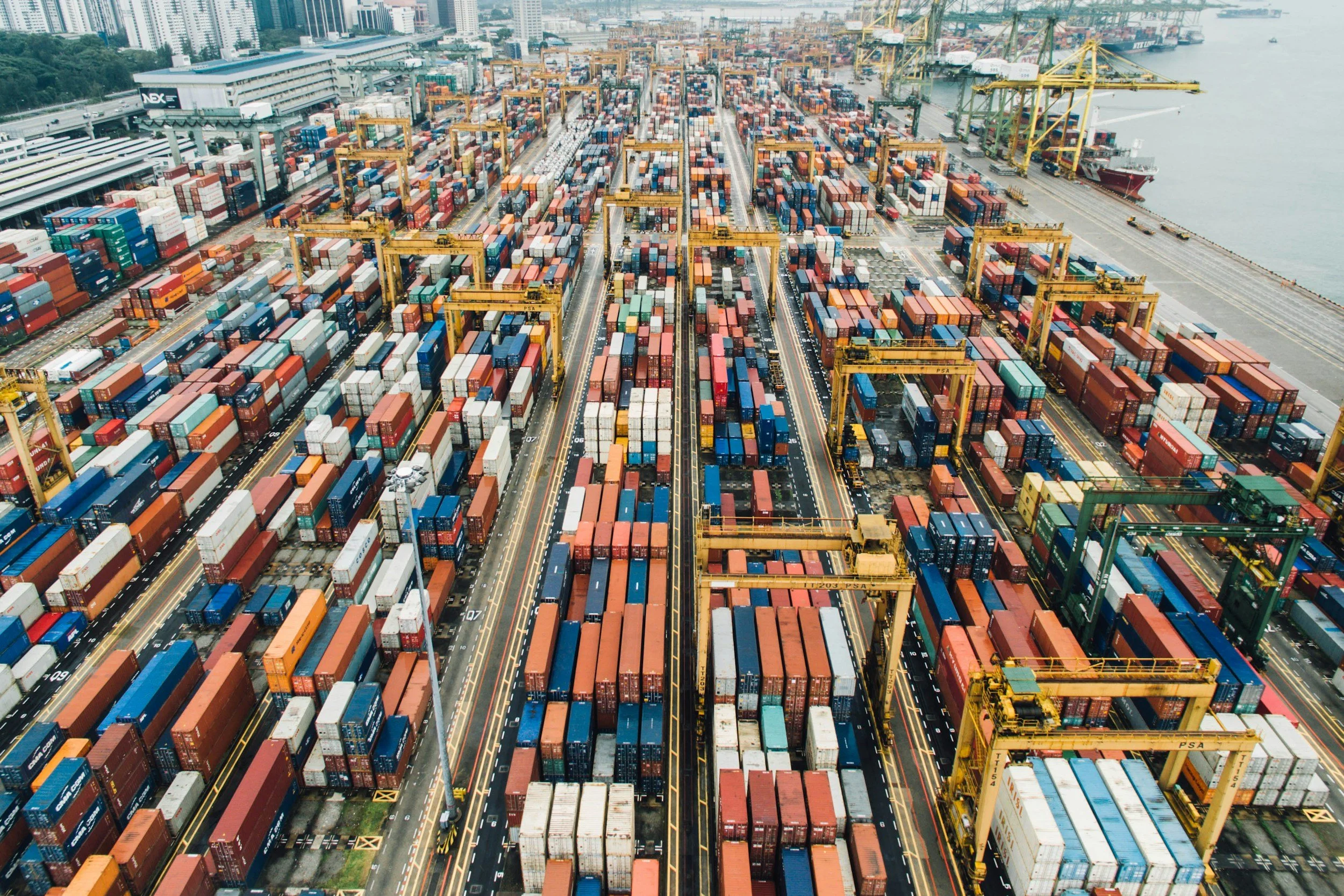
A delay at one port, warehouse, or transportation hub can throw off a coordinated delivery schedule across multiple partners. For example, if a container ship is held up, the trucks scheduled to collect its cargo may sit idle. Those same trucks may have been reserved for another load later that day, which now must be rescheduled. These kinds of timing issues are not confined to isolated companies. Disruptions can affect suppliers, distributors, and retailers alike.
Over time, repeated delays reduce trust across supply partners. Companies may need to order more than necessary or hold excess stock to hedge against potential disruptions. This leads to bloated inventories and increased warehousing costs, affecting financial performance.
Technology Plays a Critical Role
Real-time tracking, warehouse automation, and route optimization software offer businesses a chance to reduce the impact of disruptions. Visibility into the supply chain allows stakeholders to reroute trucks, adjust shipping schedules, and update customers. Predictive analytics also help companies anticipate bottlenecks based on historical data and conditions.
Digital solutions must be adopted throughout a supply network to be most effective. A company using real-time data to optimize deliveries may still be impacted if its vendors or logistics partners lack that same level of visibility. This dependency makes consistent investment in tech adoption critical across the entire chain.
Labor Shortages and Demand Swings
Logistics is not only about trucks and cargo; it’s also about people. Labor shortages continue to affect schedules and reliability. During high-demand periods, limited human resources cannot scale fast enough to meet needs, particularly during peak seasons.
Additionally, demand forecasting remains a constant challenge. Businesses that cannot accurately anticipate customer demand risk over-ordering or under-stocking. With markets shifting rapidly, demand spikes can exhaust transport and storage capacity.
Why the Smallest Changes Matter
The interconnectivity of logistics means that small disruptions can have exaggerated effects. Something as minor as a mislabeling error or a failed part in a conveyor system can cause delays that cost thousands of dollars. That ripple is measurable in procurement cycles, labor shifts, delivery times, and even in how clients perceive reliability.
One key tool that industry analysts use to monitor these effects is a trucking freight rates chart. These charts reflect the market’s response to supply and demand pressures and can help companies adjust their logistics planning. An unexpected rise in rates may indicate trouble somewhere in the supply chain, even if your own shipments are on time.
The logistics chain reaction is a constant risk in today’s global economy. Recognizing how each piece fits into the larger puzzle allows businesses to build more resilient systems that withstand pressure and keep products moving. For more information, look over the accompanying infographic.
