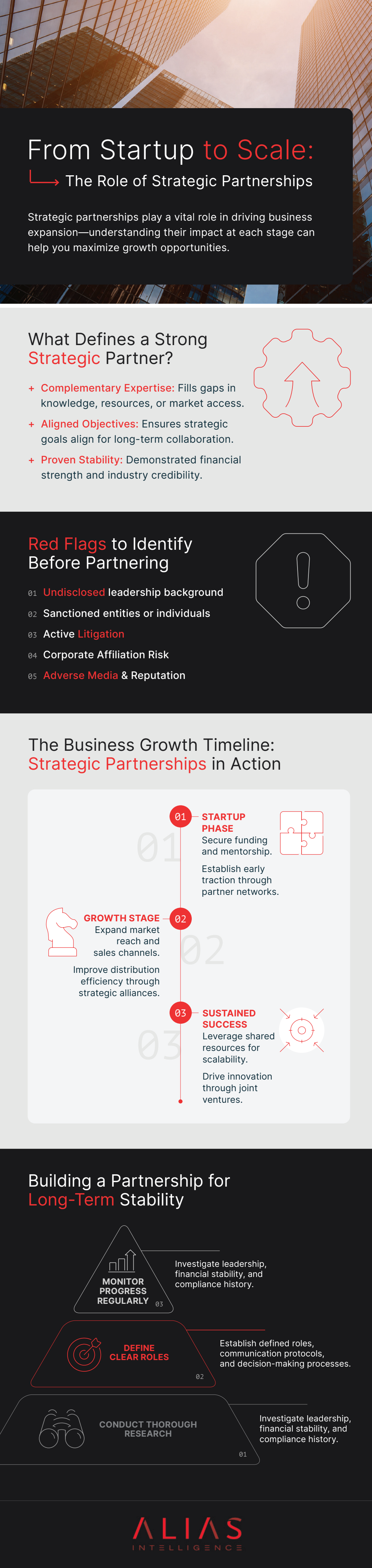
Strategic Partnerships: A Growth Lever From Startup To Scale
Strategic partnerships are often the difference between incremental progress and accelerated growth. For startups, they can provide early traction and credibility. For scaling companies, they unlock operational efficiencies, open new markets, and offer valuable knowledge exchange. The success of these relationships depends not just on shared goals but on timing, alignment, and the ability to adapt as business needs evolve.

Building Early-Stage Momentum
In the startup phase, resources are limited and brand recognition is minimal. Strategic alliances at this stage tend to focus on filling capability gaps and gaining early market access. Partnerships with complementary technology providers, local distributors, or niche influencers can help young companies expand their reach without significant overhead.
However, early partnerships must be carefully selected. An ill-fitting collaborator can slow momentum or distract from core development. Many startups consult due diligence firms to vet potential partners' reputations, financial stability, and contractual track records. This added scrutiny helps prevent future conflict or resource drain.
Strengthening the Value Proposition
As a company moves past initial traction, strategic partnerships shift toward differentiation and scalability. Businesses often look for partners who can strengthen their value proposition through co-development of features, integration with existing tools, or expanded service offerings. These alliances help companies remain competitive in crowded markets.
For example, a SaaS provider might integrate with widely used enterprise platforms to make adoption easier for large clients. A product manufacturer could co-brand with a trusted retail partner to increase shelf visibility. In each case, the partnership serves to reinforce the company’s market position and add practical value for end users.
Supporting Operational Scale
Partnerships also play a key role in operational scaling. Logistics providers, supply chain consultants, and IT service firms can help startups evolve into fully scaled enterprises. These relationships support higher volume, faster delivery, and more responsive service without requiring internal teams to grow at the same pace.
As operations become more complex, companies benefit from external expertise that allows them to focus on their core competencies. Strategic alignment on KPIs, workflows, and communication standards helps these partnerships remain efficient as the business expands.
Risk Management and Resilience
Not every partnership continues to serve its original purpose over time. Businesses must reassess their alliances periodically to determine whether the relationship still supports strategic objectives. This review process includes measuring joint performance outcomes, tracking financial returns, and evaluating market shifts that may affect the collaboration.
Well-managed partnerships include clear exit strategies, shared data access, and mechanisms for conflict resolution. These features make it easier to pivot or dissolve a relationship if conditions change. Regular check-ins and performance reviews also help identify potential issues before they escalate.
From early traction to scaled operations, strategic partnerships offer a pathway to faster, more sustainable growth. They enable companies to reach beyond their internal limits, reduce risk, and access new capabilities without overextending internal resources. With clear objectives and well-structured agreements, these collaborations become long-term assets that grow in value as the business evolves. For more information, feel free to look over the accompanying resource below.