

100+ of My Best Writing Tips
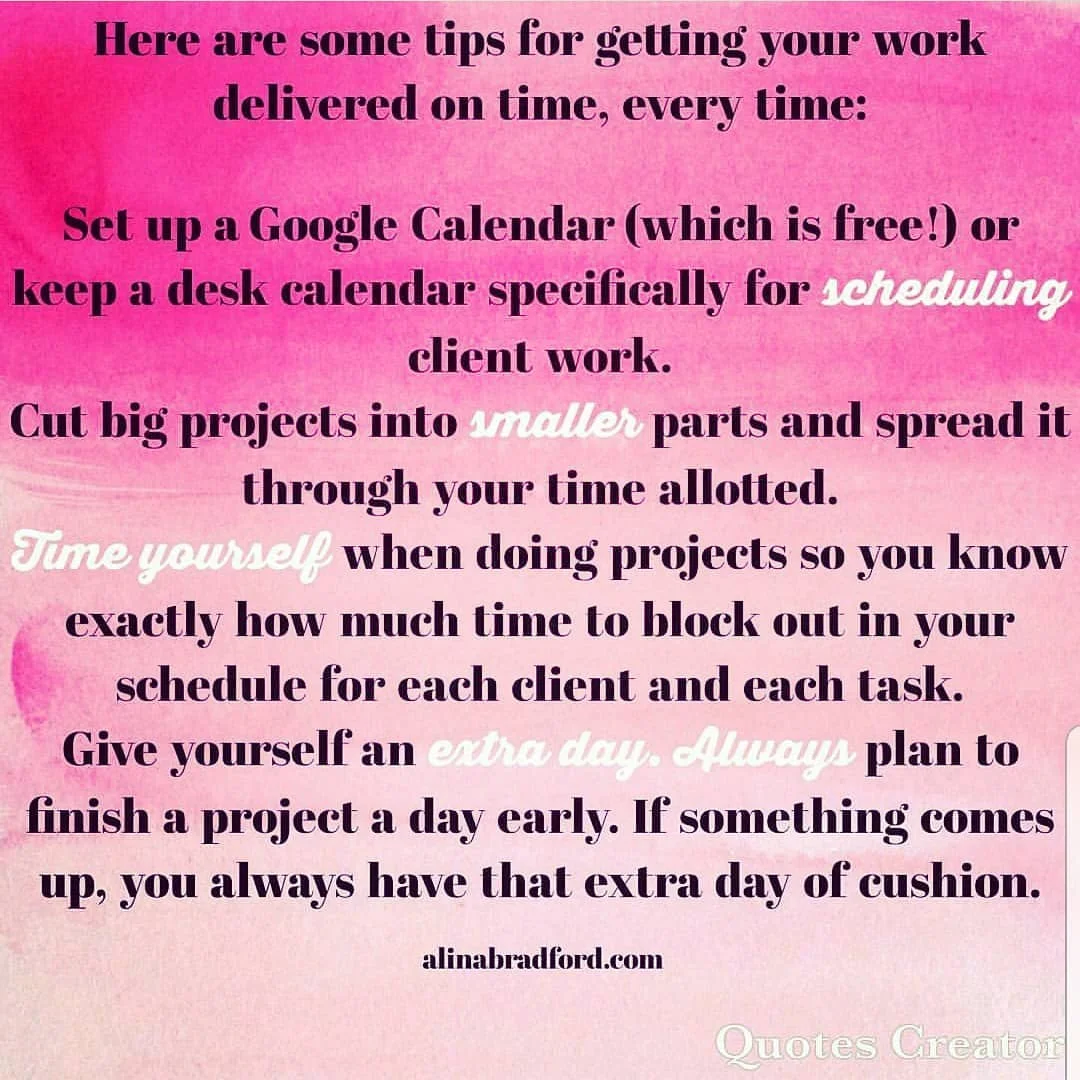
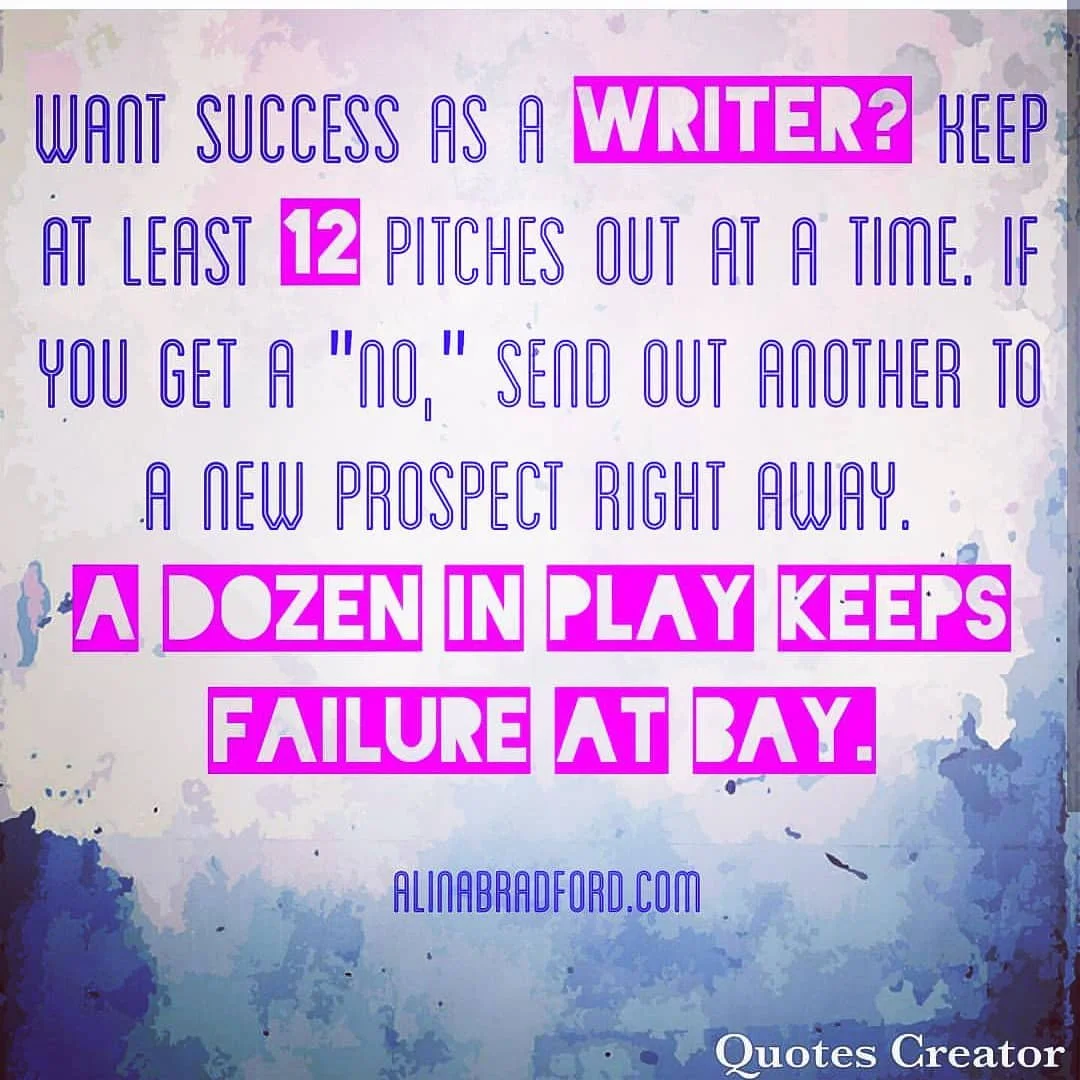
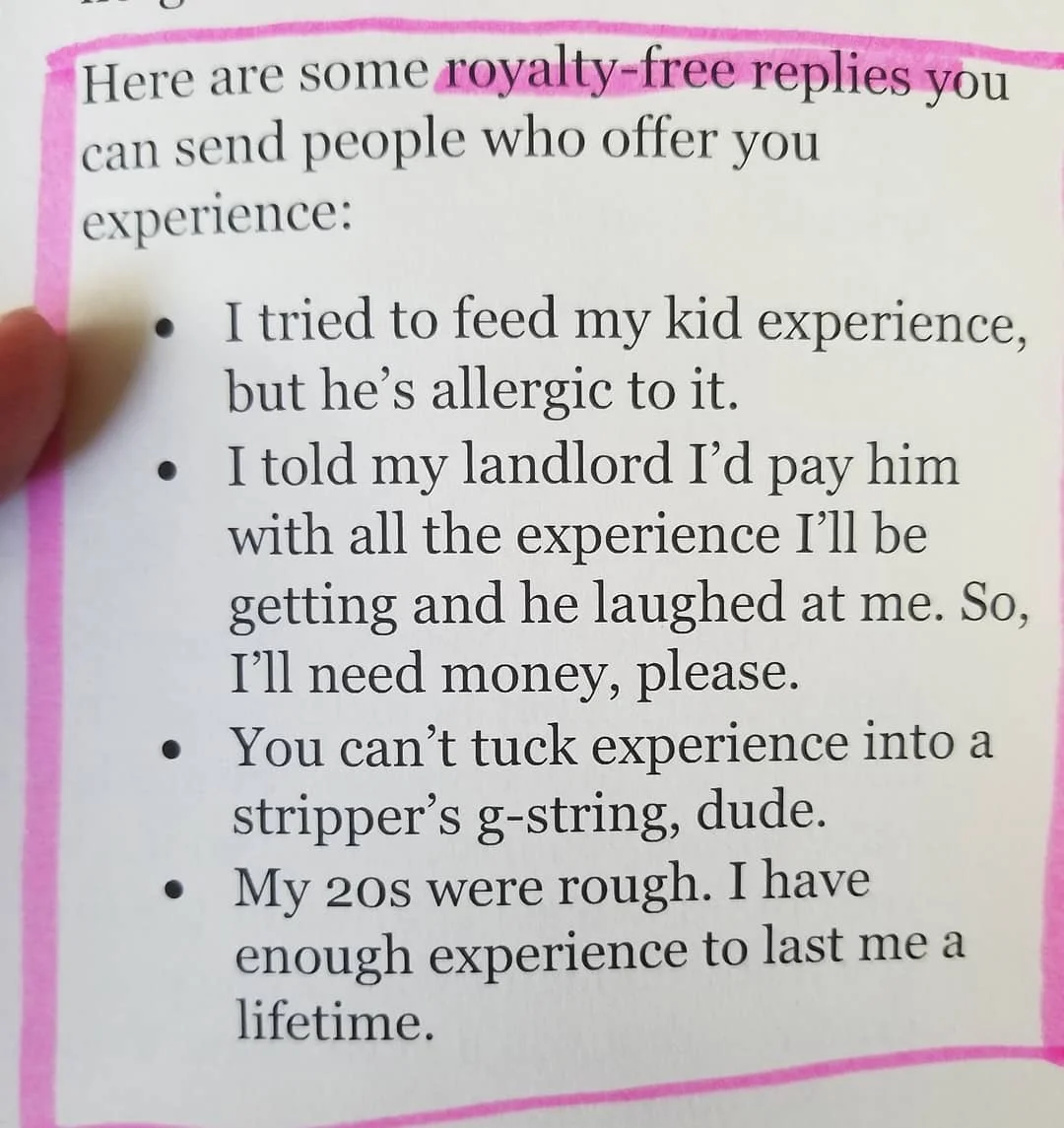
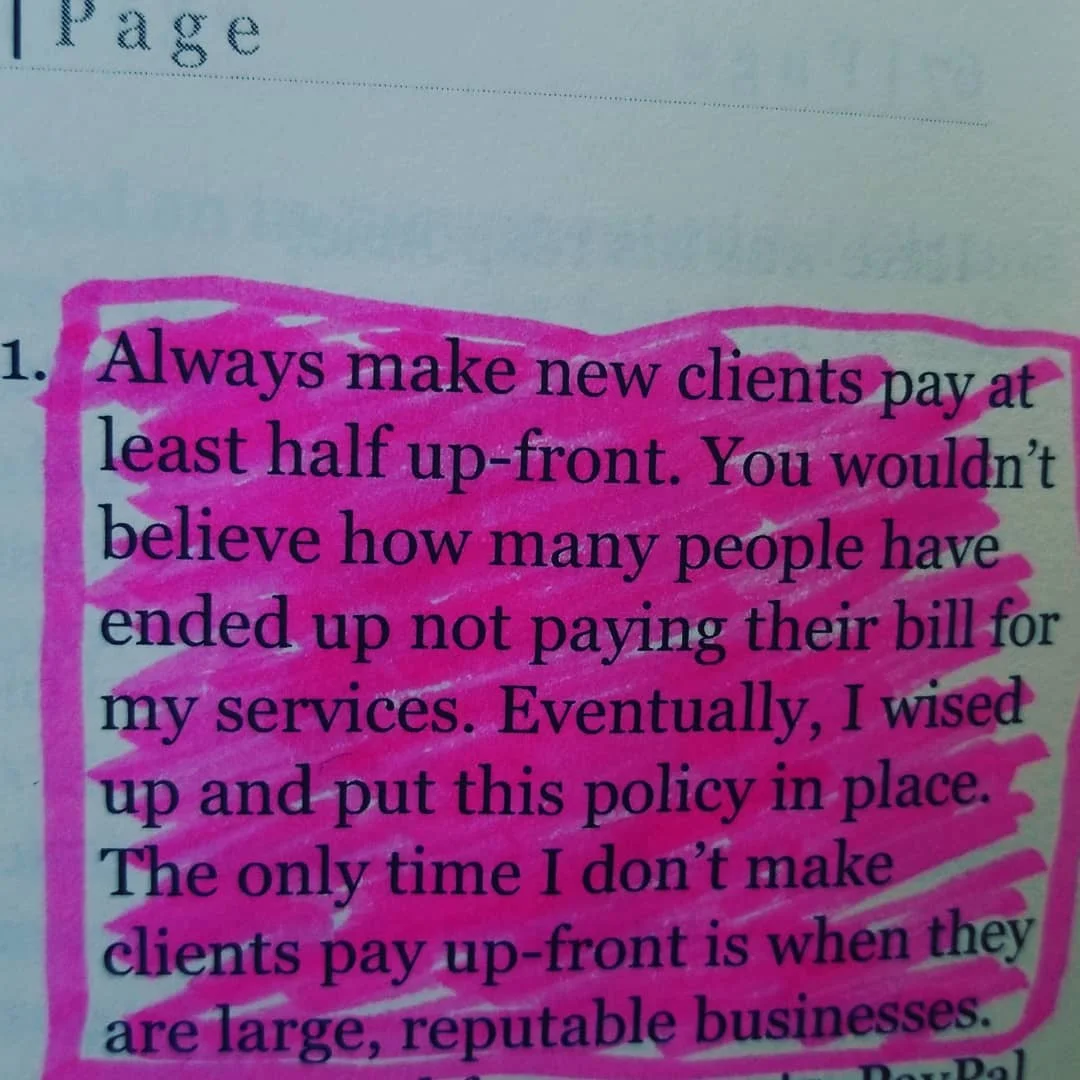
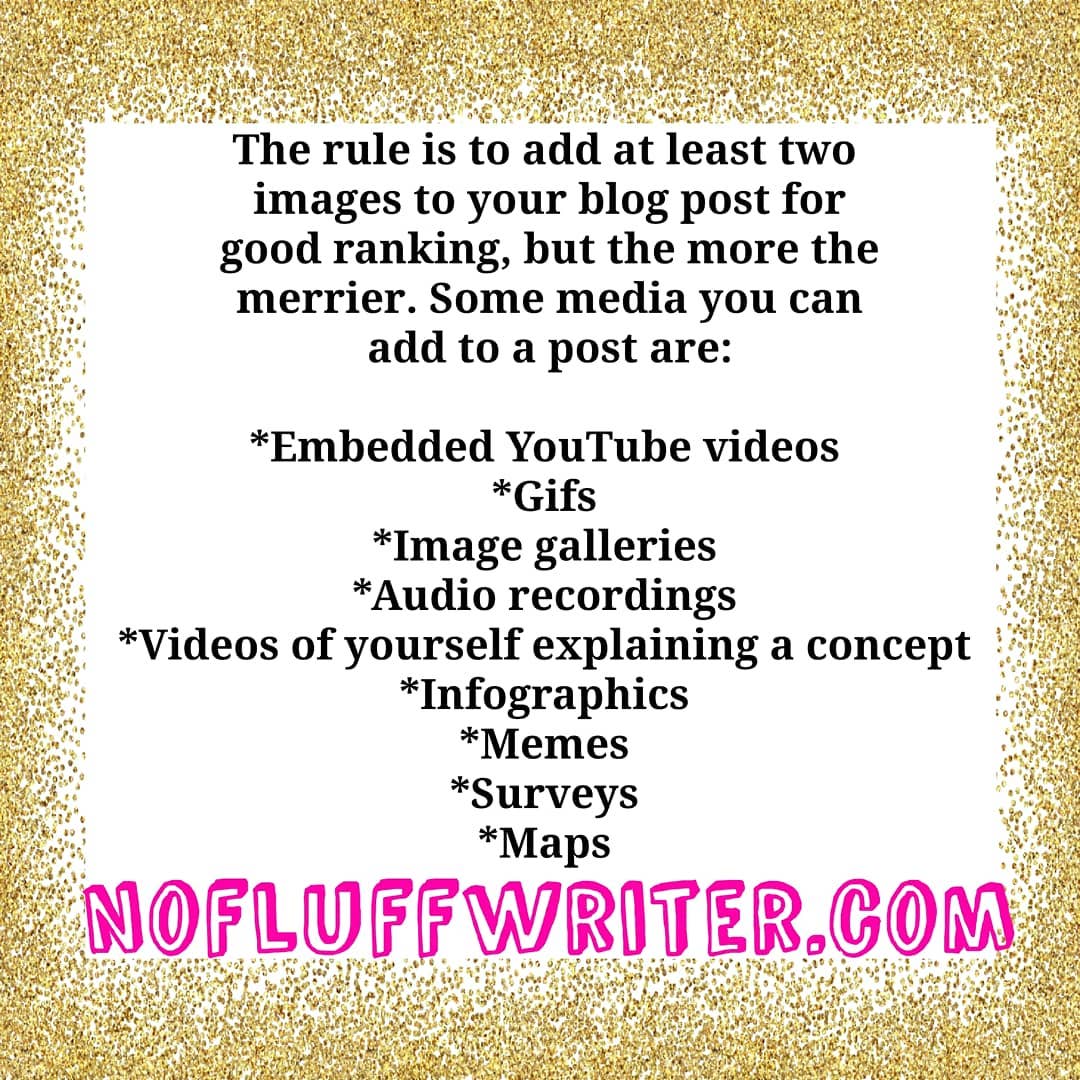
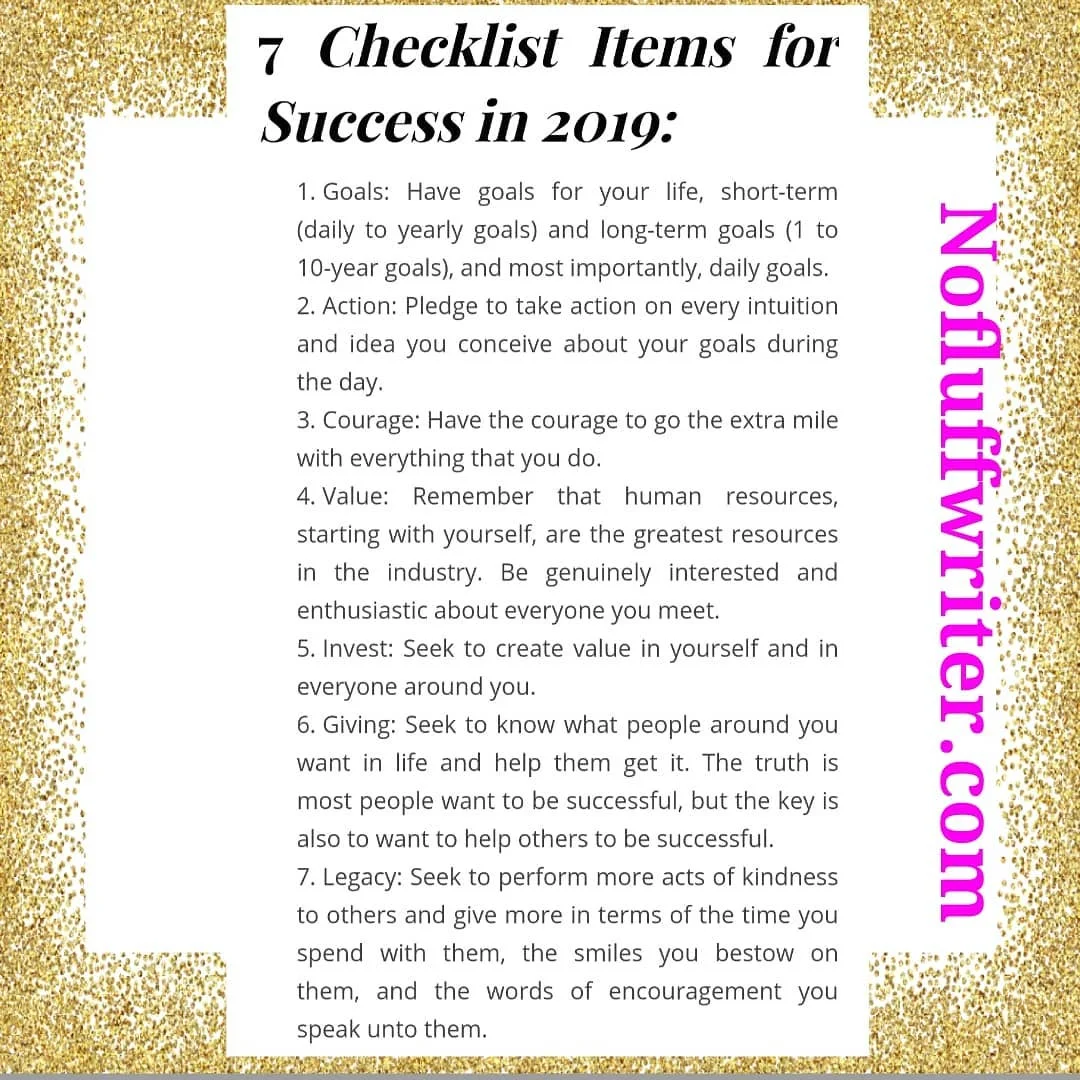
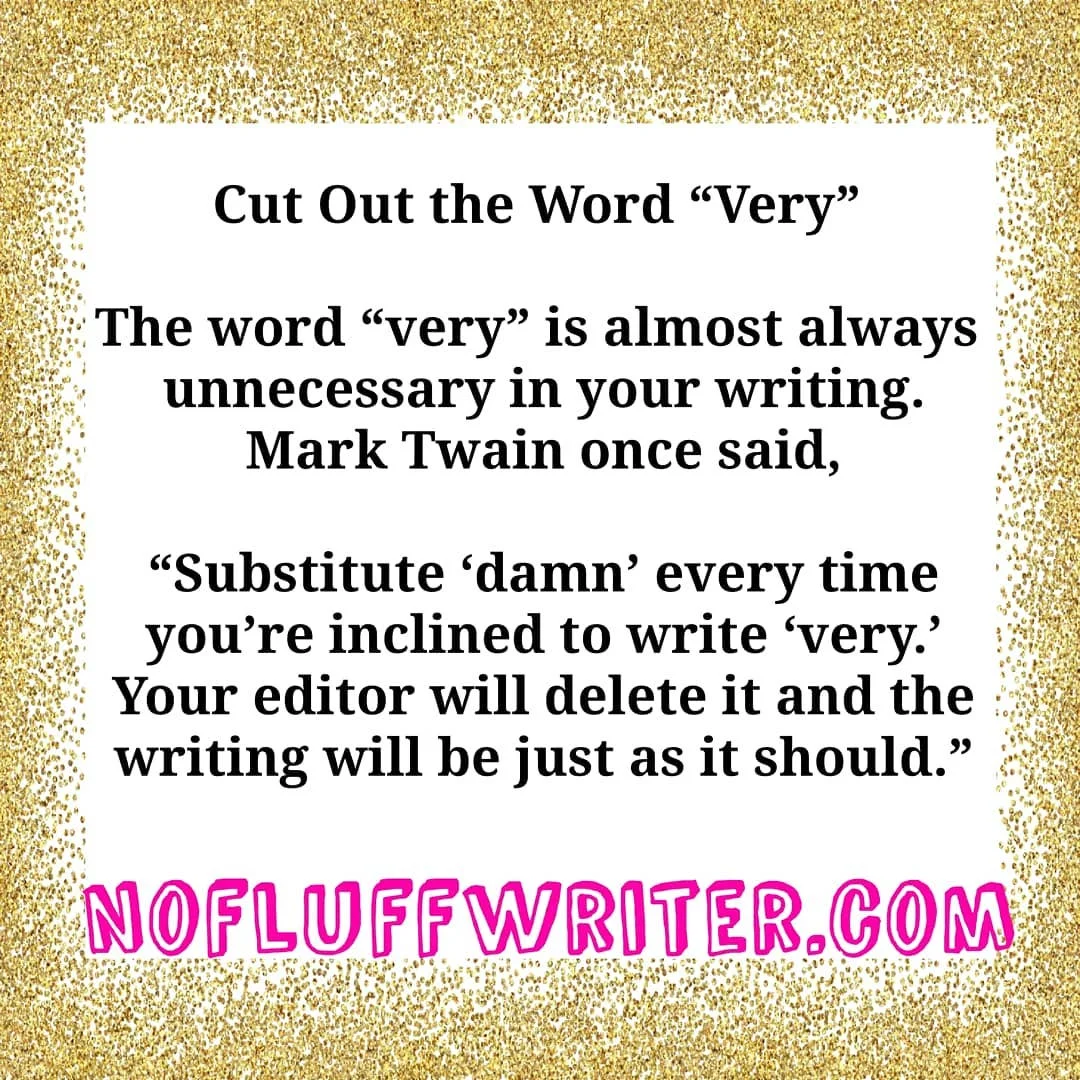
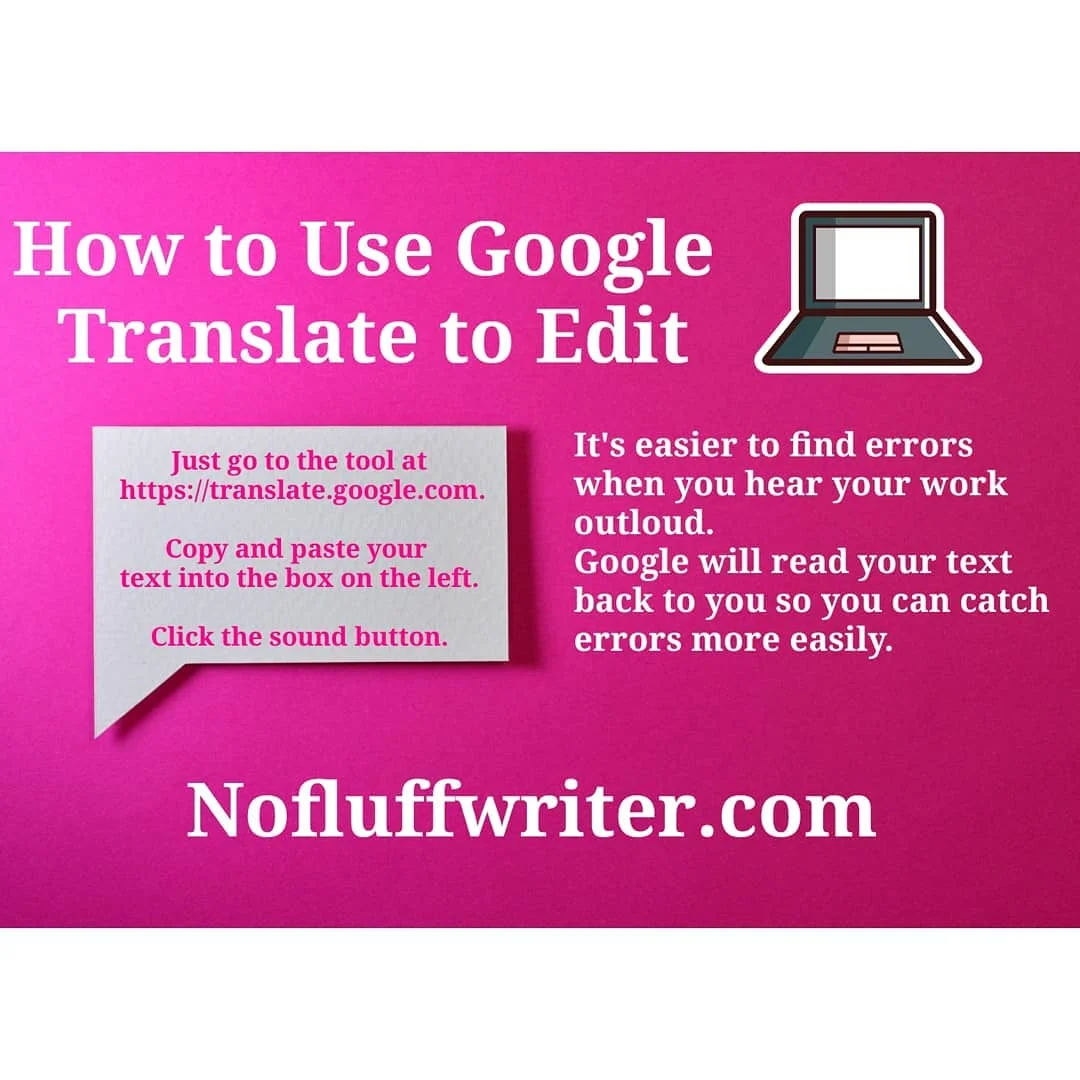
If you haven't been to my Instagram page, you should. I share all kinds of writing goodies there. Here are some of my best tips I've shared.
If you haven't been to my Instagram page, you should. I share all kinds of writing goodies there. Here are some of my best tips I've shared.
























How Yoga Helps Writers During Times of Stress and Constant Sitting
There are poses you can do that will ease the strain on your body from sitting for long periods of time. It also reduces stress, especially through the breathing aspects of the practice. You may even find that you have greater clarity to write more efficiently. Here are some of the ways that yoga can help you with all that sitting and stress.
Being a writer means sitting for long periods of time. You tend to focus to intently on creating content that you don’t sit up properly. It’s likely you spend hours at a time sitting down and typing. This can wreak havoc on your body. When you’re in pain, it’s harder to feel creative and inspired to write. If you have deadlines to meet, this can bring on stress. So what’s the answer?

Incorporating yoga into your daily routine. There are poses you can do that will ease the strain on your body from sitting for long periods of time. It also reduces stress, especially through the breathing aspects of the practice. You may even find that you have greater clarity to write more efficiently. Here are some of the ways that yoga can help you with all that sitting and stress.
How Yoga Helps Release Tension from Sitting
When you sit over your keyboard for many hours, you will probably experience tightness all over your body. Primarily, you hips, legs, neck, shoulder, and back will take the brunt of the pain. The postures we sit in are not ideal as we hunch and put our neck forward. It’s an interesting fact that when you have your neck in that forward position, it sends a message to your flight/flight response letting you know you’re under stress.

There are a lot of negative physical symptoms you’ll experience when the body doesn’t move for long periods of time. So how does yoga help? It targets areas of that tension that is caused by sitting at your desk.
How Yoga Reduces Stress
Being a writer can be stressful at times, especially when you have deadlines looming. Stress that leads to anxiety can wreak havoc on your memory, clarity, and creativity. It’s pretty important that you ensure you remain as relaxed as possible so you can do your job optimally. Within yoga lives a mind-body practice that can help you manage the stress that writing may be causing. You begin to learn to calm the mind and quiet the racing thoughts that prevent you from being productive.

Yoga teaches you to tap into the place between your thoughts where you can quiet your mind and be more aware. This helps you to see that stress is a choice and you don’t have to react to it. Also, the poses release tension which eases the mind as well.
Here are some poses you might want to try. They are designed to both relax you and stretch out the parts of the body that suffer when you sit at a desk all day.
Downward Facing Dog
If you don’t have a lot of time, Downward Facing Dog is the ultimate pose to do in the middle and end of your work day. Honestly, every time you take a break, you should consider going into this pose to counteract the damage of sitting. It stretches and strengthens many areas in the body.

Your hamstrings, back, shoulders and neck get a good stretch. With this pose, you’ll reduce tension in the shoulders. The neck will become relaxed and you send more blood flow your brain. It also helps to stretch out your wrists which can become quite sore from typing all day.
Forward Bend
A Forward Bend is another quick pose you can do quickly while on a break. The hamstrings will get a nice stretch as well as the lower back. It will give you a really nice feeling of release the minute you do it. The pose is good for stress and anxiety. If you choose to hold your elbows, it also gives you a nice shoulder stretch. This pose is also highly effective to bring the blood back to your brain as you go upside down.

Butterfly Pose
The hips suffer greatly when you sit all day. Sciatica problems have become more prevalent in our society because of posture issues. Butterfly Pose opens up your hips and eases discomfort in the sciatic system. The sciatic nerve starts in the lower back and goes down both legs. If you experience pain in these places, the nerve may be getting compressed because of the amount you sit. This pose will help counteract the compression issues and ease the pain.

Cobra Pose

Cobra Pose is a sweet, gentle backbend that lengthens the spine. The spine requires a lot of movement to stay healthy so poses like this are really essential. You also open your chest which helps counteract the hunching over your desk all day.
Breathing for Relaxation
There are a variety of different yogic breathing techniques that will greatly benefit you. Probably one of the greatest benefits is that you can relax the nervous system. This helps prevent the onset of cortisol taking over your body and causing health issues. Cortisol is released when we go through moments of anxiety.

When you sit at a desk all day, the cortisol has nowhere to go and it begins to wreak havoc on the body’s systems. Although it’s a natural chemical in the body that we need in times of fight/flight, if there is too much released, it damages areas of the body. Through yoga and especially the breathing, we focus on calming the nervous system which decreases the levels of cortisol swimming around in the body.
Make the time to do just a few poses a day. You’ll notice a change in how you feel both mentally and physically. It can help keep you calm and it only takes a few minutes. You may want to start a morning yoga routine or even do some relaxing poses before bed. Just commit to a little bit of self-nurturing daily and get on the mat.
About the guest author:
Meera Watts is a yoga teacher, entrepreneur and mom. Her writing on yoga and holistic health has appeared in Elephant Journal, CureJoy, FunTimesGuide, OMtimes and others. She’s also the founder and owner of SiddhiYoga.com, a yoga teacher training school based in Singapore. Siddhi Yoga runs intensive, residential trainings in India (Rishikesh, and Dharamshala), Indonesia (Bali). You can take a look at her website here.
Youtube: https://www.youtube.com/user/siddhiyogaacademy
Instagram: https://instagram.com/siddhiyogainternational
Pinterest: https://pinterest.com/siddhiyogainter
Twitter: https://twitter.com/meerawatts
LinkedIn: https://www.linkedin.com/in/meerawatts

The Freelancer Writer’s Guide to Dealing with Clients
As a freelance writer, for me, the work is easy. It’s dealing with the clients that's hard. So, over the past few years I have developed a strategy for dealing with clients, and ensuring I get paid every time!
No matter how put together you think you are as a business person, one day, someone will come along and make your question your sanity, restraint, and professionalism. As a freelance writer, for me, the work is easy. It’s dealing with the clients that's hard. So, over the past few years I have developed a strategy for dealing with clients, and ensuring I get paid every time!

How to Spot a Scam
There are a lot of scammers out there that would just love for you to write something great for them, and then disappear without paying. You can spot the tricksters with these tips:
They don’t want to tell you their budget in the ad.
Their ad is full of typos.
It doesn’t seem like the person who wrote the ad speaks English very well.
The ad is very vague about what the gig is about or payment.
They try to convince you that your rates are unreasonable and they could get someone else to do it for $3.
They disappear for weeks at a time in-between emails.
Here are some more signs that a client will be a PITA (pain in the ass) or a straight-up scammer.
Get Paid Upfront
This may be the most important thing someone will ever tell you about being a freelance writer: ALWAYS get paid at least 50% upfront. If a client doesn’t want give you money upfront, then give them a hard pass. You never do work on a promise. If you do, there’s a big chance you’ll never see your money.

You don’t go up to Walmart and tell the cashier, “I’m going to take this food home. If I like it I’ll come back and pay you for it.”
“But, Alina,” you say, “this is a service job and you pay for those types of jobs after the work is done.” Yes, sometimes you pay for services afterwards, but many smart contractors, like doctors, dentists, landscapers, janitorial services and such make clients pay a deposit, or don’t let them leave the building without at least paying a deductible or making payment arrangements.
What should you say to a client who doesn’t want to pay upfront? Tell them that your time is valuable. A deposit ensures a place on your client list and in your schedule.
The only exception I make to my rule is when I work for large companies that pays their freelancers and employees once a month through direct deposit and I have a contract stating when the money will be deposited each month.
Get Everything in Writing
You’ll find that most clients want to talk things over on the phone. I avoid this in most cases. It is much better to have everything written in an email so you can refer to it when problems arise. Taking a screenshot of an email and sending it to a client to prove what they said is much more effective than, “But you said on the phone…”

I had one client decide that he wanted a refund, basically for no reason. He filed a complaint with PayPal. Luckily, I had proof that I fulfilled my end of the agreement. All I had to do was send PayPal the emails with the client.
If a client REALLY wants to talk on the phone, open up a new email and summarize everything that is agreed upon in the phone conversation. Then, add at the bottom, “Please email me back with confirmation that this information is correct. Send the client the email with the subject line: Summary of Our Phone Conversation. This basically works like a simple written contract.
Here are some more contract tips for freelance writers.
What to Do if You Don’t Get Paid

Unfortunately, this section will be interesting to a lot of you. When you’re an employee and working for someone else, the roles are clear; you’re responsible for doing your job and showing up on time, while your employer is in charge of making sure you get paid. It’s simple and plain. Too bad it's not always that simple when you’re freelancing.
When you’ve told your client that you’d want some of the payment up front and you receive no payment, the course of action is clear. Just tell your client that you’re not doing the work until the payment has cleared.
If you get halfway through the project and another milestone payment is required and they don't pay, stop doing the work.
Give them a friendly reminder. It could have been an honest mistake and you want to keep a courteous tone if this is the case. One reminder is enough, though. If they don't pay up, then remove them from your client list. You don't need someone who is slow in performing the one duty they have towards you.
I like using the invoicing system through PayPal, because I can open a dispute with non-payers and I usually win.
Avoid Scope Creep
Scope creep is when a client keeps asking for more and more without paying you for the extra work. When you’re coming to an agreement, set limits. Here are some rules to prevent scope creep:
Limit how many times a client can ask for revisions. Two revisions is usually standard.
Set word count or page limits. They want it to be longer? Great, then they must pay more. Let them know what extra pages or words will cost them in your agreement.
Charge extra for graphics, photos, video or any other extras or work it into the price.
If the client wants weekly in-person meetings, put that in the agreement and charge him for it.

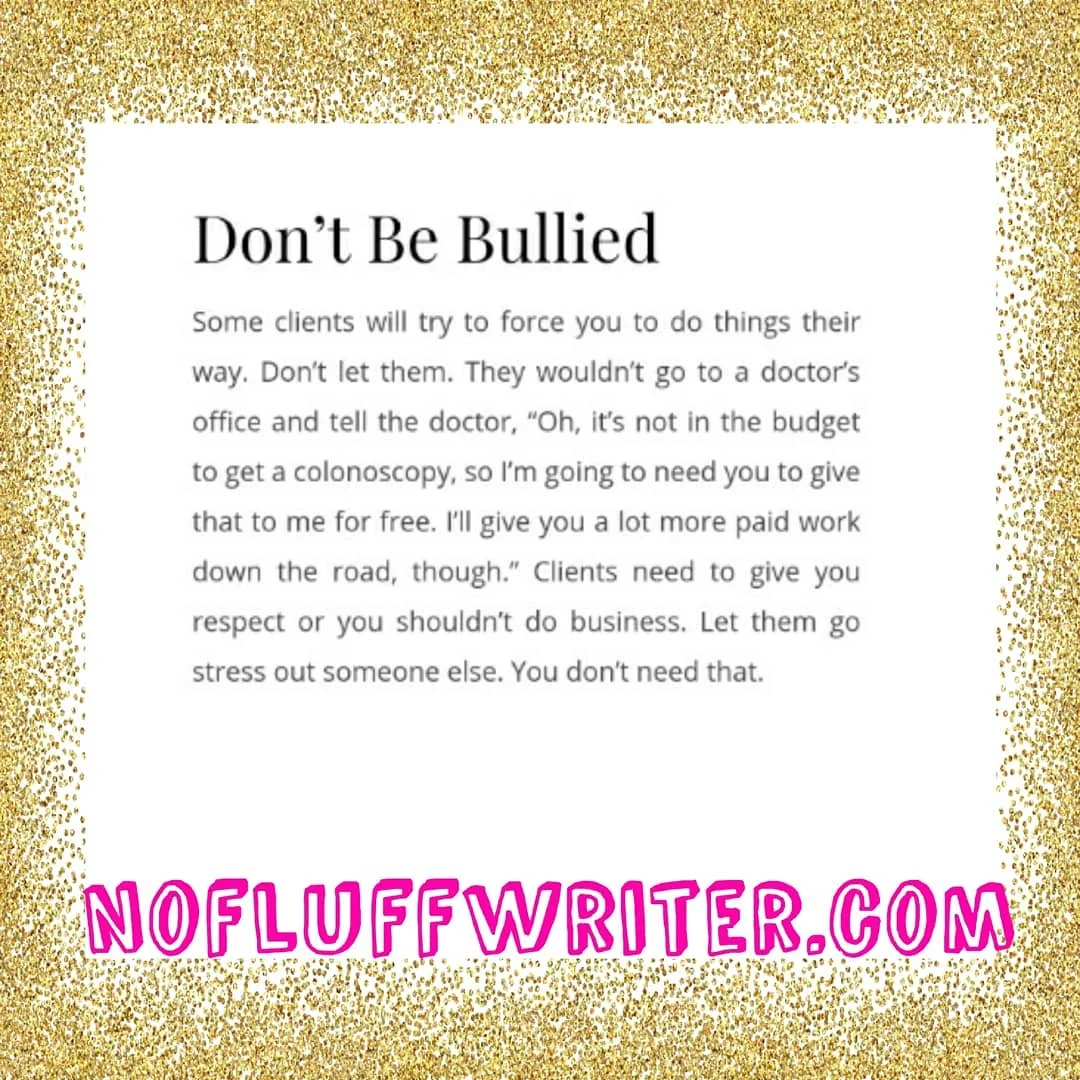
Don’t Be Bullied
Some clients will try to force you to do things their way. Don’t let them. They wouldn’t go to a doctor’s office and tell the doctor, “Oh, it’s not in the budget to get a colonoscopy, so I’m going to need you to give that to me for free. I’ll give you a lot more paid work down the road, though.” Clients need to give you respect or you shouldn’t do business. Let them go stress out someone else. You don’t need that.

Trust me.
The right clients are out there and they are willing to pay you what you’re worth.
Protect Your Work
Always show clients ongoing projects by sending them a link to a Google Doc that is set as “Read Only.” This way, the client can make suggestions, but won’t be able to steal the work without paying. When a final payment is made, simply unlock the document.
Be Professional

My last advice deals with how you present yourself as a professional. The better you are at building an image of yourself as proper, polite and experienced in the work you do, the higher your chances are of getting high-paying, trustworthy clients.
Stay polite and professional, build an online reputation with loads of great reviews and showcase a solid network of other professionals - it will scare those amateur clients away.
Need more tips on getting great freelance gigs? Grab my No-Fluff Freelance Writing Starter Pack. It has everything you need to become successful as a writer.

Be More Productive: Stop Writing To-Do Lists
You were busy all day, but you didn't seem to achieve anything that you set out to do. Talk about a knock to your self esteem, am I right? That's why I've declared no more to-do lists! Insead, try doing I-did lists.
It’s time to nix the to-do lists, writers. They are holding you back. Want to be more productive? Stop making lists that make you feel bad.
Have you ever written a to-do list and at the end of the day discovered that you checked off maybe one thing on the list? You were busy all day, but you didn't seem to achieve anything that you set out to do. Talk about a knock to your self esteem, am I right? That's why I've declared no more to-do lists! Insead, try doing I-did lists.

How to Start an I-Did List
A to-do list is basically a list of things you need to do, right? Well, an i-did list is the opposite. It's writing down things that you've accomplished as you do them. All you need is one task to get the ball rolling. Then, throughout the day, keep writing down tasks you've completed.
For example, here's my I-did list for today, so far:
Answered emails
Cleared out old emails
Did my social media posts
Updated my SEO strategy (Thanks Kate Toon!)
Posted an article to alinabradford.com
Edited a client article
Wrote an article for alinabradford.com
Posted a high-paying job to the No-fluff Facebook Group
Helped my daughter send off a letter to her cardswap buddy
Checked business stats
Gathered up the recycling
Found my portable keyboard
Cleaned up the office floor
Caught up with my Mom
Tidied up the bathroom
Put away some laundry
Now, if I hadn't made my I-did list, I would probably look back on this day and think of all the things I didn't do (like work on my new book) and feel like a lazy twit. Just one look at my list, though, tells me that I did a lot of things and was far from lazy.
The Beauty of the I-Did List
By making a list of things you already did, you can actually see that you're making progress in life. Not only does that boost your self esteem, it also triggers your memory. While you're writing down things you did, you'll think of other things to do. As you think of the things, do them, write them down and move onto the next thing. You'll be more productive and you'll end up coming up with some creative ideas to solve problems you're handling, just because you don't feel pressured.
Trust me. It's like magic.
I challenge you to make an I-did list everyday for the next three days. Tell me how it went in the comments!

Guide to Writing Niches: Yes, You Need a Niche, Freelance Writers
Here’s everything you need to know about freelance writing niches.
This is by far the biggest question I get from writers: “Do I need a niche?” Umm, yes. This usually makes at least a few people mad. “Why should you limit yourself!? You’re just limiting your income by having a niche!”
Please, have a seat.
I struggled to get paid what I was worth for a long time as a freelance writer. You know why? Because I was a generalist. I would write about anything. When someone asked me what my specialty was I would say, “I can write anything!”
*Insert the sound of a deflating balloon here*

Yah, potential clients don’t want to hear that you write about all kinds of things. They want to know you specialize in their category. They want to know they’ve hired a writer that knows industry terms and sounds like they genuinely know what they’re talking about.
Why Clients Want to Know Your Niche
Okay, think about it this way… You wouldn’t hire someone to paint your car if their sign says, “We can paint anything!” No, you’d want someone who has years of experience painting cars so you know your vehicle will come out looking shiny and flawless.
Picking Niches Changed Everything
Eventually, I wised up and focused on three topics: DIY, health/science and tech. Know what happened when I finally pick some niches? I quadrupled my freelance income.

freelance life
How to Pick a Niche
Picking your niche isn’t as overwhelming as it may seem. All you really need to do is think about what you like writing about. This is the most important thing. Remember, you will be writing about this topic day in and day out, so you better enjoy it.
Here are some ideas to get you started:
Do you love researching the latest scientific discoveries? Then you may be a science writer.
Can’t wait to write about the latest iPhone? You may be a tech writer.
Adore sharing tips on eating healthy? You may be a diet or health writer.
Do you like to build or fix things, then write about it? You’re probably a DIY writer.
Have the need to share your parenting tips with the world? You could be a parenting writer.
Feel the overwhelming urge to talk about movies or the latest Hollywood gossip? You’re probably an entertainment writer.
Do you know the difference between post modernism and expressionism? You may like being a fine art writer.
Does doing your taxes or following the stock market give you a high? You might be a financial writer.
Were you a marketer in another life? Copywriting or content marketing may be for you.
Do you love correcting someone’s grammar more than you love writing? You’re probably better suited as a copyeditor.
Pro tip: Perusing job lists (like the ones I post every Monday and Wednesday on this blog) can give you a feel for what kinds of content people are looking for and may even give you some ideas for your niche.

choosing a niche as a freelance writer
Don’t Get Too Narrow, Though
While you’re narrowing down your niche, remember not to get too specific. A broad category will allow you to find ample work, while still anchoring you as an expert.
For example, "tech writer" is nice and broad. This niche label lets me write about anything under that enormous umbrella, including tablets, phones, computers, home hubs, self-driving cars and home security. If I picked tablet writer, though, my niche would be so narrow I wouldn’t be able to find much work. Plus, I would get bored very quickly!
Your Assignment
Now, I want you to go sit down with your trusty notebook and write down all the things you like to write about. Then, choose no more than three to be your specialty.

Be a Niche Spy: How to Write Authoritative Copy For Niche Clients
Freelance writers, particularly when they’re just starting out, will often take any paying clients that happen to come along. This means that occasionally you’ll need to write for a business that occupies an extremely narrow niche, that you have very little experience with. Obviously, this makes writing consistently high-quality content a little harder than it would be with more conventional clients. Here’s some of the best advice for writing for these niche clients…
Educate Yourself
If you want your work for a niche client to be as fitting and effective as possible, you need to strive to make yourself an expert in that given niche, or at least as close as possible without having to scramble to meet your deadline.

Researching and reading some publications tied to that specific industry is usually the best way to start, as it can introduce you to industry-specific terms which will give your content a potent sense of authority. For example, if you were writing for a company that sells diesel generators, you wouldn’t be able to write a competitive piece of content while sticking to a conversational, generic blogger’s style. The tone would need to be a little more formal and a lot more technical.
You should strive to educate yourself about any product or service you write about, and this is even more important when it comes to niche clients.
Examine Larger Competitors’ Content Strategy
Your clients are going to want unique content that hooks readers and sticks in their mind. One of the best ways to draw inspiration is by taking a peek at the business’s larger, more successful competitors. You can easily find them by googling the industry. The top results are usually the best in the niche.
Pretend you're a corporate spy.

Okay, don't do anything illegal. Just head on over to their website and take in their copy, their style and their tone. You're going to want to mimic it to a certain extent. To prevent being too copycatty, take a look at several different competitors and look for similarities. This is what you want to incorporate into your approach with your client's copy.
There will also be some competitors who are running a notably worse content strategy, which can be just as important to research and understand. No one’s going to give you their Google Analytics password, no matter how nicely you ask, so you’re going to need to apply a little detective work to see how content is performing. Take a look at their social engagement on social media (how many likes they get, how many comments, how many shares). If they are doing things right, they should have tons of engagement. If not, try to figure out what they are doing differently than their more successful competitors.
Also take a look at their SERPs, and comments on the posts themselves to gauge how a given piece of content is being received by your client’s target audience. Most importantly, as with anything creative, you should be combining different elements that seem to be working, all the while thinking about some way you can make your content stand out.
Write for the Target Niche Audience
Like I said before, when writing about certain niche businesses, it can be smart to include a few specialised phrases and pieces of jargon that will assure the reader that you know what you’re talking about. Having said that, if you write like a professor in a given field, and use too much specialised language, you could risk alienating the readers you’re trying so hard to attract.

It’s all about getting the balance just right. If the company you’re writing for targets B2B clients, then you should write according to the basic knowledge of these people, without getting too complex and trying to sound too clever. If a prospective customer has to keep opening a dictionary in another tab just to figure out what your content is actually saying, they’re not going to stay on the page for long!
Want more tips on becoming a successful freelance writer? Read my book:
The Fluff-Free Freelance Writing Master Course: The only course that gives you concrete, actionable information to building a successful freelance business without any fluff.

Easy Steps to Writing a Blog Post in Just Minutes
Time is money, especially when you’re a writer. Here is your step-by-step guide to writing blog posts faster and better than ever before.
I’ve been in the game of content creation for, well, a bunch of years. One thing that I’ve learned well is how to write a blog post and write it quickly. Hey, when you’re getting paid by the post, you learn how to be fast!

Forget about the font!
So, I thought I’d share with my readers my tips for going from an idea to a published post in less than 60 minutes. Got those timers ready? Get ready. Get set. Go!
Figure Out Your Topic
Don’t know what to write? Take a look at what others in your field are writing about to brainstorm some ideas using BuzzSumo. Here is a more traditional way to brainstorm, too.
Time: 5 to 10 minutes
Do Your Research
You’ve got a fantastic idea, but don’t start typing yet. First, plug the topic into Google’s Keyword Planner to decide which keywords will be best for your post. Don’t get too caught up in picking, just choose a couple that have low or medium competition, but have high monthly search (over 20,000 searches is ideal).
Time: 5 minutes
Summarize Your Content
To make the writing process as fast as possible, summarize the different parts of your post you want to talk about and then use them as your H2 headers.
Time: 5 minutes

Get to it!
Fill in the Blanks
Now that you have your headers, fill in the blanks until you talk about everything you wanted to cover in the post.
Time: 15 to 20 minutes
Finish Up Writing Your Blog Post
Now, write the intro, the closing paragraph and the call to action. Once you have those wrapped up, don’t forget to write a meta description.
Time: 10 to 15 minutes
Add Some Multimedia
Add some flash (and some search engine love) to your post by adding some media. Search for free content or create your own using:
PhotoPin for Creative Commons photos
Creative Commons for Creative Common photos
NVD3 for charts
Mapbox for maps
ClipSafari for clip art
Survey Monkey for surveys
Office Sway for presentations
Pond5 for historic media files
GetEmojis for emojis
Time: 10 minutes
That’s all there’s to my process. Pretty simple, huh? Trust me, once you get the hang of it, you can crank out blog posts in just 15 to 30 minutes without breaking a sweat!
Need some tips on writing better content or becoming a content writer for hire? Read my book:

The No-Fluff Guide to Starting a Blog
Ready to make the leap? Here’s how to get started.
While you may not go viral and earn millions from your blog, it is still a great tool. Blogging is one of the best ways to grow a portfolio and a following as a writer. It takes time and dedication, but I promise you it’s not a waste of time.
Ready to make the leap? Here’s how to get started.
how to make your blog awesome
Where to Start
Before you can do anything else, you need a blogging platform. If you don’t want to fuss with setting up your own blog, Medium is a good place to start. Blogger also offers a free blogging platform. Though these sites help you get started for free, they offer very little freedom. Setting up your own site with its own domain name is usually a better option. I’ve found SquareSpace to be affordable and very easy to use. They also have a lot of free website templates for those of us that know nothing about web design. (No, they aren’t paying me to say that.)
Set Up a Home Office
When you're working from home, it makes sense to set up a good office space. A space of your own means you're comfortable and can stay productive- once you're at your desk you know, it's time to get down to work. Having a separate office also helps you to maintain a good work/ life balance which can be tricky when you're working a significant amount of time from home.
If you have a spare bedroom, give it a coat of paint and kit it out with a sturdy desk, an office chair, some shelves and some storage. You could finish with some fun accessories and personal touches that make the room feel pleasant to spend time in.
Here are some tips for setting up a home office.
Clear, Beautiful Images
Your content is important, and the words you write will keep a reader coming back for more. But it’s the images you use that will draw them in and will bring your words to life. It's the photos that will make your blog and blog posts look visually appealing. If you run the kind of blog that reviews products, you will need clear, high-quality images of whatever you’re talking about. If you write about lifestyle or travel, you will a good camera to be able to take beautiful, stunning shots of the places you visit.
A good quality camera such as a DSLR is a good investment as a blogger. These can be complex, but Skillshare has some great low-cost classes that you can take to learn how to use one.
A good understanding of Photoshop or other editing software is useful too, so you can enhance your images and make them the best they can possibly be.
Good stock photos are important, too, for times you can’t take your own photos. Here’s a list of all the places you can get free images and graphics for your blog:
20+ Free Ways to Get Photos and Multimedia Content for Blog Posts and Articles
A Nice Layout
Cluttered blogs with ads everywhere, messy presentation, cheap looking fonts in poor styles and colors and the cardinal sin, background music playing, can all put off a reader. You might feel like your content is the only thing that truly matters, but unfortunately, no one will read what you have to say your blog has an unpleasant aesthetic.
If you've tried designing your blog yourself you could be putting people off in all kinds of ways. Your best bet in this case is to either use a premade template or find a web designer.
Improve Your Domain Authority
Your domain authority is something that sponsors will be looking at when they're searching for blogs to work with. This is a metric devised by Moz which shows how much authority your blog has online.
Lots of different factors make up your score, some of which you can’t directly influence (such as your website's age) but one thing you can do is get as many backlinks as possible. This is where you get your link onto good quality websites, and the main way you can go about it is by offering guest posting. The website owner gets some good quality content, and you get to include your link. You could also speak to a network of bloggers and ask if they would be willing to swap links with you which is a quick and easy way for you all to gain some backlinks.
Another thing you can do to boost your domain authority is to get rid of any broken links and within your site. Use a broken link checker and go through and remove anything that no longer works.
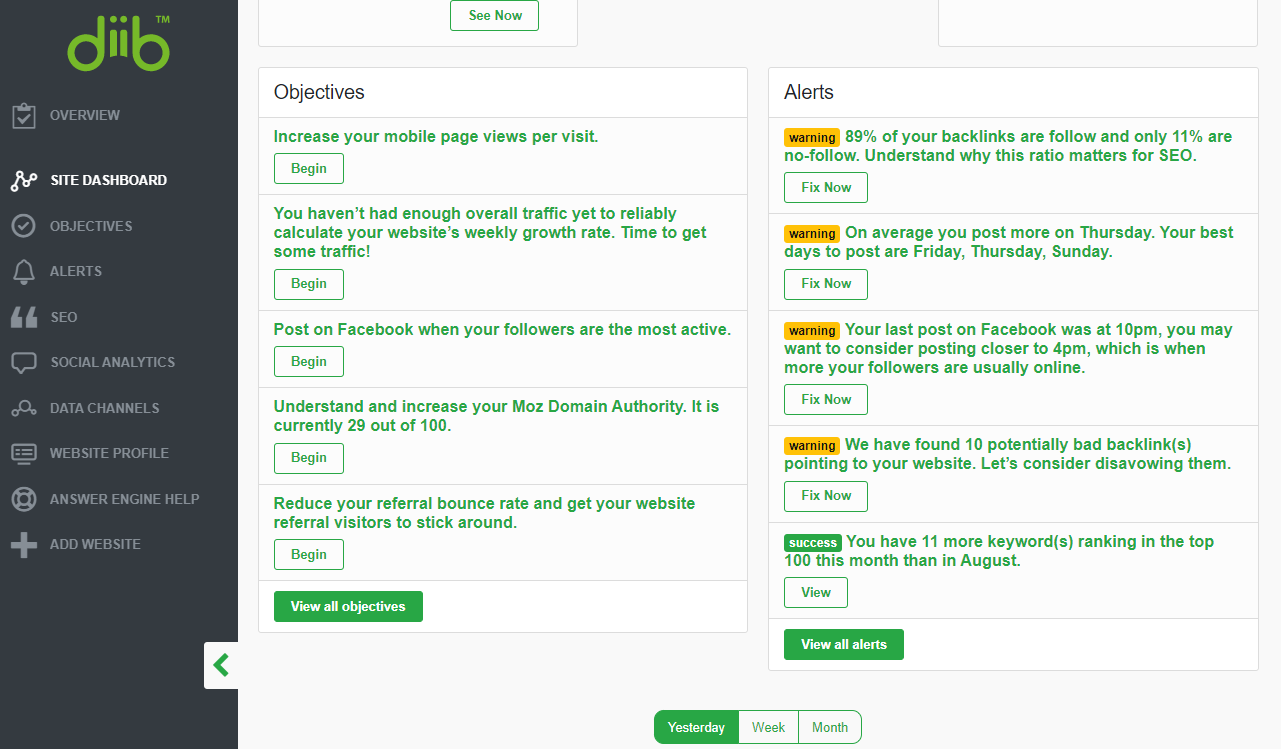
My favorite tool is Diib. It goes through your whole site and finds ways to improve your site’s rank and earn more money from your blog. It also walks you through the steps to fix your site rank, get more readers and more.
Think of Ways To Monetize
You can earn money from blogs in a number of ways. Your biggest source of income as a blogger will be sponsored content, here you will work with an advertiser publishing blog posts or ads for a fee. Depending on how influential your blog is, advertisers can pay very well for this. The only trouble is because they come to you, you can never be sure how much work you're going to get. Some months you might get lots of interest and others less or none.
Some other income sources are:
Selling your own ebooks or other digital media
Set up a members area for special pro tips or socializing
SEO

SEO (Search Engine Optimization) is how search engines find your blog or posts so they can suggest them to internet searchers. Here’s how to make Google, and the others, love you.
Think long
When it comes to blogs you need well written, interesting and engaging content, and you don’t need to squeeze this into a couple of hundred words. Allow your creative writing to flow and expand on your favourite topics.
Why? Because your readers deserve a beautifully crafted, well thought out read. Also, search engines tend to favor longer posts. You might be done at 1,000 words, but there’s nothing wrong with pressing on to 2,000 if you find you can. Don’t make a post long if it doesn’t need to be, though! Search engines are smart and can tell when a blogger is just writing fluff to make their posts longer.
Remember, make your posts interesting and informative, but stop when you’re done.
Keywords and phrases
These are the tools for your SEO success, but they must be used very carefully. When creating your blog title you’ll want to use SEO keywords that are highly searchable. But shoe horn them into your title and you’ll be penalised for using phrases that look unnatural and obviously there for Google’s eyes only.
The same goes for the rest of your text. Make sure that you use your keywords and phrases as naturally and liberally as possible but without making it look like they don’t belong.
Click here to learn more about SEO.
Frequent Updates

Arguably, the most important quality of a successful blog is that it is updated as frequently as you can manage. However, you shouldn’t allow this rule of thumb to get in the way of quality. Your blog posts should always be helpful to your audience, or at least entertaining.
Ultimately, if you are not entirely happy with your writing, then you should either polish it until you are, or write something new.
Still, it is important that you keep your blog regularly updated, as this ensures that readers will continue to return as often and search engines will show your site in search results. Whatever posting schedule you decide on, keep it. Consistency is important.
Outside Advice
Many people have gone before you already, even with the Internet being as young as it is, and many of the trailblazers have great advice to share. There are a huge number of blogging resources out there which you should take advantage of for this reason. Doing so will help you to get your blog to where you want it to be. I suggest reading Jon Morrow's blog.
YouTube
Blogging and YouTube might be separate platforms, but they can go hand in hand. You can work with both of these as a way to gain a bigger audience and appeal to the most number of people. For example, you could do lifestyle vlogs on YouTube, but then full reviews of places you visit on the blog.
You can learn more about Vlogging (video blogging) here.
Social Media

As a blogger, you absolutely need to utilise social media to do well. This is the way you connect and network with others, and it also gives you a free way to advertise. You should set up accounts on Twitter, Facebook, Instagram and Pinterest (choose two you really like) and use each of them as a way to promote your blog and connect with others.
Pay Taxes
Once you start making money from your blog, you need to ensure that you’re paying the right amount of taxes and that you're registered to do so. In most cases, it's as simple as completing a form online and then submitting a tax return each year where you can pay anything that's outstanding. It’s good practice to put money aside in a separate account, that way when your tax bill comes in you have a way to pay it without struggling.
Here's the legal stuff you need to know.
Content is King
Finally, the most important thing for any blog is putting out the best content possible. You should provide the reader with information that’s interesting and valuable. If you write about things you yourself are passionate about, your enthusiasm will transfer to your posts. This is how you will attract readers and gain you interaction on your blog posts.
Other Articles You May Like

What is Evergreen Content?
No matter what kind of writing you do, you’ll probably come across a client or publication that needs “evergreen” articles or blog posts. This is an important term to know since it is a very specific type of content. It’s easy to screw up if you’re not 100% sure what evergreen means. No worries, I’m here to help.

What is evergreen content?
An evergreen is a tree that stays green all year round. There isn't a specific season where it has leaves. Evergreen content is the same way. These articles and blog posts are intended to be useful all year, not just during a certain time. Usually, these articles are SEO optimized.
Evergreen content vs. non-evergreen
The opposite of evergreen articles are “timely” articles or articles focused on a certain time, holiday, news item, or event. Let’s compare the two.
Examples of timely article titles:
This Holiday Trick will Save Your Turkey
The FDA Just Approved the XYZ Drug for Aneurisms
This New Alexa Feature Lets You Sing with Lady Gaga
10 Tips to Make Your Summer Better
Tax Season is Coming: Use These 5 Tips to Avoid Audits
Examples of evergreen article titles:
How to Fix a Leaky Bathtub Faucet
10 Relationship Tips to Keep the Home Fires Burning
5 Reasons Why You Need a Bidet
Never Mention These 5 Things to Your Boss
Examples of evergreen articles that I have written that you can study:

Why publications want evergreen content
Evergreen articles and blog posts are a common ask because they are the foundation of the traffic scheme of a publication. Timely articles typically bring in a lot of traffic, but only for a limited time. Evergreen content may not have an explosion of traffic, but it brings in a steady flow over time, if done well.
These articles also tend to help a site with search ranking because they are still relevant year after year, giving the site authority points with search engines like Google. Older articles are often given seniority over newer articles, as long as they are still relevant.
Elements of evergreen content
Evergreen content should include information that is useful whenever the article is accessed by your reader and should never feel dated. Generally, you want to avoid anything that will make the article become outdated or specific to a certain time frame. There are several things you need to exclude from an evergreen piece to achieve this. Here are some things to avoid:
Commenting on how something is coming in the future. Eventually, the future will be the past, making the article outdated. For example, don’t say something like, “Spring is coming soon.”
Saying “this year.” Instead, say something like, “In (the year), xyz happened.”
Including statistics from more than a year ago. Use statistic from as recently as possible so the information stays fresher, longer.
Talking about a sale. Sales expire, so they aren’t evergreen.

Common types of evergreen articles
Generally, there are certain types of articles that are more likely to be evergreen. These include:
How-to
Tips
Listicles
Reviews
Reference
Guides
Case studies
Round-up
Generally, news articles, articles about new features of a product or service, time-based round-ups or listicles (like The Best SEO Tips of 2001), and announcements are not evergreen.
If you’d like a step-by-step guide on how to become a successful writer, check out my book The Fluff-Free Freelance Writing Master Course Workbook: The only course that gives you concrete, actionable information to building a successful freelance business without any fluff.

10 Tips for Creating Headlines and Titles that Get Clicked
For freelance writers, crafting great headlines that capture readers' attention increases the chance of getting a click and eventual customer conversions. Here’s how to get better at it.
It's difficult to write irresistible headlines. It's a fact, even for old pros like myself. For freelance writers, crafting great headlines that capture readers' attention increases the chance of getting a click and eventual customer conversions.

An iconic headline from almost two decades ago.
How can you ensure that you have the perfect headline? Here are some ideas from Dave McDonald and myself:
Make your headline inviting by giving them an answer to what they are looking for. Example: "This (blank) Trick Makes Your Life Easier in Just 10 Minutes."
But don't reveal everything. For example, "This Trick will Lower Your Electric Bill by 25%" tells the readers that they are going to learn something to lower their electric bill, but doesn't give any clues as to what in the title. Curiosity will get the best of most people and they'll click.
Research customer demographics so that you'll know what the visitors to your site are looking for. They might be looking for new products, practical tips, useful information or new ideas, for example.
Make sure your headline is unique, very specific, useful and presents a sense of urgency.
Do away with commercial wordings that most other e-marketers are using. Instead be prepared to take some risks.
Taglines can be used as headlines effectively.
Grab your reader's attention by starting your headline with "How to…" since this indicates you're providing them with useful information.
A number in the title ensures your readers will be intrigued by what you have to say. ("20 Unexpected ways to use dryer sheets" is one of my most popular articles on CNET.) Just ensure that the list contents fully support the headline.
Employ an element of surprise by presenting the readers with something unexpected. It can tickle your audience's curiosity. Novelty and unpredictability are things that stimulate the brain, ensuring that readers will stay and read on. "Angelina Jolie Doesn't Look Like Herself Anymore" is a good example of piquing curiosity.
Add a little humor. “Annoying 2000s Tech We Kinda Miss” is a title example that uses a little fun to draw people in.
Bonus tip: Borrow what works. Titles can't be copyrighted so you really don't need to worry about plagiarism. If you see a great headline jot it down to use as inspiration later. Integrity wise, it is best to borrow and customize headlines created for a niche outside of your own so it doesn't look like you're just copying your competitors.
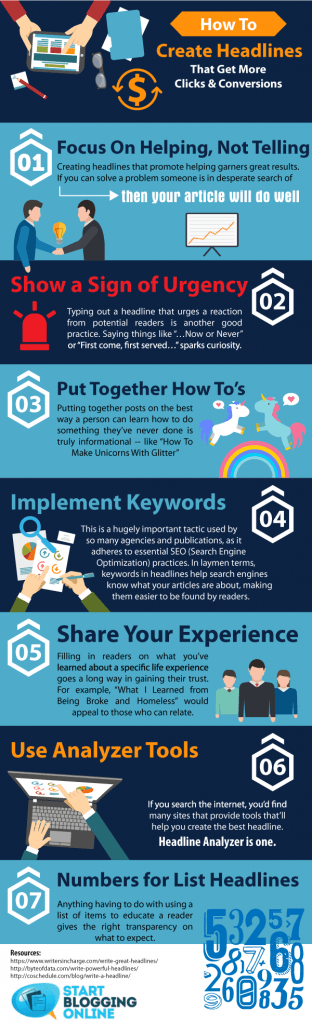
Get more ideas by checking out the infographics below.
Need more help with starting your freelancing career? Take my master course on how to become a well-paid freelance writer.

How I Write Articles for Big Companies
I make around $200 an hour writing articles and blog posts for websites. Want to know my process? Here it is.
I make a living writing articles and blog posts for large websites and publications like Reader’s Digest, CBS, MTV, and more. To write great articles, you need to cover all of the important details that editors and readers are looking for. Want to know my process?
Here it is.

Image: Person wrapped in a blanket writing articles on a laptop next to a mug of tea.
How to write good articles
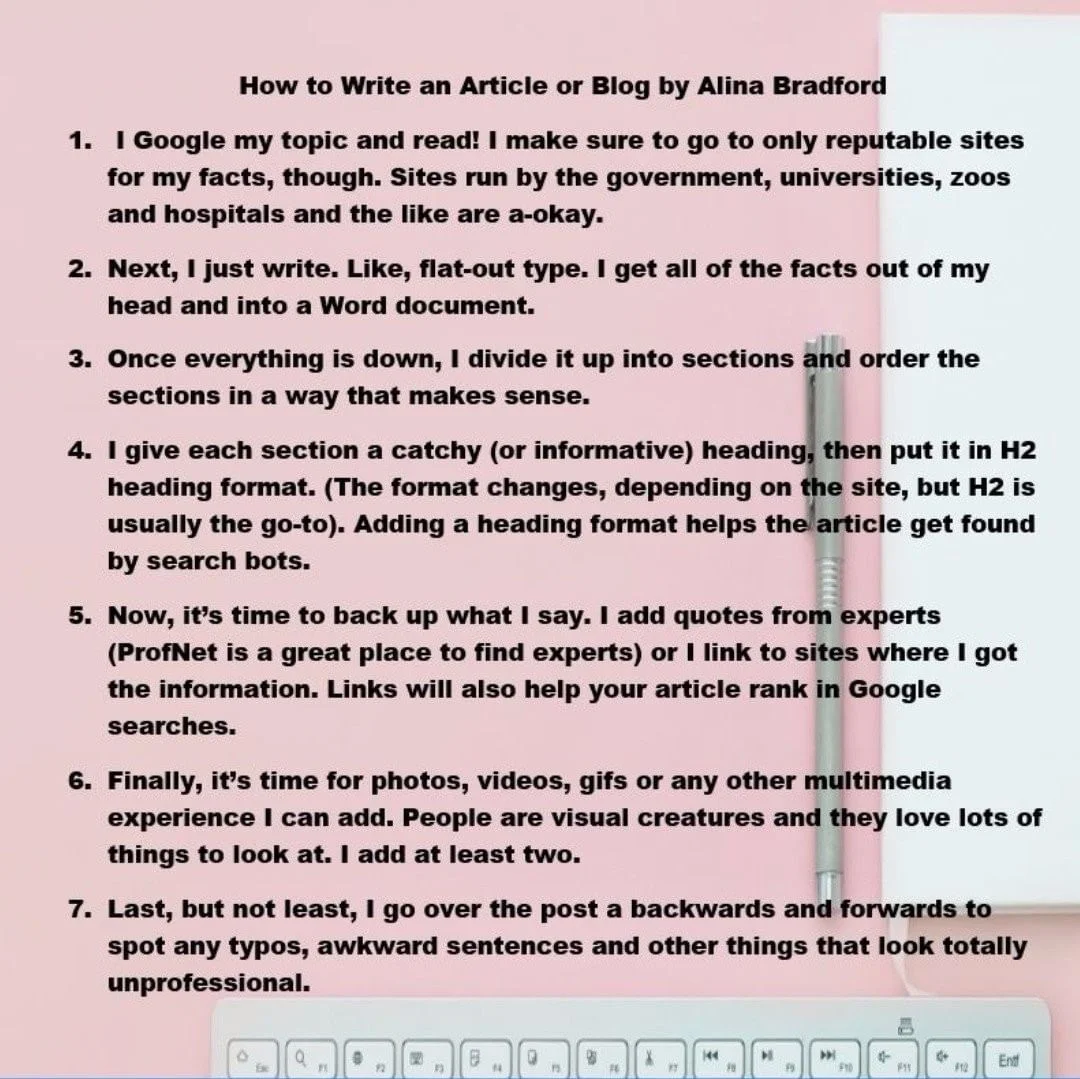
I Google my topic and read! I make sure to go to only reputable sites for my facts, though. Sites run by the government, universities, zoos and hospitals and the like are a-okay.
Next, I just write. Like, flat-out type. I get all of the facts out of my head and into a Word document.
Once everything is down, I divide it up into sections and order the sections in a way that makes sense.
I give each section a catchy (or informative) heading, then put it in H2 heading format. (The format changes, depending on the site, but H2 is usually the go-to). Adding a heading format helps the article get found by search bots.
Now, it’s time to back up what I say. I add quotes from experts (ProfNet and HARO are great places to find experts) or I link to sites where I got the information. Links will also help your article rank in Google searches.
Finally, it’s time for photos, videos, gifs or any other multimedia experience I can add. People are visual creatures and they love lots of things to look at. I add at least two.
Last, but not least, I go over the post a backwards and forwards to spot any typos, awkward sentences and other things that look totally unprofessional. Three read-overs are my goal.
That’s it.
Want to know how I get clients? Grab a copy of my book:
The Fluff-Free Freelance Writing Master Course: The only course that gives you concrete, actionable information to building a successful freelance business without any fluff.

Steps You Can Take To Become The Ultimate Travel Writer
Here are some tips to consider to become the ultimate travel writer. Guest Post by Jennifer Ranking
Guest Post by Jennifer Ranking
When you scroll through your Instagram timeline it’s almost as if everyone’s out travelling except you! It appears to be the trend nowadays and it’s no surprise why it is, the world is a beautiful thing and something that should be explored when you’re given the opportunity. Audiences love to read about experiences as inspiration and knowledge of what to expect for their travels. Travel writers are seen as influencers who have been around the block and know they’re stuff.
So, how do you become one of them people too? Here are some tips to consider to become the ultimate travel writer.

Be Dedicated To Your Writing
In order to become a travel writer, you first need to build the foundations of being a successful writer first. Travelling is the knowledge, but writing is the skill you have to get to spot on in order to be successful. You need to be able to communicate your experiences well and in a way that will engage your readers with what you have to say. Start by writing creative pieces and gradually improve your vocabulary and skills as a writer before you begin to write about your travelling experiences.
Consider Writing School or Journalism
A great advantage of journalism is that you slowly begin to learn how to make notes quickly and write great pieces in a short space of time. This means you won’t be spending too much time on writing the pieces and instead, you can enjoy telling your story without it taking too much of your time and continue your experiences of travelling. Get yourself in with the local newspapers or see if there are any writing schools that you can attend to improve on the skills that you’re developing.

Start Off Writing On Subjects That Aren’t About Yourself
Writing helps to get your name out there and gets your work published easily, almost satisfying the ego that people want to hear from you and what you have to say. What’s ironic about this though is that the skill to write about yourself can be rather difficult and sharing something about what you’ve done may not come across the best. Therefore, when you first start out why not try writing interviews or profiles instead and this way you can easily identify a theme and prevent getting sidetracked.
Review Your Writing Over And Over Again
The biggest waste when it comes to writing is that writers tend to use up too many words for a sentence which they could have articulated in a more efficient way. Writers feel as though revising the work that they’ve completed contradicts their creativity, but when you read over your work again you can easily find that your point is not as effective as what it could be. Revise and rewrite until your story flows and makes perfect sense.

Develop A Network
The biggest driver of being successful as a travel writer is developing a network in your field. There are plenty of travel writers across social networks and blogs that are easy to connect with. In doing so, it can help build your own reputation as a travel writer and have you integrating with the correct people. Over time, you’ll find yourself writing to a mass audience that you’ve created.
Keep Motivated
Most important of all, remain persistent. If there’s one downfall of writers that don’t make it it’s because they fell at the first hurdle when it arrived. It’s going to take time to build your reputation and get your stories shared in the masses, but how bad do you really want it?
The travelling influencer market is forever growing and there are still plenty of writers who are yet to master their trade. What’s written today is probably forgotten by tomorrow. Your stories have the chance to make a difference, to provide knowledge and form education for your readers. So, before you begin writing about your travelling experience from your luxury Algarve villa, take a step back and dedicate your time to learning your craft. After that, the world is your oyster from a travelling and writing point of view.

No-Fluff Guide to Creating a Writer's Website
Writers are always getting asked “Can you send me a link to your website?”, so if the answer is “no”, unfortunately there could be another writer not too far away waiting to take your role.
If you are a writer and want to take yourself seriously, having your own writer website is one of the best things you can do. Writers are always getting asked, “Can you send me a link to your website?” So if the answer is “no,” unfortunately there could be another writer not too far away waiting to take your role. Here’s a guide to creating your first website.

Why do I need a website?
No matter how smart you look, clients will always take you a lot more seriously when they see you have your own website. You’ll be able to create a clearer picture of yourself and your services by showing people rather than telling them. Plus, you’ll be able to add examples of your work so clients can see with their own eyes what you’ve been up to, rather than you having to reel all your jobs off for them.
Your clients are hunting for information about you and your work, they don’t have time to read every bit of detail, so you need to make sure they get to the facts super-fast. You’re a writer, so they’ll be expecting big things!

Where do you start?
I've had a lot of writers ask me how to start their website. My best recommendation is to purchase a domain name (see below), get a host account for the hosting and start a WordPress blog on it using the free Customizr theme.
I also love Squarespace. This is what I use. It’s inexpensive and it works great, especially if you have no idea what you’re doing. There are a lot of ways to customize your site so it looks different than everyone else's.
Some people recommend setting up a free site with a free website builder. I don’t like free website builders because the designs are limiting. You have full control over a paid WordPress site and most businesses prefer this platform for their site. If you want a free site, though, here are some platforms:
10 Top Tips for Creating a ‘Real’ Writer’s Website
1. It’s all in the name.
Giving your business a name will add a sense of professionalism. Once you have decided, think about creating a domain name, for example myword.com. This is a great way for people to start taking you seriously and will move you on from being a writer, to a professional that means business.
2. Stand out from the crowd.
With more and more writers coming on to the scene, you’ll want clients to be knocking on your door, first. Make sure to use your voice and don’t worry about being overly formal. Clients want to get to know you.

3. Facts first.
The main thing that people want to know is what is what you do and what you can do for them. Then, if they’re interested, they’ll take a look at your clips.
4. Make them read.
According to research, only 16% of people read web pages word-for-word, so make sure your most important information stands out. Use big, bold headlines to ensure nothing gets missed.
5. Show your passion for words.
It may sound obvious, but choose the words you use to describe you and your business carefully. You want potential clients to see your enthusiasm and love of writing shining through, so make sure everything you say has a confident feel to it.

6. It’s all about you.
People reading your website obviously know you’re a writer. That’s why they’re there. But what other little nuggets of information can you give them about yourself? Have you worked in marketing, so you also know how to market yourself? Have you studied language, so you can offer some wonderful words in French or in Spanish as well? Maybe a brief mention about how you got in to writing - anything that can help the client get closer to you will always add another dimension to your website.
7. Added extras.
Obviously you can write, but what can you write? Don’t just assume everyone knows everything about you. Whether you’re a Social Media Savior or you’re the Mother of Marketing, every extra detail about what you can do is going to add another string to your bow.
8. Beautiful design.
So, you’ve written your website and you’re good to go. Now all you have to do is decide what it’s going to look like. Go for a clean and simple design - anything cluttered is just going to clog up potential clients’ brains. Keep it simple with a lot of white space and let your ability do the talking. If you need a hand creating your site, there are some top website builders to help you every click of the way.

9. The proof is in the pudding.
Don’t just tell them, show them. It’s great to talk about all the things you’ve done and how you’ve created some award-winning work, but no one will believe you more than the person that’s seen it with their own eyes. Examples of great work are an essential part of selling yourself. If you have a blog, let the world see it. Long copy, short copy, online, offline - be loud and proud about the work that you have done and your vibe will attract your tribe.
10. Call me!
One of the biggest mistakes that people make when designing their website is not to have their contact details up front. Everyone’s busy and having to scroll through your web pages to find a contact number or email is enough to make anyone switch off. You could also create a contact form on a page of your website to encourage people to get in touch.
Keep it simple
To keep things simple, your website should have the following:
Homepage: Invite people to take a look at what you have to offer.
About page: Let people know what you’re about and why they should connect with you.
Services page: Your full list of talents and experience.
Clips page: The blogs you’ve done, testimonials, case studies and anything else that sells you.
Contact Me page: The more ways you let people get in contact with you, the more chance they will get in touch. Leave your contact number, email and Linkedin details.
SEO

Search Engine Optimization (SEO) is important for any website. It's how the search engines like Google bring your site to people. I've written up a free guide to help you with the basics of SEO.
Now that you've got the site, get the clients. I teach you how in my book-
The Fluff-Free Freelance Writing Master Course: The only course that gives you concrete, actionable information to building a successful freelance business without any fluff.

25+ Sites that Offer Quick Freelance Writing Gigs
There are some good writing gig sites out there and, if you write fast, you could easily make a high per-hour rate. Plus, there's no need to search for clients, so it's quick money. Here are more than 25 writing job sites to check out.
There are websites out there that work as brokers between writers and clients. The client tells the site what they need, the site puts the offer in a queue and writers can snatch the gig up if they need some quick work. The site gets a cut of the profits.

Many people call these sites content mills, notorious for offering low pay to desperate writers. I don't advocate these sites as your one-stop-shop for gigs. Just use these sites to fill in holes in your income.
There are some good gig sites out there and, if you write fast, you could easily make a high per-hour rate. Plus, there's no need to search for clients, so it's quick money.

Here are more than 25 to check out.
Scripted: This is one of the best paying sites. Short posts are often go for around $50 after the site takes a cut. Some clients offer much more. They also work with big brands like eBay and StubHub.
Contently: This site gives writers free, awesome portfolios and often assigns high-paying gigs. One of my gigs there paid $360 per article.
DotWriter: You can get gigs on this site and also sell articles that you haven't placed elsewhere.
Textbroker: I'm not going to say this site pays really well, but there's lots of work.
Study.com: If you have a degree, you can teach classes and make some good money.
Tempesta Media: I've heard good things about this site.
Verblio: You can learn more about this site in my review of Verblio, formerly BlogMutt.
Upwork: This is a site where you bid for gigs. Some writers love it, some hate it. To help you get started, this article about Upwork vs Fiverr will present an overview of how both platforms work, including their features and benefits. At the end of reading this article, you’ll be more familiar with both platforms and ready to start hiring a team of remote workers.
Crowd Content: This site works with big companies like Best Buy.
BKA Content: You must be able to write 2,000 words a week to be a member of this site.
Internet Marketing Ninjas: No experience necessary to join this team. They will train you.
Zen Content: This company was bought by IZEA, a company I have worked with before.
Ebyline: Here is another IZEA property.
Appen: You complete simple tasks and get paid. It's a crowdsourcing site.
Express Writers: Great site for writers who know what content marketing means.
Content Writers: 50% of every project payment goes to the writer. Not great…
Writology: You can do client work and sell your own articles on this site.
ClearVoice: "Our ClearVoice platform matches clients’ assignments with freelancers based on industry, pay rates and experience."
Zerys: This site tends to have a lot of quick freelance gigs.
WriterAccess: Super easy place to make a few bucks.
Mediashower: They have, "Opportunities to advance to senior-level editorial positions".
CopyPress: Pay rates are $.04-$.06/word. Not great, but if the work is quick, you may make some cash.
Constant Content: "We currently work with brands like Sport Chek, zulily, The Brick, CVS, Walgreens and more."
Pitchwhiz: A database full of the latest content calls from some of the biggest publications with the ability to send direct messages to the editors.
Listverse: Pays $100 per listicle (list-based article).
WordApp: Haven't tried this one, so if you have, tell us about it in the comments.
WittyPen: "On an average, the writers in Starter level are paid Rs 1/word. We pay flat pricing for each content piece you write with an average word limit."
Skyword: This is one of my favorite sites. My clients that hired me through the site pay $150 to $200 for short articles.
Need more help finding clients and gigs. There's a huge section with step-by-step help in my book:
The Fluff-Free Freelance Writing Master Course

15 Places Where You Can Find Freelance Writing Jobs
Looking for a freelance writing job? Try these free freelance writing job boards.
Looking for a freelance writing job? Try these free freelance writing job boards. Some of the links are custom-made searches I set up on popular sites so you’ll only be presented with remote writing jobs you can do from home.
Also, don’t forget to check back at nofluffwriter.com every Wednesday for writing gigs that are 100% remote.


What to Do When You Have Haters: How to Deal with Online Trolls Without Losing Your Cool
Here’s how to deal with people that don’t like what you write.
At one point, you’re going to get hit with comments about your articles that hurt. They say that you know you've hit the big time when you have haters. No matter how good you are or how eloquent you are, you're going to have some hateful comments on your website or social media content. It happens. Some people have nothing better to do than to be negative.
How to deal with online trolls
For example, I wrote an article for CNET about unusual things you can wash in the dishwasher. People got irate, to say the least. I was dumbfounded. It was an article about washing objects like kids toys in the dishwasher for Pete's sake. Someone on Twitter said that my dishwasher article was "irresponsible journalism, almost criminally so." People really take their dishwasher how-to tips too seriously. Criminally? It's not like I told people to wash their baby in the dishwasher. I didn't even suggest that puppies could be put in the dishwasher. The article was researched and tested.
Oh, well. You just have to shake it off and remember that even angry people are giving you page views, comments and other interaction that can help your content be successful.
Should You Answer a Comment?

how to reply to comments
The best way to respond is with silence. These type of people are looking for attention, begging for a fight. Answering them just fuels their little troll fire.
Of course, if the person commenting has a legitimate problem or question, address it. Make sure to be tactful, though. Thank them for their comment and answer with as few words as possible. The briefness will give them little room to argue if the person was just baiting you.
Put It Out of Your Mind and Your Social Media Account

you mad bro kermit
It's really hard to walk away when Facebook or Twitter alerts you to every reply on a post. I know it's a struggle for me! On Facebook you can turn off notifications for certain posts or you can block troublemakers. On Twitter you can put people on mute, which means you won't see any more comments or posts by that person, or you can block them.
Keep Cool, Calm and Collected

Above all, it is important to keep your cool and not to engage in a back-and-forth argument. People love sharing internet arguments and you may just find your comment battle going viral, which can destroy you or your brand's reputation.

10 Free Sites for Creating Amazing Article Content
You don't need to hire a designer to create memes, website images and infographics to make your content go viral, either. Here is everything you need in one list.
I know a lot of you want to design your own visuals for your client's articles or blog content. It just makes you look good as a writer. If you listen to many website gurus, you may think you need Photoshop to create fantastic images for your content site. Not true!
There's no reason to spend almost $700 on software that will take you months to learn when there are free photo editing tools online that take no skills what so ever. You don't need to hire a designer to create memes, website images and infographics to make your content go viral, either. Here is everything you need in one list.

Free Photo Editing Software
Let your photos no longer be boring and unedited. Try out a couple of these free photo editing tools. You'll be adding some snap to your content in no time.

pablo photo editor
1. Pablo
Have you ever lusted after those sites that have beautiful article images overlaid with pretty quotes or the titles of their articles? Well lust no more. Pablo by Buffer provides you with the beautiful stock images, the fonts and the layering capability. All you need to do is come up with the text.
be funky photo editing
2. Be Funky
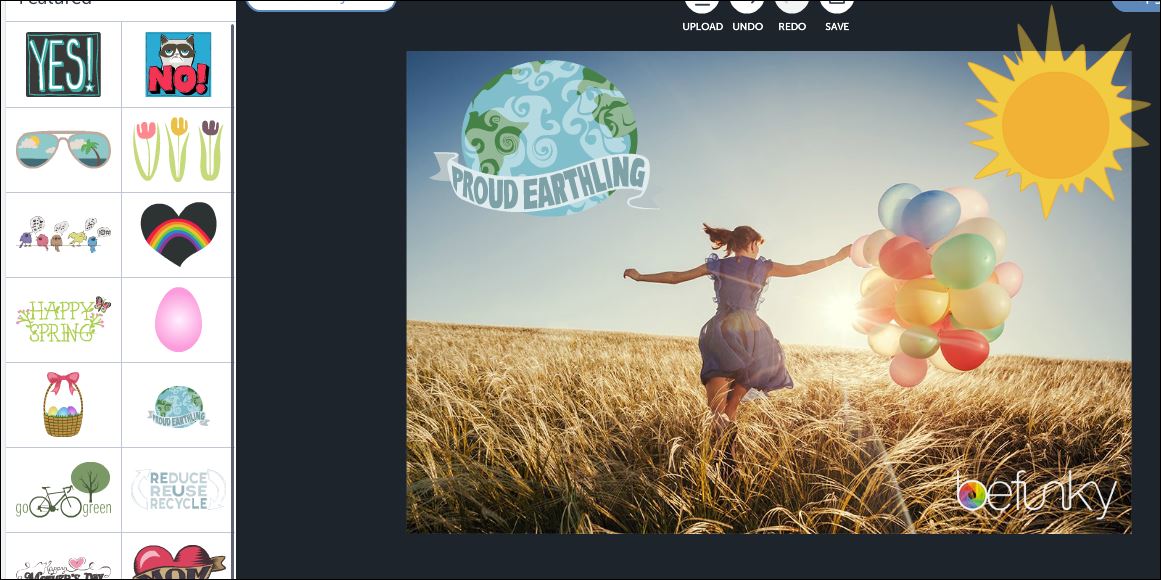
I love Be Funky. You can use their tools to make your photos totally retro, in a good way. Groovy! They also have stock photos you can use for free.
pic monkey photo editing
3. Pic Monkey
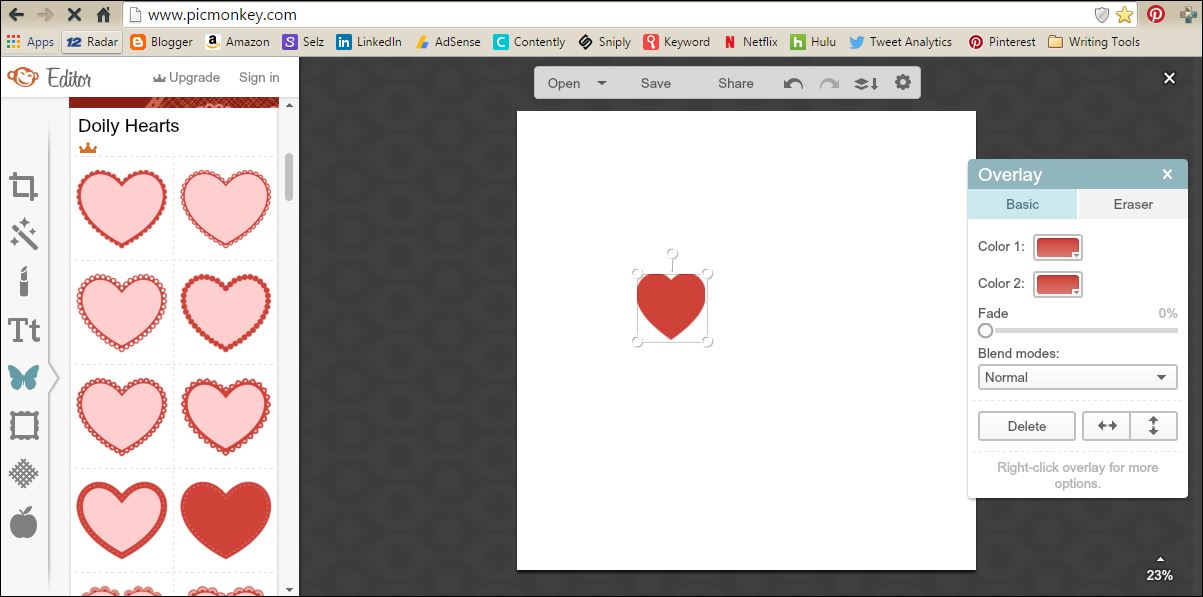
Pic Monkey is one of the most popular free photo editing software sites out there, and for good reason. Not only does it give you the capability to edit photos, you can also use it to create far out photo projects with overlays, frames, textures and more.
4. GIMP
When you need a huge amount of editing tools, but like a zero on the price tag, consider downloading GIMP. Think of GIMP as Photoshop's ugly twin. They both have tons of features, but GIMP is a little clunkier to use. Hey, the price is right, though!
Free Tools to Make Memes, Infographics and More Content
Memes, infographics, gifs and other visuals can help make your content go viral. A lot of the bigger sites hire people to create these visuals for them, but if you are on a tight budget, these free tools can get the job done in a pinch.

free photo editing software
5. Meme Generator
Everyone is mad for memes and the Meme Generator makes creating your own simple and quick. Just browse through premade memes, add your own text, download them, and you're in business. Or, you can start from scratch with your own photo. Just upload your photo, fill in the text fields and boom! You've made your own meme.
Easily content
6. Easel.ly
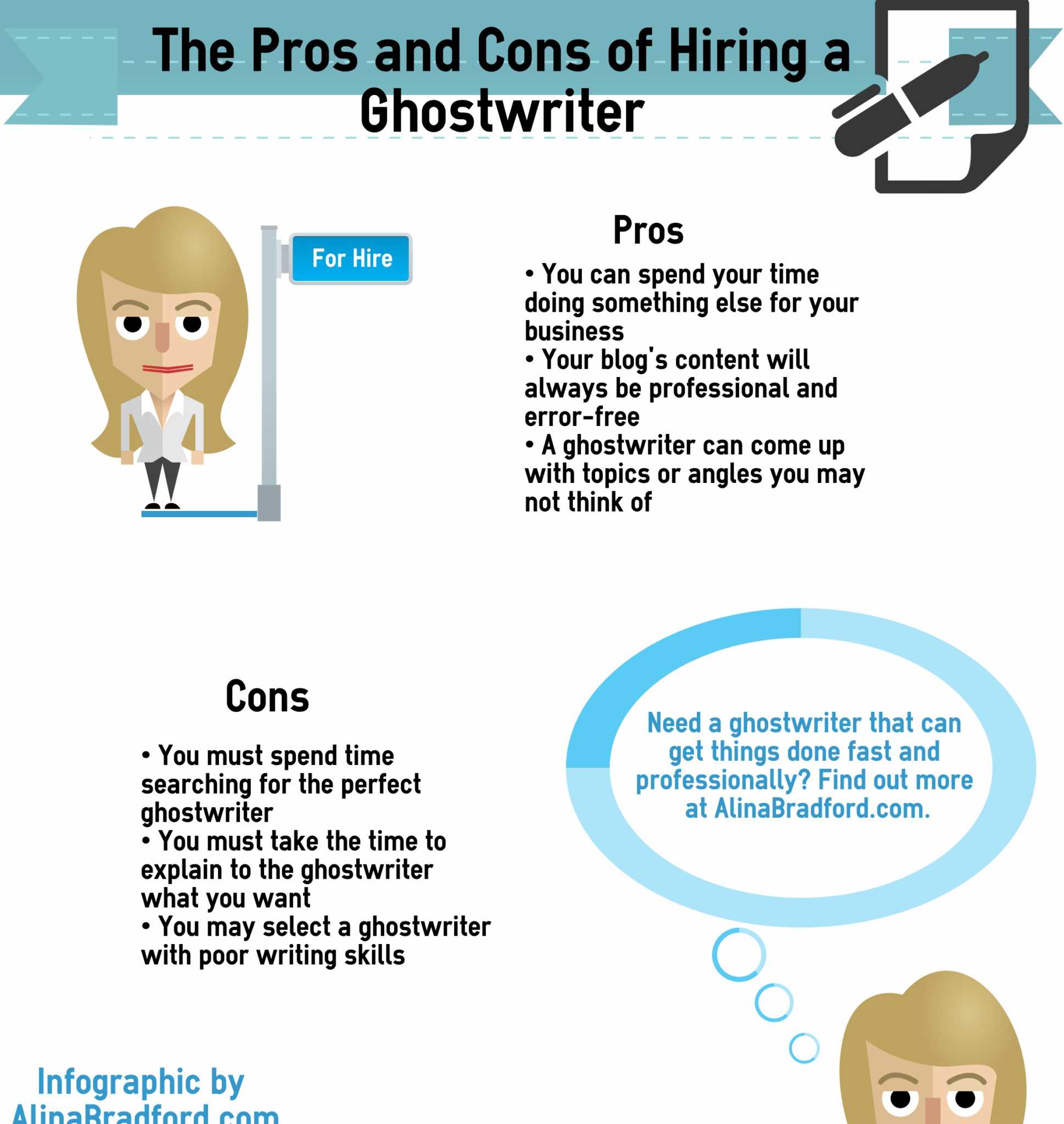
Easel.ly is easily the most awesome visual tool I use. (See what I did there?) It gives you everything you need to create stunning infographics and simple drag-and-drop tools. I use it constantly for myself and my customers. The best part? Easel.ly creates code so that you can embed your infographic on websites.
The free version has a lot of great visuals to start with, but if you want to go pro, I recommend upgrading.
giphy free gifs content
7. Giphy
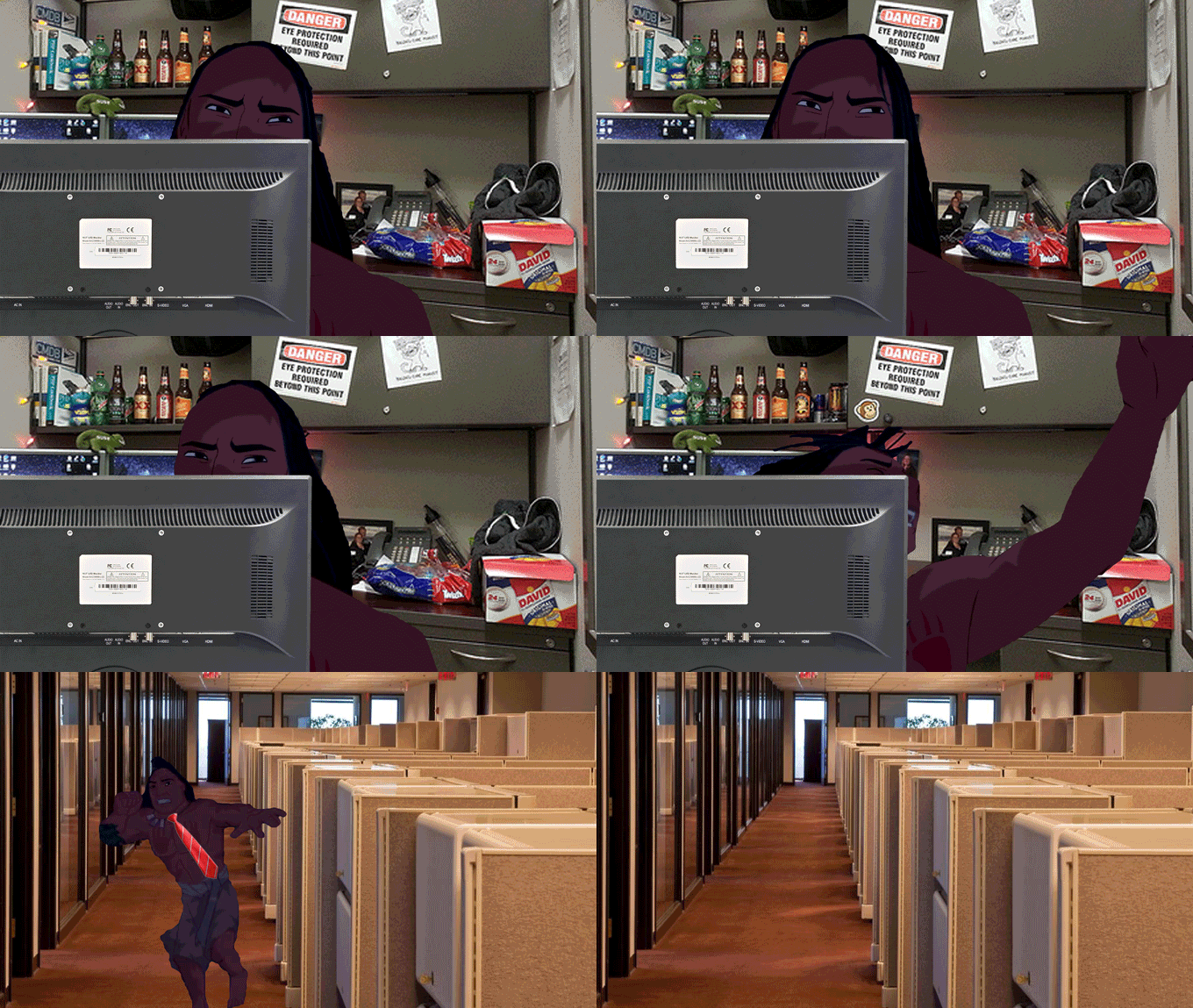
Sometimes you just need a snappy gif to make your blog post or social media post just a little more special. Never fear, Giphy is here to supply you will all the gifs your heart could possibly desire, for free.
8. Three Graphs
Need a chart to illustrate some stats? Three Graphs is the site to hit up. You can create a variety of different types of charts, choose your chart's colors and more.
9. Siege Media Embedded Code Generator
How many times have you created an awesome visual and then wanted to allow people to share it, but remembered you don't know a thing about creating embedded code? I've been there! The solution is using Siege Media Embedded Code Generator. No skill required!
how to make your own customized map
10. MapBox
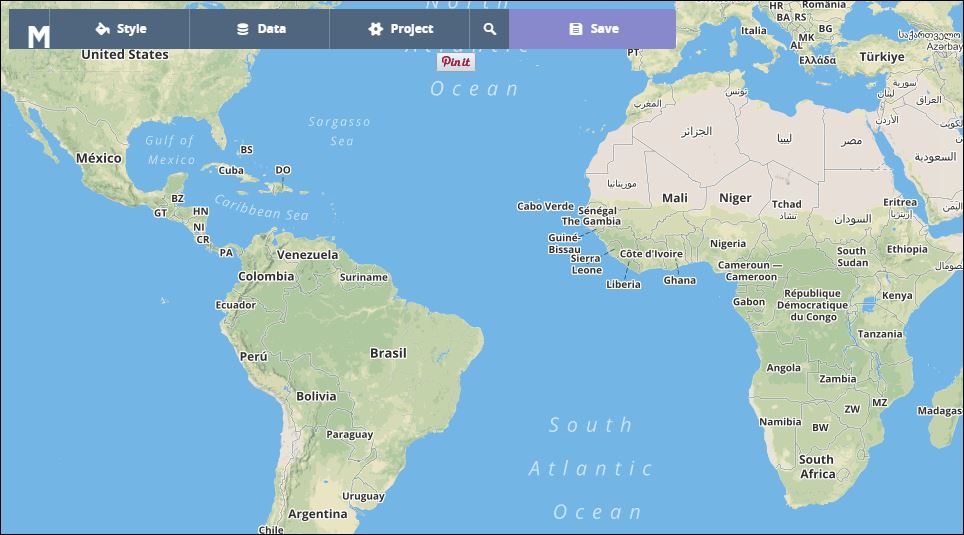
Maps are a cool visual that's not utilized as often as it should be. MapBox makes creating your own maps easy and, dare I say it, fun. Just input your data and you're map comes out like you hired Magellan.
Got any image creation tools or sites you're dying to share? Let me know!

This Strange Technique Will Help You Get Over Writer's Block
If you’re a writer — of books, essays, scripts, blog posts, whatever — you’re familiar with the phenomenon: the blank screen, a looming deadline, and a sinking feeling in your gut that pairs poorly with the jug of coffee you drank earlier. Here’s how to fix it using your voice.
Ever heard of Automatic Transcription? Yah, me neither. It is an unusual way writers can get rid of writer’s block. This guest article by Jason Kincaid was originally published by Descript and has been posted here with their permission:
If you’re a writer — of books, essays, scripts, blog posts, whatever — you’re familiar with the phenomenon: the blank screen, a looming deadline, and a sinking feeling in your gut that pairs poorly with the jug of coffee you drank earlier.
If you know that rumble all too well: this post is for you. Maybe it’ll help you get out of a rut; at the very least, it’s good for a few minutes of procrastination.
Here’s the core idea: thinking out loud is often less arduous than writing. And it’s now easier than ever to combine the two, thanks to recent advances in speech recognition technology.

Of course, dictation is nothing new — and plenty of writers have taken advantage of it. Carl Sagan’s voluminous output was facilitated by his process of speaking into an audio recorder, to be transcribed later by an assistant (you can listen to some of his dictations in the Library of Congress!) And software like Dragon’s Naturally Speaking has offered automated transcription for people with the patience and budget to pursue it.
But it’s only in the last couple of years that automated transcription has reached a sweet spot — of convenience, affordability and accuracy—that makes it practical to use it more casually. And I’ve found it increasingly useful for generating a sort of proto-first draft: an alternative approach to the painful process of converting the nebulous wisps inside your head into something you can actually work with.
I call this process idea extraction (though these ideas may be more accurately dubbed brain droppings).
Part I: Extraction

Here’s how my process works. Borrow what works for you and forget the rest — and let me know how it goes!
Pick a voice recorder. Start talking. Try it with a topic you’ve been chewing on for weeks — or when an idea flits your head. Don’t overthink it. Just start blabbing.
The goal is to tug on as many threads as you come across, and to follow them as far as they go. These threads may lead to meandering tangents— and you may discover new ideas along the way.
A lot of those new ideas will probably be embarrassingly bad. That’s fine. You’re already talking about the next thing! And unlike with text, your bad ideas aren’t staring you in the face.
Consider leaving comments to yourself as you go — e.g. “Maybe that’d work for the intro”. These will come in handy later.
For me, these recordings run anywhere from 20–80 minutes. Sometimes they’re much shorter, in quick succession. Whatever works.
Part II: Transcription
Once I’ve finished recording, it’s time to harness ⚡️The Power of Technology⚡️
A little background: over the last couple of years there’s been an explosion of tools related to automatic speech recognition (ASR) thanks to huge steps forward in the underlying technologies.
Here’s how ASR works: you import your audio into the software, the software uses state-of-the-art machine learning to spit back a text transcript a few minutes later. That transcript won’t be perfect—the robots are currently in the ‘Write drunk’ phase of their careers. But for our purposes that’s fine: you just need it to be accurate enough that you can recognize your ideas.
Once you have your text transcript, your next step is up to you: maybe you’re exporting your transcript as a Word doc and revising from there. Maybe you’re firing up your voice recorder again to dictate a more polished take. Maybe only a few words in your audio journey are worth keeping — but that’s fine too. It probably didn’t cost you much (and good news: the price for this tech will continue to fall in the years ahead).

A few more tips:
Use a recorder/app that you trust. Losing a recording is painful — and the anxiety of losing another can derail your most exciting creative moments (“I hope this recorder is working. Good, it is... @#*! where was I?”)
Audio quality matters when it comes to automatic transcription. If your recording has a lot of background noise or you’re speaking far away from the mic, the accuracy is going to drop. Consider using earbuds (better yet: Airpods) so you can worry less about where you’re holding the recorder.
Find a comfortable space. Eventually you may get used to having people overhear your musings, but it’s a lot easier to let your mind “go for a walk” when you’re comfortable in your environment.
Speaking of walking: why not go for a stroll? The pains of writing can have just as much to do with being stationary and hunched over. Walking gets your blood flowing — and your ideas too.
I have a lot of ideas, good and bad, while I’m thinking out loud and playing music at the same time (in my case, guitar — but I suspect it applies more broadly). There’s something about playing the same four-chord song on auto pilot for the thousandth time that keeps my hands busy and leaves my mind free to wander.

The old ways of doing things — whether it’s with a keyboard or pen — still have their advantages. Putting words to a page can force a sort of linear thinking that is otherwise difficult to maintain. And when it comes to editing, it’s no contest: QWERTY or bust.
But for getting those first crucial paragraphs down (and maybe a few keystone ideas to build towards)? Consider talking to yourself. Even if you wind up with a transcript full of nothing but profanity — well, have you ever seen a transcript full of profanity? You could do a lot worse.

The Warning Signs of a Trouble Client & How to Safeguard Your Writing Business
There’s nothing worse than a crappy client. As a freelance writer, one of the most important skills you can hone is how to sidestep a potentially bad client.
It’s inevitable. As a freelance writer, you’re going to come across some real turds. There will be people who want to pay you pennies. People who ask too much for too little. People who refuse to pay.
One of the most important skills you can hone is how to sidestep a potentially bad client. Knowing how to do this well will save you time and allow you to make more money in the long run.

Ugg…One of those
I often get emails asking me to write thousands of words for at $10 to $20 a pop. I typically end up telling them my regular clients pay me more than quadruple that or more for the same services. This usually makes them angry. (Not always, but usually.) Low-balling is the first sign that a client is not worth your time. They often haggle, then don't pay at all. If they do pay, they'll be big pains in the ass the entire way through.
This is just one sign of a client that will give you more headaches than dollar signs. Here's some more.
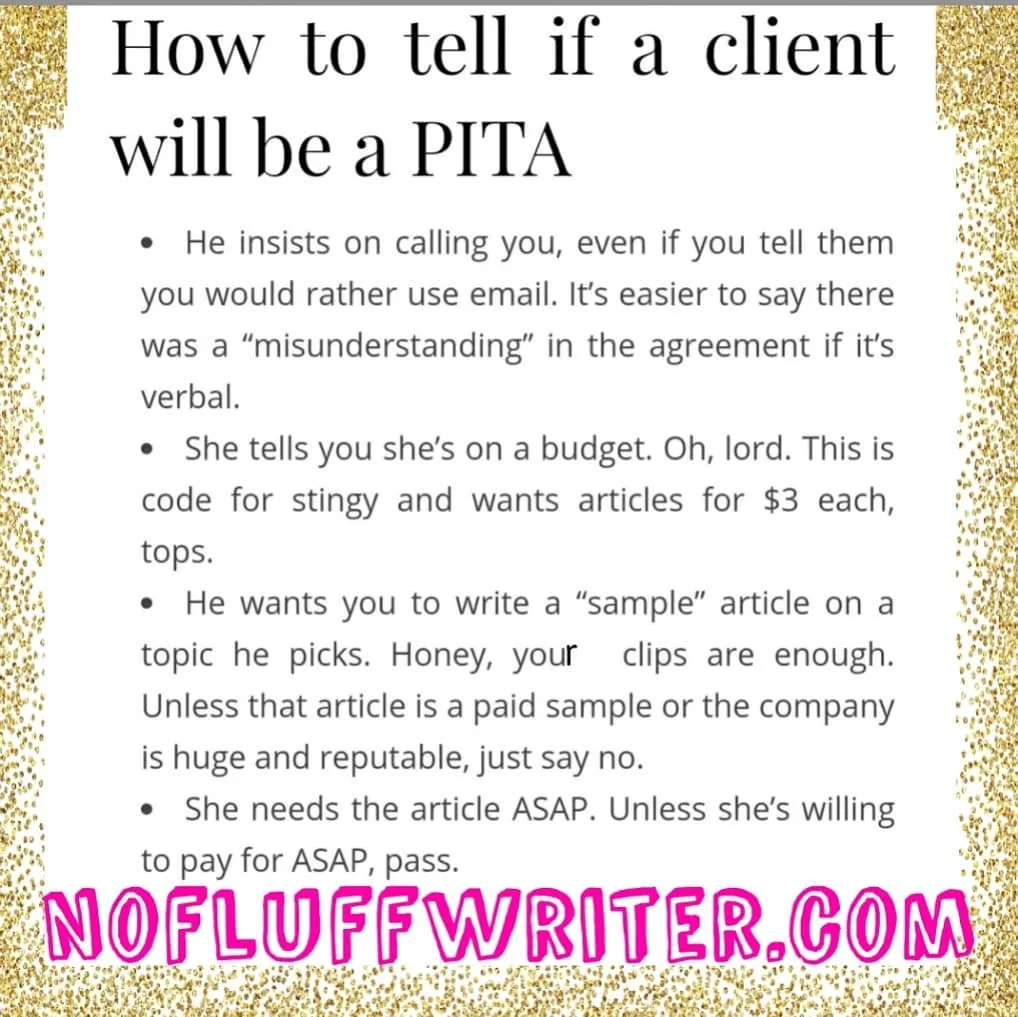
How to tell if a client will be a PITA

He insists on calling you, even if you tell them you would rather use email. It's easier to say there was a "misunderstanding" in the agreement if it's verbal.
She tells you she's on a budget. Oh, lord. This is code for stingy and wants articles for $3 each, tops.
He wants you to write a "sample" article on a topic he picks. Honey, your clips are enough. Unless that article is a paid sample or the company is huge and reputable, just say no.
She needs the article ASAP. Unless she's willing to pay for ASAP, pass.
email riten lik this. their uprofess inal and un trust worthy. (Yes, I wrote it that way as an illustration. Don't send me emails!)
Ghosts for several days before answering your emails.
Hates everything you do or wants major edits. Typically, the cheaper the client, the more edits they'll want.
Has a long chain of command that must approve all work you do.
Promises "exposure."
Promises that they will pay more in the future if their business takes off. This should go without saying! Damn skippy you will.
Barrages you with emails in a very short amount of time about the project, even though you haven't agreed to do it yet.
How to prevent bad clients

Well, obviously, first you look for any of the warning signs above. There are some other tactics you can take to ensure you always get paid and you have happy working experiences. You can read more about how to deal with clients here, but here’s some good tips to start:
Be sure to get payment upfront (or at least half). If they refuse they can't afford you or don't trust you. Neither make for a happy work environment.
Make your terms clear on your website. Here's a look at mine.
Don't be afraid to say no if you get a funny feeling. Listen to your gut.
Even if you're new to freelance writing, don't let a potential client bully you into insulting rates. Even as a newbie you still know more than your client, and that's worth a lot.
Avoid scope creep by refusing to do work that wasn’t agreed to without adding more money to your fee.
Make sure you get everything in writing, whether that be a formal contract or emails. Trust me. You'll thank me later when crap hits the fan.
Need more good paying clients? Read my book The Fluff-Free Freelance Writing Master Course: The only course that gives you concrete, actionable information to building a successful freelance business without any fluff.

How Much Should I Get Paid for Freelance Writing?
"How much should I get paid for freelance writing?" I hear this question all the time. For my No-Fluff readers out there I'll break it down.
"How much should I get paid for freelance writing?" I hear this question all the time. I could just answer with a vague, "It depends," (because it really does!) but for my No-Fluff readers out there I'll break it down. Here are the basics to determining how much to charge as a freelance writer, no matter if you’re new, or have been a professional writer for years.

How Much Money Do You Need?
Before anything else, you need to decide how much money you need. You see, you can make anything from a few dollars to a few thousand dollars per week. As a freelancer, you get to decide what you get paid and what hours you work. So sit down and do the math.
Start by deciding how much money you need to survive each month. That includes paying bills and buying essentials like clothing, food, medicine, etc.
Take your first figure and decide how much more than that you would need to live comfortably, meaning you could afford a few extras or keep your savings account well fed.
Now, break that monthly total down into how much money you need to make per week by dividing the amount by four.
Find the daily amount by dividing your weekly amount by seven or however many days you want to work per week.
Finally, decide how many hours you want to work per day.
How much you charge per hour, multiplied the number of hours you want to work per day, should equal how much money you need to earn per day.
So: What you want to make / Number of hours you want to work = Hourly fee

Say I decided that I needed to earn $2,000 per week to live comfortably. Then assume I only want to work five days a week so that I have weekends off and I only want to work five hours per day, tops. That means I need to make $400 per day. To achieve this, I charge a minimum of $80 per hour.
Charging by the project
Usually, freelance writers don’t charge by the hour, they charge by the project. For example, I wouldn’t tell clients I charge $80 per hour. I charge a set price for a project by deciding how many hours it will take me. So a blog post that will take me around two hours would cost a client around $160, bare minimum.
My prices are higher than my bare minimum, though. The bare minimum is just a guideline so I know how low I can haggle with a client without shooting myself in the foot. Also, I usually round up to the nearest $100. So, the cost would come out to $200. Why? Because I can! I also round up the hours. If it will take me 30 minutes, I charge for an hour.
Consider all the factors
There are some other factors that can add to your bare minimum pricing. Add more to the price if the piece needs interviews, research, images… or the client seems like they are going to be a pain in the butt (more on how to deal with them here).
Articles per day matter, too
We’re still not done. Now you need to decide how many articles per day you want to do. With the example above, if I charged $100 per article, I would need to write 20 articles a week or four articles per day to make my $2,000 per week goal. But that’s a lot of articles. I myself can’t write four a day. My limit is two.
If your brain blitzes out after one article, then you’ll only be able to do one article per day. No need to be ashamed or try to press yourself past your limit. That will lead to poor product quality and burnout.
Ultimately, you’ll need to up your rate to meet your income needs and your mental needs.
Experience

But Alina, you may be saying, if I only write one article per day and my goal is $2,000 per month, I would need to charge $400 per article and I’m not experienced enough to charge that much! To that I would say, maybe. If you’re approaching clients and proposing charging that much, I would agree. But there’s a loophole.
There are plenty of online magazines that will pay that and more. All you need to do is come up with a great idea, pitch it, and then nail the article. Now, I know it’s harder than that, but most editors don’t care if you’re new if you have a great idea and you can prove you can write well with a couple of clips. So, you have the potential to make way more than your minimum per article, meaning you can write less to meet your goals.
Make sense?
In the end, my answer to the question, "How much should I get paid for freelance writing," is simply:
"How much do you want to get paid?"
Want more great tips like these? Read my book:

Do You Write Weak Words? Find out!
Make your writing stronger with these tweaks!
How strong are the words you write? Weak words can leave your articles, blogs, social media posts, and more, insubstantial. Here's how to find your wilty words and plump them up with interesting alternatives thanks to this illuminating infographic.
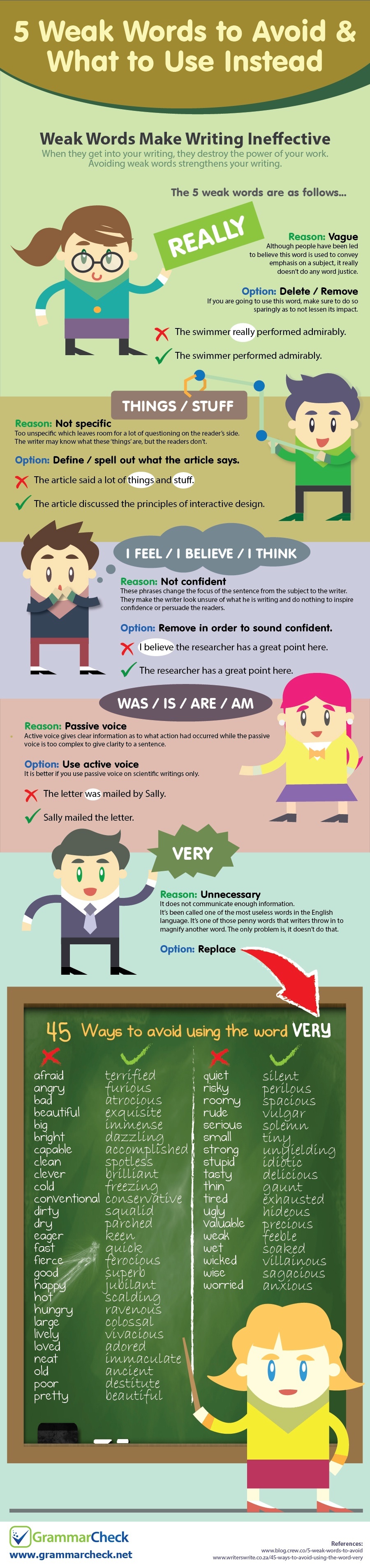
Source: www.grammarcheck.net