
How to Keep Article Thieves from Stealing Your Work

If you've written for the web for very long, you've probably had your articles stolen and posted on another site. Often, the article thief will claim that he wrote your brilliant article. Well, here's one way to thwart the lazier thieves: the No Copy Code.
It keeps people from being able to copy and paste your articles or blogs.
Simply copy and paste this code into your site's HTML and you're golden.
Note: I use this code and it works great.
<script language="JavaScript1.2">
//Disable select-text script (IE4+, NS6+)- By Andy Scott
//Exclusive permission granted to Dynamic Drive to feature script
//Visit
for this script
function disableselect(e){
return false
}
function reEnable(){
return true
}
//if IE4+
document.onselectstart=new Function ("return false")
//if NS6
if (window.sidebar){
document.onmousedown=disableselect
document.onclick=reEnable
}
</script>
<script language=JavaScript> <!-- //Disable right mouse click Script //By Maximus (maximus@nsimail.com) w/ mods by DynamicDrive //For full source code, visit http://www.dynamicdrive.com var message="Function Disabled!"; /////////////////////////////////// function clickIE4(){ if (event.button==2){ alert(message); return false; } } function clickNS4(e){ if (document.layers||document.getElementById&&!document.all){ if (e.which==2||e.which==3){ alert(message); return false; } } } if (document.layers){ document.captureEvents(Event.MOUSEDOWN); document.onmousedown=clickNS4; } else if (document.all&&!document.getElementById) document.oncontextmenu=new Function("alert(message);return false") // --> </script>
//Disable select-text script (IE4+, NS6+)- By Andy Scott
//Exclusive permission granted to Dynamic Drive to feature script
//Visit http://www.dynamicdrive.com for this script
function disableselect(e){
return false
}
function reEnable(){
return true
}
//if IE4+
document.onselectstart=new Function ("return false")
//if NS6
if (window.sidebar){
document.onmousedown=disableselect
document.onclick=reEnable
}
Think You're Your Own Boss? Think Again.
Freelance writers are supposed to be their own boss, right? I mean, the government considers you your own boss. Your mom considers you boss-free. Your best-friend envies your "free" status.

But if you write for clients or residual income sites are you really boss free?
Consider this:
Clients tell you when projects are due. Residual income sites tell you what you can and can't post. Clients control the subjects you write about. Residual income sites take a cut of your profits. Clients can cancel projects. Residual sites can go out of business. Both attempt to take as much rights to the articles as possible.
Now, you may be wondering what my point is. Well, since Google's Panda hit, more an more freelance writers have been turning away from typical client/writer residual site/writer relationships and started their own websites.
With your own website you get to decide, well, everything. There's no one to answer to.
Slowly, I'm moving over into the no-boss-for-real zone. I have a good start on my sites Defrazzle Mom.com and Art Questions Answered. I also have several blogs that are doing well, including this one.
Are you in the no-boss-for-real zone? Do you want to be?
Ebook Cover Design

Okay, I usually don't overtly try to sell things to my readers, but I thought this would be useful to know: I design ebook covers for writers.
So, if you need an eye-catching cover done, feel free to contact me. Here's some examples of my ebook cover designs and prices.
I can do original art for covers and provide original photography. I've also had clients that wanted me to incorporate their own photographs.
I've been inspired to write my own ebook, but the problem is I want to write on so many different subjects!
Have you written an ebook? How did you focus on one niche subject?
Do You Work on a Holiday?

A Picture I Took of Fireworks in Estes Park, CO
One of my favorite holidays is coming up. 4th of July!
Right now I have a full schedule since summer is one of my busiest times in my freelance writing business. Clients are rolling in with new projects and I'm making good money. So, do I work on the upcoming holiday, or do I double up on work the day before?
I hate extra work. It makes me grumpy. So, I'm probably going to space out all of my projects so that I only have to do a little chunk of work on Independence Day.
How do you deal with holidays?
Why Social Media is More Important Than Google Search

Back in my post a few days ago, I talked about tracking how readers get to your articles and blog posts. Well, in my search for the truth I found something amazing.
On one of my most visited articles only 25 people found it using Google Search in an entire month. How did the other 8,000 people find my article? StumbleUpon and Facebook. In fact, my article had been stumbled around 400 times. Others are reporting similar trends.
What does this mean to me? To you?
It means social media is the new search engine. We need to stop fretting about SEO and Google's Panda and start dusting off our Facebook pages and Twitter accounts. Also, make it easy for people to share your article by adding social media buttons above or below your articles and blogs. My favorite gadget is AddThis. It's free and easy to set up.
Writing, Summer and Kids
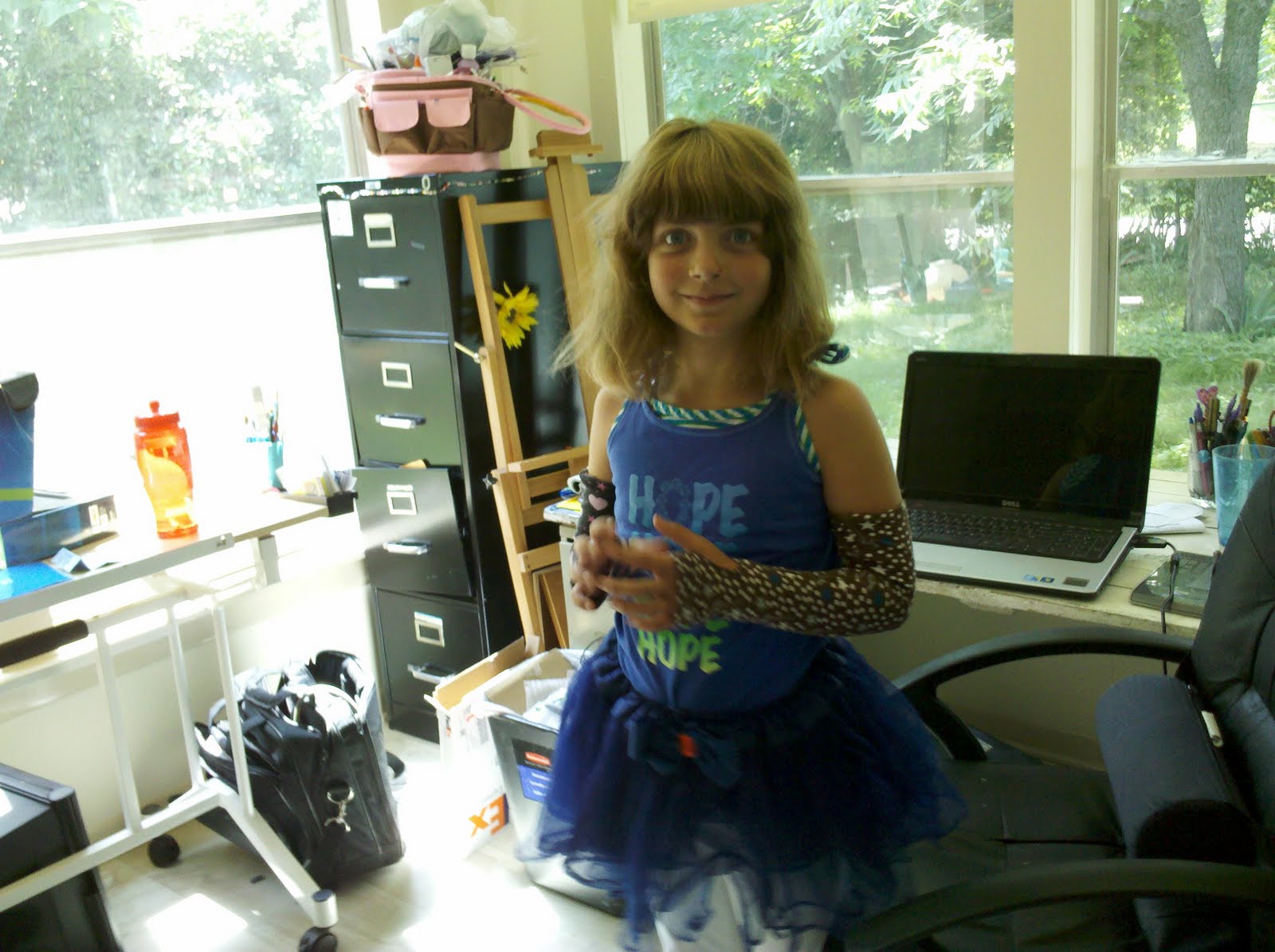
One of My Minion's- Umm- Children, In My Office
Time for the annual quandary: How do you run a successful freelance writing business while the kids are on summer break? Here are some things to try:
Work after the kids are asleep. This also has the added bonus of my office/sun room being nice and cool.
Sending the kids to vacation bible school. This is only for a few hours a day and only lasts for a week, but I'll take what I can get!
Ship them to family members every now and then. My girls have already been to my mom's for the weekend twice.
Work while the kids are completing their daily chores. They'll be occupied and won't be saying "Hey, Mom!" every five seconds. (They're doing chores right now, in fact.)
The Woes of the Freelance Writer's Search

You're Being Followed
By Berkeley Robinson
You know what I hate? When I'm researching a product to write about and Amazon saves my search history. Then, for weeks, I get emails trying to encourage me to buy similar products. No, I don't want to buy a solar radio. No, I don't want to buy a $300 generator that has a radio in it.
It gets me to thinking though. What if writers could track what their readers are interested in and write articles based on that information?
Well, we can.
Take a look at your website or blog's stat information. Did a reader come from StumbleUpon or Digg? Follow that link back to the site and see what other articles that account has saved or shared. You may learn some valuable information about your readers.
Judge Ye Not Journalist/Blogger/Writer

Mean Writers Suck
A while back a got a message from a reader informing me that I'm not a journalist. I'm sure many bloggers get messages like this since some journalists feel threatened by internet writing. Some say blogs and content sites are taking away their jobs. Others say the internet is lowering journalistic standards.
Now, don't think I have a vendetta against journalists. I went to J-school (what journalists call journalism school), actually. I was my college's newspaper editor, as well as the editor of a college club's newspaper. Just because I blog or write for the internet

doesn't make me a bumpkin. Just because another writer didn't go to journalism school doesn't make him or her a worse writer than someone who did, either.
It's all about choices.
I choose to write primarily for internet mediums because they pay more quickly than other publications. Someone else may go with writing for magazines because a minority of them pay $1 per word. To each his own.
We writers need to stop judging each other based on silly preconceptions. If a writer has a strong voice and her writing is entertaining or informative, that's all that really matters. How they make their money or where they went to school is their own business.
Surprises and the Freelance Writer

Three weeks ago we stumbled upon a house that just went on the market. It was completely remodeled and priced so low that we simply had to snatch it up before someone else made an offer. We weren't planning on buying a house this year, but you never know what blessing will be thrown your way.
The same holds true for freelance writing. You never know when a new prospect will be thrown your way, but you must be prepared and willing to jump in before you lose it.
How do you stay prepared?

Keep a list of article ideas on topics that you frequently write about so that you can whip up an article idea list for a client at a moment's notice. Have a list of experts that you can contact for quickie interviews and quotes. Keep an "emergency" work hour open for new clients. You can make this hour separate from your regular working hours and only use it when you are in dire need. It can be the hour before your family wakes up or the hour after everyone else goes to bed, for example.
Something for New Freelance Writers to Think About
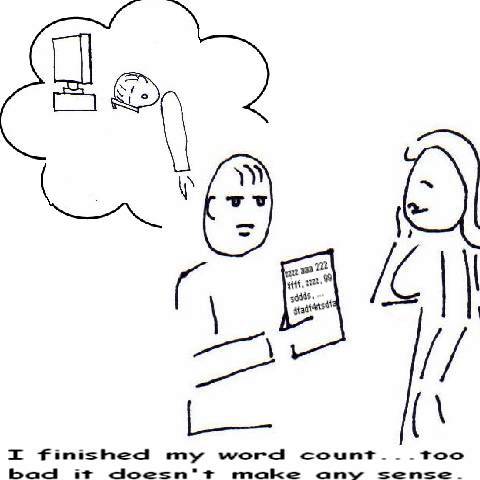
Cartoon by Alina Bradford
I read a lot of freelance writing tip blogs. One major thing that I notice is the "You only have to write six articles each day to make a living as a freelance writer!" mantra. At the end of the blog post there's always several comments saying, "Oh wow! It's so simple! I can't wait to get started with my new career!"
Hold your horses there, Newbie.
Times have changed. There used to be a time when you could log onto sites like BrightHub or Demand Studios, knock out six articles in a couple hours and be done for the day. That freelancing world no longer exists. Content sites are tightening up their requirements for articles, requiring writers to do extensive research. This takes more time, and eventually lowering your pay rate. Six articles per day isn't a realistic goal.
Besides, do you really want to write six articles, day in and day out, for years? Can you say super nova burn out?
Also, many content sites are also turning to experts for their articles. For example, Bestcovery requires its writers to only write articles on subjects that they have in-depth experience with. This doesn't mean you can write about the subject if you've written about the subject before. No, you have to have some form of degree or job history that cover's the subject's basics.
Now, I don't mean to discourage new writers, just inject a little bit of reality. Don't expect to be able to pay your bills with content sites. Aim higher.
Brain Performance Drink for Writers?

Through one of my writing gigs I was offered a free sample of BriteSHOT, a "brain performance drink." Huh? I've heard of muscle enhancers, but never brain enhancers.
According to the bottle it is supposed to make it easier to focus, concentrate and remember things. Sounds like something a writer could use, right?
Despite my better judgement, I just downed the self-severing sized bottle.
It was beyond disgusting and burned my throat. Not. A. Good. Sign.
It doesn't say how long it take to work, but I'm not feeling anything yet. Though, the experiment did inspire me to write this blog post. I guess it goes to show that trying something new is a great muse. Next time you're stuck for an article idea or blog post, get out of your office chair (or stay in it, like me) and do something new.
Making Money Quickly Without the Drama of Working Extra Hours
Last month, because of some paperwork mishaps, my husband didn't get paid one of his paychecks. So, this month we are a little sort on cash.
Working more hours to make up for the shortfall until the missing paycheck arrives seems like the obvious choice, but wait. There are ways to make some quick cash without working overtime. Here's some things I've been doing:
Selling my digital camera on Ebay. I got a new, better one for Valentines day, so it makes sense to make a profit from my old, still nice one.
Selling books that people have given me, but I don't want, on Half.com.
Lowering my Dish TV package so that we save $20/month. Money saved is money earned, after all.
Here are some more things that I could do to raise quick money:
Have a yard sale.
Sell broken jewelry using sites like Cash for Gold.com.
Sell items to a pawn shop, Pawn Stars style.
Take our huge pile of trash bags full of empty soda cans to the recycling place.
Take our coin jar to a coin counting machine like Coin Star and turn it the change into cash.
Have any more ideas? Let me know in the comments!
The video below is a song that really fits with this post. It's
I Need a Dollar
by Aloe Blacc.
A Welcomed Surprise and Added Income for My Writing Business

A few months ago I syndicated my blogs through
Amazon Kindle Publishing for Blogs
. I figured, what the heck? It only took a few minutes and who knows?
And then I forgot about it.
So imagine my surprise when I got an email alerting me that money was deposited into my checking account. It turns out that people have been buying my blogs for months and I had made money and didn't even know it! That was a welcomed surprise.
So, today I accessed my account and added two more blogs to the mix. Maybe I'll make twice as much!
Go give it a try with your own blogs. You may make some surprise money, too.
How to Write a Product Review Without the Products
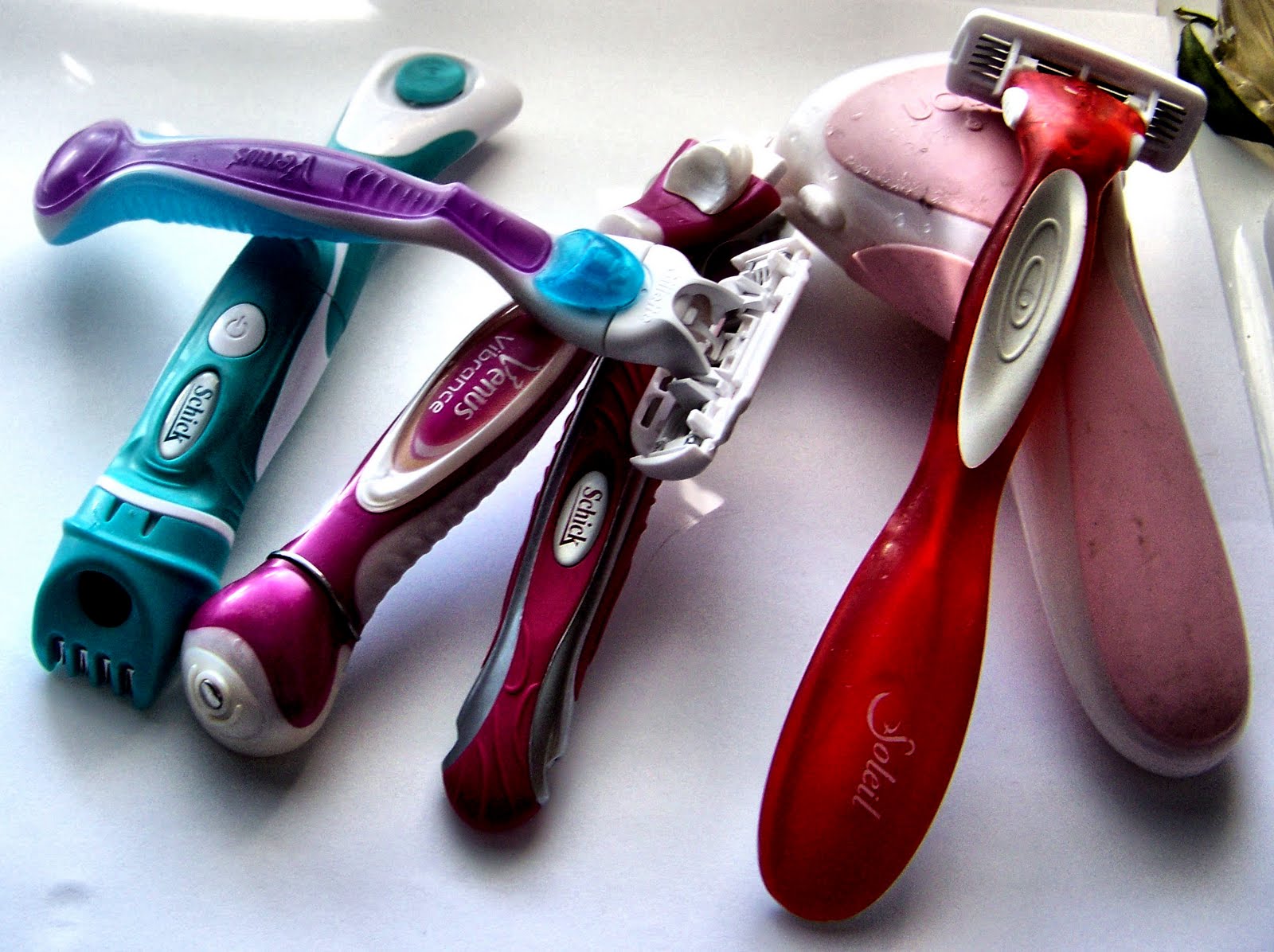
Try Before You Write? by Alina Bradford
I often write for publications that assign me product reviews to write. Now, there's no way that I can afford to test these products, and often, companies don't give you samples without a lot of runaround...and then they still forget to send the samples.
So, how do you write a balanced, fair review without the product?
Very carefully, my friend. Here's my process.
First, if you are allowed, only pick products that you already have a familiarly with. For example, if you do photography as a hobby, you probably already have a pretty good idea of which camera or film brands are the best.
I like to choose reviews where I have already tried several of the products in real life for whatever reason. I may not have tried all of them, but I have a pretty good feel for the industry and what products are available.
On websites, look at the manufactor's specs for the item and compare it with the specs from another item. For example, say I was reviewing cameras, I would note that one camera had a 20x zoom while the other camera had a 10x zoom. Obviously, the camera with the 20x zoom is better. So I caulk that up as a point. Next, I'd see if the 20x zoom camera had other features that the other camera didn't, and so on. Go from there and compare these top brands using data that you compile from the manufacture's website.
Then, to top off your own knowledge about the products and the information that you have gathered, read USER (not reviews on websites written by other writers) reviews on sites like Amazon. The reviews just give you a little more insight so that you can be sure you are giving a balanced review.
After compiling all of this research, you should have enough information to write a quality review. This plus side of this type of reviewing is that it won't be muddled with your own bias; it will just have factual comparisons.
Designing Ebook Covers and Book Covers

Hi all,
Just a quick note: It occurred to me that I should let my readers know that I design ebook and book covers. So, if you need something, let me know and I'll help you out. Visit my website for examples of my work and price information.
10 Ways Writers Can Make Money
Writing for Money by Alina Bradford
I see new writers asking on forums all the time, "How can I make money as a writer?" Well, I've decided to answer that question here- and no, I'm not going to suggest writing for content mills or other obvious places like magazines or newspapers.
Here we go:
Write your own ebook about something that fascinates you and sell it on your blog or using a Kindle platform. Lots of writers are have a lot of luck with this. Write Tweets and Facebook posts. I wrote a bit about this on my Tweeting for Money post. Write sponsored blog posts. Check out Sponsored Blog Posts and IZEA. Write articles for online newsletters. I do this a lot and it brings in quite a bit of cash. Just look on job boards for companies that need newsletter writers. Write product and book reviews for roundup websites. Another big money maker for me. The key is to review things that you love, so the writing is easy breezy. Become an affiliate blogger. This is basically writing blogs and then adding links to products that your readers may be interested in. If they buy the product, you get a cut of the profits. See? I did it to the right---> Write product descriptions for company websites. I have made fantastic money doing this. Do you have a background in advertising? Try writing slogans for companies. If you like photography, pitch your photographs with your articles. I know, this technically isn't writing, but think of it as an accessory to your writing. Like to travel? Write mini-guides for sites like Visual Travel Tours. Here's my Helena, Montana guide for an example.
There you go. 10 ways to make money as a writer that aren't the usual vanilla suggestions. Let me know if you think of any more or if you want more information on any of the suggestions.
Demand Media Gets Hit By Panda...Finally

Demand Studios and Panda by Alina Bradford
Google had promised that Panda was for sites like eHow, yet the first wave seemed to completely miss Demand Media. This time though, it seems like eHow got hit like a man in the ring with George Foreman, according to many traffic tracking sites and web trend sites, like WebProNews and It Pro Portal.
So, what does this mean? Well, Demand has been frantically restructuring their way of producing articles. Most articles now have to be written by "experts" and have lengthy references. Even though the standard have tightened, the pay has stayed about the same. My guess is that most writers will jump ship like I did almost a year ago.
How's My Suite's Earnings?

Suite 101 Stats

As most of you probably know, Suite 101 took a hit when Google's Mayday came in spring of 2010. It took a huge hit when the US Panda algorithm ( Mayday and Panda are a change in the way Google ranks articles and websites in their search results) came out. It took another huge hit when Panda went worldwide. How bad was I hit? Well, here are the facts:
I have 310 articles at Suite. My regular number of page views before Panda was around 19,000 per week. My page views are now around 9,000 views per week. My highest earning month was January 2010 with $313. Last month's earnings were $150.
So, when I had around 200 articles I was making twice as much as I am with 310 articles. Friday I made 90 cents. I haven't made that little in a day since my first year writing for Suite.
What's really scary is that without my Feature Writer bonus I would be making almost nothing at all.
Many Suite 101 writers are reporting improved revenue after they tweak their articles. (The tweaks they've made are laid out in my last post, if you're interested.)
I haven't made any tweaks yet and I haven't added any articles since Panda. I had decided that until Suite makes some big changes I'm in a holding pattern. I've got some articles planned for my section, though, so I'll probably be adding some new material soon.
SEO Residual Income Writing Post-Panda Tips

SEO residual income writing gives writers the chance to write about whatever they want and make money. In post-Panda times, many writers are wondering how to still earn with their articles and gain Google's love.
Well, I've trolled forums, listened to other writers and read news articles to come up with the key to what Google is looking for in articles. Here's a process I've come up with to meet new Google guidelines. The crossed out lines are what people used to tell you to do to get Google points that aren't true anymore.
Come up with a list of topics you would love to write about. They can be anything at all. Remember, if you are interested in the subject, chances are thousands of others are, too. Take your idea and type it into Google's Adwords Keyword Tool. Click on "Get Keyword Ideas." The site will create a list of keywords that you can easily choose to slip into your articles for better SEO. Be choosy. Pick the phrases and words that work best with your article and that get the most traffic. Remember to use a few of these keywords (around two is best) into the title, too. SEO should come organically. Don't worry about jamming your article full of keywords. Google penalize articles that are too stuffed with keywords because they look spammy. Repeating the word or phrase 3 times per 400 words is plenty. Add a couple of outgoing links to your article to add search engine friendliness. Only use one or two internal links. Use only original content in your articles. That means don't use passages from other people's articles or even your own that is published elsewhere. If you are posting your articles on your own site make sure that the ads are kept to a minimum. I've heard that keeping ads "under the fold" is best, meaning, you would need to scroll down to see them.
I'll try to add to this list as I gather more information.
Researching and Building a New Blog

Currently, I'm building a new blog as part of my new campaign to build income that only I control. Unlike all my other blogs, I actually did research before I started. Here's my process:
My first step was to research keywords related to my blog's subject. I did this using Google's Adwords Keyword Tool. I looked at the keyword's competition, estimated CPC (cost per click) and how often the keyword is searched per month. This gives me an idea of what my readers will be looking for and how much I may make. I brainstormed for a name that is clever, memorable and uses a good keyword. Then I did a web search for names that are similar. After I made sure that the name I chose hadn't been done before. I make sure that the web address is available. If it wasn't available, I started from scratch. The building of the blog happed once I worked out the name and the address. I picked colors, font, ad placement, etc. All of this will probably be changed a hundred times in the coming days. Now I'm designing a logo to make the blog more memorable.
If you want to take a look at my progress, you can check out my new blog here: The Savings Spy