

How to Keep Your Employees Informed without Hosting Another Meeting
There are only so many times people can hear "Can everyone see my screen?" before they mentally check out. You have probably felt the same more than enough times, even if you’re also guilty of creating these meetings, right? Well, virtual meetings were kind of exciting at first, but now? Now they’re just another thing to survive. Seriously, how can you expect better employee engagement when basically everyone (vocal or not) absolutely hates meetings? Sometimes, they really do feel like a waste of time, right?

Just think about it for a moment; everyone’s calendars are slammed, the tech issues never seem to go away, and half the time, the whole thing could’ve been an email anyway. That’s the biggest of them all. Why waste time in a stupid meeting when this could have literally been said in an email or a quick Teams message, right?
Okay, well, here’s the honest truth: not every little update needs a meeting. Sure, some people knew this, but then there’s some that still believe it’s necessary when in actuality it’s not. So, there’s some things that just need to be said clearly and left alone. If you're trying to keep your team in the loop without dragging them into yet another video call, it might be worth brushing up on how to write a memo that actually gets read. It’s classic, and yeah, this gets the job done.
But anyways, let’s look more into how to avoid meetings while still keeping everyone informed (and yeah, it’s pretty easy).
The Meeting Overload is Getting Out of Hand
Well, for starters, nobody’s against staying informed, but the constant stream of meetings? That’s a lot. Like a whole bunch, maybe too much. So, between weekly syncs, check-ins, and surprise invites, it’s easy to forget what the meeting was even for. And by the time everyone has finished talking, there's barely time left to actually do the work.
Well, here’s the cold, hard truth: meetings get used as a catch-all. Got a tiny update? Meeting. Want to share a link? Meeting. Changing the office snack order? Meeting. When all you needed was two paragraphs and a send button. Yeah, it’s obvious, but people can read updates when they’re ready, re-read if they need to, and no one has to fake-smile through a 40-minute monologue about Q3 goals.
Not Everything Needs a Live Audience
Seriously, what’s the point in that, right? Look, meetings can be useful. If you’re brainstorming, making a tough decision, or figuring something out as a group, getting on a call makes sense. But if you’re just sharing info, there’s a better way. It’s called writing it down.
When you match the method to the message, things just go smoother. Want ideas? Sure, then it can be a nice idea to just meet up. Do you need to explain a new policy or share a quick company update? Put it in writing. No extra fluff, no wasted time. Plus, people will appreciate not having another notification pop up when they’re mid-task. It’s respectful. And rare.
Why Written Updates are Weirdly Making a Comeback
At this rate, who doesn’t know this, but currently, we’re living in a sea of chat apps and notification overload. There’s no dopamine getting that; usually, it’s rage. Besides, written updates are actually kind of refreshing. Sometimes, going the whole “analog approach” can be great. They’re quiet, focused, and stick around. Slack messages disappear into the void. Emails get buried. Well-placed internal notes? They get opened, read, and saved. Retro and reliable.
They also help everyone stay on the same page. No guessing, no "he said, she said," just one version of the info, written down and clear. That matters when you're working across time zones or with a team that’s juggling way too many things already.
Writing Things Down Keeps it all Clear
Have you ever been in a meeting where someone goes off on a 15-minute tangent that has nothing to do with anything? Yeah, haven’t we all? Well, it’s about respecting people's time, and it’s about them respecting yours too. So, why not write it down? No, really, so, just writing things down doesn’t do that. It forces you to actually organize your thoughts before sharing them.
So that means the people reading them get exactly what they need, no guessing or decoding required. It's all right there, in plain language. Besides, there’s no need to scroll back through Slack to find that one thing someone mentioned that nobody wrote down. It’s also way more inclusive. Not everyone feels comfortable speaking up in a meeting, especially when they’re new or just not into public speaking. Writing things out levels the playing field.
You Don’t Need a Zoom to Get Buy-In
One of the big reasons people cling to meetings is the whole "What if someone has a question?" thing. Okay, sure, now that’s totally fair enough enough to think about. But if your update is clear enough, most questions won’t even come up. Just think about that sentence for just a moment, if you’re clear enough, then why would there be any questions, right?
Just include a note saying people can reply with thoughts or ask if anything’s unclear. Boom. Dialogue without draining everyone’s energy.
Stop Punishing People for Living in a Different Time Zone
This is aimed towards businesses where their employees and freelancers are all over the world (and nowadays this is the norm). So, if you’ve ever tried to schedule a call with someone halfway across the world, you know how impossible it can feel. Someone’s always waking up too early or staying up too late, and honestly, no one’s doing their best thinking under those conditions.
Sure, meetings are sometimes needed, but at the same time, written updates skip all that nonsense. They’re there when people are ready, no weird time math required. And even for local teams, it’s just nice not to have your flow interrupted by yet another calendar alert.
Meetings Still Matter, Just Use Them Less
Well, that’s the whole goal of this post, and this does nicely sum it up. None of this is to say that meetings are totally useless. They’re just overused. If you start writing down the easy stuff, the meetings you do keep will feel way more valuable. People will actually show up prepared and interested because they know it’s worth their time. And those important conversations won’t get lost in a fog of back-to-back catch-ups that could’ve been summed up in a paragraph.

Better Ways to Engage Your Employees
Employee engagement is really important for the success of any company, big or small. Employees who log in, clock in, and then immediately check out (mentally at least) are never going to be doing their best work for you, nor are they going to be as safe, efficient or engaging as they should be. That means you need to work hard to spark their enthusiasm, but don’t worry because I’ve got you with my top tips for successful employee engagement.

Foster Open Communication Channels
Silence might be golden, but in a workplace it usually means someone is unhappy, confused, or plotting a coffee-fueled revolt. Create spaces where employees can speak up without fear of reprisal. This could be as simple as a physical suggestion box—preferably one painted in neon colours so people actually notice it—or a dedicated Slack channel where team members share feedback. When leadership responds promptly, even to half-baked ideas, employees realize their voices matter. Over time, open channels evolve from novelty to necessity, and staff feel less like cogs and more like contributors.
Recognize and Reward Real Achievements
Nothing kills morale faster than a generic “Good job” email broadcast to everyone. Instead, identify specific wins: who nailed that presentation, who managed to resolve a client crisis without dissolving into tears, and who maintained a spotless attendance record despite a family of sniffles. Hand out quirky badges, give shout-outs during meetings, or offer small perks such as a reserved parking spot for a week. You can even display electronic safety scoreboards for departments, showing not only compliance stats but also creative accolades like “Clean Desk Champion” or “Email Reply Hero.” When recognition is timely, specific, and sincere, employees feel valued rather than robotic parts in a corporate machine.
Invest in Personalized Professional Development
Generic “mandatory” training sessions tend to feel like extra homework. Instead, ask employees what skills they want to develop—coding, public speaking, or mastering the art of not hitting “reply all” on every email. Provide access to online courses, invite industry experts for lunchtime webinars, or set up peer-to-peer learning circles. When your team sees that investing time in their growth directly benefits their career path, they are more likely to stay engaged and motivated.
Encourage Fun, Low-Pressure Team Activities
Team-building exercises can be cringeworthy if they resemble forced icebreakers from extended HR playbooks. Instead, choose activities that respect people’s diverse interests. Host a casual trivia night with a theme—’80s cartoons, obscure movie quotes, or legendary office blunders—and allow everyone to participate in small groups. Alternatively, organize a monthly “Bring Your Pet to Zoom” day, where employees introduce their furry friends and share stories. These low-pressure events foster camaraderie and remind everyone that work is about people, not just tasks.
Provide the Right Tools and Environment
Imagine trying to draft an important proposal on a 10-year-old laptop with zero battery life. Frustrating, right? Ensuring employees have updated hardware, reliable software, and ergonomic furniture sends the message that their comfort and efficiency matter. Consider flexible workspaces—quiet pods for focused work, collaborative tables for brainstorming, and even a casual seating area for impromptu chats. When the environment complements the work, employees feel supported and inherently more engaged.
Maintain Consistent Check-Ins
Employees do not need to wait three months for formal performance reviews to know where they stand. Schedule brief, informal one-on-one check-ins every few weeks. Ask about their current projects, challenges they face, and what support they need. These genuine conversations demonstrate that management cares, rather than using them as resume fodder. Over time, trust builds and engagement flourishes.
Engage your employees genuinely and you will see their best work!

How Businesses Can Win In 2025 And Beyond
In today’s business environment, ecommerce is no longer just about having an online store; it’s about creating tailored experiences that connect with individual customers. As we move deeper into 2025, personalized commerce is emerging as the most powerful driver of ecommerce growth. Brands that understand and implement this strategy are not only retaining more customers but also significantly increasing their average order values and customer lifetime value.

Understanding Personalized Commerce
Personalized commerce refers to the use of data and technology to deliver uniquely curated shopping experiences to each customer. This includes product recommendations based on browsing history, customized email campaigns, and dynamic website content that adapts depending on who is visiting.
This level of personalization is made possible through the integration of AI, machine learning, and advanced analytics. These technologies allow businesses to gather customer insights in real time and respond with relevant content or offers. The result is a more meaningful shopping experience that turns casual visitors into loyal customers.
Why Now Is the Time To Invest In Personalization
Customer expectations have reached new heights. Studies show that over 70% of consumers expect companies to understand their needs and preferences. If they don’t receive that level of attention, they are quick to explore other options.
The benefits of personalization are clear. Personalized emails generate significantly higher transaction rates, and ecommerce sites that tailor their experience typically see a noticeable boost in conversions. Businesses that embrace personalization are not just keeping up, they are pulling ahead.
Tools That Make Personalization Scalable
Even small to mid-sized businesses now have access to tools that make high-level personalization possible. CRM platforms, AI-driven recommendation engines, and customer behavior tracking software can all be integrated into today’s ecommerce ecosystems.
Consider Shopify plus stores. These platforms offer advanced features and integrations that allow businesses to personalize everything from homepage banners to checkout experiences. Merchants can display products based on specific customer segments, recover abandoned carts with relevant messaging, and test different personalized layouts to see what performs best.
Strategies To Implement Right Away
If you’re new to personalization, here are a few practical steps to get started:
Segment Your Email Lists: Group customers by behavior, location, or purchase history to send more relevant messages.
Use On-Site Recommendations: Add “You May Also Like” sections based on browsing or shopping behavior.
Retarget Thoughtfully: Instead of broad ads, focus on specific items or categories a user interacted with.
Customize Post-Purchase Journeys: Send personalized thank-you emails and recommend related products or services.
The Human Element In A Digital World
While data and automation drive personalization, the heart of it lies in empathy. Businesses that succeed in this space view personalization as a way to build genuine connections with their customers, not just increase sales.
As ecommerce becomes more crowded and competitive, brands that deliver relevant, personalized experiences will stand out. They will not only attract more customers in 2025 but also earn their lasting loyalty.
Personalization is no longer optional. It is a key strategy for growth, and those who adopt it will be the ones leading the next chapter of digital commerce.

The Practical Path To Building Lasting Wealth
Building wealth is not a result of luck or sudden windfalls. It is a process that requires long-term consistency, informed decision-making, and disciplined habits. Many people think the answer lies in earning more, but wealth creation often depends more on how money is managed than how much is made. With a strategic approach, individuals and business owners alike can begin to shape a more secure financial future.

Start with Clear Goals and a Defined Plan
Wealth begins with purpose. Whether the goal is financial independence, early retirement, or supporting the next generation, clarity drives action. Set short-term and long-term financial objectives that are measurable and realistic. From there, outline a plan that breaks larger goals into achievable steps.
Successful wealth builders regularly evaluate spending, reduce unnecessary expenses, and prioritize saving. Automated contributions to investment accounts or retirement plans help remove the need for constant decision-making. Budgeting is not restrictive; it is a tool for greater control and intentionality.
Invest Early and Wisely
One of the most powerful factors in wealth building is time. The earlier money is invested, the more opportunity it has to grow through compounding. Even modest contributions can yield significant results over time if invested consistently in diversified assets. Avoiding emotional decisions based on market fluctuations is key. Instead, adopt a steady approach that aligns with long-term goals.
Knowledge matters as well. Investors should understand basic principles such as asset allocation, risk tolerance, and tax efficiency. While some choose to manage their portfolios independently, others benefit from working with professionals. Choosing the right support can prevent costly mistakes and accelerate progress.
Build Multiple Income Streams
Relying on a single source of income often limits financial growth. Wealth is more resilient when supported by multiple income streams, such as real estate, dividends, side businesses, or royalties. These income sources can supplement a primary job. Reinvesting passive income is a simple way to expand financial resources without increasing active labor.
This approach also adds stability. Should one income source decline, others help maintain momentum. Over time, some of these streams can even become the primary source of income, offering greater flexibility and independence.
Protect What You Build
Wealth creation is only part of the equation. Retaining it is equally important. Insurance, estate planning, and risk management play a vital role in protecting assets from unexpected setbacks. Review insurance policies regularly and ensure they reflect current needs. Proper estate planning helps ensure assets are transferred according to your wishes.
Tax planning also supports wealth preservation. Legal strategies can help reduce tax burdens and increase available capital for investment. Professional guidance in this area, such as financial planning and wealth management services, can simplify decisions and bring clarity to complex situations.
There is no shortcut to financial freedom. Building wealth requires discipline, patience, and a willingness to think beyond immediate gains. Those who succeed are not always those with the highest incomes but those who make consistent choices over time that align with well-defined financial goals. For more information, look over the infographic below.


The Hidden Respiratory Risks Of Pool Chemicals
Swimming is a popular and refreshing way to exercise and unwind, but the chemicals used to keep pools clean can carry hidden health risks. While chlorine and other disinfectants are essential for maintaining water quality, their impact on the respiratory system is often overlooked. Understanding how these substances interact with the body, especially through prolonged exposure, can help swimmers and homeowners make more informed decisions about pool use and maintenance.

Chemical Reactions in the Air
When chlorine is added to pool water, it reacts with organic material such as sweat, urine, and skin cells. This reaction creates byproducts known as chloramines, which are released into the air just above the pool's surface. Chloramines are known irritants and can cause symptoms like coughing, throat irritation, and eye discomfort. Indoor pools, in particular, present a greater risk because of poor ventilation, which allows these gases to accumulate in the air.
Children and individuals with pre-existing respiratory issues such as asthma are especially vulnerable to these effects. Even in healthy individuals, extended exposure to high concentrations of chloramines may lead to a decline in lung function over time. This is especially concerning for competitive swimmers and frequent users of enclosed aquatic facilities.
Understanding the Lung Response
The human respiratory system is sensitive to airborne pollutants. When chloramines are inhaled, they can inflame the lining of the airways, leading to symptoms similar to those of asthma or bronchitis. Studies have shown that frequent swimmers may experience airway remodeling, a condition in which the structure of the lungs changes, making breathing more difficult and recovery slower. Chronic exposure to these irritants may also contribute to increased susceptibility to respiratory infections and longer recovery periods after exercise.
This reaction is not limited to elite athletes. Children who regularly swim in indoor pools may develop respiratory symptoms sooner than those who swim outdoors or less frequently. These effects can be amplified by long sessions in pools that are improperly ventilated or where chemical levels are not carefully controlled, especially when maintenance routines are inconsistent or facility standards are not routinely reviewed.
Mitigating the Risks
Reducing the respiratory risks associated with pool chemicals requires attention to pool design, maintenance, and behavior. Ensuring proper ventilation in indoor pools can significantly lower chloramine concentration in the air. Swimmers can also take preventive steps by showering before entering the pool, which reduces the amount of organic matter in the water.
Pool owners can work with professionals to regularly test and adjust chemical levels to maintain safety. Using high-quality infrastructure, such as Schedule 40 PVC fittings, can also help ensure that chemical delivery systems operate safely and efficiently, minimizing leaks or improper dispersal of chemicals.
Protecting lung health around swimming pools involves more than just clean water. Awareness of how airborne chemical byproducts affect the body can help individuals enjoy the benefits of swimming while reducing long-term health risks. With thoughtful practices and attention to facility maintenance, it is possible to strike a balance between safety and recreation. For more information, look over the infographic below.


Why Cold Drinks Drive Sales: The Psychology Behind The Refreshment
Cold beverages are more than a refreshment. They are a subtle but powerful sales tool that taps into consumer psychology. Whether it is a grocery store, coffee shop, or convenience market, the presence of chilled drinks can significantly increase customer spending. The sensation of cold is tied to comfort and impulse behavior, making these products uniquely positioned to encourage unplanned purchases.

Temperature and Impulse Behavior
Studies in consumer psychology suggest that temperature directly influences behavior. A cold beverage activates the brain’s reward system and creates a feeling of immediate satisfaction. When customers see a drink sweating with condensation, it triggers an almost automatic response. That quick, visual reminder of thirst often leads to a spontaneous purchase, even when the customer did not originally intend to buy a beverage.
Retailers have long used this knowledge to their advantage. Placing cold drinks near checkout lines or store entrances is a common tactic because customers are more likely to grab a bottle while they wait or browse. This behavior is amplified on hot days or in crowded spaces.
Association with Comfort and Enjoyment
Cold drinks are also closely linked to leisure and enjoyment. Think about how people describe a relaxing summer afternoon or a break during a hectic workday. The image often includes something cold in hand. That association builds a sense of comfort that influences purchasing behavior.
Many consumers view beverages as an affordable indulgence. Unlike bigger purchases, grabbing a cold coffee, soda, or smoothie feels low-risk and satisfying. This psychological framing makes drinks easy to justify, especially during stressful or tiring days.
The Importance of Visibility and Presentation
While the product matters, presentation plays an equal role in increasing drink sales. Customers are drawn to displays that look clean and inviting. The way beverages are presented affects whether someone stops to consider them. Lighting, branding, and accessibility influence the perceived quality and value of the drink.
This is where equipment choice matters. Stores that invest in quality retail display coolers see higher performance because the visual and functional presentation supports customer expectations. Coolers that keep beverages cold and easy to see create an effortless buying experience.
Creating the Right Environment
Beyond product and presentation, the surrounding environment plays a critical role. Ambient temperature, store layout, and the strategic placement of coolers all contribute to consumer decision-making. Cooler locations near high-traffic zones or impulse purchase areas are more likely to convert browsers into buyers.
This experience can be made even more effective with cross-merchandising strategies. Placing cold drinks near snacks, sandwiches, or grab-and-go meals creates a connection between items and increases the average transaction size. Customers who initially came in for one item may walk out with several.
Cold drinks appeal to instinct, comfort, and habit. Their ability to satisfy a basic physical need while also feeling like a reward makes them an ideal product for driving revenue. A cold drink is never just a beverage. It is a trigger for increased engagement, longer dwell times, and ultimately more sales. For more information, look over the infographic below.


Is It Really Worth Outsourcing?
As your business expands, so too do its responsibilities. Soon you find yourself juggling tasks from payroll calculations to customer queries and decoding legal intricacies to creating marketing campaigns. Yes, it can all become too much and just frustrates you to no end. Outsourcing can be your business's ally, and in this blog, we will look at its pros and cons on some of the important areas you can outsource.

Payroll Outsourcing: Numbers Without the Nightmares
Payroll may appear straightforward, but one mistake can lead to tax penalties or unhappy employees. When you outsource your payroll, however, you can be sure that your payroll is accurate, compliant with regulations, and you are also saving valuable team member time. You will also have relief from spreadsheet overload or deciphering recent tax amendments. Of course it's important that a reliable provider be chosen as trusting just anyone with your employees' paychecks could be risky.
Customer Care Outsourcing: Superheroes Behind the Line
Delivering exceptional customer care requires hard work and expertise. To meet this challenge, your customer care division needs to bring their “A” game every day. By outsourcing customer service, you can entrust it to professionals, ensuring client interactions go smoothly while protecting against internal team burnout. A huge advantage is that they are able to offer 24/7 support, making assistance accessible anytime day or night. Maintaining customer trust requires building personal relationships, so selecting an outsourcing partner that reflects the tone and values of your brand to create an effortless customer experience. Today's customer-driven world demands that businesses focus on customer experience first and foremost. Successful outsourcing means striking the right balance between efficiency and empathy to keep your business approachable and trustworthy to its clients. Outsourcing can help transform customer care into an integral component of your brand image.
Legal Outsourcing: Sleep Easy, Stay Compliant
Contracts to compliance matters can be very stressful for small businesses. Outsourcing legal services offers a practical solution by giving access to expert guidance without incurring significant attorney costs in-house. They offer invaluable help with complex challenges while keeping you compliant. However, choosing the wrong outsourcing partner could cause major headaches, so you need to make the best selection possible and stay safe on both sides of the law.
Marketing Outsourcing: Big Ideas, Bigger Results
Marketing outsourcing can be a bottomless source of growth and success for any business. From your website to social media posts and ad campaigns, partnering with experienced specialists ensures you get innovative ideas, strategic planning, and measurable returns on investment (ROI). Outsourcing marketing efforts allows businesses to leverage professional expertise while sidestepping the risks associated with investing resources into subpar campaigns. Skilled marketers may carry a higher price tag, but their ability to deliver effective and surefire results make the investment worthwhile. Investing in quality marketing is ultimately a smart business growth strategy.
Conclusion
As with any good business decision, outsourcing's worth ultimately rests in its individual context. Outsourcing can save time, reduce stress levels and bring expertise where your resources may lack them. However it requires extensive planning and screening of potential partners that align with your company values and goals if done properly. Done rightly though it not only lightens the load but propels your business growth too. Ultimately though it's about smart work not cutting corners, so why would anyone turn down such an offer?

Starting a Hobby With the Right Tips (& No Stress)
Hobbies can be great for more than a few reasons. With the right one, you can enjoy yourself, relax, and have quite a bit of fun. You’ll even make more than a few friends while you’re at it. But, starting a hobby can seem a little tricky, whether it’s blogging or something outdoors.

You mightn’t know where to start with it. Thankfully, there are more than a few tips that make this a whole lot easier. Putting the time and effort into them from the start should make getting into a new hobby relatively simple. Three of these should help you more than you’d think.
Break it Down into Small Steps
Starting a hobby can be intimidating because of how much is involved in it. That doesn’t mean you’ve to take everything on at once. Breaking it down into small steps could be more than enough to help with this. At a minimum, it’ll make the process feel a lot less overwhelming.
Taking small steps lets you figure everything out at your own pace. Writing down the exact steps you need to take is a great start with this. After that, it’s just a matter of taking one step at a time. You’ll be enjoying yourself before you know it.
Invest in the Gear
Some hobbies need a bit of equipment for you to get started. While it’s often worth only picking up the basics at the start, it’s always worth investing more in this as time goes on. The more you put into it, the better you should enjoy your hobby. You’ve no reason not to invest in it.
That means buying gear that’ll actually last you a while. It could even be worth getting a few replacement parts for some of your gear, like an IHPS peltor mount for some gear. A lot of this could depend on the type of gear you pick up.
Make it a Habit
When you start a new hobby, it’s natural not to be amazing at it. You’re still new to it, so there’ll be a certain learning curve. Don’t let that put you off, however. You’ll get better and better at it in time. It’s just a matter of making it a habit going forward.
Spend some time on it every week so you can keep practicing and getting better. Having a schedule for this can be great, and you’ve no reason not to skip it. Even if you’re not great at it, you’ll get better at it in time.
Starting a hobby can be interesting for more than a few reasons. It lets you relax, enjoy yourself, and even make a few friends. But, starting off can feel a little anxiety inducing. But, it doesn’t need to. Once you’ve picked the right hobby, it’s just a matter of using a few tips.
Some of these will help a lot more than you’d think, even if they’re quite easy to use. There’s no reason why you shouldn’t end up enjoying your new hobby before you know it.

5 Ways to Improve Your Dental Health and Smile Confidence
Improving your dental health and boosting your smile confidence is important in life, whatever age you’re at. Whether it’s addressing some problems with your teeth that you’ve had for a while, or getting your dental check-ups booked in regularly, there are plenty of ways to address any concerns when it comes to your teeth and oral care in general.
Here are five ways to improve your dental health and smile confidence this year.

Focus on consistent oral hygiene
Focus on consistent oral hygiene when it comes to improving your dental health and smile in general.
Ideally, you should be brushing your teeth two times a day or three times in order to clean your teeth after every meal. The longer any food or drink is sitting on your teeth, the more damage will occur as a result.
Focusing on consistent oral hygiene will also help to reduce the chances of dental damage that needs addressing. Don’t forget to lightly brush the gums and scrub the tongue to get rid of bacteria. A good floss and mouthwash will also help to address all the areas that your toothbrush can’t get to.
Limit sugary foods and drinks
Sugary foods and drinks are going to do damage to your teeth over time, so it’s good to be mindful of how much sugar you’re having every day.
One or two spoons of sugar or syrup in your morning coffee and fizzy drinks are all contributing to the damage sugar does to your teeth. Try to limit sugary foods and drinks where you can in order to avoid having to take an early visit to the dentist for broken or rotten teeth.
Attend the dentist regularly
While not everyone enjoys the dentist, it’s imperative that everyone gets their teeth checked out because oral health is tied to a lot of your general health and well-being.
By avoiding the dentist, you’re likely to let a lot of underlying problems go undetected, and that can cause permanent damage to your teeth if you’re not careful.
Consider making it an annual trip to your dentist so that you’re at least getting your teeth checked out professionally once a year. Your dentist will be able to recommend what’s best for your oral health, whether that’s braces to the best dental composites.
Quit smoking and avoid any bad habits
Smoking is one of those bad habits that can do a lot of damage to your teeth over time. From yellowing the teeth to causing tooth decay. If you’re smoking, then it might be something that you should consider either quitting or significantly reducing, where possible, for the health of your teeth.
Other bad habits, like drinking too much coffee, can also cause damage to your teeth.
Don’t let problems get worse
Finally, don’t let your problems get worse. Even if you’re a few weeks post-dentist checkup. If there’s an issue that you’ve noticed, especially where it’s causing pain or doesn’t look right, get it checked quickly.
These tips will ensure that your dental health improves and your confidence improves.

A Closer Look At Packaging Waste And Where It’s Headed
Packaging is everywhere. It wraps, protects, advertises, and contains nearly every product that moves through the supply chain. Yet once the product reaches its destination, what remains is often a pile of plastic, cardboard, or composite material destined for landfills, incinerators, or recycling facilities. While packaging plays a critical role in product safety and brand visibility, its afterlife has become a mounting concern for many. Understanding where the waste originates, why it accumulates so rapidly, and what systems are failing to curb it is essential to creating long-term strategies for reduction and reuse.

Why Some Waste Matters More Than Others
Plastic dominates the packaging waste stream. Its light weight and versatility make it a go-to option, yet most single-use plastics are not easily recyclable. Flexible films, multilayer pouches, and blister packs often end up in municipal waste streams with no viable secondary use. Cardboard, while more recyclable, is increasingly contaminated by food residue or grease, rendering large volumes unusable for recovery. Glass and aluminum fare better, with higher recycling rates, but they contribute heavily to transportation-related emissions due to weight. The choice of material can therefore determine not only the sustainability of the packaging but also the feasibility of its disposal.
Consumer Behavior and the Convenience Trade-Off
The rise of on-demand culture has had a significant impact on how packaging is designed and consumed. Pre-portioned meals, same-day delivery, and individually wrapped goods cater to convenience but increase the packaging-to-product ratio. Consumers rarely see the cumulative impact, and the convenience factor often overrides concerns about waste. Single-use containers and excessive void fill are designed for speed and protection, not recyclability. The irony is clear. Speed and safety at the cost of sustainability.
Recycling Systems Are Overwhelmed and Underperforming
Recycling infrastructure has failed to keep up with the sheer diversity and volume of packaging materials entering the waste stream. Most municipal systems are designed to process basic plastics and cardboard, but multi-material items clog up the line. Contamination, whether through food waste or mixing non-recyclables with recyclables, undermines processing efficiency and drives costs up. Worse still, many recyclables are shipped overseas where tracking their fate becomes murky. Wholesale box suppliers are exploring eco-friendlier formats, but scalable adoption remains a hurdle.
The Cost of Ignoring the Problem
For businesses, packaging waste is an operational liability. Disposal costs are rising. Consumers are asking more pointed questions. Legislation in some jurisdictions now mandates extended producer responsibility. Waste audits are no longer a CSR checkbox but a necessity for operational efficiency. Brands that fail to address this risk reputational damage, customer churn, and regulatory backlash. Sustainability is no longer a value-add. It’s an expectation.
Solutions are emerging, though progress is uneven. Technology is also being used to track packaging waste and optimize design through data. But lasting change will require industry-wide cooperation, regulatory clarity, and consumer education. Packaging waste is not a single-issue problem. It reflects supply chain choices, consumer priorities, and the urgency of environmental accountability. Check out the accompanying infographic below for more information.


Scaling Start-Ups Without Crashing: Why Growth Demands More Than Speed
Start-ups are born to move fast. Launch, build, pivot, raise, repeat. But speed only gets you so far before the mechanics begin to grind. Scaling is the part that looks like growth but often feels like chaos dressed in opportunity. Founders quickly discover that what worked for ten people breaks at twenty. What thrilled early adopters might fail to move mainstream users. It is not a question of whether problems will surface but whether the company can outpace them with structure before the pressure multiplies.

Hiring is Not the Solution if the System is the Problem
Most founders think growth means hiring. And they are right, to a point. But adding headcount without a clear process is like pouring water into a cracked bucket. You end up with more chaos. Scaling exposes how fragile early decisions can be. Hiring fast can slow you down. Too many people, poorly onboarded, chasing unclear metrics is how funded start-ups stall.
Culture strains. Roles blur. Accountability disappears. The fix is not another round of interviews. It is often the harder work of documenting, prioritizing, and making early decisions scalable before new hires walk through the door.
Product-Market Fit Doesn’t Mean Market Readiness
A product that works for one audience does not automatically work for five. As companies scale, they often assume that more users mean less friction. The opposite is usually true. Expansion requires reevaluating assumptions that were once safe. A pricing model that worked with early customers may collapse under enterprise pressure. A feature that seemed brilliant may confuse larger segments. Suddenly, the product needs to do more for people who are less forgiving.
Operational Debt Is Real
Start-ups often defer decisions in favor of speed. They patch systems instead of building them. They ignore documentation. They run on favors, duct tape, and adrenaline. That works for a while. Then it doesn’t. Operational debt accumulates, and when scaling begins, it demands to be paid in full. Systems fail under volume. Customer service breaks. Sales teams lose track of leads. The business creaks under its own weight because the foundation was never built to last.
The Funding Paradox
Raising a large round can feel like victory. It is often the start of a new pressure cooker. Investors want scale, fast. That usually means headcount, markets, and marketing. The paradox is that with more money comes less room for failure. Decisions become less flexible. Vision gets pulled toward revenue instead of innovation. Founders must now balance growth with sanity, and ambition with realism. Clean tech investing, for example, has seen a wave of start-ups struggle not from lack of innovation, but from misjudging how quickly capital demands returns.
Scaling is never just a function of growth. It is a test of structure, leadership, and judgment under strain. The companies that make it through are the ones that do less guessing and more building. Not faster, but smarter. Not louder, but clearer. Growth that lasts is rarely the fastest. It is the most deliberate. For more information, check out the infographic below.


The Benefits Blueprint: Why Top Talent Stays Or Walks
Keeping great employees is no longer just about compensation. Salary matters, yes, but it rarely stands alone in a retention strategy. Workers today assess the full package. They weigh work-life balance, healthcare coverage, paid time off, flexibility, and a clear path to growth. If these elements are missing or misaligned, no amount of paycheck padding will keep them in their seats. Competitive benefits are not a luxury. They are a fundamental part of workforce stability.

Beyond Pay: What Really Drives Loyalty
Compensation gets people in the door. Benefits are what make them stay. Workers are increasingly prioritizing their health, financial wellness, and time. If your benefits program fails to speak to these needs, competitors will gladly speak louder. Paid parental leave, mental health support, student loan assistance, and retirement matching are gaining attention. Employers offering these see fewer surprise resignations and more long-term engagement.
Employees are also scrutinizing how their employers handle flexibility. If a worker is expected to produce results, then autonomy over when and how they work plays a significant role in whether they feel respected. Companies that embed flexibility into their benefits structures show that trust is not conditional. That trust, in turn, fosters commitment.
Health Coverage Is a Major Decision Driver
Health insurance remains one of the most scrutinized parts of a benefits package. For many employees, poor or unaffordable healthcare is a reason to leave. Meanwhile, companies offering meaningful, accessible coverage are seeing stronger retention rates. It is not just about the coverage itself but how the plan fits into the employee’s life. Cost sharing, provider networks, and supplemental options all matter. For example, small and mid-sized businesses looking to retain talent in competitive markets have turned to group health insurance in Texas as a practical solution that delivers value to employees without overburdening the company financially. If your organization offers substandard health options, you may be creating friction without realizing it. Workers might stay silent until an offer with better coverage lands in their inbox.
Retention Is a Strategy, Not a Reaction
If you are reacting to resignations instead of preventing them, your benefits program is likely outdated or unclear. Companies focused on retention treat benefits as part of the employee experience from day one. They communicate what is available, help employees actually use what is offered, and gather feedback frequently. There is a strategic advantage in listening. Often, small tweaks to benefits packages, like increasing paid time off or offering financial planning sessions, deliver outsized gains in satisfaction. Proactive benefits design communicates long-term investment. It says to employees, we are planning for your future because we want you in ours.
Smart businesses do not wait for exit interviews to discover what went wrong. They build retention from within, using benefits as both shield and signal. Shield, because they reduce the everyday stresses that lead to burnout and disengagement. Signal, because they show that leadership is paying attention. A thoughtful benefits strategy is not just paperwork. It is part of your brand. For more information, check out the infographic below.


Why Your Emails Go Unread: Signals, Noise, And The Inboxes That Ignore You
Most emails die quietly. They arrive, blink for a moment, then sink into the digital graveyard known as the unread folder. Sometimes it's timing. Sometimes it's the subject line. Sometimes it's the cold indifference of a recipient buried under a hundred other priorities. But often, it's a collection of subtle missteps that render your message invisible before it ever gets seen.

Subject Lines That Don’t Spark Interest
A subject line is your first and possibly only shot. If it reads like a sales pitch or sounds like something automated, it gets skipped. If it’s vague or overstuffed with keywords, it blends in with the noise. On the other hand, if it's so mysterious the recipient doesn’t understand what it is, they’ll scroll past. You need clarity with a sliver of intrigue. Precision helps. Relevance helps more. People don’t open emails because they might matter. They open them because they sense they already do.
Messages That Look Like Effort Traps
The modern email reader does not read. They scan. They glance for signs that opening the message will take too long, require too much thought, or contain irrelevant information. Walls of text signal effort. Paragraphs with no structure feel overwhelming. If the point is buried or unclear, most recipients will never get to it. Emails that work tend to frontload value. One sentence, up top, that gives the recipient a reason to care. Not a gimmick. Just clarity.
Poor Timing and Bad Frequency
Email sent at the wrong time is as ineffective as email never sent. Hitting inboxes during peak work hours on a Monday or Friday afternoon reduces your odds dramatically. And if you’re sending too frequently, your name starts to carry a mental tag that says ignore. Worse, you could end up flagged or unsubscribed. There is no universal schedule that works for every audience, but some basic testing and analytics can reveal clear patterns. Ignoring those patterns leads to missed opportunities.
Tone That Fails to Connect
Overly formal messages often feel cold. Overly casual messages can feel unprofessional. Emails that are riddled with jargon or try too hard to sound important come off as artificial. The tone should reflect the relationship. If it’s a first contact, write like a person with a purpose, not like a brand with a pitch. Tone isn't about personality. It's about relevance, empathy, and attention to context.
Better Alternatives Get Better Results
Inboxes are saturated. That’s why some businesses now rely more on direct channels that cut through the noise. An employee text messaging system, for instance, can deliver timely, action-oriented updates without relying on emails that often get lost or ignored. Especially in internal communication, speed and visibility beat formatting and length.
Getting your email read is a skill. It’s part timing, part psychology, and part simplicity. Craft every message like it matters. Because if it doesn’t feel that way to your reader, it won’t matter at all. To learn more about why emails go unread, look over the accompanying resource below.


Leading Your Industrial Business To Success
Running an industrial business certainly has its ups and downs. If you are trying to make the most of it, and to make it a real success, there are a lot of things you may want to bear in mind along the way. As it happens, it’s going to require that you are aware of many different areas of business and approaches, so you can ensure that you are going to have a much higher chance of succeeding overall. And that is something you might want to be aware of from the start.

In this post, we will discuss what you can do to lead your industrial business to success, looking at a wide variety of things that can help and ensuring that you are going to be moving in the right direction at all times. As long as you have thought about the following, you will find that you’re much more likely to end up with a business that really works for you.
Build A Resilient Operational Core
This is one of the main things to focus on first of all, simply because it really is going to be a backbone to any industrial business. You want to make sure that you have peak efficiency going on at all times, and for that you need to ensure you have a truly resilient operational core. That means having lean operations, making use of preventative maintenance, and using real-time data tracking to ensure that you are aware of your operational core and making it as resilient as possible.
As part of that, you’ll want to invest in systems that give you visibility - into things like your inventory, supply chains and equipment status, along with your workforce productivity, just to name a few. Small efficiency gains in all these things are going to lead to significant cost savings over time, so this is something that you should definitely think about. A resilient core is absolutely one of the most powerful things you can have in your business for sure, and you are going to find it succeeds a great deal.
Embrace Tech A Little
You will certainly find that it’s important to embrace technology, because that is always going to help you to keep your business moving in the right direction. But if you are going to make this work, you need to ensure that you are not losing focus with it. It’s all too easy to look at tech as a fix-all or a panacea, but the truth is that it’s just a tool, and you should make sure you are viewing it as such. If you can do that, it will mean that you are a lot more likely to lead your business successfully and really make a huge difference to how successful it can be.
Various tools like AI, automation and IoT will help transform industrial operations. But it’s not a silver bullet, and you should make sure you are not simply chasing trends without checking what it is like in terms of ROi for your business. Instead, work on prioritizing upgrades that solve specific pain points or help open up revenue streams. Those are going to help you to make use of tech in the best way possible.
Prioritize Safety & Compliance
Despite anything else that might be the case, it is always going to be important to put a priority on safety and compliance. This is important because you have to make sure you are doing right by your people, and if you are not doing so you are going to find that you get a lot less out of them and that they are not going to work for you at all. So this is something that you need to make sure you are thinking about, and it might be simpler than you think as long as you put your mind to it.
If you can put a priority on this stuff, it’s going to mean that you are much more likely to actually grow your business successfully, and that you are going to avoid getting in trouble as well - which is important when it comes to industrial businesses, where the workplaces are often very dangerous or at least have the potential to be.
Develop Strong Supplier Relationships
It’s always going to be important to have a strong supply chain, and this is one of those things that you will definitely want to think about and be aware of as well. Part of this is going to be about developing strong relationships with your suppliers because that way, you will have to expend less energy in keeping them and finding them. So anything you can do to help here is definitely going to make a huge difference overall.
It’s about clear communication, mutual accountability and making sure that you are being honest. In other words, it is like building any other relationship, and you can think of it in these very human terms if you are wondering how to make the most of it. As long as you have good relationships here, the supply chain will work for you more effectively and you will find that your business is going to succeed a lot more easily and fully.
Build Your Brand
Just like many other kinds of businesses, your industrial company needs a strong brand. This can take time to build, and you need to make sure you are working on it if you are going to grow your business and lead it effectively. The truth is that building your brand is something you need to practice and work on, and you should make sure that you are giving yourself the freedom to do that in whatever way makes sense for you and your company.
With that in mind, you might also find it helpful to get some professional help, perhaps in the form of industrial marketing companies or similar. That way, you are much more likely to have a brand that works for you and that you are going to be proud of. It’s amazing what this can actually do for you all in all.
Invest In Talent
Having great people around you is always going to be important, and it’s one of the best resources you can have in any business. In the industrial world, this usually means that you are finding people with a lot of experience and who know what they are doing to help run your business. In particular, you may want to try and look out for people who are likely to be good leaders, because they are always going to be invaluable for the development of your business as a whole.
So make sure that you are finding good people, but also that you invest in them through training and education, and making sure that you are helping them to upskill. This is the kind of thing that really helps them to develop and it means that everyone benefits in the end. So make sure you remember this.
Those are just some of the things to think about when it comes to leading your industrial business to success.

Constructing a Commercial Property for Your Business? How to Get it Right
Having the best possible commercial premises is crucial if your business is to run at its best. Ensuring that your company has a base that is perfectly matched to its needs will make it so much easier for your business to reach its potential and run efficiently. Often, the best way to achieve this is by constructing your own business premises from scratch. This enables you to have full input in the design of the building so you can ensure the space is optimized to match your business operation. However, to ensure your new business premises matches your expectations its essential to prepare properly. Keep reading to discover some top tips to help you construct the perfect commercial property for your business:

Decide on a Location
Selecting the best location for your commercial building is vital. There are many different factors that will influence the best place for your business to be located. You will need to think about passing trade, accessibility, proximity to major logistical routes, and whether your competitors are located close by.
The location you choose will also significantly influence how much the construction of the building will cost. A more favorable location may be far more expensive than you’re willing to pay, so striking a balance between what you want and what you can afford is essential.
Choose an Architect
and Start Planning
Working with an architect to draw plans for your new building is one of the most exciting parts of the project. Seeing the plans come together and the space configured to perfectly match your business operation enables you to visualize how the finished building will look.
Finding an architect that has the skills and qualifications to match the scale of your building project is vital. Searching architect directories to find an architect who is registered with a professional body is a helpful starting point. Keep in mind that you will need to work closely with the architect to bring your vision to life, so it’s crucial that you feel able to communicate effectively and build a solid working relationship with them.
Select the Best Contractors for the Job
Choosing the right contractors for your new commercial building will play a central role in the quality of the finished build. So, it’s vital to take your time and carry out detailed research before you settle on a team to construct your commercial building.
Look for companies who specialize in the construction of commercial buildings, such as Longhorn Commercial Roofing. You are far more likely to get a property constructed to the highest standard if you select a contractor who has years of experience in building business premises just like yours.
Consider Your Timescale
One final consideration when constructing your business premises is the timescale. The amount of time it takes to build a commercial premises can vary greatly. So, it’s important to ensure your timescales are realistic and achievable before you begin the project, and that all parties are able to work within it.

How To Manage Daily Energy Dips At Work Without Losing Productivity
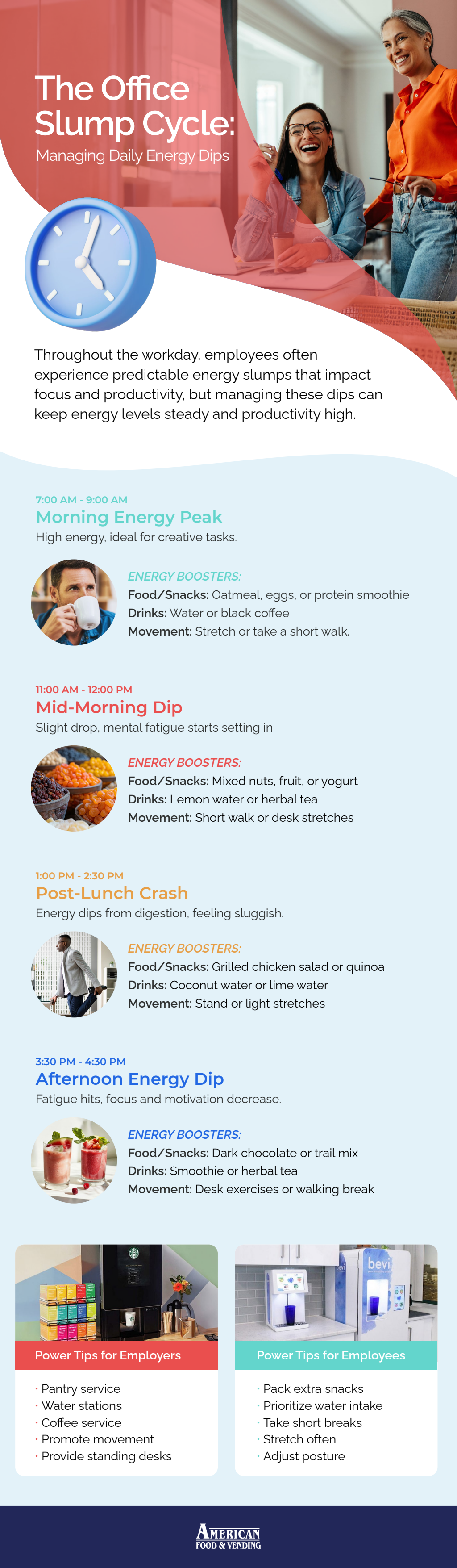
Many professionals experience an energy slump during the workday. Whether it hits mid-morning or mid-afternoon, that drop in energy can make it harder to stay focused, complete tasks, and feel productive. Finding ways to manage these dips without relying solely on caffeine or sugar is key to maintaining a healthy and efficient workday.

Recognizing Patterns in Energy Levels
The first step to managing energy dips is recognizing when they happen. Most people feel a natural drop in alertness during the early afternoon, often around 1 to 3 p.m. This dip is partly due to the body’s natural circadian rhythm. In addition to this biological factor, eating heavy meals, skipping breakfast, or sitting for long stretches can contribute to feeling sluggish.
Paying attention to when your energy starts to decline and what you were doing before it happened can help identify patterns. Some people find that skipping hydration or starting the day without a meaningful breakfast can set them up for a harder time later in the afternoon.
Staying Hydrated and Nourished
Hydration plays a major role in energy and focus. Even mild dehydration can cause fatigue, headaches, and lack of concentration. Keeping a water bottle nearby and sipping regularly throughout the day supports overall wellness and brain function. In addition, opting for small, balanced meals and snacks that include protein, complex carbohydrates, and healthy fats can stabilize blood sugar and prevent crashes.
Foods like fruits, nuts, yogurt, and whole grains are all solid choices for maintaining energy without the sudden highs and lows caused by high-sugar snacks. Many workplaces now offer vending services that include healthier snack options, making it easier to fuel up with something nutritious.
Incorporating Movement into Your Day
Sitting for long periods can drain your energy. Even short bursts of physical activity can help. Standing up to stretch, taking a quick walk around the office, or stepping outside for a few minutes can boost circulation and improve focus. Encouraging walking meetings or using a standing desk periodically are also effective ways to prevent the sluggishness that can creep in after lunch.
These simple moments of movement don’t have to disrupt your schedule. In fact, they can break up long work sessions and help your brain reset so you return to tasks feeling more refreshed and alert.
Creating a Workspace That Supports Focus
Your environment plays a role in how alert you feel. A workspace with good lighting, comfortable seating, and minimal distractions can help reduce fatigue. If possible, let in natural light or adjust your desk setup so it feels clean and calming. Personal touches, such as a plant or framed photo, can also make a difference in how energized you feel throughout the day.
Taking these steps can help improve focus, productivity, and your overall experience at work. Even minor improvements to your daily routine can lead to more sustainable energy and fewer crashes during the workday. For more information on managing energy dips throughout the workday, feel free to look over the accompanying resource below.

The Invisible Bottlenecks Of B2B Sales
In the fast-paced world of B2B sales, success depends on not only having a great product but also on maintaining smooth, efficient processes. However, even the most well-organized sales teams often face challenges that remain hidden beneath the surface. These invisible bottlenecks can significantly hinder the sales process, leading to delays, missed opportunities, and even a dip in revenue. Recognizing and addressing these bottlenecks is essential for streamlining operations and achieving sustained growth.

Identifying the Invisible Bottlenecks
B2B sales processes are complex and involve multiple stages, from lead generation to closing the deal. While most businesses focus on visible challenges like lead generation and follow-ups, they often overlook hidden issues that can slow down the entire process. Invisible bottlenecks can emerge in various parts of the sales funnel, such as in internal communication, data management, or inadequate software integration.
A common invisible bottleneck occurs when sales teams and other departments, such as marketing or customer service, do not have seamless communication. Poor communication leads to missed opportunities, delays in responding to customer inquiries, and disjointed efforts that ultimately affect the bottom line. Addressing this issue requires fostering collaboration and ensuring that information flows freely across departments.
The Impact of Data Silos
Another hidden bottleneck in B2B sales lies in data silos. When customer data is stored in multiple systems or departments, it becomes challenging to get a complete view of the customer’s journey. Sales representatives may waste valuable time searching through different platforms for relevant information, leading to delays in responding to customers and missed sales opportunities.
Data integration tools, such as Acumatica ecommerce integration, can help eliminate these silos by centralizing customer information in one place. This approach enables sales teams to access comprehensive, real-time data, making it easier to tailor pitches, provide timely follow-ups, and move deals forward efficiently.
Inefficient Lead Management
Lead management is a critical aspect of B2B sales, yet it can often become a hidden bottleneck. Sales teams may not prioritize leads properly or fail to follow up in a timely manner. This can result in prospects slipping through the cracks or being handed off to the wrong person. Investing in lead management software or refining lead qualification processes can help prevent this bottleneck. Implementing a system for tracking and managing leads ensures that no prospect is overlooked and that sales teams focus their efforts on the most promising opportunities.
Slow Decision-Making
In B2B sales, decisions often require approval from multiple stakeholders, which can cause significant delays. When decisions are not made promptly, opportunities may be lost, and customers may become frustrated by the waiting time. The decision-making process can be further delayed if the decision-makers do not have all the information they need readily available.
As B2B sales teams continue to evolve, leveraging technology and better workflows will help eliminate these invisible bottlenecks. By removing the barriers that slow down the process, businesses can ensure a faster, more efficient path from prospect to closed deal, ultimately driving growth and success in an increasingly competitive market. For more information, look over the resource below.


The Role Of Technology In Modern Event Production
Technology has significantly transformed the event production industry, making it easier to create engaging, immersive, and seamless experiences for attendees. In recent years, the integration of advanced tools and software has redefined the way events are planned, executed, and experienced. Whether for corporate conferences, live performances, or large-scale festivals, technology plays an essential role in ensuring that every event is a success.

Enhancing Audience Engagement
One of the key advancements in event production is the introduction of interactive technology. Tools such as augmented reality (AR) and virtual reality (VR) allow attendees to engage with the event in new and innovative ways. These technologies create immersive experiences, offering deeper connections with the content presented. For example, at a trade show, AR can allow guests to interact with 3D models of products, giving them a hands-on experience without actually touching anything. This interactive approach helps enhance the overall event experience, making it more memorable for participants.
In addition to AR and VR, gamification is also being used in many events. Event organizers use game-like elements to encourage interaction and engagement from attendees. Gamified experiences, such as virtual scavenger hunts or trivia challenges, can increase participant involvement and excitement, turning a standard conference or seminar into something more fun and engaging.
Improving Efficiency with Software
Event management software has revolutionized the way events are planned and coordinated. From ticketing systems to guest list management, these tools streamline the logistics behind the scenes. Event planners can manage everything from venue selection to vendor coordination through a single platform. This not only saves time but also reduces the risk of errors and miscommunication.
For example, integrated event management systems allow organizers to track attendee registrations, send automated reminders, and even analyze event data in real time. This access to real-time data helps organizers make quick adjustments to enhance the event, improving the overall experience for everyone involved.
The Importance of Sound
Sound is an integral part of most events, and advancements in live sound production have made it possible to deliver crystal-clear audio to large audiences, even in challenging acoustics. With the help of digital sound boards and wireless microphone systems, sound engineers can ensure that every word spoken or note played reaches attendees with precision.
High-quality sound production also contributes to the atmosphere of an event, making it more immersive and engaging. Whether it is a conference, concert, or corporate presentation, sound technology has evolved to allow for easy control and flawless delivery. The integration of surround sound systems, along with wireless technology, helps create an experience that is as much about the audio as it is about the visual elements.
The future of event production looks incredibly promising as technology continues to advance. As more innovations emerge, event organizers will continue to find creative ways to engage audiences and create unforgettable experiences. Whether hosting a small gathering or a large-scale event, embracing technology will remain key to creating impactful and memorable occasions. For more information, feel free to check out the infographic below.


How Media Monitoring Can Help Manage Negative Publicity
Managing your business’s reputation is crucial, especially when negative publicity can impact brand perception and consumer trust. Media monitoring is a powerful tool that allows businesses to stay informed about how they are being represented in the public eye, whether through news outlets, social media, or other digital platforms. Effectively managing negative publicity through media monitoring can mitigate potential damage, allowing you to take swift action and protect your brand.

What Is Media Monitoring?
Media monitoring involves tracking mentions of your business across various media channels, including news sites, blogs, podcasts, social media, and forums. This process helps identify positive, neutral, and negative content about your company. Through this practice, businesses can be proactive in addressing any issues before they escalate. With the help of media monitoring tools, businesses can also gather media clippings, or excerpts from articles, to better analyze their public presence.
How Negative Publicity Affects Your Business
Negative publicity can come in many forms—such as a bad review, a publicized complaint, or a viral negative news story. The impact of negative coverage can range from a slight dip in customer trust to severe brand damage. In some cases, negative publicity can result in decreased sales, loss of customers, or even a tarnished brand reputation that takes years to repair.
In the age of social media, bad news travels fast. A single unhappy customer or an incident can spread globally within hours, leading to widespread scrutiny. Without media monitoring, it can be challenging to track where the conversation is happening, who is discussing it, and how severe the issue may be. Early detection of negative coverage can help businesses address concerns and mitigate any potential damage before it spirals out of control.
How to Deal with Negative Publicity
When negative publicity arises, the response needs to be timely, measured, and strategic. The first step is to assess the situation. Media monitoring tools can help gather information on what is being said and where the discussion is taking place. From here, businesses can determine the appropriate response. It is important to engage with the issue directly rather than ignoring it. This can involve reaching out to customers, issuing a public statement, or adjusting business practices. If the negative publicity involves misinformation or misunderstanding, providing accurate, clear, and timely information can help clear things up.
Turning Negative Publicity into a Positive Opportunity
Dealing with negative publicity doesn’t have to be all about damage control. When managed well, a negative situation can present an opportunity to showcase your company’s commitment to transparency, customer satisfaction, and continuous improvement. Being proactive in your responses and showing that you care about customer feedback can enhance your reputation in the long run.
Ultimately, media monitoring helps businesses stay ahead of potential problems, manage their reputation, and respond to negative publicity effectively. By staying informed about what is being said about your business, you can make more strategic decisions, improve communication, and address issues before they escalate. To learn more, look over the accompanying resource below.


7 Offline Marketing Strategies to Boost Your Sales Long-Term
Every entrepreneur knows marketing should be a priority from the start. It’s what generates brand awareness and helps to bring in sales. That doesn’t mean just going for some of the more obvious areas for this. Instead, it can often be worth paying attention to a few particular areas.
Offline marketing strategies can be one of the better options to go for with this. These can offer much better results than you might’ve thought.
While digital marketing can often be a priority for many businesses, it doesn’t mean it should always be their sole approach. Instead, complementing it with offline marketing offers more than a few benefits. This traditional type of marketing can even offer advantages and benefits without any digital marketing.
The trick to this is to know which offline marketing strategies are actually worth investing in. Some of these could stand out more than others.
This is because of the benefits they can offer, as well as how straightforward many of them can be. They’ll still take some time and effort to implement correctly, but they’ll be more than worth it. Diving into some of the best offline marketing strategies could be worth it. They should help you take your marketing to the next level.
What is Offline Marketing?
Before diving in, it’s worth getting on the same page about what offline marketing actually is. The term refers to any kind of marketing that doesn’t take place online. Bus stop ads, pamphlets, and even television and radio ads can all be included in this. Many of these offline marketing strategies have been around for decades or longer.
Despite how long they’ve been around, they still continue to offer quality results for the businesses that use them. They can be great additions to many marketing campaigns.
In fact, many of them can be more effective than some online marketing strategies. Since they’ve been around for quite a while, they’ve been perfected to the point where they offer some great results. That’s why so many companies still use them today.
Benefits of Offline Marketing
These businesses use offline marketing strategies because they still offer quite a few benefits. There are the natural advantages of any kind of marketing, but they could even offer some advantages compared to offline marketing. These are always worth going through.
Some of the main benefits of offline marketing include:
Letting you target a specific geographic area with ease.
Being more affordable than many types of digital marketing.
Offering a more hands-on and authentic experience to potential customers.
Helping you engage potential customers much more effectively.
Being a cost-effective way to advertise your business.
These can be quite tempting to most business owners. Who wouldn’t want to use them to help their business grow? Offline marketing can also come with a few potential drawbacks, however. These include:
Not being able to track your results or collect data.
Taking a relatively decent upfront investment.
Involving a bit of waste with printed materials.
The trick here is to know how to minimize the drawbacks while maximizing the benefits offline marketing offers. This doesn’t need to be as hard as you’d think.
The key to this is actually knowing which offline marketing strategies will be right for your business. This can often be a trickier decision than many people realise. Not all strategies will be as recommended as others, after all. Some stand out much more because of the results they can offer.
Seven of these stand out because of the impact they can have for you. They’re more than worth diving into.
Offline Marketing Strategies: 7 Top Picks
1. Flyers & Leaflets
Flyers and leaflets have long been a great way to advertise a business. They’re an effective way to blanket an area with marketing materials designed to build brand awareness. You could even generate quite a few sales because of it. It’s more than worth putting the time and effort into it.
The trick here is to actually invest in your design, as well as the flyer and leaflet printing. The more high-quality these are, the more likely it is you’ll see more sales because of them. While not all of your leaflets and flyers will result in sales, there’s no reason you shouldn’t get enough to justify the investment.
2. Trade Shows
Trade shows can always be great for businesses, especially in certain industries. They let you get more involved with speaking to potential customers and showing off your products or services. This could help you generate more sales, on top of the brand awareness that trade shows help with.
You just need to find the right trade shows to attend to see the benefits it offers. This can involve a bit of an upfront investment when you’re designing and creating a booth for these trade shows. After that, however, it could be much more affordable than you would’ve thought.
3. Community Engagement
Getting involved in the community can be a great way to advertise your business. It offers quite a bit of exposure to a local audience, and it boasts more than a few other benefits, too. Community engagement could build up quite a bit of good will among your target market, which is always welcome.
You’ll have plenty of options when you’re getting involved in the community. Sponsoring a local sports team can be one of the more obvious options for this. Then there’s helping raise funds for a local charity and similar steps. You’ve no reason not to invest in a few of these.
4. Networking
Networking can often be a great way to develop interest among potential customers. This is especially true if you’re a B2B business, and networking events could help quite a bit. It’s just a matter of joining groups likely to help you advertise your business. There could be more of these than you might’ve thought.
You can look into your local council and some professional groups when you’re doing this. By attending these relatively regularly, you should see plenty of benefits. You could develop connections that help you with other areas of your business, too. While this takes time and effort, there’s no reason why you shouldn’t see more than a few benefits.
5. Billboards
Billboards are one of the most obvious offline marketing strategies you can go for. They offer a lot of potential exposure to your target market. With how large they are, they’re almost impossible not to see. This could help you generate more brand awareness in a specific area than you might’ve thought.
It’s just a matter of advertising on a billboard in the right place. Go for one that’s sure to get a lot of visibility by passers-by. It should also be relatively close to where your business is so potential customers don’t have to spend a lot of time getting there and buying in-person.
6. Discounts
Discounts can often be a great way to bring in new business. Most discounts can be difficult for potential customers to pass up, after all. While this means making less on a specific sale, it doesn’t mean you can’t make a profit with it. As long as you take the right approach, you could make more of a profit than you’d think.
You could bring customers in based on one discounted product, for example. But, customers could end up buying two or three other products while they’re at it. This is where you’ll make most of your profit. With the right discount, you could still even make a profit on whatever your discounted product is.
7. Seasonal Cards
Seasonal cards can always be worth investing in around the holidays. They add a more personal touch to your marketing and don’t need too much of an upfront of an investment. It might be well-worth giving them out to your existing customers. They might even be tempting for potential customers, too.
The trick here is to include something that gets customers to come back to your store. A small discount can often be one of the more notable ways to do this. This lets you show your customers how much you appreciate them and shows them that you care. There’s no reason why it shouldn’t help you going forward.
Wrapping Up
There are plenty of reasons to invest in offline marketing. It can offer just as many results as digital marketing, if not better. This is especially true when it comes to targeting a specific geographic area. It’s a cost-effective way to develop brand awareness and bring in more sales.
That doesn’t mean just investing in whichever offline marketing strategies you come across. Quite the opposite. Some stand out much more than others.
These could offer you much better results, especially as time goes on. With how much of an impact they can have, you’ve no reason not to put the time and effort into them. By using the right approach with them, you should start seeing the results they offer relatively quickly and without a lot of effort.