How To Manage Daily Energy Dips At Work Without Losing Productivity
Many professionals experience an energy slump during the workday. Whether it hits mid-morning or mid-afternoon, that drop in energy can make it harder to stay focused, complete tasks, and feel productive. Finding ways to manage these dips without relying solely on caffeine or sugar is key to maintaining a healthy and efficient workday.

Recognizing Patterns in Energy Levels
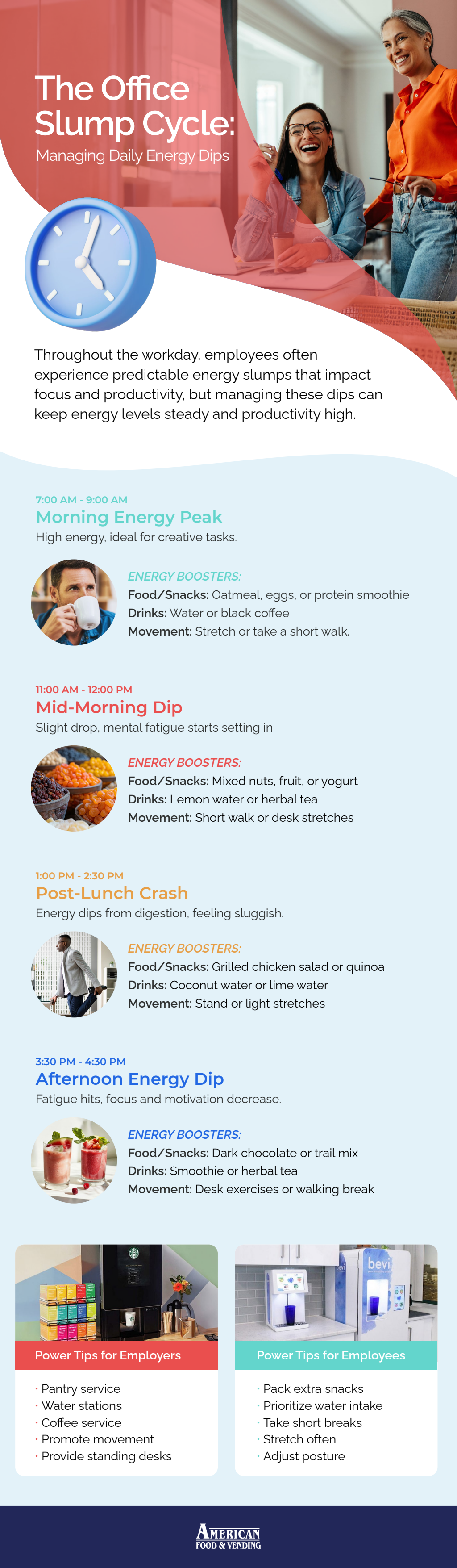
The first step to managing energy dips is recognizing when they happen. Most people feel a natural drop in alertness during the early afternoon, often around 1 to 3 p.m. This dip is partly due to the body’s natural circadian rhythm. In addition to this biological factor, eating heavy meals, skipping breakfast, or sitting for long stretches can contribute to feeling sluggish.
Paying attention to when your energy starts to decline and what you were doing before it happened can help identify patterns. Some people find that skipping hydration or starting the day without a meaningful breakfast can set them up for a harder time later in the afternoon.
Staying Hydrated and Nourished
Hydration plays a major role in energy and focus. Even mild dehydration can cause fatigue, headaches, and lack of concentration. Keeping a water bottle nearby and sipping regularly throughout the day supports overall wellness and brain function. In addition, opting for small, balanced meals and snacks that include protein, complex carbohydrates, and healthy fats can stabilize blood sugar and prevent crashes.
Foods like fruits, nuts, yogurt, and whole grains are all solid choices for maintaining energy without the sudden highs and lows caused by high-sugar snacks. Many workplaces now offer vending services that include healthier snack options, making it easier to fuel up with something nutritious.
Incorporating Movement into Your Day
Sitting for long periods can drain your energy. Even short bursts of physical activity can help. Standing up to stretch, taking a quick walk around the office, or stepping outside for a few minutes can boost circulation and improve focus. Encouraging walking meetings or using a standing desk periodically are also effective ways to prevent the sluggishness that can creep in after lunch.
These simple moments of movement don’t have to disrupt your schedule. In fact, they can break up long work sessions and help your brain reset so you return to tasks feeling more refreshed and alert.
Creating a Workspace That Supports Focus
Your environment plays a role in how alert you feel. A workspace with good lighting, comfortable seating, and minimal distractions can help reduce fatigue. If possible, let in natural light or adjust your desk setup so it feels clean and calming. Personal touches, such as a plant or framed photo, can also make a difference in how energized you feel throughout the day.
Taking these steps can help improve focus, productivity, and your overall experience at work. Even minor improvements to your daily routine can lead to more sustainable energy and fewer crashes during the workday. For more information on managing energy dips throughout the workday, feel free to look over the accompanying resource below.