The Hidden Respiratory Risks Of Pool Chemicals
Swimming is a popular and refreshing way to exercise and unwind, but the chemicals used to keep pools clean can carry hidden health risks. While chlorine and other disinfectants are essential for maintaining water quality, their impact on the respiratory system is often overlooked. Understanding how these substances interact with the body, especially through prolonged exposure, can help swimmers and homeowners make more informed decisions about pool use and maintenance.

Chemical Reactions in the Air
When chlorine is added to pool water, it reacts with organic material such as sweat, urine, and skin cells. This reaction creates byproducts known as chloramines, which are released into the air just above the pool's surface. Chloramines are known irritants and can cause symptoms like coughing, throat irritation, and eye discomfort. Indoor pools, in particular, present a greater risk because of poor ventilation, which allows these gases to accumulate in the air.
Children and individuals with pre-existing respiratory issues such as asthma are especially vulnerable to these effects. Even in healthy individuals, extended exposure to high concentrations of chloramines may lead to a decline in lung function over time. This is especially concerning for competitive swimmers and frequent users of enclosed aquatic facilities.
Understanding the Lung Response
The human respiratory system is sensitive to airborne pollutants. When chloramines are inhaled, they can inflame the lining of the airways, leading to symptoms similar to those of asthma or bronchitis. Studies have shown that frequent swimmers may experience airway remodeling, a condition in which the structure of the lungs changes, making breathing more difficult and recovery slower. Chronic exposure to these irritants may also contribute to increased susceptibility to respiratory infections and longer recovery periods after exercise.
This reaction is not limited to elite athletes. Children who regularly swim in indoor pools may develop respiratory symptoms sooner than those who swim outdoors or less frequently. These effects can be amplified by long sessions in pools that are improperly ventilated or where chemical levels are not carefully controlled, especially when maintenance routines are inconsistent or facility standards are not routinely reviewed.
Mitigating the Risks
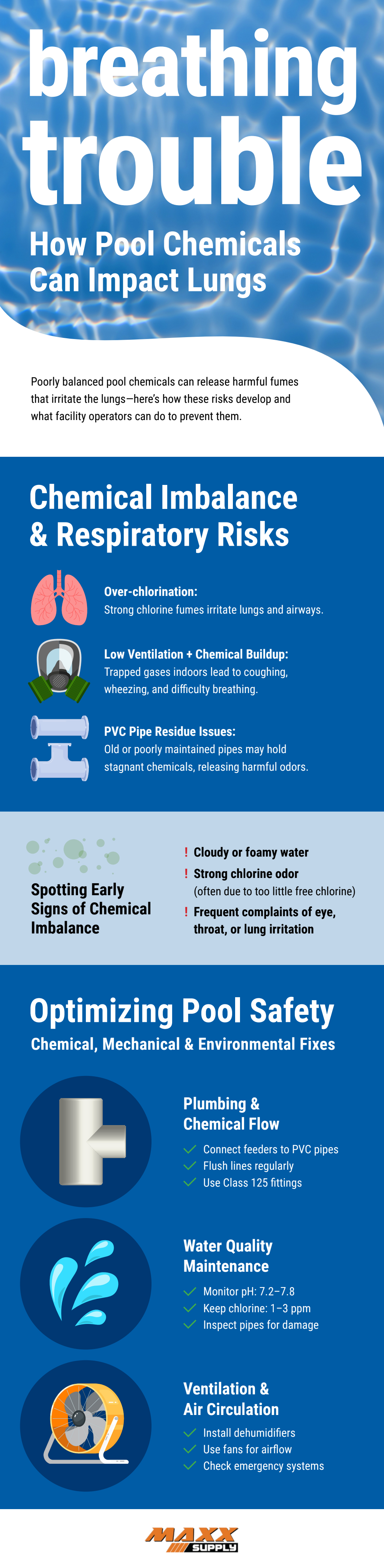
Reducing the respiratory risks associated with pool chemicals requires attention to pool design, maintenance, and behavior. Ensuring proper ventilation in indoor pools can significantly lower chloramine concentration in the air. Swimmers can also take preventive steps by showering before entering the pool, which reduces the amount of organic matter in the water.
Pool owners can work with professionals to regularly test and adjust chemical levels to maintain safety. Using high-quality infrastructure, such as Schedule 40 PVC fittings, can also help ensure that chemical delivery systems operate safely and efficiently, minimizing leaks or improper dispersal of chemicals.
Protecting lung health around swimming pools involves more than just clean water. Awareness of how airborne chemical byproducts affect the body can help individuals enjoy the benefits of swimming while reducing long-term health risks. With thoughtful practices and attention to facility maintenance, it is possible to strike a balance between safety and recreation. For more information, look over the infographic below.