
A Closer Look At Packaging Waste And Where It’s Headed
Packaging is everywhere. It wraps, protects, advertises, and contains nearly every product that moves through the supply chain. Yet once the product reaches its destination, what remains is often a pile of plastic, cardboard, or composite material destined for landfills, incinerators, or recycling facilities. While packaging plays a critical role in product safety and brand visibility, its afterlife has become a mounting concern for many. Understanding where the waste originates, why it accumulates so rapidly, and what systems are failing to curb it is essential to creating long-term strategies for reduction and reuse.
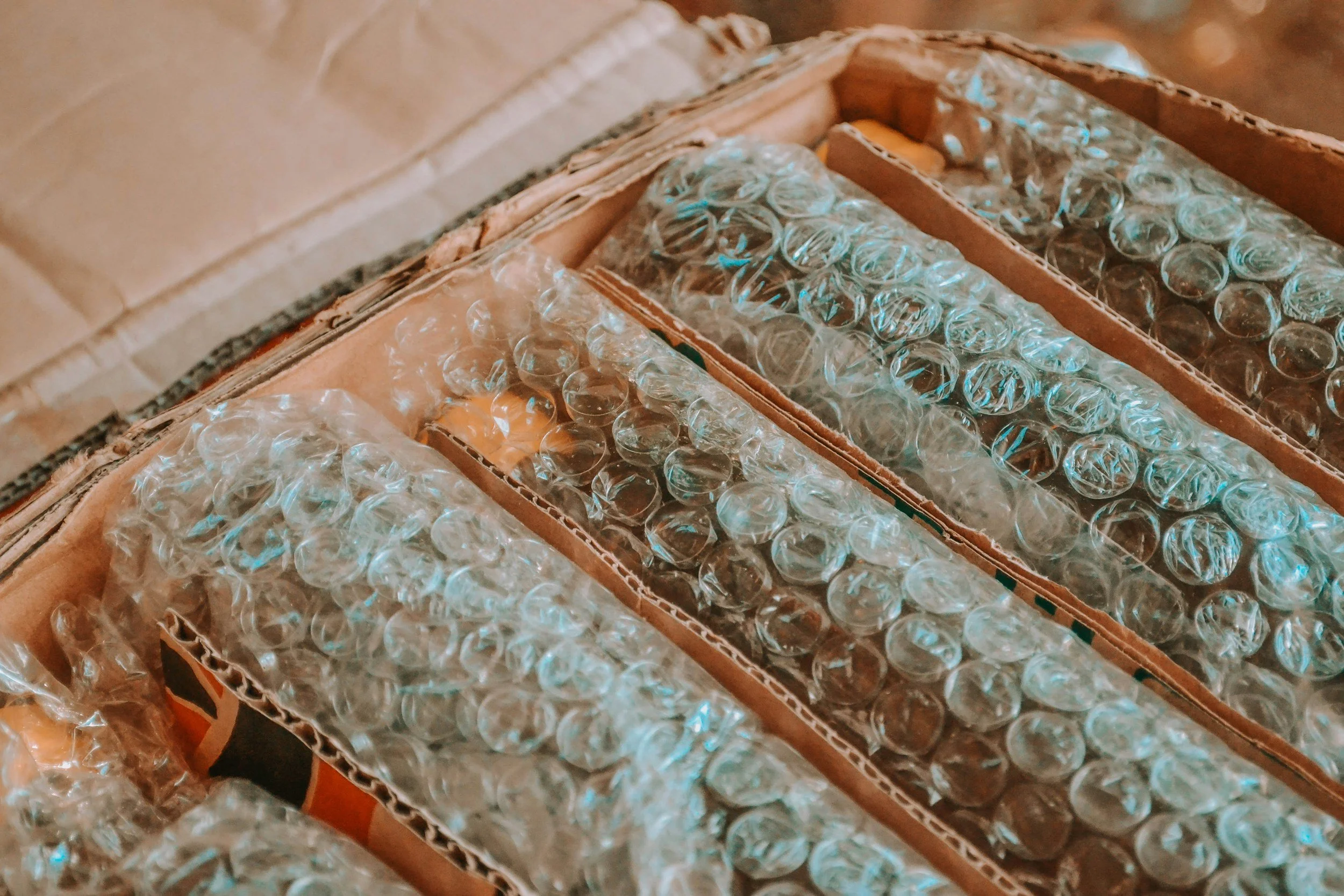
Why Some Waste Matters More Than Others
Plastic dominates the packaging waste stream. Its light weight and versatility make it a go-to option, yet most single-use plastics are not easily recyclable. Flexible films, multilayer pouches, and blister packs often end up in municipal waste streams with no viable secondary use. Cardboard, while more recyclable, is increasingly contaminated by food residue or grease, rendering large volumes unusable for recovery. Glass and aluminum fare better, with higher recycling rates, but they contribute heavily to transportation-related emissions due to weight. The choice of material can therefore determine not only the sustainability of the packaging but also the feasibility of its disposal.
Consumer Behavior and the Convenience Trade-Off
The rise of on-demand culture has had a significant impact on how packaging is designed and consumed. Pre-portioned meals, same-day delivery, and individually wrapped goods cater to convenience but increase the packaging-to-product ratio. Consumers rarely see the cumulative impact, and the convenience factor often overrides concerns about waste. Single-use containers and excessive void fill are designed for speed and protection, not recyclability. The irony is clear. Speed and safety at the cost of sustainability.
Recycling Systems Are Overwhelmed and Underperforming
Recycling infrastructure has failed to keep up with the sheer diversity and volume of packaging materials entering the waste stream. Most municipal systems are designed to process basic plastics and cardboard, but multi-material items clog up the line. Contamination, whether through food waste or mixing non-recyclables with recyclables, undermines processing efficiency and drives costs up. Worse still, many recyclables are shipped overseas where tracking their fate becomes murky. Wholesale box suppliers are exploring eco-friendlier formats, but scalable adoption remains a hurdle.
The Cost of Ignoring the Problem
For businesses, packaging waste is an operational liability. Disposal costs are rising. Consumers are asking more pointed questions. Legislation in some jurisdictions now mandates extended producer responsibility. Waste audits are no longer a CSR checkbox but a necessity for operational efficiency. Brands that fail to address this risk reputational damage, customer churn, and regulatory backlash. Sustainability is no longer a value-add. It’s an expectation.
Solutions are emerging, though progress is uneven. Technology is also being used to track packaging waste and optimize design through data. But lasting change will require industry-wide cooperation, regulatory clarity, and consumer education. Packaging waste is not a single-issue problem. It reflects supply chain choices, consumer priorities, and the urgency of environmental accountability. Check out the accompanying infographic below for more information.
