

6 Secrets for Becoming Professional SEO Content Writers
If you are looking forward to being the best SEO blog content writer, take a look at the following secrets.
Guest post by Emily Lamp
In the era of search engine optimizations, getting the right content is critical, whether you are writing blog posts, articles, or web pages. Ensure that the content is connected to the target audience's interests for search engine optimization. If you are looking forward to being the best SEO blog content writer, take a look at the following secrets.

1. Utilize your Keywords
Start by identifying a central keyword for your page that is highly relevant to your customers' interests. It would be best if you find a long-tail keyword, which helps to keep your posts concise and focused.
For any SEO content writing, the aim is to have your work show up in the search engine results. You, therefore, have to make a strategic essential word use, which should appear two to five times on a page. Try and use them naturally; avoid forcing them to fit in.
2. Develop a Compelling Introduction
The introduction is an essential part of your posts; note that if your readers don't read past your first few sentences, they will not get to your call of action. Make your introduction sentences short, sweet, and easy to understand so that you capture the curiosity of your reader. Continue building on their interest using compelling sentences that will coax them to learn more.
3. Write Useful Content
To offer the best SEO services, you must be good at research to gather as much information as possible to create the best content of your topic. Identify your target audience and create an audience-centric post that will cater to what they want to hear. Ensure that you offer some value or solutions to your readers' problems. Your content should also engage the audience and remain relevant even after publication to be shared widely or prompted by more readers, which improves the post's SEO.
4. Get Familiar with the Technical Aspects of SEO
You can't be a great writer if you aren't familiar with the basics of SEO. For instance, you should know how Google discovers websites and other pages so that you can come up with an interlinking strategy to make your content stand out from the rest. The ideal plan includes using well-researched content for a particular topic, appropriate sentence structure, spelling check, and grammar correction.
5. Give Detailed Information
Word count is an essential aspect of SEO as Google offers a better preference to longer pages; therefore, the longer the post, the more valuable it is, and the higher it ranks. Even though the longer form is recommended, it would be best if you avoid stuffing your blog with fluff. For digital marketing, researchers advise that search engine prefers excellent content that provides in-depth information on a given topic. Be on the safe side by ensuring that you have a proper word count, with a minimum of 600 words.
6. Proofread your work
It's advisable to have someone else go through your work and ensure that it's error-free, especially where some words have different meanings as nouns or verbs. Additionally, formatting requires equal attention. Even if your article is fully optimized for search engines, any grammatical errors will turn off your readers; thus, feel free to use tools like Grammarly or Hemingway.
Summary
Nowadays, SEO writing is proving to be a crucial part of digital marketing, as it's the reason behind the fluctuating traffic in various sites. You need to create well-organized content that entices and engages readers to attract high SEO ranking. Implement the above tips, and remember to link your work appropriately and also utilize the call to actions to encourage readers to read more from you.
About the Author
Emily Lamp is a professional writer, working closely with many aspiring thinkers and entrepreneurs from various companies. She is also interested in technology, business growth and self-improvement.

Content Marketing in 2020: 5 Tips to Boost Your Content Efforts
In pursuit of advanced content strategies, content creators need to look to the following principles of 2020 content creation in order to achieve all of the mentioned perks.
Guest post by Jacob Wilson
Clarity in presentation and simplicity in visual appeal have become the two pillars of quality content creation in the past several years. They’ve redefined how customers view brands, and they’ve been copiously used by content creators as key criteria for quality. The two, however, cannot compensate for a lack of strategy, consistency, as well as overall purpose. Content in 2020 will need to be about so much more than just following trends. It needs to be a brand’s most effective advocate when creating a basis for its customers to bond with the business in question – and content creators need to be able to inspire that bond.

From blog creation to video production, creators are going beyond their traditional content formats to dazzle their changing audiences and to make sure they have a noticeable presence. Content marketing is now the main resource for establishing authority and enabling better visibility, no matter the industry in question. In pursuit of advanced content strategies, content creators need to look to the following principles of 2020 content creation in order to achieve all of the mentioned perks.
Carefully select your content outlets
Is your audience primarily found on Facebook and Instagram, or do your most loyal followers keep up with your news on YouTube? Is your website active enough and do people regularly reach your content posts there? How about your email newsletter? All of these are valid content outlets that serve a purpose for some writers, as well as their clients, but not all of them are designed for every single entity out there.
That is why every writer needs to choose where they publish content, when they schedule each post, and where they can reap the most rewards from sharing their content. Although generally speaking, social networks such as LinkedIn, Twitter, Facebook, and Instagram are considered a must for most companies to help your clients stand out, you should not post everywhere haphazardly, but rather research your clients’ target demographic and learn about their favorite channels to build your client’s presence there. This is where your content will resonate with their target audience the most.
Versatility in formats is a must
Some content experts find blogs to be the best for expressing their opinions and sharing their knowledge, while others enjoy setting up podcasts and posting rich imagery. The simple truth is, there’s no right or wrong format here, but there is such a thing as keeping your content dull and stuffy within the confines of a single, monotonous format. Blogs are still relevant, but visually rich formats such as infographics are even more engaging and they inspire shares more easily.

For that reason, the platform Infostarters provides branded content formats such as brochures, eBooks, and infographics, with a focus on visual appeal combined with informational value. Stepping beyond simple blogs and how-to articles has the potential to help you convey vital messages to your audience with more interactive formats and more engaging pieces. Add videos, social media stories, relevant hashtags, and AR-infused content, and you’ll have the perfect blend of diversity designed to inspire curiosity in your target audience and to make your content the talk of the industry.
Follow-up and KPIs for progress tracking
For too many companies, content is relevant only while it’s in the process of creation. For you as the writer, it makes sense to pour your heart and soul into the creative process while it’s in progress. As soon as something gets published or posted, it’s forgotten in favor of crafting the next blog piece or video ad to prepare your business for, let’s say, the holiday season. How you treat your content after publishing will make all the difference in how well it works in your favor.
Make sure that you regularly check up on all of your different tools such as Google Analytics that help you keep track of your content’s performance and engagement levels. Only then can you actually see what you need to change for your future strategies and what your audience responds to and relates to the most. Once you decide on your KPIs for each content strategy, you can monitor the effect of anything you publish, react in a timely manner if there are any comments and shares, and make the most of each content piece you create to boost engagement, and not just stick to a posting schedule.
Improve your content’s environment
As brilliant as your content may be in its essence, you need to remember that it’s not the only factor to shape how it will be perceived. Should your website visitors have any trouble opening up your latest infographic on their mobile phones, you’ll find that fewer people will share, engage, or stay on the page long enough for the content to actually leave a positive impression. That’s why you can never treat your content in isolation from your client’s entire business strategy and all of its moving parts.
If you need to revamp your website for faster loading, you should do so as soon as possible. Google and other search engines will appreciate and reward the effort, and your content will be granted more visibility due to that single step. The same applies to all other factors that, when combined, affect your online presence and your UX. Constantly look for ways to boost it, and your content will get more attention as a result.

Any piece of content isn’t meant to serve a temporary, short-lived purpose. When you treat your content as a constantly growing output of your client’s brand’s identity and a way to establish a connection with the brand’s audience, you have the chance to establish authenticity in the market. This year will require you to put your best foot forward and create memorable, versatile content pieces that will provide value every step of the way.
AUTHOR BIO
Jacob Wilson is a business consultant, and an organizational psychologist, based in Brisbane. Passionate about marketing, social networks, and business in general. In his spare time, he writes a lot about new business strategies and digital marketing for Bizzmark blog.

The best high-paying freelance gigs of the week: February 24, 2020
Here’s some writing jobs that can get you towards your goals.
February seemed to go 100 times faster than January. Did you get as much done as you hoped? I didn’t, but I’m still working on it. Here’s some writing jobs that can get you towards your goals. These gigs pay at least $50 an article, offer a full-time salary, or pay more than $20 an hour. They are also all remote (also known as virtual jobs or work-from-home jobs).

Note: I don’t know anything about these positions other than what I post. I weed out the seedy looking ones, but it is your job to be diligent when applying. Also, please don’t message me with questions about the postings. If a link doesn’t work the posting has probably been taken down because the gig has been filled. If you have a gig for freelance writers that pays at least $50 a peice or over $20 an hour, please contact me and I will include your gig in next week’s post.
Remote Contributing Writer
Pay: Full-time
More info: CareerBuilder
Technical Editor
Pay: Full-time
More info: LinkedIn
Hey! Have a story idea you think would be perfect for Road & Track? Send us a pitch at pitches@roadandtrack.com. We’d love to hear about it!
— Road & Track (@RoadandTrack) February 5, 2020
Remote Technical Writer at Scion Staffing
Pay: Full-time
More info: LinkedIn
Content Marketing Writer
Pay: Full-time
More info: ZipRecruiter
Technical Writer at Humio
Pay: Full-time
More info: LinkedIn
Technical Writer at GC Associates USA, LLC
Pay: $30 to $40 an hour
More info: Indeed
Epic Clarity/Workbench Report Writer
Pay: $70 an hour
More info: Indeed
Advertising Copywriter - Contract/Project Based
Pay: Full-time
More info: Indeed
Remote Proposal Writer at Bid Kinetics Private Limited
Pay: Full-time
More info: Indeed
Technical Writer
Pay: Full-time
More info: Indeed
Writer/Editor for Financial Firm
Pay: $25/hour
More info: BloggingPro
2020 Andrea Walker Memorial Prize for Feminist Health Journalism
Pay: $500 feminist health journalism prize
More info: Briarpatch Magazine
Coda Story’s Bruno Fellowship 2020
Pay: $16k reporting and travel grant
More info: .Coda
I'm looking for 1-2 writers to write 3-6 pieces about famous, impactful Black Americans, tied to a place that was significant in their lives, or significantly affected by them. 800-1200 words, $200 each, one-week turnaround. Send pitches/clips to jillian.anthony@culturetrip.com
— Jillian Anthony ✨ (@jillathrilla) February 10, 2020
In profesh news: I have officially started as a features editor at @Cosmopolitan, pitch me your ideas, and Hearst wins for best bathroom lighting pic.twitter.com/QP0zhXfBVa
— Elizabeth Kiefer (@lizabeth_kiefer) January 13, 2020
Want to learn how to make a successful living as a freelance writer? Get the No-Fluff Freelance Writer Starter Pack. Only $29.97.

5 Tips to Choose a Domain Name and Web Hosting for Startups
The search for a hosting services provider doesn’t necessarily have to be hectic or bothersome. Here are tips that will simplify the search process, help you find the best host, and ensure that you won’t regret your decision at a later date.
Guest Post by Emily Lamp
This guest post will help new writers with choosing domain names and web hosting for their new freelancing business.
The time you start choosing a web host and domain name provider is the time you realize just how many companies offer this type of service. In such instances, you soon come to realize that having too many options is not always the best thing. But the search for a hosting services provider doesn’t necessarily have to be hectic or bothersome. Below are tips that will simplify the search process, help you find the best host, and ensure that you won’t regret your decision at a later date.
On a separate note, if you ever want to get into the world of hosting, you should read this very useful article on web hosting business income.

1. Reputation
When you’re in the market for a domain name and website hosting company, you can’t afford to take any shortcuts. You have to perform due diligence which will involve checking into the reputation of all the companies that you have shortlisted, heard of, or which have been recommended to you.
Take your time to peruse web hosting review guides. This is the go-to place for website owners looking to view reviews and ratings from customers who have worked with some of the firms you could be considering. Generally, it’s best that you play it safe and opt to work with a company that has lots of expertise and prior experience. Such a company will have been well received by experts and customers.
2. Establish Your Needs
Website owners have to determine their hosting needs. If you use a WordPress website for your business, fully managed Wordpress hosting may fit your needs. If planning on hosting video content, do you intend to make it possible for your users to register on the site and start uploading their own content? Do you intend to host top-quality multimedia content such as images and infographics? Try and estimate the kind of traffic that you will receive on a daily basis before settling on a hosting company. Failure to do so could see you paying for services that don’t meet your needs or which are unnecessary.
3. Cybersecurity Requirements
Your search for the best web hosting for startups should also involve looking into the cybersecurity measures that have been put into place by your prospective host. Do a deep dive into their track record to establish whether the host has experienced any intrusions or data leaks in the past few months or years.
Confirm that the host does indeed provide its clients with encryption, distributed denial of service (DDoS) protection, as well as a web application firewall. Many firms, both new and established have in the past lost business and money due to loss of reputation and downtime occasioned by a cyber-attack.
4. Infrastructure
The infrastructure put in place by the VPS hosting company is crucial. Your research at this point will involve looking into the number of uplink carriers that are present at each and every hosting location.
Take a closer look at the network topology to confirm whether or not the host has diverse carriers. In addition, be sure to check the number of peers that the VPS host currently has. Normally, more peers translate to reduced IP transit expenses.
The presence of many peers also means that the network is bound to be more resilient. While you may want to inquire about the physical location of the data center operated by the host, this is not usually very relevant.
5. Scalability
Often, the hosting requirements will start to change as the company changes or expand its operations. As such, it will be wise of you to consider factoring in the provider’s scalability into your decision making process. You have no option but to work with a company that is in a position to accommodate growth.
Accepting that your needs are bound to change is the best way to protect yourself from unwanted headaches later. It will be better to do this from the first day, as opposed to having to make the switch at a later date. Keep in mind that switching because a provider isn’t scalable will also come with its own issues.
Summary
It’s advisable to take your time to carefully weigh all the available options when trying to choose between different hosting companies. It’s better to spend more money at this moment and save yourself a ton of trouble in the future. Place priority on reputation, pricing, scalability, and cybersecurity measures.
Guest Author Bio

Emily Lamp is a professional writer, working closely with many aspiring thinkers and entrepreneurs from various companies. She is also interested in technology, business growth and self-improvement.
How to Stay at the Top of Your Game as a Content Marketer
Here are a couple of tips that will help you step up your content marketing game.
Guest post by Michael Deane
Content still rules in the world of digital marketing.
70 million new blog posts that are published every month prove this.
However, such immense popularity of this strategy means that you should go out of your way in order to attract and build a steady readership, as well as to survive in a competitive content marketing landscape.
Here are a couple of tips that will help you step up your content marketing game.

Create Evergreen Content
Content marketers who are trying to jumpstart their careers sometimes don’t know what to focus on in order to grow their reade
And while this can be a challenging task, it’s all about laying the proper foundation.
Evergreen content is the lifeblood of your content marketing strategy.
These pieces are well-researched, packed with valuable information, optimized for search engines, and they stay fresh without losing relevance over a long period of time.
It’s like creating a capsule collection - items that never go out of fashion that can be easily updated.
There are some formats that age exceptionally well and never lose their edge, including:
How-to guides
Ultimate, comprehensive guides that cover a particular topic in detail
Best practices
Lists
Tips.
Of course, choosing to write in one of these formats won’t automatically make your content evergreen.
Some of the best ways to create evergreen content are:
Answering your target readership’s frequently asked questions and addressing their common pain points
Offering explanations of different industry concepts or useful advice in an understandable manner.
Finally, check out these do’s and don’ts and stick to them:
Use longtail keywords as they’re more likely to bring you visitors genuinely interested in the topic you’re covering
Write for beginners as experts aren’t an audience that is attracted to broad topics
Stay away from industry jargon and technical terms as your readers won’t understand what you’re trying to say
Repurpose your content - update it occasionally with the latest information or reuse your blog post, for example, to create a video.
Focus on Your Headlines
Five times as many people read the headline as read the copy.
This quote by David Ogilvy, the man who revolutionized marketing, should be taken seriously.
In order to capture your audience’s attention and get them to actually read your content, you need compelling headlines.
While it’s a good idea to make your headlines funny and catchy, there’s no need to rack your brains every time you need to come up with one.
Instead of that, you should be absolutely in the know regarding what your readers want and make a promise. Just don’t get carried away and forget to fulfill it.
Here are a couple of formulas that can come in handy when you’re crafting irresistible headlines:
[how to] [verb] your [noun] How to Grow Your Business From Scratch
[benefit] [timeframe] [primary objection] Build a Website in Two Weeks Without Knowing How to Code
[number] [power word] [topic] Top 12 Tips to Boost Your Online Presence
Make Your Content Actionable

Now that you’ve made a promise to help your readers solve a certain problem, you need to deliver. Otherwise, they will be disappointed and will bounce off your website never to come back.
When people land on your website, from the search results page, they expect that your content will be relevant and provide them with a solution to their pain points. If your blog post or video doesn’t do that, it will be flagged as deceptive and misleading.
That’s why it’s essential to make sure to provide actionable tips throughout your content, that your readers will be able to implement. Don’t drag on and discuss theory – get to the point and list concrete steps, together with an explanation about how to complete them.
In other words, the process of creating your content should boil down to:
Picking the right topic, relevant to your audience
Crafting an enticing subject line that will get them to click
Pulling your visitors in with an interesting and intriguing introduction
Building trust by providing well-researched and documented facts and tips
Producing high-quality actionable content that can be used for solving a particular pain point.
Include Visuals
According to a frequently disputed Microsoft Corp. study, our attention span dropped to just 8 seconds.
In a nutshell, your readers are more keen on visually-oriented content that can be easily consumed.
As a result of this trend, it’s crucial to:
Create infographics, which present data in a colorful and graspable way, while being easy on the eyes
Add relevant images to break large chunks of text and make them more scannable
Include videos, as this format allows people to consume your content while they’re commuting or doing something else without the need to look into their mobile device.
Such versatility will make your content more interesting and engaging and help you not only keep your audience but also expand your reach – visuals receive more shares and likes on social media than regular posts.
Follow these simple tips and take your content to the next level in no time.

The best high-paying freelance gigs of the week: February 17, 2020
It’s time to get back to work and send out some pitches.
I hope you had a great Valentine’s Day weekend, but now it’s time to get back to work and send out some pitches. These gigs pay at least $50 an article, offer a full-time salary, or pay more than $20 an hour. They are also all remote (also known as virtual jobs or work-from-home jobs).

Note: I don’t know anything about these positions other than what I post. I weed out the seedy looking ones, but it is your job to be diligent when applying. Also, please don’t message me with questions about the postings. If a link doesn’t work the posting has probably been taken down because the gig has been filled. If you have a gig for freelance writers that pays at least $50 a peice or over $20 an hour, please contact me and I will include your gig in next week’s post.
Feature/News Writer
Pay: Full-time
More info: MediaBistro
Writer for Inside
Pay: Full-time
More info: MediaBistro
Senior Writer, CIJ
Pay: Full-time
More info: LinkedIn
The Jewish Telegraphic Agency is seeking a reporter
Pay: Full-time
More info: MediaBistro
Immigration law writer
Pay: Full-time
More info: MediaBistro
Technical Writer
Pay: Full-time
More info: Indeed
Product Management Curriculum Writer
Pay: Full-time
More info: Indeed
Medical Writer
Pay: Full-time
More info: Indeed
Creative Marketing Copywriter That Knows How To Sell
Pay: Full-time
More info: Indeed
BryteBox is looking to add a Writer to its growing team
Pay: $25.00 to $45.00 /hour
More info: Indeed
Writer and blogger
Pay: $15.00 to $30.00 /hour
More info: Indeed
Want to learn how to make a successful living as a freelance writer? Get the No-Fluff Freelance Writer Starter Pack. Only $29.97.

The best high-paying freelance gigs of the week: February 10, 2020
Are you pitching? If you’re looking for some good leads, I’ve got them!
I pitched four article ideas and two gigs today, so I’m feeling like I’m on fire right now. Ha! How about you? Are you pitching? If you’re looking for some good leads, I’ve got them! These gigs pay at least $50 an article, offer a full-time salary, or pay more than $20 an hour. They are also all remote (also known as virtual jobs or work-from-home jobs).

Note: I don’t know anything about these positions other than what I post. I weed out the seedy looking ones, but it is your job to be diligent when applying. Also, please don’t message me with questions about the postings. If a link doesn’t work the posting has probably been taken down because the gig has been filled. If you have a gig for freelance writers that pays at least $50 a peice or over $20 an hour, please contact me and I will include your gig in next week’s post.
Senior Writer, CIJ
Pay: Full-time
More info: LinkedIn
Staff Author at Quimbee
Pay: Full-time
More info: LinkedIn
Freelance Yoga Blogger
Pay: $65 per blog post
More info: Craigslist
Grant Writer
Pay: Full-time
More info: LinkedIn
Apollo Project - Product Description Writer
Pay: Full-time
More info: LinkedIn
Freelance Legal Marketing Copywriter
Pay: $40 to $60 per page
More info: MediaBistro
Lifestyle Writer for ULTRA (ultranyc.com)
Pay: $150 per three articles (each max 600 words)
More info: Indeed
Freelance Writer for RevenueZen
Pay: $20.00 to $30.00 /hour
More info: Indeed
Medical Writer with Docs Global
Pay: Full-time
More info: Indeed
Content Writer for Kitchen United
Pay: Articles (approximately 500 words) will be compensated at $25 Articles (approximately 1000 words) will be compensated at $50 Articles (approximately 1500 words) will be compensated at $75 Articles (approximately 2000 words) will be compensated at $100
More info: Indeed
Contract Technical Writer for Equus Software
Pay: Full-time
More info: Indeed
Technical Editor and Writer on Digital Payments (English / Spanish / French)
Pay: Full-time
More info: UNCDF
Experienced Content Freelancer
Pay: $200-$250
More info: Problogger
Globe is looking for writers
Pay: $200 per article
More info: Globe Guidelines
Passage is looking for writers
Pay: $100 to $200 per article
More info: Passage Guidelines
Hey! Have a story idea you think would be perfect for Road & Track? Send us a pitch at pitches@roadandtrack.com. We’d love to hear about it!
— Road & Track (@RoadandTrack) February 5, 2020
Rates for accepted pitches start at $400.
— Road & Track (@RoadandTrack) February 5, 2020
Contingent is looking for writers
Pay:
FEATURES are longer pieces, roughly 2,000 to 3,000 words. The base pay for a feature is $500. SHORTS are, well, shorter pieces, roughly 800 to 1,500 words. It can be more like an op-ed, or a close reading of a primary source, or a scrap of your research you don’t know what else to do with. The base pay for a short is $250.
FIELD TRIPS are pieces that demystify the work that historians do. These can include interviews, object studies, stories about chasing footnotes, behind-the-scenes videos—Mr. Rogers at the crayon factory, but it’s history instead of crayons. The base pay for a field trip is $250.
REVIEWS of books (especially books by non-tenure-track historians), films, museum exhibits, television shows, really anything reviewable. If there’s a book coming out soon you’d like to review, we can arrange to have an advance reader copy sent to you. Reviews are roughly 1,000 to 1,500 words; the base pay is $250.
MINI-ESSAYS, roughly 200 to 500 words. The base pay is $75.
POSTCARDS from a conference you’re attending. The base pay is $25; read the CFP here.
More info: Guidelines
BuzzFeed is looking for writers
Pay: “Competitive”
More info: BuzzFeed Guidelines
Want to learn how to make a successful living as a freelance writer? Get the No-Fluff Freelance Writer Starter Pack. Only $29.97.

How Freelancers Can Protect Their Finances in 2020
Here’s how to make your finances as stable as possible so you can be less stressed.
Running a freelance business is a lot of flying-by-the-seat-of-your-pants feast or famine. This can play havoc with your finances, especially if you aren’t prepared to handle emergencies when they arise. Here’s how to make your finances as stable as possible so you can be less stressed.

Insurance
Nothing can be worse than having a disaster strike your family – a costly one – that you’re unable to pay for. It’s a tragedy that all too often befalls freelancers that have neglected to get the right insurance. I know, I know, you don’t want another bill to pay, but insuring all areas of your life can literally be a lifesaver.
Look into getting insurance for:
Vehicles
Pets
Health
Home/Rental
Funeral (life insurance)
Business
Coverage for if you get hurt and aren’t able to work for a short amount of time (like Aflac)
Be sure to check the small print before you sign up and beware of companies that raise rates and deductibles without warning. Sometimes the company with the lowest price isn’t the right one for you. Check out a company’s reviews and talk to your friends and family to find an insurance company you can trust.
Budgeting
The current economic climate has millions of freelancers struggling to put food on the table and living from paycheck to paycheck every month. To make your money go a little further, create a stringent and all-encompassing budget so that you can see exactly where you’re spending cash unnecessarily, and where you could save on weekly purchases in the long-term.
To get started, write down all of your monthly expenses, including coffee, gas for your car, utilities, clothes, food, etc, for a month. Yes, I’m telling you to grab a notebook or journal and write down every single purchase for a whole month. You’d be shocked at how much you purchase in a month, even if you are already very budget contentious.
Then write down your monthly income. See how they match up and cut or scale back on any unnecessary expenses like cable or eating out.
Put the extra into a savings account that collects interest so you have something to fall back on during slow times. Those with the healthiest financial situations can save cash every month – to the point that they’re able to invest some of their wealth in new assets, like stocks or property, too.
Pro tip: Save money on your budget by switching to more affordable utility services. There are many tools online that can help with this. Simply search something like “electricity plans in Houston” to find a tool that will find you the best deal.

Avoid debt collectors and repo men
We’ve all been there. A client fails to pay and an emergency has wiped out your savings. Suddenly you don’t have enough money to pay your bills. This scenario can leave you hopelessly lost – unsure what to do. Whether you’re struggling to pay your rent, your mortgage, or your loan repayments, you need to find ways to avoid debt collectors and the late fees that can rack up, making your debt spiral out of control. Here are some tips for when you fall behind.
If you fall behind on your car payment, call your lender and ask if you can take the missed payment and add it to the end of your loan. Many companies will be happy to do this and it gives you some breathing room.
A lot of companies like banks, utilities and credit card companies will also let you break a missed payment up into chunks. Then, they will add a little to future payments until you’re caught up. This is much easier than trying to pay a missed payment and your current payment at the same time.
When you’re falling behind on student loans, ask for a forbearance. The interest will still build up, but your payment requirements will be paused until you get back on your feet.
By the way, be sure to watch out for illegal debt collecting practices. A lawsuit related to unfair debt practices can take on the debt collectors if they try to process your case wrongly or illegally.
Prevent the famine
Most freelance writers will tell you, you’ll have times of feast and famine. One month you’ll have work flooding in, and then the next month you’ll be sitting around, panicking that your freelance career is over. One of the best ways to prevent those lean months is to pitch consistently. 12 at play keeps the bills at bay! I explain the 12 rule and how to pitch properly here.
Another thing you need to do is to have a backup plan. When it looks like you’re going to have a slow month, don’t just sit around. Contact old clients and see if they need anything written. Work on your blog so that you can have an alternate source of income. Come up with a side-hustle that’s related to what you already do (here are some good side-hustles for writers). Keep the momentum going and you’ll pull through until more clients come along.
Want to learn how to make a successful living as a freelance writer? Get the No-Fluff Freelance Writer Starter Pack. Only $29.97.

Freelancing guide: Everything you need to know about pitching
Pitching the the epicenter of the freelance writer’s world, so it is important to know what it is and how to do it properly to keep cash flowing in. Here’s what pitching is and how to do it the right way to get results.
Pitching the the epicenter of the freelance writer’s world, so it is important to know what it is and how to do it properly to keep cash flowing in. Here’s what pitching is and how to do it the right way to get results.

What is pitching?
Pitching is basically the act of sending out ideas to publications in hopes that they will like your awesomesauce idea and have you write the idea in the form of an article, blog post, ebook, avertisment, web copy, ect. Its definition also extends to the act of contacting people and companies to get new gigs.
Writers need to be constantly reaching out through pitches to keep money flowing into their business. My motto is, “Keep 12 pitches in play to keep the bills at bay.” That means send out 12 pitches, and when one comes back, send out another one.
Pitching awesomesauce
After more than 20 years as a freelance writer, I know what an editor wants in a pitch, and what they don’t want. Here’s a basic outline of what a good pitch consists of:
A zazzy subject title- Grab the editor’s attention so they will open your email. The only exception to this is if the publication’s guidelines state a phrase or word that you should specifically put in the subject line. Don’t know how to find a publication’s guidelines? Get a copy of Writer’s Market. It’s all in there.
Introduction- This starts with a hello and why you are contacting the editor. Something like, “Hello Jane, (yes, make sure to use the editor’s name!) I saw that you are in need of xyz ideas for ABC Magazine. So, I would like to pitch you my idea for an article on xyz.” If you're applying for a gig, tell them!
An outline- Here you will briefly layout what your article idea is about and why it’s special. Only write one to two paragraphs, tops! Editors want you to get to the point, and if you can’t describe your article in two paragraphs, you probably need to go think out the idea a little more, anyway.
Credentials- Any information about where you have previously written (if you have written anywhere, if not, leave it out) and three links to clips or a link to your portfolio. If you think your experience on the topic is impressive, put it after the intro.
Close- I always like to end my pitches with something like, “Thank you for your time and consideration. I look forward to working with you soon.” Then, sign off with your name.
That’s it. Sometimes I switch things up, but this is the basic outline of a good pitch.

Examples of pitches that worked
Okay, those steps seems simple, but what do they look like in action? Here’s a couple of pitches that I’ve written that got me an assignment. This first one got me a byline on Rachael Ray’s site.
Dear Princess Gabbara,
I am a freelance writer with 20 years of experience writing health, tech and lifestyle articles and blogs. I have worked with many large sites, such as CBS, MTV, MSN, USA Today, Digital Trends and CNET.
Google Home, Alexa, Facebook Portal...Which One is Right for Me?
This article would focus on how to choose the right home assistant for your family's needs. I have written extensively about each one, so I know what they offer and how they can benefit different types of users.
Topics I would cover:
-Which is best for home chefs?
-Which one allows you to organize your life easily?
-Which one is best for keeping in touch with long-distance family and friends?
I would write the article in a friendly and informative style.
You can see some examples of my work here: https://abradford.contently.com/ Thanks for your time!
Many thanks,
Alina Bradford
This next pitch got me a writing gig at Family Handyman. Notice this isn’t an article pitch, but a pitch for a gig opening.
Hi Berit,
I saw your need for DIY freelancers. I have been writing DIY content (particularly smart home topics) for many years. My work has been published by CNET, Digital Trends, CBS, MTVNews, Everyday with Rachael Ray and many more. I would love to join your team. Here are some links to my work:
https://www.digitaltrends.com/home/how-to-talk-to-samuel-l-jackson-using-alexa
https://www.cnet.com/how-to/how-to-get-google-home-to-play-your-youtube-playlist/
https://www.rachaelraymag.com/whats-new/how-to-pick-the-right-video-smart-tech-for-your-home
You can learn more about me here: LinkedIn
Thank you for your time. I look forward to hearing from you.
Alina Bradford
You’ve got the goods
I know, you’re probably thinking, “Well, ya, the editor gave you a chance! Look at your credentials!” Let me tell you, I’ve been using this method of pitching from the beginning. It works, as long as you have a great article idea or can convenience the editor that you’re the person for the job. If you don’t have on-the-job experience, tell the editor:
How the topic has been a lifelong hobby or passion
About training you received that relates to the topic/gig
You know experts that can be interviewed for this piece and/or any in the future
Life experience you’ve had with the topic (raising a special needs child, caring for ailing parents, mental health issues, parenting multiples, beating cancer, etc.)
The fact that you know SEO and writing compelling calls to action
Follow up
After you send a pitch, follow up. Sometimes an editor will miss your message the first time. A good rule of thumb is to wait two weeks, then send a little something like this:
Hi Jane,
I’m just checking in on the pitch/application I sent you two weeks ago. I’ve pasted it below for your convenience.
Thanks for your time and consideration!
Alina Bradford

Keep track of your pitches
As you send out pitches, you need to keep a record of what ideas you sent out, what gigs you applied for and the details. After all, you need to know when to follow up and you need to remember their rates for future negotiations. Things you need to note include:
Your pitch idea or gig position
The publisher name or potential client
Date you sent the pitch
When to follow up
Contact details
Pay rates (if you know them)
You can write all of this information in a notebook or type it up in a spreadsheet. If you’re not sure how to set up your tracking, I’ve created a workbook to keep all of your pitches in and you can get the No-Fluff Pitch Tracker on Amazon, or you can get spreadsheets to print out here.

Quick tips for pitching
Always double-check spelling and grammar
Always use the editor’s name if you know it
Make the email’s subject line an attention grabber
Be your own hype man
Keep track of pitches
Follow up in two weeks
Want to learn how to make a successful living as a freelance writer? Get the No-Fluff Freelance Writer Starter Pack. Only $29.97.

The best high-paying freelance gigs of the week: February 3, 2020
As always, I’ve got the best high-paying freelance writing gigs of the week rounded up for you. Enjoy!
I don’t know about you, but I’m ready to kick February off right with some pitching! As always, I’ve got the best high-paying freelance writing gigs of the week rounded up for you. These gigs pay at least $50 an article, offer a full-time salary, or pay more than $20 an hour. They are also all remote (also known as virtual jobs or work-from-home jobs).

Note: I don’t know anything about these positions other than what I post. I weed out the seedy looking ones, but it is your job to be diligent when applying. Also, please don’t message me with questions about the postings. If a link doesn’t work the posting has probably been taken down because the gig has been filled. If you have a gig for freelance writers that pays at least $50 a peice or over $20 an hour, please contact me and I will include your gig in next week’s post.
Technical Writer
Pay: Full-time
More info: Indeed
Product Management Curriculum Writer
Pay: Full-time
More info: Indeed
Looking for Skilled Copy Writers to Cover Legal Topics
Pay: $.25/word; ~850 words on average/blog
More info: Craigslist
Grant Writer - Continuing Medical Education
Pay: Full-time
More info: LinkedIn
Writer and Editor - Science, Technology and Data Publication
Pay: Full-time
More info: LinkedIn
Grant Writer
Pay: Full-time
More info: ZipRecruiter
Hospitality Content Writer
Pay: Full-time
More info: LinkedIn
Junior Staff Writer, HubSpot’s Website Blog
Pay: Full-time
More info: LinkedIn
WorkinEntertainment.com - Jobs in TV, Film, Radio, Music and Media
Pay: Full-time
More info: LinkedIn
Dexerto is looking for a talented full-time writer based in North America
Pay: Full-time
More info: LinkedIn
Technical/Research Writer
Pay: Full-time
More info: LinkedIn
Writer (Personal Finance)
Pay: Full-time
More info: LinkedIn
Professional Resume Writer
Pay: $125.00 Per Project Fee + Commissions
More info: MediaBistro
Write High-Quality Summaries of Non-Fiction Books
Pay: Hourly rates up to $25
More info: MediaBistro
Want to learn how to make a successful living as a freelance writer? Get the No-Fluff Freelance Writer Starter Pack. Only $29.97.

Political Writing: The Power of Words in Politics
Here’s some things to watch out for when gathering information for your articles, news pieces and blogs.
Words hold a lot of power in any context, but they can be especially important when it comes to writing about politics. Words can be used to inspire people, to manipulate people, and to stir all kinds of emotions. People in politics choose their words carefully, whether they're giving a speech or creating a campaign poster. Even when it seems like they're not being deliberate with their words, they often are. We as writers need to be just as deliberate, but we also need to offer fair unbiased reporting (unless you’re writing an opinion piece, of course). Here’s some things to watch out for when gathering information for your articles, news pieces and blogs.

Key Political Words and Phrases
One interesting thing to consider is the power that certain words have in politics. Some words are generally viewed positively, and others are seen more negatively, and politicians use this to their advantage. For example, a Pew Research Center 2010 survey revealed that 89% of Americans view the phrase "family values" positively, while 59% viewed "socialism" in a negative light.
Words Shaping the Truth
Words can be used in politics to shape the truth. You're sure to have heard a lot of talk of fake news in recent years, making people doubt what is and isn't true. Words are used in politics in a similar way to how they're used in marketing, to encourage people to think certain things and respond in particular ways.
The Use of Propaganda
Propaganda has been used in politics to influence a range of social issues throughout history. A smart use of words can create propaganda that has the desired effect upon society, ranging from voting for a particular party to joining in with the war effort. Just a few words can make a big difference, especially when combined with compelling visuals.
Here’s a look at propaganda through history:


How to Post an Article to LinkedIn
I often recommend posting your articles to LinkedIn to give you a good showcase for your work that you can show to potential clients. How to post articles isn’t 100% obvious, so I’m going to run you through a quick tutorial. Here’s how to get your articles posted on LinkedIn.
I often recommend posting your articles to LinkedIn to give you a good showcase for your work that you can show to potential clients. How to post articles on LinkedIn isn’t 100% obvious, so I’m going to run you through a quick tutorial.

Go to the LinkedIn feed.
Right beneath the Start a post box you’ll see Write an article on LinkedIn. Click the link.
You’ll be taken to a page where you can write or copy>paste your text, add photos and more.
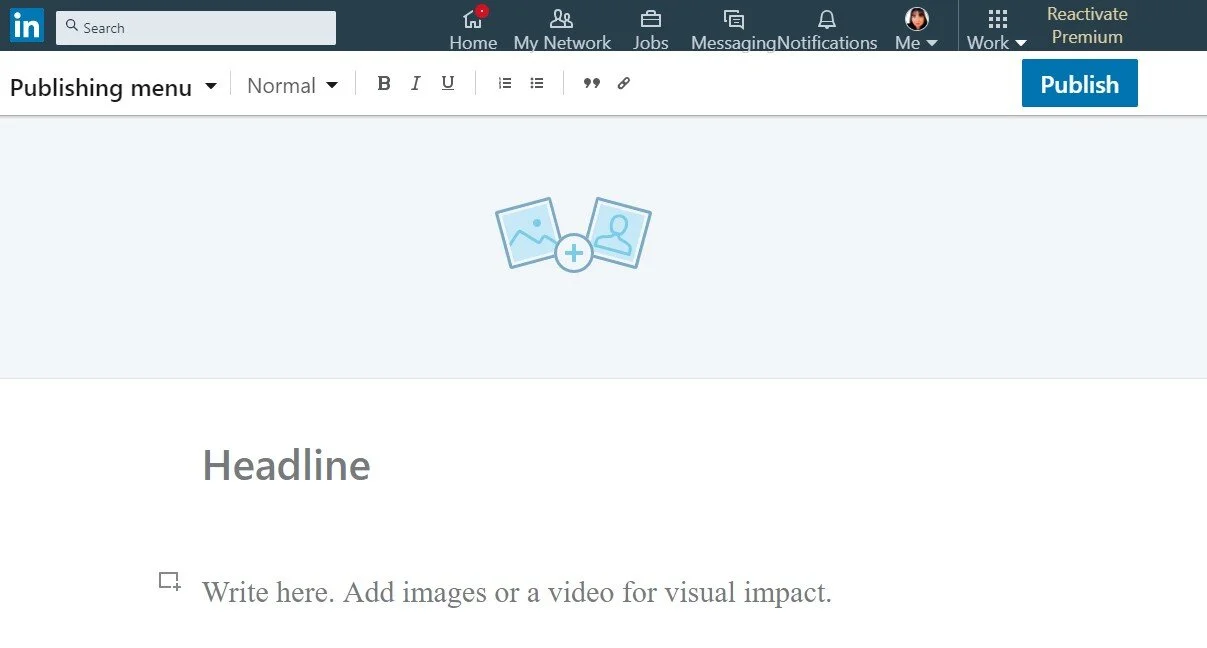
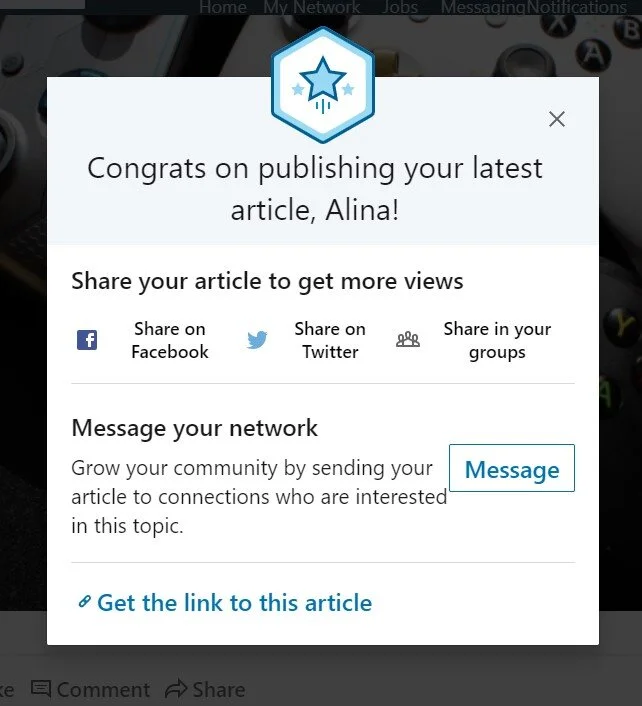
Once you’re done, hit the publish button on the upper right-hand side of the screen. Then you can share your article using LinkedIn’s built-in tools.
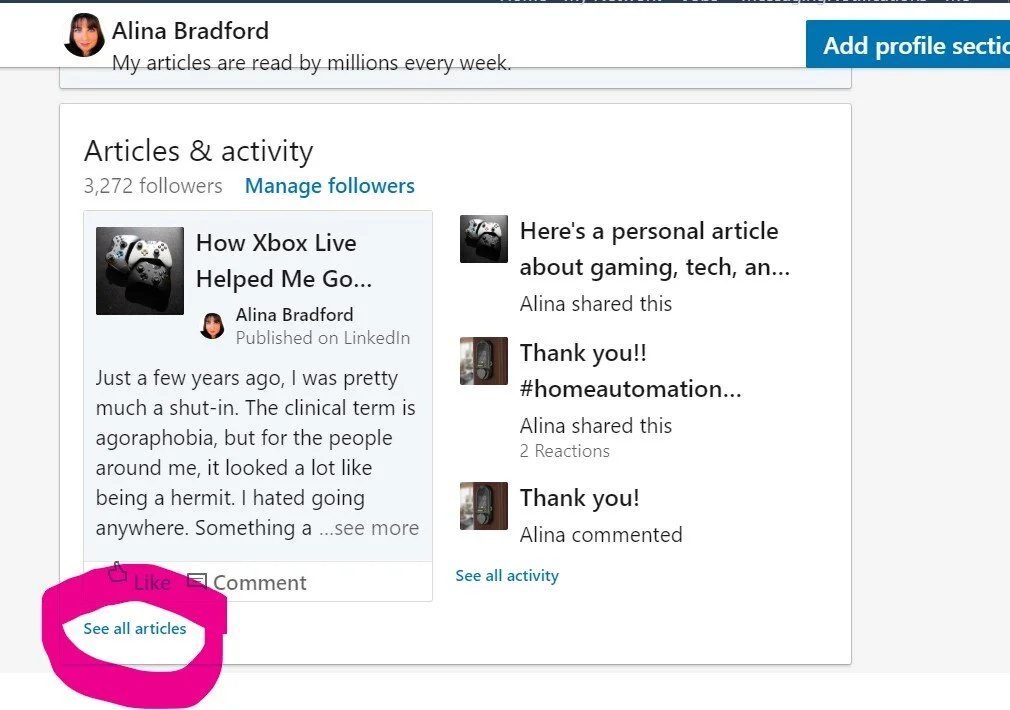
You can find your articles by going to your profile and scrolling down to Articles & activity. Then click on the See all articles link.
That’s all there is to it. Now when a potential client wants to see something you’ve written you can send them links to a couple of your articles.
Want to learn more about creating portfolios, getting clients and making a great living at freelance writing? Get the No-Fluff Freelance Writing Starter Pack.

The best high-paying freelance gigs of the week: January 27, 2020
Remember, 12 in play keeps the bills at bay. Here’s this week’s best gigs to get you started.
How did you do on the No-Fluff Pitch-a-Thon? I hope you found some new clients. If not, there’s still hope. Keep pitching throughout the year. Remember, 12 in play keeps the bills at bay. Here’s this week’s best gigs to get you started. These gigs pay at least $50 an article, offer a full-time salary, or pay more than $20 an hour. They are also all remote (also known as virtual jobs or work-from-home jobs).

Note: I don’t know anything about these positions other than what I post. I weed out the seedy looking ones, but it is your job to be diligent when applying. Also, please don’t message me with questions about the postings. If a link doesn’t work the posting has probably been taken down because the gig has been filled. If you have a gig for freelance writers that pays at least $50 a peice or over $20 an hour, please contact me and I will include your gig in next week’s post.
Senior Technical Writer
Pay: Full-time
More info: LinkedIn
Technical Writer
Pay: Full-time
More info: Remote Jobs
Proposal Coordinator/Technical Writer
Pay: Full-time
More info: Dice
Senior Technical Writer
Pay: Full-time
More info: ZIpRecruiter
Technology Grant Writer
Pay: Full-time
More info: LinkedIn
Proposal Writer
Pay: Full-time
More info: ZipRecruiter
Sr Technical Writer
Pay: Full-time
More info: Pay: ZipRecruiter
Curriculum / Content Writers U.S.
Pay: Full-time
More info: LinkedIn
CCL Report Writer
Pay: Full-time
More info: LinkedIn
Senior Technical Writer
Pay: Full-time
More info: LinkedIn
Ecommerce Copywriter
Pay: Full-time
More info: AT3 Tactical
Shopping News Writer, The Zoe Report
Pay: (Not sure, but I’m pretty sure they pay well.)
More info: Bustle
Junior Copywriter
Pay: Full-time
More info: Indeed
Technical Writer - Medical Device
Pay: Full-time
More info: Indeed
Tech & Social Media Writer
Pay: (Not sure, but I’m pretty sure they pay well.)
More info: Bustle
Design Blogger
Pay: Full-time
More info: Indeed
Want to learn how to make a successful living as a freelance writer? Get the No-Fluff Freelance Writer Starter Pack. Only $29.97.

15 Free Online Tools that Every Writer Needs
Here’s a guide to all kinds of free online services that you can use to get your freelance writing business off the ground. Make sure to bookmark each one!
Every new business venture comes with overhead. One of the least expensive businesses to start, though, is freelance writing. You don’t need to pay for a building and many of the “supplies” you need are free online. Here’s a guide to all kinds of free online services that you can use to get your freelance writing business off the ground. Make sure to bookmark each one!

Google Docs
There’s no need to purchase Microsoft Word to type up articles, whitepapers and copy for your clients. Google Docs is jam-packed with features and it autosaves every few seconds, so you’re less likely to lose your work.
2. WPS Office

Google Docs is great, unless you need to create longer documents like ebooks, because it tends to glitch out. I personally use WPS Office. It is a suite of software including a spreadsheet maker (like Excel), a word processor (like Word) and PDF software (like Adobe Acrobat). The whole thing is free.
3. Medium
If you need somewhere to post your blog posts or articles for free so that you can show them to clients, Medium is a good choice. It’s clean and professional looking, plus you don’t need to do any design work or pay any fees. The platform is super easy to use for beginners', too. If you sign up for their creators program you can get paid for your posts.
4. Capitalize My Title
Capitalize My Title is a little site will capitalize your titles perfectly for any style your client needs, including APA, MLA, Chicago, title case and more. This is great for writers that have a hard time remembering which rules belong to which writing guidelines.
5. Character Counter
Sometimes your clients will ask you to make sure that a headline, quote, etc. is within a certain character length. You can check easily with the Character Counter tool.
6. Plagiarism checker & citation assistant
If you ever have a doubt that you might have plagiarised someone, there’s an easy way to check. Just copy your work into the Quetext tool. It will check everything for you to ease your mind.
7. Citation Machine
The Citation Machine will create citations in whatever style you need automatically.
8. PR Newswire
Whenever you need experts for quotes, turn to PR Newswire. I’ve used it for over a decade and they’ve never let me down.
9. Google Voice
If you don’t want to share your phone number, make a free business number with Google Voice. You can set up a free phone number and voicemail box that redirects to your phone in just a few minutes.
10. Portent blog title generator
Have no idea what your blog post title should be? Try the Portent tool.
11. PayPal
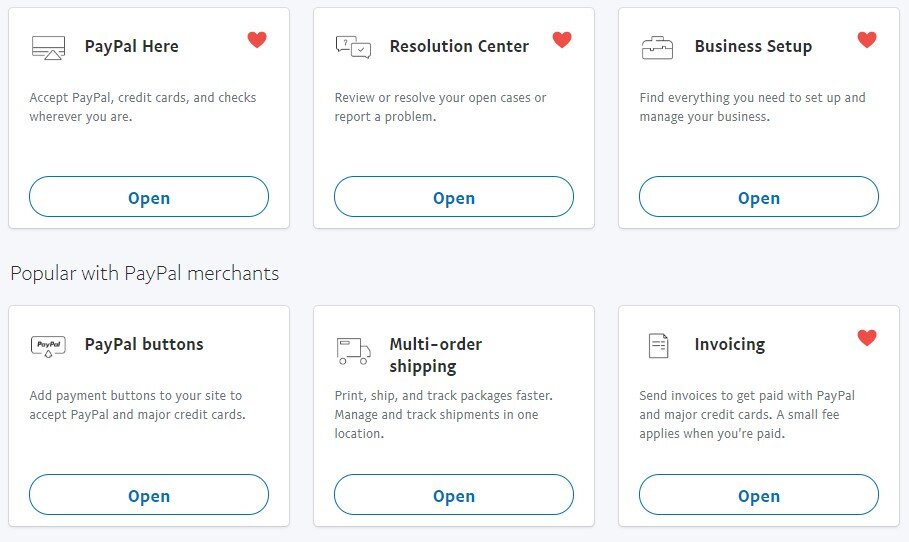
You’ll need a way to take client payments. I’ve been using PayPal for decades and have loved every moment of it. They take a small percentage of your client payments so you don’t need to pay upfront. The cut is 2.9% + $0.30 per transaction (most providers charge a similar rate). You can also get a business debit card, business credit card, a mobile card reader, invoicing services, and pay now buttons for your site.
12. Screencasify
Screencasify is a Chrome plugin that you can use to create a video of whatever you’re doing live for presentations.
13. Free Summarizer
The Free Summarizer tool can summarize and proofread your text.
14. SpyFu
WIth SpyFu you can enter a competitor’s website and download their most profitable keywords. This little insight helps you place better keywords into your own articles and come up with more popular topic ideas.
15. Contently
Every writer needs a portfolio, and one of the best free portfolios is Contently. Plus, you can get writing gigs through the site. Win. Win.
Want to make $100 to $200 per hour from home like I do? My No-Fluff Freelance Writing Starter Pack teaches you how to make a living as a writer from home.

The best high-paying freelance gigs of the week: January 20, 2020
Here’s this week’s best gigs.
We're coming to the end of the No-Fluff Pitch-a-Thon. It's not too late to join in if you haven't yet. Here’s this week’s best gigs to get you started. These gigs pay at least $50 an article, offer a full-time salary, or pay more than $20 an hour. They are also all remote (also known as virtual jobs or work-from-home jobs).

Note: I don’t know anything about these positions other than what I post. I weed out the seedy looking ones, but it is your job to be diligent when applying. Also, please don’t message me with questions about the postings. If a link doesn’t work the posting has probably been taken down because the gig has been filled. If you have a gig for freelance writers that pays at least $50 a peice or over $20 an hour, please contact me and I will include your gig in next week’s post.
Senior Writer
Pay: Full-time
More info: Indeed
Technical Writer
Pay: Full-time
More info: Indeed
Freelance Writers for International Luxury Lifestyle Magazine
Pay: $25-150 per article
More info: Career Cactus
FinanceBuzz Credit Cards Writer
Pay: Full-time
More info: MediaBistro
Long Term Opportunity | Brilliant Writer | Executive Brand Builder
Pay: Full-time
More info: MediaBistro
Remote Contributing Writer
Pay: Full-time
More info: Career Builder
Content Writer
Pay: Full-time
More info: DailyRemote
Freelance Writers for Nonfiction Book Summaries / Reports
Pay: $300 per report
More info: JournalismJobs.com
Legal Marketing Writer
Pay: Full-time
More info: LinkedIn
Hotspawn FGC Writer
Pay: Full-time
More info: Hitmarker
Grant Writer - Continuing Medical Education
Pay: Full-time
More info: LinkedIn
Content Writer for Full Service Digital Agency
Pay: Full-time
More info: Career Builder
Staff Technical Writer
Pay: Full-time
More info: LinkedIn
Technical Writer
Pay: Full-time
More info: ZipReqruiter
Remote Freelance Writer
Pay: Full-time
More info: LinkedIn
Senior Copywriter
Pay: Full-time
More info: LinkedIn
Online Quiz Writers Wanted (Health)
Pay: $50 per assignment
More info: Internet Brands
Law Firm Website Content Writers Needed
Pay: $40-$60 per article
More info: Internet Brands
CDL Instructors to Write About Trucking Industry
Pay: $25-50 per assignment
More info: Internet Brands
Healthcare Writers Wanted (WebMD)
Pay: $50 per assignment
More info: Internet Brands
Immigration Law Writer
Pay: $60 to $125 per article
More info: Internet Brands
Write Articles About Trucking or Comment on the Latest in Trucking News
Pay: $25 to $50 per article
More info: Internet Brands
Want to learn how to pitch clients and then how to write great articles once you have them hooked? Get the No-Fluff Freelance Writer Starter Pack. Only $29.97.

20+ Words Every Freelance Writer Should Know
Here are 20 words every freelance writer should know so a client or editor never leaves you confused with their lingo.
In the writing game you’ll come across a lot of industry-specific words that may trip you up a little. Here are 20 words every freelance writer should know so a client or editor never leaves you confused with their lingo.
Pitch: A pitch is an email, letter or message that you send to a business or publication offering your services. When an editor says that they want you to pitch them an idea it means that they want you to outline an article idea and send it to them.
Bandwidth: You may have a client or editor ask you if you have the bandwidth to take on a project. It just means that they want to know if you have time in your schedule.
TK: This is an editing mark that means “to come.” Putting this in an article lets your editor know that you intend to add more to this section. Editors may also put TK in your article where they want you to add to a paragraph or expand on an idea.
SEO: Search Engine Optimization. It is the technique of creating an article that search engines will like and rank high in search results. Learn more about SEO here.
Keyword: Words in an article that lets a search engine know what the article is about. An important part of SEO.
Keyword phrase: Think about what you type in when you're searching for something online. That is called a keyword phrase.
Net earning: This is how much profit your freelance writing business (or any business) has made after expenses and taxes.
Gross earnings: This is the amount you earned before any deductions or taxes.
Fluff: Filler that needs to be cut from an article. It is extra words and sentences that are there to make the word count larger but doesn’t add anything to the article. Can also be used as another word for BS.
Headline: The title of a peice. Many clients will have certain length requirements and capitalization requirements for headlines, so be sure to ask.
Queue: Often a list of articles that writers can choose assignments from. It can also refer to a bunch of articles that are waiting to be edited or published.
Gaf: Shorthand for paragraph. Someone who says gaf typically picked up this term in journalism school.
Subheading: A title that is given to a set of paragraphs on the same topic. Online articles and many print articles are divided up into sections using subheadings.
H1, H2, H3: The size of a subheading. Typically, most online publications use H2 subheadings. You can choose the heading size with most article tools such as Google Docs, WordPress, etc.
Slug: This is whatever you want the web address to be. It can also mean a short name for your article.
Internal link: This is a link that goes to somewhere else on the site when you click it.
External link: These links take readers to other sites.
Do-follow, don’t-follow links: Sometimes clients will ask you to put these links in your articles. Dofollow links are your normal links. Nofollow links tell search engines to ignore the link and will have a rel=”nofollow” HTML tag. This will prevent the link from harming a site's rank on a search engine.
Lede: Basically the introduction to the article. Sometimes it refers to a snappy summary of the article in just one sentence that compliments the title.
Byline: The name of the author of the article.
Hook: The part of an article idea that will make your article catch reader’s attention or stand out.
CTA: Call to action. A sentence or two at the end of the article or copy that encourages readers to take some kind of action, like click a link, read the next article, or purchase an item or service. Here’s an example:
Like tips like these? Grab my No-Fluff Freelance Writer Starter Pack. It teaches you how I make $100 to $200 an hour as a freelance writer.
More articles you may like:
Pitchwiz is the Best (Free) Place to Find High-Paying Writing Gigs
How To Pitch Magazines: A Writer's Guide for Getting Published
Here's How to Find Out How Much Publications Pay Their Writers
5 Examples of Awful and Awesome Email Subject Lines...and Maybe a Few Shades of Grey

The best high-paying freelance gigs of the week: January 13, 2020
Get some new clients this week with these great high-paying gigs.
Don’t forget, we’re still doing the No-Fluff Pitch-a-Thon. Be sure to join in! To help you get on track with your daily pitches, here’s week’s best gigs. These gigs pay at least $50 an article, offer a full-time salary, or pay more than $20 an hour. They are also all remote (also known as virtual jobs or work-from-home jobs).

Note: I don’t know anything about these positions other than what I post. I weed out the seedy looking ones, but it is your job to be diligent when applying. Also, please don’t message me with questions about the postings. If a link doesn’t work the posting has probably been taken down because the gig has been filled. If you have a gig for freelance writers that pays at least $50 a peice or over $20 an hour, please contact me and I will include your gig in next week’s post.
Freelance Lifestyle Bloggers
Pay: $75 per article
More info: JournalismJobs.com
Arts & News Freelance Writer
Pay: $50 per story
More info: SImplyHired
Travel Writer & Editor
Pay: $20.00 to $35.00 /hour
More info: SImplyHired
Editors, News Editors, Writers
Pay: Full-time
More info: SimplyHired
Freelance Automotive Quiz Writers
Pay: $50 per assignment
More info: Internet Brands
Freelance esports writers
Pay: $180/1,200+ word article
More info: HitMaker
Writer, Executive Brand Builder
Pay: Full-time
More info: Daily Remote
Copywriter at DuckDuckGo
Pay: Full-time
More info: Daily Remote
News Writer at Android Central
Pay: Full-time
More info: LinkedIn
Technical Writer
Pay: Full-time
More info: LinkedIn
Storyteller and Writer
Pay: Full-time
More info: ZipRecruiter
Travel Writer & Editor
Pay: $20 - $35 an hour
More info: Indeed
Political Direct Mail
Pay: $50-$70 per piece
More info: Indeed
Healthline Freelance Network
Pay: $150
More info: Blogging Pro
Nights/Weekends Writer and Editor -- Disney-Related Content
Pay: Full-time
More info: Indeed
Independent Journal Review
Pay: Full-time
More info: Indeed
Contract Technical Writer
Pay: Full-time
More info: Indeed
More articles on pitching

The best high-paying freelance gigs of the week: January 6, 2020
These gigs pay at least $50 an article, offer a full-time salary, or pay more than $20 an hour.
Happy New Year’s, everyone! Are you participating in our No-Fluff Pitch-a-Thon? If not, you should! To help you get on track with your daily pitches, here’s week’s best gigs. These gigs pay at least $50 an article, offer a full-time salary, or pay more than $20 an hour. They are also all remote (also known as virtual jobs or work-from-home jobs).

Note: I don’t know anything about these positions other than what I post. I weed out the seedy looking ones, but it is your job to be diligent when applying. Also, please don’t message me with questions about the postings. If a link doesn’t work the posting has probably been taken down because the gig has been filled. If you have a gig for freelance writers that pays at least $50 a peice or over $20 an hour, please contact me and I will include your gig in next week’s post.
Technical Writer
Pay: Full-time
More info: Recruit Net
Legal Marketing Writer
Pay: $40 per page
More Info: Craigslist
Content Writer (Remote) – Tech SaaS Startup
Pay: $20 to $22 per hour
More info: Indeed
Freelance Car Guides Writer for Digital Trends
Pay: They pay very well (can’t say how well exactly because it varies, but I write for them and they’re great!)
More info: Greenhouse
Freelance Computing Guides Writer for Digital Trends
Pay: They pay very well
More info: Greenhouse
Freelance Features Writer for Digital Trends
Pay: They pay very well
More info: Greenhouse
Freelance Gaming Guides Writer at Digital Trends
Pay: They pay very well
More info: Greenhouse
Freelance Photography Guides Writer at Digital Trends
Pay: They pay very well
More info: Greenhouse
Freelance Smart Home Guides Writer at Digital Trends
Pay: They pay very well
More info: Greenhouse
Mobile Guides Writer at Digital Trends
Pay: They pay very well
More info: Greenhouse
Freelance Dermatology Writer
Pay: Blogs range from 500-700 words ($50) and 700-1000 words ($77.50)
More Info: Indeed
PushBlack Digital Content Producer
Pay: Full-time
More Info: LinkedIn
Content/Copy Writer at Digital X Technologies
Pay: Full-time
More Info: LinkedIn
Interactive Game Story Writer at The Job Network
Pay: Full-time
More Info: LinkedIn
Technical Writer (Healthcare Industry)
Pay: $40,000 - $50,000 DOE + Benefits
More Info: ZipRecruiter
LifeSavvy Media Writer
Pay: $25 an hour
More Info: ZipRecruiter
Proposal Writer
Pay: Full-time
More Info: LinkedIn
Proposal Writer
Pay: Full-time
More Info: Daily Remote

How To Pitch Magazines: A Writer's Guide for Getting Published
Here is a step-by-step guide to writing and pitching your article to a magazine.
Lately, one of the biggest questions I've gotten from new writers is how to pitch a magazine. For the modern freelance writer, the online world of published articles and opportunities to be featured in well-known magazines is daunting and intimidating. There's a right way to propose your pitch to the editor of a magazine – which means there's a wrong way, too.
There is so much competition out there for that spot to feature your article that it's worth taking the time to work out how to approach the big wigs and make a name for yourself. Here is a step-by-step guide to writing and pitching your article to a magazine.

pitching to magazines
1. Research
Doing your research is paramount. You have to know the magazine you're pitching to reasonably well to know exactly how to address them. Read their latest publication and find out what kind of material they are most interested in. Then, read the last six issues. Really, get to know the style and type of article they like. I'm not kidding. Do the leg-work.

2. Deciding on a form of contact
Once you've done your research and have familiarized yourself with the magazine, you need to work out whether to send an email or a letter. For the most part, email is best for this initial approach – it allows you to be brief in your proposal but clear in what you're trying to achieve. Editors don't have time to read an essay.
3. Getting the contact information
Finding the email address of the right section editor can be tricky. Here are some tips:
Usually the magazine's website will have the information you need. Go to the contact page and look for the submission email address.
If the site doesn't list one, go to the magazine's masthead (the listing of the people who work for the magazine usually found by the contents page) and see who the section editors are. Then, attempt to make contact with them through LinkedIn.
You can also try finding out their email address by finding their social media pages on Facebook, Twitter or Instagram.
Google the magazine's name and the words "submission guidelines." A little searching may turn up just what you need.
Get a subscription to the Writer's Market. This site lists all the latest contact information. Or you can buy Writer's Market 2020 in book form if you don't want a subscription.

How to contact a magazine
4. How to write your pitch
Begin your pitch with an eye-grabbing subject line that summarizes your story without going into too much detail about it. Then, start your email with a top-line in bold that summarizes your pitch. While you need to be clear with the context of your article, the editor wants to know what you want ASAP. Be specific and clear about what it is you're pitching.
What you follow up your top-line with is essential. You should include roughly 100 to 150 words of background to your title, allowing the editor to get a little more information about your article, without giving the whole thing away. You want to give them a taste of what you've written.

Finally, once you've filled out the email with your top-line and brief article summary, you want to finish off with a short bio about yourself – past work, achievements, why you want to write for their particular magazine. Keep it short and relative to their publication – only include information that reflects the kinds of things they're looking for in a writer.
5. Follow up with the magazine
Once you've finished writing your pitch, don't just sit back and wait for the reply. Editors are busy people and have a lot of emails to get through every day, so part of the job is in your ballpark.
Once you've sent your email, find their contact information and give them a call, asking if they've received your pitch. This will help them to find your email and potentially get them to put it at the top of their to-do list. You want to be perceived as proactive and motivated.

Calling not your thing? I hear you! You can also send a follow-up email. I've gotten dozens of assignments just because I had the nerve to follow up with an editor.
It's a dog eat dog world out there for freelance writers pitching to magazines, and it's not getting any easier. You want to stand out from the crowd by producing an attention-grabbing, relatable pitch – it gives the editor the impression that you're seasoned and know what you're doing.
Want some more great tips on how to be a freelance writer? Get the No-Fluff Freelance Writing Starter Pack.

Pitching and More: How to Get More Work as a Freelance Writer
Here are some strategies to get more work as a freelance writer.
Working freelance is tough. Not only do you have to keep yourself organised and motivated, but you also have to make sure that you promote and market yourself. If you’ve decided to give up your 9 to 5 job and take up a more flexible freelance life, here are a few tips on how to promote yourself and get good work.
Consider the publications you’re pitching

First of all, chances are you’re sending off all sorts of pitches to different editors and publications. Don't do that. It’s important to make sure that you’re sending the right ideas to the right places to maximize your efforts.
Form pitches is the kiss of death. To an editor worth their salt, it’ll be obvious from a mile off if you’ve been sending the same idea around to lots of different publications. Make sure that you’ve researched the publication that you’re sending your pitch. Then, give specific reasons for choosing their publication and tell them why you think your idea would work for them. Editors love writers that do their research.
Be full of ideas, but don't stress
Let’s face it: no matter how great you think all your ideas are, they won’t all get accepted and published, even if you’d love them to be. Facing rejection is part and parcel of being a freelance writer - and you can’t let it deter you from continuing on and thinking of even more great ideas.
It’s important for you to be inspired by the world around yourself - make sure that you take experiences that happen to you, whether they’re good or bad, and consider how you could make them into a pitch. After all, everything is material.
When you have ideas, send them out as queries to publications. Keep at least 12 queries out at one time. This will help you keep a steady flow of article jobs coming in. Remember, 12 pitches in play keeps the bills at bay.
Pitching beyond
Pitching doesn’t mean just sending your ideas to publications and hoping they hire you to write an article. You can also pitch your writing services to business blogs and websites. Don’t forget to look for writing gigs on jobs sites, too.

Maintain your online presence
Being a freelance writer is not just about being a good writer - it’s also about knowing how to present yourself online.
First, make sure that you maintain a certain voice on your social media accounts. Strike that balance of fun and professionalism that will make people want to contact you to get some freelance work done.
Make sure you have a website, too, with your contact information clearly visible, including your phone number, email address and postal address, along with Facebook, Instagram and Twitter social media accounts.
Once you have your site up and going, remember, SEO is your friend. Essentially SEO means rearranging the Google search results so that your name comes to the top when someone searches for "freelance writer." Useful, right?

Communicate for referrals
Finally, you make sure that you communicate effectively with your clients. Remember, word of mouth is one of your best marketing strategies. If your clients like you, they will recommend you. Make sure that you’re clear about how long work will take you to complete and keep them updated at all times. Then, when work is done, ask your clients to refer you to their friends or colleges.
Want to start making $100 to $200 an hour with your freelance writing business? My book offers in-depth, actionable secrets that will get you there in just a few months. Learn more here.
More articles you may like
Pitchwiz is the Best (Free) Place to Find High-Paying Writing Gigs
How To Pitch Magazines: A Writer's Guide for Getting Published
Here's How to Find Out How Much Publications Pay Their Writers
5 Examples of Awful and Awesome Email Subject Lines...and Maybe a Few Shades of Grey