

6 Ways Your Website Could Scare Customers Away From Your Business
Even though many people will argue with me, I believe that every business needs a website. Whether your enterprise relies solely on ecommerce or not, your website is an essential tool in your brand-building arsenal. For many new customers and prospects your website will be their first exposure to your business. Social media pages just aren't enough, mainly because you don't own your social media pages. They can be deleted at any time and you'd lose your customers. You don't have that problem with a website. While many small businesses know that they need to have a digital presence, they don’t always necessarily give the creation and maintenance of their digital space the care and attention it deserves. After all, we’re about 20 years too late for it to be a novelty to simply have a website. If you fail to give due consideration to the design, architecture and content of your website it could end up letting your business down in a number of ways...
You don’t use landing pages
Landing pages are an essential way to drive conversion rates while reducing user bounce rates. But that’s really just the tip of the iceberg. They also allow you to:
Remove the distractions present on your homepage to better influence user outcomes.
Generate more leads.
Collect valuable data from your prospects.
Track user engagement data to see how users react to your landing page (this can serve as a neat microcosm for how they interact with your website in general).
It doesn’t look as professional as it should
Web design is an important discipline that will play a huge part in determining user engagement. If your website is an eyesore, expect high bounce rates. In an age where there are a plethora of platforms that offer customisable themes, it can seem quick and convenient to use them. However, this can make your website look amateurish and discordant with the professional veneer you are trying to establish.
It has poor UX and weak CTAs
As important as web design is, a business also mustn’t neglect their web application architecture. This will not only make your website more stable and reliable, it will also ensure that your website has great UX. UX or User Experience is a big part of your website’s efficacy. Good UX can make your website easy and pleasant to navigate while also subtly influencing user behavior. One example of how UX can play a strong role in influencing user behavior is your use of the CTA or Call To Action.
The placement, color and (particularly) wording of your CTA buttons all play an important part in boosting your conversion rates. The wording of a CTA can be the deciding factor in whether a user clicks to buy, download or learn more… or whether they bounce away from your website never to return.
It isn’t as secure as it should be
We live in cyber security aware times. If you expect users to give you their personal information or make a purchase, they expect certain security assurances from you. If you offer ecommerce on your website, you can’t expect savvy web users to entrust you with their credit card details if they don’t see https:// at the start of your URL. As of last summer, failing to have a security certificate will also cause Google to penalize you. Not only will your SEO plummet, users will see a “Not secure” at the top of their browser. While this won’t raise alarm bells for blogs, it’s not a great look on a business.
Your content doesn’t showcase your knowledge
Content marketing is an essential way of building value and trust in your brand. First of all, it gives your business a sense of identity and personality. It can showcase your knowledge and expertise and establish you as a leading mind in your chosen industry. It allows users to make the kind of personal investment that precipitates a strong and long-lasting relationship with your business. Plus, when you’re posting regular content it gives your SEO a nice little boost as well.
However, don’t let this lead you to sacrifice quality for quantity. Rushing your content or outsourcing it to a low cost, low quality third party will reduce the value users perceive in your brand.
It’s not responsive
In an age where most of us access the internet through mobile devices, your website needs to be responsive in more ways than one. Most obviously it needs to be responsive in terms for being easy and attractive to use on a mobile device. Moreover, it needs to respond quickly to user prompts. In the mobile era users are more impatient than ever. In fact, a page load time of just 7 seconds can increase your bounce rates by over 30%. You can check your site for free using Google's page speed tool.
For a website that wows, steer clear of these big 6 web design and infrastructure mistakes.

4 Steps to Clicking the Internal "Refresh" Button: How to be Mentally and Emotionally Prepared for the New Year
Dr. Lara Fielding offers steps and practices to step into the new year prepared to set resolutions and to actually follow through with them.
By the end of a long, and particularly trying 2018, it’s normal to feel worn out and not exactly pumped for taking on new tasks. The motivation tank is dry and the pull to shut down and avoid is stronger than ever! So we can all use some tools for clicking the internal refresh button. Here’s how!
Step I: Find Motivation in Your Values
Values are different from goals. Values are your internal GPS, and help you connect to your why. They are chosen by you, and only you, and provide you with stamina to endure discomfort in the service of the kind of life you want to design.
Values are the direction you want your life to take, and the kind of person you want to be! And…. It takes some serious intentionality to get connected to them.
Let’s Practice: Complete the following sentence for the areas of your life where your feeling burnt out.
I’d like to be the kind of person that other’s see as ________________________ ____________________. And I’d like to show these qualities in my behavior by _____________________________________.
Next, keep this vision of the you you’d like to be in 2019 in mind as you go through the following steps.
Step II: Validate the Discomfort
Our default reaction when we feel internal discomfort such as awkwardness, uncertainty, anxiety, or frustration, is to do something to get rid of the feelings. This is natural of course. Who wants to feel uncomfortable?
But when you’re feeling burnt out, and you’ve been pushing through the whole year, it’s time for another approach.
Rather than smothering your feelings, ignoring your emotions, and pretending your ‘fine’, practice getting curious and open to your experience. The Validation skill is the simple act of non-judgmentally acknowledging that the experience is present. Just like getting validated in the parking lot simply says, “you were in the building.”
Let’s Practice: The easiest small step you can take towards validating your emotions is to label them. Finding the right emotion word for your emotions actually activates parts of the brain that dampens over reactivity and motivates effective behavior. Gently allow yourself to have and hold that emotions. As you do so, notice how you feel in your body.
Step III: Keep Your Thoughts In Check
Just like our actions, our thoughts can fall into habitual patterns when we’re stressed out. These patterns can pull us into low mood and motivation. But actually, seeing your thoughts as just thoughts, rather than facts takes some practice.
What happened above when asked to visualize your ideal self in 2019? Did your mind offer up ‘reasons’ you cannot do those things? Or did you skip through the exercise entirely? Or maybe you noticed judgments about the exercise?
The key is to catch when your mind pulls you away from the things you need to do to take care of yourself – and then redirect to the present moment.
Let’s Practice: A simple way to practice stepping back and observing thoughts is to start speaking about your thoughts as thoughts, rather than facts. Take a full minute or two to just sit in silence. Soon your mind will start generating thoughts. Preface each thought with; “I’m noticing I’m having the thought….” And then redirect your attention to your ‘direct experience’: the things you can touch, smell, taste, or here.
Step IV: Change Your Re-Actions
One of the largest predictors of the effects of stress on our mental and emotional well-being is how we react to the triggers in our lives. Our reactions may be larger more obvious discomfort avoidance behaviors, such as using substances or yelling or arguing. Or our reactions might be that insidious way we tighten our shoulders, furrow our brow, or clench our teeth.
Maybe others notice, maybe they don’t. But your reactivity has a huge impact on your stress levels and mental health.
So, the key here is to control, the only thing in your control, which is your actions.
Let’s Practice: Right now, as you read these words, practice with me. Sit up a bit, and place both feet flat on the floor. Place both palms on your knees and up towards the sky as you allow your shoulders to drop down. Open your chest, and soften your belly. Notice how you feel, in this very moment.
This simple practice sends a powerful message from your body and up into your mind. It says, “I am open to my experience.” “I am safe. There is no danger present.” From and evolutionary view, you simply would not take this position if there was a real physical threat.
Although it can feel very much like we’re not safe when we’re stressed and burnt out. In truth, you are safe, you’ve got this. Practice these four simple steps to reconnect to your big picture values, and mindfully master the discomfort that comes up as you pursue what matters.
LARA E. FIELDING, PsyD., Ed.M., is a psychologist who specializes in using mindfulness-based therapies to manage stress and strong emotions. She studied the psychophysiology of stress and emotions at the University of California, Los Angeles and Harvard, before getting her doctorate at Pepperdine University graduate school of education and psychology, where she is currently adjunct professor.
In her private practice in Beverly Hills, CA, she specializes in treating young adults challenged by the stresses of transitioning roles and responsibilities resulting in difficulties with mood, motivation, and emotion regulation. Her values mission, and aim of her work, is to empower young adults through self-awareness, bridge the gap between research and people, and lowering barriers to availability of science-based mental health interventions.

Making Your Blog More Professional
When it comes to the world of blogging everyone and their dog has a blog, but only very few make it into the big bucks. Many people can earn an okay living, working with brands, getting paid for writing content and links. And that is great, but what about making sure that when you are creating things for your blog, they are eye-catching and useful? It isn’t just about what you say it is also about how you present it. If you have a black webpage with tiny yellow typeface no one is going to stick around to see how to make a million bucks, are they? No. When it comes to the design of a blog, it should be clean, professional, and mobile-friendly. But, what else? Let’s take a look.
Font
Use a clear font, and once you have found the one that works for you, you should be using it across all of your content. If you struggle to find what you like in terms of the font, then take a peek at the typeface app to help you select the perfect font, and then create assets to use across your channels.
Clutter
Get rid of the clutter. While you might be looking to make your blog your primary source of income, having a lot of inline ads, pop-ups and other flashy items are likely to put your reader off. You can buy (or write the code for) a theme that will have dedicated spaced for ads. They will maximize your income without cluttering up your content. If in doubt? Put them in the sidebar.
Images
Use full-width images. Having beautifully written content, filled with emotion or information will go to waste if your images are fixed width and small. The flow of the material, pretty much any content, will be much better when you use full-width images. It is much more aesthetically pleasing. Uniformity is beautiful.
Fold
You need to utilize above the fold. If you have a really large header, and then some adverts, you are forcing people to scroll down to read your content. It isn’t always a bad thing but think about how often you scroll down. Any content above the fold needs to be the hook, you need to tell people WHY they need to read the rest of the post. What does scrolling down give them?
Tests
Test it all out at least once a week. The code for some themes changes, plugins change, and everything updates. If you aren’t checking in on the content, you might find that people are having problems you weren’t aware of. When you perform a check use the menu to navigate through the blog, try scrolling down and see at what point your pop-ups arrive. All of this will benefit or inhibit your readers. The user experience is essential.
A well-presented blog will be a springboard to more. You might like to think of it as a continually updating CV where people can see your style, your writing, your ability to design and your understanding of SEO.

Resolution: Make 2019 Your Healthy Brain Year
Guest Post By Eddie Fatakhov M.D. (a.k.a. Dr. Fat-Off) Before 2018 is firmly in the rearview mirror most people around the world will participate in the honored tradition of defining their New Year’s resolutions. While there are many intentions that might be spoken but not kept, there is one that is well worth the effort. If you follow through on one resolution this year let it be improving your overall brain health.
Here are 4 simple ways and 4 tasty foods that will help clear your brain fog in 2019 to ensure your new year is the best, and most productive, it can be.
4 SIMPLE WAYS TO BOOST YOUR BRAIN POWER
Some of the easiest ways to enhance brain function can be found in simple lifestyle changes. Making lifestyle changes are a great way to improve overall health but the following methods are especially beneficial to the brain.
1.) Get more sleep Sleep is an amazing tool that is too frequently neglected. If you can add more sleep into your daily routine you will find a marked improvement in your overall ability to concentrate, make decisions, and manage stress.
2.) Speaking of reducing stress… A simple way to eliminate stress is to start by recognizing and addressing it. It’s easy to say “work, kids, and life stress me out” but if you take a second to identify these stresses individually you will find that they are easier to manage. When the stress creeps up try breathing. Breathing exercises can instantly extinguish your stress fuses.
3.) Exercise - It’s not what you think Like lifestyle change, exercise is key to overall health but the amount of exercise needed to give you clarity is fairly small. Brain benefitting exercise can be as simple as walking for a few minutes or taking the stairs. Try setting a timer for ten minutes while working on an intense work project. If you take time to stand, stretch, and move when the timer goes off you could find that your mental clarity improves when you resume.
4.) Diet makes a difference Help your brain with what you eat. If you eat processed, high in sugar, or fast food you are adding obstacles for brain function.

brain food
4 FOODS TO BOOST YOUR BRAIN POWER
While there is no food to make your brain function like a well oiled machine all day, there are some that have benefits such as added energy. This increase in energy can be the kick your brain needs to stay on task, work harder, and smarter.
1.) Vegetables - the greener the better Vegetables make great daily snacks, not only for your waistline but also for your energy. Not all vegetables are created equal so look for the ones with the most chlorophyll. Chlorophyll is what makes plants green. It is also a great tool for getting oxygen into your blood, providing our cells with a good source of energy, which is great for brain function. Here are some good-for-your-brain greens: kale, Swiss chard, wheatgrass, and arugula. There are also some nutrient-rich algae to consider such as spirulina and chlorella (available in supplemental powders - add them to smoothies or fruity yogurt).
4. Carbs! The good-for-you kind
A lot of messaging says to ditch the carbs but in the process you are losing some serious brain support fuel. You can have carbs as long as they are the right ones. Think complex carbs a.k.a. - steel-cut oats, sweet potatoes, and whole wheat bread. These carbs give you glucose energy but have a low glycemic index (GI) - the rate at which food sugar enters cells. Low GI foods are better for keeping energy higher longer.
3. Fatty Acids
DHA Omega-3 fatty acids (found in fish - salmon, sardines, tuna, mackerel, and trout) and brain function go hand in hand. DHA is not something we naturally create in our bodies but adding it through our diet can support vital brain function like memory.
In addition to fish DHA can be found in seeds such as flax, chia, and hemp. These are easily added to salads (really green salads), yogurt, smoothies, or cereal. Another great source of DHA comes from the tasty walnut.
4.) Foods high in benefits and nutrients Here are some foods that are growing in popularity for their health (and brain) benefits due to increased energy and more.
MacaMaca (a kale cousin) is common in Peruvian cooking for its many health benefits such as increased libido, lower blood pressure, and increased energy and endurance. As we have already discussed, increased energy can be a big brain benefit. If maca is utilized as a daily supplement positive side effects can be seen. Because it’s often offered as a nutty flavored powder maca is easily incorporated into most beverages or breakfast cereal.
Bee PollenBee Pollen is very high in B vitamins and all amino acids. This is important because B vitamins and amino acids are big energy creators due to the fact that they increase red blood cell count which, in turn, increases oxygenated blood.
Chocolate Before your chocolate bar becomes a sweet treat it starts as cacao (the raw bean form). This natural bean is packed with brain powering magnesium and phenylethylamine compounds (PEA) that stimulate the central nervous system. This all adds up to more focus! Cacao also contains flavonoids - brain good antioxidants. To get the best form of cacao look for organic or vegan chocolate bars. They usually have what you want without all the additives.
SOURCES:
https://www.whychlorophyll.com/blog-entries/2017/6/18/green-foods-may-power-your-cells-like-plants
https://ods.od.nih.gov/factsheets/Magnesium-HealthProfessional/
ABOUT DR. FAT-OFF

Eddie Fatakhov, M.D., a.k.a. Dr. Fat-off, is a Board-Certified Physician, Nutritionist, and Best-Selling Author of "The Doctors' Clinic-30 Program. His latest book is “Dr. Fat-Off Simple Life-Long Weight-Loss Solutions.”

Get Writing Again: 10 Tips for Relief from Carpal Tunnel
Ah, the bane of writers everywhere: carpal tunnel! There’s nothing worse than wrist pain. It limits our ability to perform the simplest activities like cooking or gardening...not to mention typing. Plus, did you know that women are three times more likely to suffer from carpal tunnel syndrome (CTS) than men? Boston physical therapist Holly Herman offers the following 10 tips for relief and prevention of CTS:
Move only your fingers when typing and keep your wrists straight.
Your computer should be at eye level to avoid bending your neck.
Stretch your hands and wrists by spreading your fingers wide and then ball them up into a fist every 30 minutes when typing. Repeat five times.
Rotate your wrists five times in one direction, then five times in the other direction. These exercises will keep your hands and wrists flexible and decrease the chances of acquiring CTS.
Slicing and dicing in the kitchen can put too much strain on the wrist; wear your brace to add extra support.
Take frequent breaks from activities that require repetitive motion. Rest, stretch, change positions, or alternate with another activity.
Use a wrist brace like Wellgate's Wrist Support at night, when playing sports or exercising to keep the wrist in a neutral position and allow it to rest.
A wrist brace should fit well so that you are not fighting against it to move. For every 15 degrees that the wrist is bent forward or back, extra pressure is placed on the median nerve as it passes through the carpal tunnel. A wrist brace is recommended for carpal tunnel because it holds the wrist and eases the pressure in a neutral position (straight, not bent forward or back) giving the nerve the most room in the tunnel.
Most people tend to sleep with their wrists bent forward causing numbness and tingling associated with Carpal Tunnel Syndrome that can wake us up at night. Wearing a brace when sleeping can help prevent the symptoms of carpal tunnel caused by the wrist being in a bent forward position.
Holding the phone all day can cause undue stress on the wrist. Switch to a headset or wear your brace to help prevent CTS and alleviate neck and upper back pain.

What You Need for an Easier Freelancing Life
Freelancing is far from being easy. You know that. I know that. Working for yourself means you’re totally responsible for the outcome. You have no-one to push you to meet your deadlines and there’s no salary to protect you when you can’t get the work in. So, what tools can make your freelancing life a little less stressful? I got you, fam.
A Good Calendar
When you work for yourself, it’s important to manage your time well. Managing your business in a chaotic style will only lead to you dropping balls and disappointing clients.
Having a calendar tool you can rely on will help you to remember important meetings and dates without having to store all the information in your head. You can set reminders on your calendar, so you receive alerts when something important is coming up.
Google Calendar is free and you can sync it across various platforms, so you can easily add dates and you can view it on your computer, tablet, phone, etc. You can also use it to send meeting reminders to clients.
If you like non-digital calendars, I recommend the Living Well Planner. It has spots to plan your goals every month, to-do lists, must-do lists and more. It's what I use every day. Here are a bunch of similar planners on Amazon.
IT Solutions
Many freelancers rely heavily on IT to produce their work, connect with clients or colleagues and start new contracts. Having an IT problem can really set your work back, meaning you earn less.
Using managed IT services can be a godsend when you aren’t confident in trouble shooting. It’s one of the best ways to fix problems, find out what’s working for you and what’s not and keep things rolling when you take vacations. You can also get a digital personal assistant like Fin to figure out the fixes for you.
Communication
It’s all good and well using email as a way of communication, but if you’re working online day in and day out, there are far better tools.
Websites, like Basecamp for example, are ideal for communicating with clients via message and uploading or downloading work files. It’s a great way of knowing your files have been sent and received, rather than wondering about emails.
Productivity and Finance
Once you’ve got your freelance business up and running, it’s important to monitor how well you’re doing. Productivity and finance tools can show you how your business performs over set periods of time.
You may notice patterns you aren’t happy with and can rectify once you see them. It’s a good way of keeping track of the money you have coming in too. It’s ideal for keeping track of the taxes you’re likely to pay at the end of the financial year.
Social Media Management
There aren’t many businesses out there that are surviving without social media. It’s the best way of getting free advertisement and targeting a specific audience. However, social media can be another large task on your to-do list that you just don’t need.
Social media management tools can advise you on when and where you should be posting, and you can even write/create your posts in advance, ready for posting at a later date. That way, you can have all your posts for the coming month ready and waiting, and you don’t have to think about it as you’re working on client projects.
These kinds of tools make working in any capacity a lot less stressful, and there are plenty more out there!

Lifestyle Changes That Will Boost A Writer’s Bank Balance
When you make the leap as a professional writer, it’s easy to see the big things as the stuff that holds you back. The amount you charge per piece is going to have a big impact relative to your personality. In every way, it makes sense because what you charge directly impacts your bottom line. The way you carry yourself affects your profit margins too. To quote Samuel L Jackson, personality goes a long way. Making small changes to your how you handle the public can be the difference between success and failure.
You can find ways to better how the public sees you, below.
Develop Organizational Skills
It may feel like a hobby still, but the reality is this freelance writing business is your main source of income. As a result, it’s crucial you treat it like you would any other job so others will see you as a professional. That means creating budgets and tracking expenses to ensure every penny you spend isn’t a waste. Act like a boss and others will, too.
Yes, taking control and promising to do better is one way to grab the bull by the horns. Try using a mobile app like Personal Capital reviews, Mint and Quicken, can keep tabs on on accounts via a mobile device. So, all it takes is a single download.
Take Action
As a self-employed person, there will be times when clients fail to pay on time. Although it’s inevitable, it’s frustrating when it happens because they didn’t keep their end of the bargain. It’s worse when they drag their feet. Some companies and individuals do it because they are disorganized, yet others know they can get away with delaying. Don't lose your cool. That's a bad look and makes you seem unprofessional.
The only way these people get the message to pay is with solid action, such as threatening a lawsuit. Here's an example:
Dear (Client),
It has come to my attention that you have failed to pay the balance of ($$$) for the work (name of article, etc.) completed on (date). I am informing you that you have no legal right to use the work until the balance is paid in full. If you refuse to pay the full amount by (deadline), I will be forced to take unpleasant measures. Step one will be to alert the Better Business Bureau. Step two will be to leave an unflattering review on Yelp of your business. Step three will be to contact my lawyer.
I am awaiting payment.
(Provide payment details here, such as your address or PayPal info.)
Thank you for your prompt payment,
(Name)
Figure Out Relative Savings
You spend time figuring out what printer ink to buy and how to save a small amount on business cards, but the big things you ignore. Remember that saving 5% on $1,000 isn’t the same as saving 5% on $500. Airline tickets are a prime example.
Understand the need to cut back on the big things and let the little stuff slide is a lifestyle change that is pretty straightforward and can make your seem more control in your business. All you need to do is to single out the large, expensive items and do your research.
Understand the Need For Quality
Some things are too good to pass up on as a writer. Take your laptop as an illustration. You may have spent time trying to slash the final cost to save money, but it will it help in the long-term? A device which constantly breaks down only adds to the expenses column as it needs repairing and you lose earnings. Constantly missing deadlines because of faulty equipment makes you look cheap and flakey to clients, too. Even though the initial price is high, it’s better to splash out a little extra cash now for quality to make more money in the future.
How does your lifestyle impact your career salary?

FlexJobs’ Survey Finds Some Fascinating Facts About Freelancers
Boulder, CO, Dec 4, 2018 -- Today FlexJobs released new insights from its November 2018 survey, which gathered responses from nearly 1,000 freelancers about key topics related to their freelance career, lifestyle and workstyle. Based on this survey, the profile of the average worker who freelances as their sole source of income is a female Gen Xer working in the writing, marketing, editing, and creative career fields, primarily for small companies and individuals, juggling 2-3 gigs at a time. She freelances by choice, has been freelancing for at least three years although has also worked at a traditional company, and envisions continuing her freelance career for the long-term.
“Some might think the freelance economy is growing because workers can’t find traditional jobs, but recent studies clearly indicate that workers are freelancing more and more out of choice -- they are proactively opting out of the traditional workforce,” said Sara Sutton, founder and CEO of FlexJobs. “This growing interest in and passion for the freelance economy is yet another indication that the 9-5 office arrangement isn’t compatible with much of the workforce’s lifestyle. In fact, only six percent say their freelance lifestyle wouldn’t be a big deal for them to give up, citing critical reasons such as maintaining work-life balance and having ownership over their flexible schedule,” Sutton concluded.
Interesting Freelancing Facts
Interesting highlights from workers that freelance as their sole source of income include:
More members of gen Xers (35%) and the baby boomer generation (33%) are freelancing as their sole source of income than millennials (22%)
The majority choose to freelance rather than have a traditional office job (63%)
Only 19% work more than 40 hours a week (the average American works 44 hours per week)
They work primarily for small companies (55%) and individuals (52%)
40% have 2-3 active gigs at one time; 23% focus on one gig at a time and 6% juggle more than 6 at a time
They find their clients primarily through networking (63%) and job sites (47%). 37% use social media
83% do most of their work at home, not at a coffee shop or co-working space
82% don’t use a use an outside service for bookkeeping purposes, such as to collect payments or track invoices
Only one-third have an official website to support their freelance business
Online courses (65%) and on the job (59%) are the primary ways they develop their professional skills
One quarter make more money as a freelancer than they did working a traditional job and 21% make similar amounts of money
Even though 52% make less money as a freelancer than they did working a traditional job, 68% are less stressed
Approximately half are saving for retirement (49%) and 69% have health insurance
Just 5% worry a lot that being a freelancer will hurt their career progression
Their biggest challenges are finding clients (69%) and predictable income flow (69%)
Freelancers without children are choosing to freelance rather than have a traditional job at a higher rate (48%) than freelancers with children 18 and under (38%)
People without children aren’t as worried that being a freelancer will hurt their career progression or prospects as freelancers with children. When asked if they worry a lot about this, 73% of freelancers without kids said not really vs only 59% of freelancers with kids who said they were not really worried.
Visit https://www.flexjobs.com/blog/post/freelance-survey-results-plus-companies-hiring-freelancers/ for the full report.
Places that Hire Freelancers
To help freelancers interested in finding freelance jobs, FlexJobs has also compiled the Top 30 Companies Hiring Freelance Jobs in 2018. Robert Half International, K12, and Facebook are among those hiring a high volume of freelancers this year. The list is based on an analysis of freelance job listings from over 50,000 companies in the FlexJobs database between Jan. 1, 2018 - Oct 31, 2018.
About FlexJobs
FlexJobs is committed to helping people find a better way to work. As the leading online service for professionals seeking remote, flexible schedule, part-time, and freelance jobs, FlexJobs offers opportunities in over 50 career categories, ranging from entry-level and executive to freelance and full-time. FlexJobs also sets itself apart by providing job seekers with a better, safer, and more efficient way to find professional and legitimate flexible jobs. Having helped over 3 million people in their job searches, FlexJobs has appeared in CNN, CNBC, Time, Forbes, the Wall Street Journal, Fast Company, and hundreds of other trusted media outlets. To further assist people in bettering their lives through flexible and remote work, FlexJobs' founder and CEO, Sara Sutton, has also launched two additional partner sites, Remote.co and 1 Million for Work Flexibility, to help provide education and awareness about the viability and benefits of remote working and work flexibility. Sutton is also the creator of The TRaD* Works Forum (*Telecommuting, Remote, & Distributed), dedicated to helping companies leverage the benefits of telecommuting, remote, and distributed teams.

Writers, Here are 10 Mistakes You Might Be Making at the Gym this New Year's
As writers begin to think about New Year’s resolutions and fitness goals, remember just paying for a membership doesn’t guarantee the results you want.
As writers begin to think about New Year’s resolutions and fitness goals, remember just paying for a membership doesn’t guarantee the results you want.
Many people (including us writers) start their year off buying a gym membership and new gym attire. While the first step to transforming your body is, in fact, deciding to commit to restructuring your lifestyle at the gym and in the kitchen, it is common for people to make mistakes that jeopardize their progress. These mistakes can chip away at their enthusiasm to work out and ultimately result in people giving up on their goals.
“As a trainer, my job consists of helping clients assess where they are and where they want to be. Giving them a clear pathway helps avoid mistakes that often cause people to quit too soon and forfeit their goals,” says Vince Sant, the co-founder and lead trainer of V Shred, the online training platform that has taken the world by storm in recent years.
Vince says these are some of the most common mistakes people make when starting off their fitness journey.

Failing to Assess Your Body
“Trainers and gym staff see this all the time. People who are new to working out and get a few workouts from a friend and head into the gym without analyzing their bodies with a trainer.” This becomes harmful because these people are not trained to pinpoint their body’s imbalances, where their weaknesses lie and how their body is compensating subconsciously. “They go to the gym pay for the membership and spend months doing exercises incorrectly and damaging their joints and their back.”
Failing to Set Realistic Goals
Nowadays a lot of people scroll through social media and try and mimic the amount of weight being lifted and want a six pack in two weeks. Contrary to popular belief, fitness models and trainers don’t start off deadlifting 200 lbs. They train for months, maybe years, perfecting their form. When you set major goals with an unrealistic time frame you are setting yourself up for disappointment. “A lot of what a trainer does is manage your goals and give you honest timelines to get you there. We cheerlead you through the rough times and the plateaus,” says Sant.
Consistency is Key
New gym goers lose their excitement over working out a few weeks in. They start skipping workouts and making excuses. This will add to the time it will take for you to reach your goals and may even hinder your enthusiasm overall. Push yourself through the first few months of working out and eating nutritiously. Make a habit out of working out. Consistency will become easier once you start seeing those desired results
Delaying Your Workouts Into The Night
We get it. People work tremendously hard and they have errands to run and people to care for. People want to sleep as much as possible. “Here’s a pro tip: If you want consistency to be an easier hurdle to overcome… Plan to workout in the morning. In life, things come up and schedules change. The morning will always be more available than your night. We also tend to make more excuses at night and let things override our plans to work out,” says Sant.
Giving Up When You Hit A Plateau
If you hit a plateau it means you have consistently been doing the same routine for an extended period of time. Kudos for the consistency, but that is just one part of getting the results you want. “You need to learn or get guidance on how to effectively change your workouts to continue challenging your muscles and prevent your body from falling into a comfort zone with your regular routine,” explains Sant.
Overdoing the Cardio
Don’t misunderstand, cardio is an important part of any fitness journey especially one that is centered around weight loss. However, in the eagerness of the first few weeks people who start going to the gym concentrate overwhelmingly on cardio and needlessly exhaust their body. Trainers see it all the time, people who spend 2 hours on the elliptical. You’d be better served to do a 30-minute cardio session followed by light weights and circuit training. Remember you want to strengthen the muscle as well.
Unorganized Lifting
When you are working on weight training you have to educate yourself on what exercises belong in a superset together and how much is wise to lift when shooting for a certain amount of repetitions. “Gym goers often lift too heavy making it difficult to complete a set or too light, failing to challenge the muscle,” says Sant. It is important that you don’t lift too heavy out of vanity and that you don’t too light out of laziness. When doing supersets (two different movements, one after the other you without rest it is important that you learn about the movements that go together as one might affect your form for the other and open you up for injury.
Record Your Progress
Failing to record the amount of weights and repetitions per set that you can lift per movement easily leads to plateaus and lack of interest. If you don’t record what you are doing then you have no way of increasing intensity meaning you will not get any better. “Working out without a clear goal for each movement can become boring. You lose interest and consciousness about what you are doing. Record what you are doing, perform it consistently and then increase intensity to avoid plateaus.
Stretch
For many, stretching is common sense. Many people still ignore the importance of it. Working out without stretching can lead to reduced muscle mind connection, poor form and muscle strain. Stretching helps your range of motion and aids in preparing you mentally and physically for the workout ahead.
Failing to take an Active Rest Day
Many people go all out the first few weeks of their fitness training looking desperately for quick results. This is not wise. Taking a rest day allows your muscles to heal. An active rest day is a day where instead of training at full power you incorporate some sort of low-intensity cardio or HIIT training. This way you keep your body active and don’t let any soreness settle in while still resting from your much more comprehensive workouts.
It is important that before beginning a fitness journey you assess where you are and where you want to be. Seek out help from trainers at your gym or through an individualized online program like V Shred.

25 Super Fun Gifts for Writers in 2018
Gifts for writers that they'll actually want and that I actually use in my own home office.
Gifts for writers that they'll actually want and that I actually use in my own home office.
I know shopping for writers can be difficult. We are a peculiar breed. So, I came up with an unusual idea. I looked around my office and compiled a list of all my favorite things. Then, I made an Amazon storefront where you can find all of the items, together, to make shopping a lot easier.
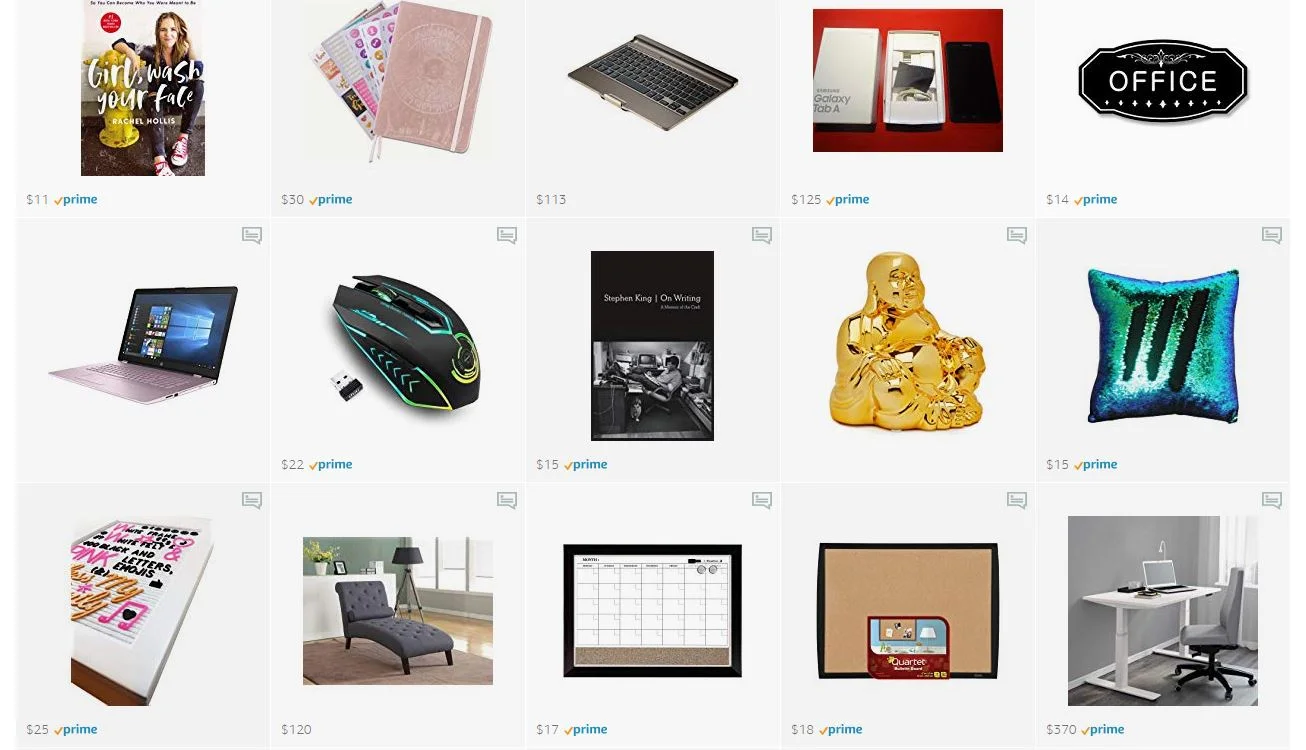
Yes, this is an affiliate link, but everything in my storefront is something I love and use as a writer. I also included little notes on each product to let you know which features I find particularly useful.
Plus, I added items that are super affordable and ones that are a little more luxurious so you can find the perfect gift that fits your budget.
Pro Tip: Don't be afraid to give a writer pens, markers and notebooks. Every writer I know is thrilled with this type of gift, even if they have dozens already!
Ready to check these gift ideas out? Here's the link:
Don't forget! A perfect gift for the freelance writer in your life, or yourself, is my book The Fluff-Free Freelance Writing Master Course Workbook.

Add More Strings… Other Job Types For The Freelance Blogger
Let's make no bones about it, being a freelancer is hard, very hard. There can be times when we feel that it's just too much, fighting incessantly for that next contract, or we don't have the perks and protection that's offered by the vast majority of permanent jobs. And when we are a freelance writer, we can feel bound by limitations in terms of our skills. After all, freelance writing is a job that's very specific, and when you look at the other jobs out there in the big wide world, you have to have an additional set of skills. But let's realistically look at what we can all do.

Creating Your Own Work
Yes, it would seem to be the easier option on paper, because you have that creative freedom. But to get to that point, it takes a lot of legwork. You could run your own business, and use the experience you've gained as a writer to provide material for other websites, but it's not just about building up a name for yourself, you need some money behind you to cope with the almighty pressures of running a business.
Technologically speaking, you may require a server, especially if you are looking at managing a pool of writers with your own specific writing portals, and you can purchase a cheap VPS to accomplish this, but it's a lot of effort at the outset. And before we become self-sufficient, we have to find other ways to earn money in the meantime.
Similar Skills In Different Arenas…
If you feel your skills are limited, because you only write blogs, it's not too difficult to branch out. One of the best options, especially if you feel that you are running dry in a creative sense, is beta reading. This is where you can use your experience to critique other writers’ works. This can be done in a workshop scenario, but there are also plenty of resources online. In addition to this, agency work, especially in the SEO sector, can be a simple stepping stone.
If you feel that writing has become a solitary pursuit, and you're struggling to manage your time in your home environment, there is nothing wrong with working with an SEO agency; working with other people can reinvigorate your creativity.
That's the big problem with working at home under your own steam; you can struggle to keep yourself focused. One of the solutions to this would be to continue to freelance, but take on more than you think you're physically able to do. This might sound counterproductive, but if you take on a little bit more, instead of procrastinating all day, you have to focus on getting these tasks completed in a good time. Because if you have one article to complete today, by searching for additional freelance work, and having, say three articles to complete, you can feel motivated, not just financially, but there's no time to stop and think about what you’re doing, so you then enter the flow state.
There are plenty of options for you, even if you think you don't have the necessary skills. And while writing can seem like one string to a bow, in this competitive world, take this as a lesson that you do need to add more strings!

Promotional Writing: Do's & Don'ts
Promotional writing is one of the most common forms of writing, but also one of the most difficult to do well. Unlike any other kind, promotional writing has to strike a balance -- you have to sell, but not too much. You have to be informative, but not to a point you render the item or service you are promoting irrelevant.

Achieving this balance is undeniably challenging, and one that many writers struggle with every time they try. However, while promotional writing is tricky, it’s also undoubtedly rewarding. If you can master the art of promotional writing, you can leverage this to your benefit; you could create and monetize a blog in order to generate a reliable income stream, or even look into copywriting for businesses. In order to help you achieve these goals, below, we’ve put together a list of “do’s” and “don’ts” that form the backbone of all good promotional writing…
Do… give people a reason to read
The key to promotional writing is to… not write promotionally.
Confused?
This statement may sound like nonsense, but there’s some real truth behind it: good promotional writing shouldn’t immediately be identifiable as promotional writing. Try to write as you normally would, rather than focusing on “converting” - readers can tell when they’re being sold to, so subtlety is always the best choice.
Don’t… oversell
If you’re promoting a product in order to earn revenue via affiliate marketing, then you’re going to want to write positively about that product - but don’t overdo it. There’s a difference between “positive and enthusiastic” and “laying it on too thick” - emphasize the good points you want to talk about, don’t write paragraph after paragraph about small, unimportant features or how a product or service changed your life. Again, subtlety is the key.
Do… make it useful and/or entertaining
When you write a promotional piece, ask yourself why someone would read it. If the only reason is “because they would learn more about this product or service I’m promoting”, then that’s a problem. All promotional writing should also be fun to read to read, or useful to the reader outside of the promotional information.
Don’t… fail to disclose
If you are writing copy directly for a company - as in, the company are paying you directly for the piece - then you don’t need to worry about disclosure.
However, if you are writing for the purpose of generating income through affiliate links, then you do need to disclose this. The laws regarding how you should disclose vary from country to country, so double-check for your specific area and ensure you follow the recommended disclosure policy accordingly.
Promotional writing can be one of the best ways of earning an income from your work, but can be notoriously difficult to get right. If you keep the above “do’s” and “don’ts” in mind, and keep practicing and refining your technique, you should find that you are able to master promotional writing once and for all.

10 Busted Myths to Keep Writers Well This Winter
Freelance writers don't get sick days and clients don't care if you're high on cough syrup. They just want their projects on time. That's why it is important for writers to know how to keep themselves well this winter.
Freelance writers don't get sick days and clients don't care if you're high on cough syrup. They just want their projects on time. That's why it is important for writers to know how to keep themselves well this winter. There are endless winter health myths that we have heard from well intentioned grandparents and parents. They have become so ingrained in us that we take them as cold hard facts. Many of these myths have no more basis in reality than Santa Claus. Of course, everyone wants to stay as healthy as possible during the frosty months. Here's the facts from Board Certified NYC internist and gastroenterologist Dr. Niket Sonpal.

Myth: Allergies Go Away in the Winter
Allergies might be the real source behind your stuffy nose and scratchy throat this season. According to the Asthma and Allergy Foundation of America, one in five people suffer from indoor/outdoor allergies, and the indoor variety can actually be worse in the winter. Dr. Sonpal cautions that, “If your symptoms last longer than 10 days or ease up after taking an antihistamine, it might be time to visit an allergist.”
Myth: I Wash My Hands All the Time With Wand Sanitizer, So I Should Be Fine
Hand sanitizer will kill most viruses, but not all. You must make sure you use the right amount of hand sanitizer and let it dry completely. Dr. Sonpal points out that,” Some viruses, like norovirus, which causes vomiting, is not killed by hand sanitizer. Soap and water are best to get rid of all bacteria and viruses, but the hand sanitizer is better than nothing at all.”
Myth: It’s Cold Out, I Don’t Need Sunscreen
The sun’s rays are just as strong in the winter months as they are in the other seasons. Snow and ice can reflect even more sunlight, up to twice as much. Grab the SPF 30 and put it on, regardless of the temperature. Don’t forget those sunglasses to keep your eyes safe as well.
Myth: I’ll Just Drink Some Alcohol to Keep Myself Warm
Although it may feel like drinking alcohol is making you warmer, it does not. Dr. Sonpal says that, “when you drink, the blood vessels dilate or get bigger, and blood flows to your skin and away from your internal organs. So, it may feel like you are getting warmer, but you are not.”
Myth: The Flu Shot Gives You the Flu
According to a new survey from the National Foundation for Infectious Diseases and Rite Aide, 44 percent of American women view the flu as a serious threat to their health. Yet nearly half (49 percent) do not intend to get a flu shot this year because they believe the vaccine can give them the flu. The U.S. Centers for Disease Control and Prevention recommends the flu shot for anyone older than 6 months of age. Dr. Sonpal stresses that, “The shot does not contain a live virus, making catching the flu from it impossible.”
Myth: Winter Weather Makes You Store Fat and Gain Weight
Our bodies do not go into some kind of winter hibernation mode, stockpiling every ounce of fat to use for the lean times. It seems logical, like a throwback to our days living in caves foraging for food, but in reality, any weight gain comes from our winter habits. Dr. Sonpal points out that, “we tend to exercise less in winter. We eat more hearty meals and comfort foods, including more sugary snacks and desserts (especially around the holidays).”
Myth: You Lose Most Heat Through Your Head
The saying goes “we lose 90 percent of our body heat through our heads.” But a 2006 study found that the head accounts for about 7 percent of the body's surface area, and that heat loss in the region is fairly proportional, according to LiveScience. "Your head is another extremity, and it's susceptible to cold, so you should wear a hat, but it doesn't lose any more heat than another part of your body," says Dr. Sonpal.
Myth: Chicken Soup Will Cure Colds
Many cultures teach us to drink warm liquids like tea, hot apple cider, and soups when we’re dealing with colds. It’s true that something like chicken soup may help soothe and ease congestion, but much like vitamin C, hot soup won’t do immediate wonders.
Myth: Being Cold Gives You a Cold
No matter what your grandma might have told you, spending too much time in the cold air doesn’t make you sick. One study found that healthy men who spent several hours in temperatures just above freezing had an increase in healthy, virus-fighting activity in their immune systems. In fact, you’re more likely to get sick indoors, where germs are easily passed.
Myth: Feed a Cold, Starve a Fever
Dr. Sonpal says that, “This is another myth that comes from a time when people didn't understand the science of body chemistry. The thought was that if you had a cold, food would warm you up. Conversely, if you had a high fever, not eating would cool you down. This is just patently bad medical advice. In both cases, good nutrition gives your body the fuel it needs to fight infections and recover from an illness. When you have a fever, your body is burning energy at a rapid rate, and that needs to be replenished. So, by all means feed your cold; but also feed your fever, or any other illness. Even if you have stomach issues, find a way to take in lost fluids and electrolytes.”
About Dr. Niket Sonpal:
Dr. Niket Sonpal is a native of Long Island NY and a graduate of Medical University of Silesia – Hope Medical Institute in Poland. After completing his residency in Internal Medicine at Lenox Hill Hospital, he was selected to be the 2013‐2014 Chief Resident at Lenox Hill Hospital–Northshore LIJ Health System. He is an Adjunct Assistant Professor at Touro College of Osteopathic Medicine and Clinical instructor at Kingsbrook Jewish Medical Center, Brooklyn. Dr. Sonpal has completed his Fellowship in gastroenterology & hepatology at Lenox Hill Hospital and will continue his work in the field of medical student and resident test preparation. He now serves as the associate program director for the Internal Medicine Residency Program at Brookldale University medical center.
He is the co‐author for the best-selling Master the Boards: USMLE Step 2 CK, Master the Boards Step 3, And Master the Boards: Internal Medicine. He is also the Chief Operating Officer for Medquest Test Prep, Director of Medical Education for Picmonic Test Prep, and a recognized expert on medical test prep.

How Writers Can Keep Workouts Hot During the Cold Months
According to Schwinn Fitness -- the most respected name in exercise equipment —it is also a perfect time to start setting good habits for indoor exercise that will carry you through New Years resolutions and beyond. Here are a few indoor exercises to try when the days get colder and darker:
With fall comes the impending holiday season filled with extra good cheer (re: calories, carbs, and double portions of dessert). With being a writer, it's hard enough to stay in shape.

According to Schwinn Fitness -- the most respected name in exercise equipment —it is also a perfect time to start setting good habits for indoor exercise that will carry you through New Years resolutions and beyond. Here are a few indoor exercises to try when the days get colder and darker:
>> TABATA TABATA TABATA Tabata is a workout done in eight one minute bursts of activity with a 30 second rest in between. Then, you repeat. The exercises themselves can be anything you like but we’re partial to crunches, pushups, squats, leg lifts and (if you’re feeling motivated) burpees.
>> BECOME A STAIRMASTER You don’t need a fancy machine to get the most out of climbing stairs. If you’ve got a set of stairs in your home or office climb them at a brisk pace. Or quickly step up and down a single step. You’ll increase your heart rate and tone your core, legs, and glutes.
>> DANCE DANCE RESOLUTION Making exercise fun will help you stick with it throughout a cold winter. Try some exercise videos that let you dance a long with the trainers. Zumba and Capoeira are some of the best known but there are plenty of them out there and many of them are free on YouTube.
>> GET ON YOUR BIKE AND RIDE I know, it’s cold, you don’t want to go outside. But you don’t have to. A stationary bike like the Schwinn stationary bike will help you get fit right in front of the TV. And it's integrated VR-compatible RideSocial app lets you stay competitive while riding in classic and exotic locales.
>> JOIN A CLASS There’s no better way to keep yourself accountable than signing up for a group exercise class. Find a local gym or recreation center and connect with some compadres to sweat alongside. There are tons out there but we love pilates, barre, and boxing.

Your Voice Can Change The World... But Who Can Hear It?
Blogging is a wonderful thing. It has been a huge and influential step in the democratization of our media. It has empowered many to shake off the shackles of wage slavery and go into business for themselves, turning their blogs into a steady source of income. What’s more, a blog can be an extremely potent marketing tool for the nascent entrepreneur. It can humanize their brand by giving them a voice and allow them to share their insights, experience and advice. This not only builds value in their brand but engenders trust in prospects, helping to facilitate conversions. For freelancers it can promote awareness of the services they offer and showcase their talents to prospective clients.
A blog can raise awareness of an important issue. It can help to promote a charitable cause. It can give a voice to the voiceless and enlightenment to the unenlightened. But in order for your blog to achieve it’s true potential, the right sets of eyes need to get in front of it. Here are some time honored ways in which bloggers of all shapes and sizes can ensure that their voice is heard by those who need to hear it the most.

eyes on your blog
Get to know your SEO
If you run a small business for which you blog, it’s likely that you’re familiar (at least in principle) with Search Engine Optimization. This means ensuring that your blog appears as highly on search engine rankings as possible to reach the people who are asking the questions to which you and / or your business provide answers. If you’re blogging to promote your small business or your freelance services, it’s recommended that you liaise with an SEO agency to help you to maximise your impact. However, if you don’t have the resources to do this, there are still a number of ways in which you can improve your SEO such as;
Install a plugin like Yoast that will help you to make your writing more SEO friendly.
Research your keywords to ensure that they make for maximum engagement.
Try to get trusted high authority domains like local businesses and newspapers to backlink to you.
Embed internal links throughout your content.
Join the community
Whatever your chosen niche, whether you’re writing for promotion or passion, it’s highly likely that your blog is aimed at a certain subculture of people who will have their own communities on social media platforms. Join these communities and be a reciprocal member. This means not just using the community to promote your own content, but also helping to promote that which others have created.
Develop a strategy
Many bloggers and businesses alike fail to get the most out of their blogs because they produce content on an ad hoc basis with no strategy behind it. This can prevent them from capitalizing on important opportunities like trending topics. Whatever your reasons for blogging, make sure that you have a clear content strategy that capitalizes on changes in user interest e.g. seasonally themed posts or posts that coincide with key events in your chosen industry.
Your voice has the potential to change the world. It’s just a case of making sure that the right people hear it.

How to Build Saleable Content in 10 Steps
If you want to be a successful freelance writer, you need to create content (articles, blog posts, etc.) that's quality. Here's how I do it and you can, too.
If you want to be a successful freelance writer, you need to create content (articles, blog posts, etc.) that's quality. Here's how I do it and you can, too.

how to write content
Here's more help for coming up with fantastic content ideas:
Need Creativity? Brainstorm by Sleeping
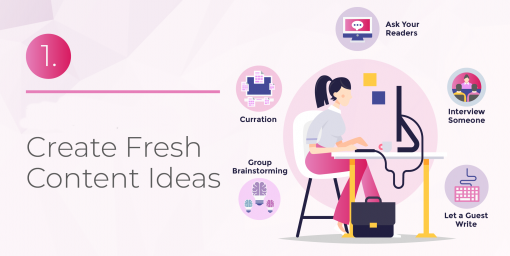
22 Ways to Create Fresh Content Ideas
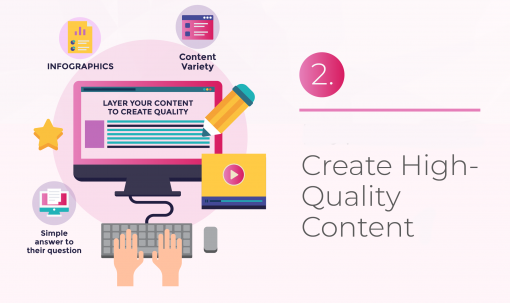
Here's some in-depth plans for creating quality:
30 day blogging challenge
Here's the link to my challenge:
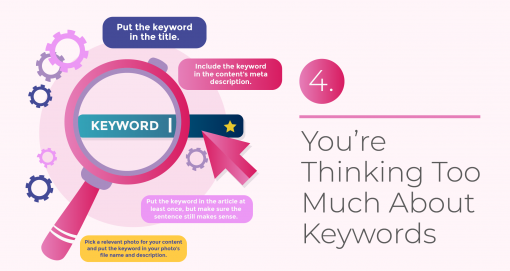
SEO tips
You can check out more keyword tips here:
SEO
Don't know much about SEO? Here are two guides for writers:
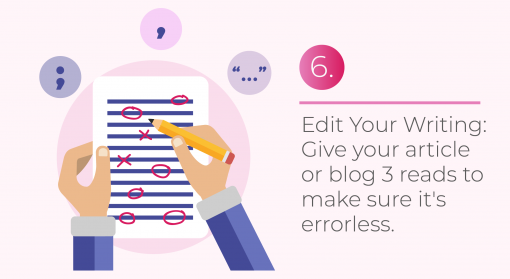
editing tips for articles
Get more editing tips, here:
Edit Your Writing: How to Use Commas, Quotation Marks and Semicolons
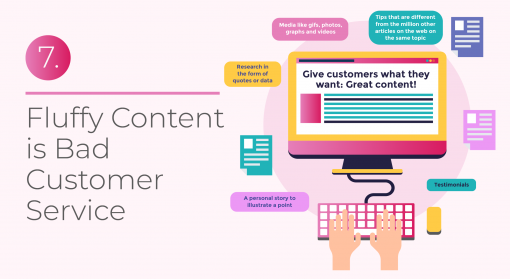
How to create quality content
Is your content fluffy? Read this article to find out:
your writing voice
Here's some help for finding your voice as a writer:
media for articles
These sites will supply you with tons of free visuals:
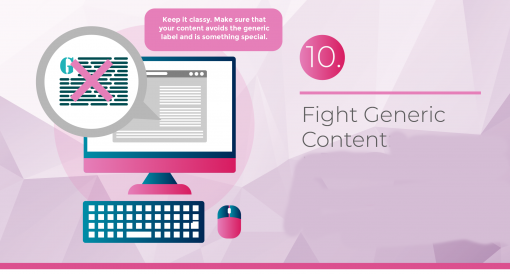
generic content original articles
Here are some final tips to prevent generic content:
Fight Generic Content: How to Create Interesting Posts
Want more ways to become a successful freelance writer? Read my book:

Is Your Website Hurting Your Brand In More than One Way?
Having a website is a good way of building your brand as a person and a professional. However, if you don’t get it right, you might be hurting your online image, and do more harm than good. Below you'll find a few tips on how to fix your poorly performing website and make sure that you are able to strengthen your brand, get the word out about your services, and cash in at the end.
Having a website is a good way of building your brand as a person and a professional. However, if you don’t get it right, you might be hurting your online image, and do more harm than good. Below you'll find a few tips on how to fix your poorly performing website and make sure that you are able to strengthen your brand, get the word out about your services, and cash in at the end.

Poor Design
The first thing visitors will notice when landing on your site is the design of your pages. If you're using a standard or a cheap old template, it might be time to get rid of it. Always check how your site looks on different screens, as chances are that some of the fonts will not be displayed correctly. This means that you will lose up to 50 percent of your visitors and your site will suffer from high bounce rates and low rankings in search engines.
Slow Speed
Another important thing you have to check is the speed of your pages. If it takes more than a second to load a page or a graphic, visitors are more likely to turn back. You might have an issue with your host or server, maybe you will need to reduce the size of images and files you display on your pages. Get in touch with vps europe to find better and faster hosting options for your needs.
Lack of Call to Action
If people don’t know what you want them to do once they land on your site, they will never take action. Make sure that you build an effective sales funnel that will convert online visitors into leads and eventually customers. You will need to automate your online communication and provide enough information for people visiting your site to make a decision whether or not what you offer is for them. This will make your entire marketing more effective.
Spelling Mistakes
If there is one thing that is the pet hate of blog visitors it is spelling mistakes. Most blogging platforms now have a built in spell check and grammar software, but if you are not confident that they will fix all the issues, you might sign up for Grammarly or Ginger and get rid of the mistakes that can annoy some of your readers.
Lack of Engagement
If you want to make your visitors love you and connect with your brand on a personal level, you might want to add a personal touch. This can be an anecdote a behind-the-scene interview, or a case study that will let people in and make them feel as if they knew you forever. Talk to your audience instead of simply publishing content, and you will get more interaction on your pages.
If you have an ugly, outdated, or low quality website, you can damage your brand and reputation for years to come. Fix the issues, check the page loading speed, and make sure that you deal with the grammar and spelling errors on the go. Feel free to share your website in the comments!

Is Your Back Killing You? Here Are 5 Tips That Can Help
He offers a few tips for those whose jobs require them to sit, sit and sit some more:
The work day ends, but the back pain doesn’t. Sitting all day at a computer takes a toll on our backs, yet for a large percentage of Americans (like us freelance writers!), sitting in front of a computer sums up their job description.

And that work-related back pain that starts out minor can soon become severe, causing problems in all areas of your life.
“The longer you have a back problem, the more damage it will create, the more it will resist getting better, and the more time it will take to heal,” says Bradford Butler (love that first name!), a chiropractor and author of The Blueprint for Back Pain Relief: The Essential Guide to Nonsurgical Solutions (www.drbradfordbutler.com). “So, the best course is to prevent back problems from happening to begin with.”
He offers a few tips for those whose jobs require them to sit, sit and sit some more:
Watch how you sit. Most people are putting pressure on their backs, necks and shoulders because they don’t work in an ergonomically correct position, Butler says. Here’s how to achieve the optimal position: Sit with your body no more than an arm’s length from the computer and mouse, and don’t lean your head and neck forward. You should be able to rest your hand comfortably on the mouse with the elbow at the same height as the mouse pad. The monitor should be 2 or 3 inches above eye level.
Choose the right chair. Ideally, you want a chair with lumbar support. “If there is no lumbar support, you can place a pillow behind your lower spine,” Butler says. Chairs that can tilt back also take pressure off the base of the spine and help prevent back pain. But if back pain has already started, Butler suggests placing ice between the lumbar support and the back for 20 minutes to reduce inflammation.
This is the chair I (Alina) use in my home office, in case you were wondering:

office chair for bad backs
Don’t cradle your phone. Have you ever pinned your phone between your shoulder and your ear so you can type while you talk? Butler has a one-word piece of advice: Don’t. “The intense strain from holding the phone that way for more than a couple of minutes can have a lasting effect on your posture and add to your back and neck pain,” he says.
Take a break. For about five minutes every hour, get up and move around. Take a walk, stretch or do anything that takes you away from the computer and lets your body escape all the sitting and staring you’ve been doing, Butler says.
Unload some baggage. Do you carry to work a bag or briefcase that’s so heavy even an Olympic weightlifter would feel the strain? If it weighs more than 10 percent of your body weight, then it’s putting too much of a strain on your back, Butler says. He suggests you lighten the load or get a different bag, preferably one with a long strap so it can be carried across your chest like a messenger bag. That can reduce the diagonal load on your back.
“It’s important to understand that your spine was designed to move,” Butler says. “If you are sitting for a good part of your day, you are effectively doing the opposite of what keeps your spine healthy.
“The old saying ‘an ounce of prevention is worth a pound of cure’ couldn’t be truer, especially when it comes to your back. Prevention is a mindset. You probably already do it in other areas of your life. When it comes to your back, you just need some new thinking and new habits.”
About Bradford Butler
Bradford Butler, a chiropractor and author of The Blueprint for Back Pain Relief: The Essential Guide to Nonsurgical Solutions (www.drbradfordbutler.com), is owner and director of Oakland Spine and Physical Therapy, which has three locations in northern New Jersey. Dr. Butler, a graduate of the New York Chiropractic College, has twice been named one of America’s top chiropractors by Consumer Research Council of America and his offices have received the exclusive NJ TopDoc Award for eight consecutive years.

Ladies, Make Sure You’re Getting the Right Nutrients to Fight Depression
Writers are prone to depression, particularly female writers. I'm no exception. Here's some help from Joy Stephenson-Laws JD. Joy is the founder of Proactive Health Labs (www.phlabs.org), a national nonprofit health information company that provides education and tools needed to achieve optimal health. She also is founding and managing partner of Stephenson Acquisto & Colman (www.sacfirm.com), one of the nation's leading health care law firms. Her most recent book is Minerals - The Forgotten Nutrient: Your Secret Weapon for Getting and Staying Healthy, available through Amazon, iTunes and bookstores. She is based in California.

Various credible sources including Harvard Health, states women are about twice as likely as men to develop major depression. It appears our biological or hormonal makeup may be partly to blame.
When We're More Likely to Be Depressed
There are certain periods during our lives when we are more susceptible to depression like before our period or after pregnancy.
Premenstrual Dysphoric Disorder (PMDD)
This disorder can occur a week or two before a woman’s period starts.
“PMDD is a serious condition with disabling symptoms such as irritability, anger, depressed mood, sadness, suicidal thoughts, appetite changes, bloating, breast tenderness, and joint or muscle pain,” according to the National Institute of Mental Health.
Perinatal Depression
“Perinatal depression is depression during or after (postpartum) pregnancy. It is much more serious than the ‘baby blues.’ The feelings of extreme sadness, anxiety, and exhaustion that accompany perinatal depression may make it difficult to complete daily care activities for a new mom and/or her baby,” the NIH reports.
It is one of the most common medical complications during pregnancy and the postpartum period, affecting one in seven women, according to The American College of Obstetricians and Gynecologists.
Perimenopausal Depression
“Perimenopause (the transition into menopause) is a normal phase in a woman’s life that can sometimes be challenging. If you are going through perimenopause, you might experience abnormal periods, problems sleeping, mood swings, and hot flashes,” according to the NIH.
Perimenopausal depression may be caused by changes in hormone (like estrogen) levels.
Oprah, the woman who does it all, openly discussed menopause and her experience with a hormone specialist.
But despite the likelihood of depression, it is a myth that it is ‘normal’ to feel depressed.’ There is nothing normal about depression. If we have symptoms of depression, we need to take it seriously and get help. And we need also need to take steps to be proactive so we reduce the likelihood of being depressed.
Nutrition to Fight Depression

nutrition for depression
And one way to reduce the likelihood of depression is nutrition.
Credible research shows that nutrition can play a key role in preventing and managing depression. As women we have to ensure we absorb adequate amounts of the right nutrients in order to increase our chances of not becoming depressed. Below are examples of nutrients we need to to be mindful of. Many of these nutrients can be obtained through a proper diet and/or supplementation (with medical supervision).
Magnesium
Several studies have shown an improvement in the severity of symptoms of depression when study participants were given 125-300 mg of magnesium with each meal and at bedtime. Foods containing magnesium include spinach, pumpkin seeds, yogurt, kefir, almonds, black beans, avocado, figs, dark chocolate and bananas.
Chromium
Many studies have been done to assess the benefit of chromium picolinate in depression. One study showed that 70 percent of those who took 600 mcg of chromium picolinate had improvement in their depressive symptoms, including emotional stability. Foods high in chromium include broccoli, free range eggs, sweet potatoes, corn, oats and grass fed beef.
Iron
Decreased levels of iron can result in apathy, depression and fatigue. Iron is also important for oxygenation of the brain and necessary for all its functions. Studies need to be done to find out how common iron deficiency anemia is in patients with depression, and once corrected, to determine which symptoms would be improved. In the meantime, if you are depressed you should check your iron levels. Keep in mind, many women tend to have a higher chance of iron deficiency due to losing blood during their menstrual cycles. Iron-rich foods include red meat, pork, poultry, seafoods, beans, spinach (and other leafy greens), peas, cherimoyas and iron-fortified cereals.
Selenium
Depression due to selenium deficiency has been established in at least five different studies. Depression may be the result of oxidative stress, which is why selenium may be helpful. Selenium is a powerful antioxidant. Numerous studies done on different populations and age groups suffering from depression showed improvement in mood and anxiety when given selenium. Overall, mood was also improved when selenium was given to those with depleted levels. Foods high in selenium include Brazil nuts, yellowfin tuna, halibut, sardines and chicken.
Zinc
This trace element is essential to the human body. It is involved in over 300 reactions in the body and is abundant in the brain. Many clinical studies have been done to determine the relationship between zinc and depression. Zinc levels are generally low in those with major depression. Zinc supplementation along with antidepressant therapy has been studied and has shown benefits. You can eat lamb, pumpkin seeds, grass fed beef, mushrooms, chickpeas, spinach and chicken to get more zinc in your daily diet.
Copper
This mineral is important in depression, because it is a component of the enzymes that metabolize the brain chemicals that help you respond to stress, feel happy and be alert. These enzymes, and the associated chemicals, are responsible for the causes and treatment of anxiety and depression. Several studies have been done on copper levels and depression, and there is an association between high levels of copper and lower rates of depression. Copper rich foods include sunflower seeds, lentils, almonds, dark chocolate, beef liver and asparagus.
B Vitamins
Deficiencies in various vitamins, including B vitamins are reported to have a negative effect on the brain. There are a total of eight B vitamins. There is a wide range of foods containing B vitamins. If you are vegan or vegetarian, you have to be especially proactive about making sure you get enough B12 (which is mainly found in animal foods).
Vitamin C
Various studies have suggested that depression may be a consequence of inadequate levels of vitamin C. It can usually be found in a variety of fruits and vegetables such as oranges, watermelon, green and red peppers, grapefruit, tomatoes, spinach, papaya, Brussels sprouts and cabbage.
Being nutritionally balanced puts our bodies in the best position to manage or beat depression. And when you consider being physically active is another way to combat depression, being nutritionally sound enhances our ability to be physically active.
Finally, it also important that we objectively assess our nutritional status on a regular basis throughout our lives. A great first step is getting a better idea of our nutritional status is by taking a comprehensive nutritional test and talking with your healthcare provider about our results. This way, if we have nutritional imbalances, we can work with a competent healthcare professional to make dietary changes and/or take quality supplements.

How to Cope When Your Product Goes Viral
Many businesses have their moment. There is just something about their online content that POPs. All of a sudden one of your products are selling out faster than you can restock, make, or you’ve been booked for more calls than you can physically fit in.

You’ve been waiting for this moment, and yet you find yourself chasing your tail to keep on top of the boom in your business. You start having to move the calls to a later date, just to complete work on the calls that came before them. Your stock system isn’t working and is allowing orders to go through. When the time comes to pack and ship, you find yourself flustered. Or worse, you have stocked up perfectly well, but you don’t have Ipswitch's WhatsUp Gold monitoring the downtime on your website - and you are missing orders.
Slowly the spark, the word of mouth that saw you become viral starts to wane. People begin to complain that they haven’t received their products, that you’ve taken their money and they are empty-handed. Your Facebook becomes a slew of negative comments, and the orders stop. The refund requests pour in.
What happened? What could you, or should you have done differently?
The truth is, supply and demand can be tricky at the best of times. But these steps will help you optimize when your product goes viral.
This is no time to relax. Jump on the activity, push other products. Join the conversation that will be taking place on social media. You are likely never again going to have so much interaction until you are a highly successful brand.
Bubbles burst. That big fat number on your sales and the ones in your business bank account are not your typical day. Not yet anyway. So don’t make any irrationally large spending decisions while you’re in that bubble.
Call your suppliers as early as you can. If you can see your numbers trending upwards and quickly, get in touch with suppliers and talk about how you can handle your new found fame (and the fact you’re going to need to move to a scalable supply model).
Keep testing all of your digital systems. One faulty cog, one product not displaying and you will soon find people will find a similar product elsewhere.
Keep your promises. Now is not the time to tell people you can’t fulfill orders. If there is going to be a delay in shipping, take to your social media and tell people. Use your website to display any urgent messages. Be clear.
Stay organized, and call in extra friends to help if you need it. Going viral is a two-fold thing, the sales and notoriety can do wonders for your company, but you can also find yourself stressed and stretched. Ask for help.
Utilize all of those new signups and customers. Ask them what they want, interact, lay the foundations for your next new releases.
Going viral is fantastic, but only if you manage it like a pro.