
Taking Your Writing to the Next Level
Being a freelance writer is an incredibly rewarding career (I should know, I've been at it for 19 years). You spend your days doing something you enjoy, while also getting to explore a huge range of new ideas, all while getting paid for the privilege. Of course, though, in a business like this, it can be hard to know how you’re going to grow when the time comes. Getting more and more work will eventually stop being a good thing (been there!). Instead of being excited and happy, you become overwhelmed. To help you to avoid this sort of issue, this post will be exploring some of the best ways to further and improve a freelance writing career.
Start Outsourcing

When you have too much work to handle, one of the best options you have is outsourcing. Like you, other freelance writers will always be looking for work, and you can often take advantage of this nice and easily.
Of course, in most cases, you won’t earn as much using a method like this. Instead of doing the work, though, you'll be giving it to someone else, and this means that the money is effectively free.
Websites like Freelancer are great when you’re first starting out. As time goes on, though, you’ll probably want to consider finding some people who you will be able to work with for a long time.
Before outsourcing freelance work, be sure to look at your contract. Some contracts will specify that you are not allowed to outsource and all of the work must be done by you, only.
Get Yourself Published
Passing your work to someone else might not always be the answer you’re looking for. Instead of increasing the amount of work you can do, a lot of writers will look for better work that pays more for less effort.
Getting yourself published can be a huge step in the right direction when you’re trying to achieve a goal like this. Of course you need a great idea and time.
When you’re aiming for a deal for a book or other media method, you will have to go after companies with a lot of tenacity, as this market can be a very fierce one. Having a strong social media following can help you snag that book deal.
Or, you can self-publish using Amazon Kindle Direct Publishing. This is a free service and you have much more control over how your book is priced, how it is advertised and how much of a royalty you receive. This is the route I went with my book The Fluff-Free Freelance Writing Master Course.
Get Paid More
Part of getting paid more and working less is raising your rates. Granted, you'll lose some clients, but you will free yourself up to work with a higher level of clientele. This not only makes your bank account happy, but it will also raise your status as a writer.
Here's a sample email you can send your current clients when you plan on raising your rates:
The good news is my business is doing really well. The bad news is that I must raise my rates to accommodate my business' growth. So, I am letting you know that I will be raising my rates as of (date). Articles will now be (price) and blog posts will be (price). You are a valued customer to me, so I hope we can continue creating fantastic content together.
Thanks so much for your loyalty and business,
Name
Add A New Face
Finally, as the last option to help your freelance writing business grow, it’s time to think about professionalism. It can be very hard to respond to emails, answer calls, and deal with other customer requests when you’re very busy with work. To help you with this, it would be worth researching virtual offices and the next business revolution.
Hopefully, this post will inspire you to start working harder on the time you put into your writing career. Doing anything on a freelance basis will come with its challenges. When it comes time to grow, though, you have to make sure you’re prepared, or you could miss your chance at a better future.
The Health Hazards of a Writer... and How to Work Smarter
Writing might not seem like a perilous job on the surface. Our profession doesn’t require us to fight fires or catch criminals. We don’t have to deal with toxic materials or dangerous machinery. Meanwhile, the heaviest load many of us have to carry is a mug of coffee. But that's not to say that writing isn’t hazard–free. While us writers may not have to deal with many of the immediate dangers that other workers face, there are still many long-term health risks to look out for. Here are some of the biggest dangers a writer must face and how to overcome them.

how to be a healthy writer
Your keyboard
Writers no longer have to deal with writer’s cramp now that we’ve swapped out pens for computers.However, typing on a QWERTY keyboard can still cause a different type of repetitive strain injury (RSI)– one that has been linked to tendonitis and arthritis in the wrist and fingers.
I know. After more than two decades at the keyboard, I have carpel tunnel in both wrists. I don't want you to become like me, so here are some preventative measures:
Take regular breaks. You may want to download software that will tell you when to take a break from typing, preventing your from developing an RSI.
If you're using a laptop, buy a stand for it that raises the keyboard to an angle. This will really make a difference on the strain on your wrists.
Adjust your seat height so your hands hover above the keyboard and are parallel with your elbows.
Get an ergonomic keyboard with a soft wrist pad that lessens the strain on your muscles. If you use a mouse a lot, be sure to also get one that fits your hand well and a mouse pad with a padded wrist support. This type of mouse pad made a world of difference for me.
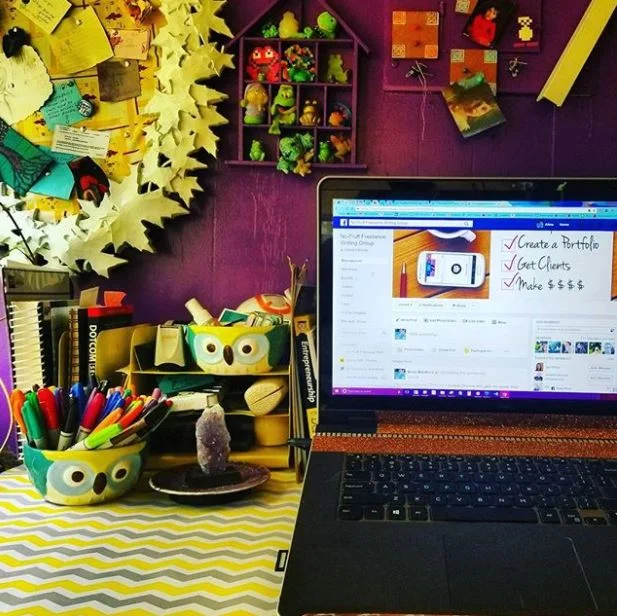
my office setup
Your keyboard could also be upsetting your stomach. Few of us clean our computer keyboards, yet studies have found that on average computer keyboards contain 20,000 times more germs than a toilet seat.
If you share a keyboard, or you just don't wash your hands as much as you should, your computer can be a great way of spreading illness-causing bugs. Take the time to clean your keyboard every few months. Use double-sided tape to get rid of any crumbs and dirt beneath the keys.
Your computer screen
Many writers spend their days staring at a bright white Word document on a monitor. Unsurprisingly, this is bad for our eyes. It’s particularly bad when you're in poor lighting or in the sunlight when there is screen glare.
Get the lighting to the right level by turning on a lamp or drawing the blinds. You may even be able to buy an anti-glare filter or download software that can automatically change the brightness of your computer screen depending on the time of day.
Another good option is GUNNAR, which is the only patented digital eyewear recommended by doctors to protect and enhance your vision, according to the company. As writers, our devices expose our eyes to stress and harmful artificial blue light. Blue light may lead to trouble sleeping, cataracts, macular degeneration, dry and scratchy eyes and headaches. Staring at a computer screen before bed is also something to avoid as this can cause insomnia. The bright light of the screen tricks the brain into thinking it’s still day time and so reduces its ability to produce melatonin (the sleep hormone). Start trying an hour of no screen time before bed if you’re having sleeping problems – this includes TVs and mobile phones too. Read a book, take a bath or listen to some music.
Yah, I didn't believe it either, at first. I've found these GUNNAR glasses, which comes in several different styles, take a lot of strain off my eyes. As soon as I put them on I can feel my eyes relaxing.

GUNNAR glasses
If anything, you should be making sure that you’re taking regular breaks from the screen to help give your eyes a rest.
Your chair and desk
That’s right, your chair and desk may also be destroying your body. Many writers like to type while sitting down. This can result in a sedentary lifestyle that’s bad for our joints, our heart and our muscle development. Too much sitting down can wear away our abs completely over time and result in us getting a flabby belly. Constantly bent knees from sitting down can meanwhile bring on joint problems.
The best defence against this long-term health deterioration is to get up more often and stretch your legs. Some writers have even taken steps to buy a standing desk, forcing them to work upright. For example, I have a standing desk made by VERIDESK and I love it. I did have some questions for the creators. Here's what Jason McCann, CEO of VARIDESK had to say:
Me: If standing is better than sitting, why does it hurt so much more to stand up for long periods of time?
Jason: Our bodies weren’t made to stay in one position for long periods of time. Biologically, our bodies are made to move. The products VARIDESK has developed are height-adjustable, and were specifically designed to promote movement between sitting and standing throughout the day.
Me: Standing while typing and doing other tasks can seem awkward at first. Are there some tricks to getting used to using a standing desk?
Jason: The best trick is to not stand too much when you first start. You should listen to what your body is telling you – if you feel any discomfort, you should sit down. We’ve actually developed the VARIDESK standing desk companion app that gently reminds you to change your position. Our customers tell us that once they’ve used a standing desk for a while, they feel more productive and have more energy throughout the day.
Me: I've been to large companies that have added a standing option to their work areas. Do you find that this is a growing trend?
Jason: As office workers are focusing more on their health and wellness, we’ve seen them gravitate toward the idea of more mobile and collaborative work environments. Fortunately for us, VARIDESK has become an integral part of these active office setups, both here in the United States and globally. We’re energized by the prospect of helping people enhance their time in the office and live happier, healthier and more productive lives.
Alternatively, there are plenty of exercises while you sit down (known as deskercises) that can help you to flex these body parts and reduce the risk of long-term damage. Take breaks from writing to do a few of these exercises and keep your body healthy.
If you use a regular desk you need to take some precautions. A low desk could be causing you to slump, causing a strain on your spine. This can result in debilitating back pain. Make sure that your desk is the right height so that you don’t have to crane over it and combine it with an ergonomic chair. You can buy adjustable desks that can allow you to change the height to match different seated positions and even a standing position.
With my desk I use a yoga ball chair that cushions my spine, helps me sit up straighter and allows me to bounce and do exercises while working.
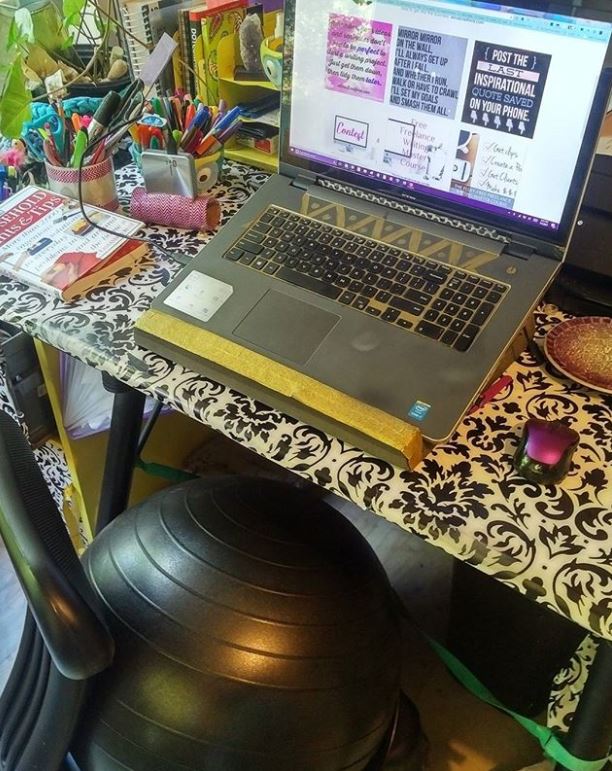
my yoga ball chair
What if you don’t use a desk? If you regularly place a laptop on your knees, this may also be causing some unwanted bodily damage – particularly if you’re a guy. Heat from laptops is thought to damage the testicles and affect fertility. Start using a desk or propping up your laptop somewhere where it isn’t in direct contact with your groin.
Your workspace
Most freelance writers work indoors. Even with a laptop, it’s hard to predict the elements outdoors in the winter, while the screen glare in the summer can make it impossible to look at the screen. An indoor workspace may be more practical, but you should still aim to keep the space well ventilated and work by a window to give you some natural light.

A lack of vitamin D from the sun can cause many a writer to get depressed and a lack of fresh oxygen can cause fatigue and dullness of the mind. Protect your mental health by getting some UV rays and opening a window. Taking regular breaks and going outside (not cigarette breaks) can be healthy, too, and could even help your productivity when it comes to writing tasks.
Modern technology has allowed many writers to work from any location, so try switching it up as it could be good for your brain and your body. Taking a trip to the library or your local coffee bar to work for a bit will give you a new inspiring environment to work in, while also forcing in some physical activity into your day – much needed if you regularly work from home.
8 Ways To Market Your Freelance Writing Business Online

As a freelance writer, your job is more than just writing. Although the bulk of your work, and the way that you actually earn your money, is through writing, it’s not the only thing you have to do. In fact, you tend to wear many hats. From being the finance department and administrator, you also have all things sales and marketing to cover, too. And that can often make you break out in a cold sweat (I hear you!). But you have to become okay with it...at least until you can hire an assistant.
So if you’re ready to start pushing your business forward and make sure that you’re able to do it in the best ways possible, you’re going to want to start marketing yourself. As a copywriter or website writer, the bulk of your work is done online, so it’s also a great idea to market yourself online. You can do that using these eight methods.
With Your Website

The first thing that can act like a great marketing tool for your writing business is your website. So if you don’t already have one, you’re going to want to think about getting one. Your website can be your hub for samples of your work that can show prospective clients, listings of your awards, you blog and more. Here's more about building your website.
And Your Own Store
You may even want to go one step further and have a website that is transactional too. With the right kind of website, like Tank Prints setup for network marketers, you may be able to offer a streamlined services to your customers like package deals.
SEO
While we’re talking about your website, you’re then going to want to think about the SEO, too. If you’re not currently ranking too well in search listings, this is going to be something that you need to start working on.

Whether you choose to do it yourself, or work with an agency, you will find that doing your keyword research and populating your site should help you to gain more organic traffic and custom.
Here's an in-depth SEO guide to get you started.
Guest Blogging
Another side of SEO is also guest blogging, and this can also aid with your traffic too. If you’re new to guest blogging, then you’re going to want to come up with a strategy that you can work with in your own time. Again, this is something that you can choose to work on yourself or hire an SEO expert to help you with.
Social Media

advertising on social media for freelance writers
You’re also going to want to think about promoting yourself and your writing business on social media. This doesn’t always feel that easy to do, so coming up with a social content calendar can help you here. Not only should you look to identify what platforms you should work on, you should also try out different kinds of content to see what is going to work the best with your audience.
Advertising
Up next, there’s also advertising to think about. And when it comes to online advertising, you’re going to find that there are lots of different methods that you can work with. So, it may be in your interest to trial out a range of different methods. You may find that display advertising doesn’t give you as good results as PPC advertising. But you’re not going to know this until you try.
Affiliate Marketing

Then, you could also think about working with an affiliate marketing strategy. As a writer, it’s easy to see affiliate marketing as something that you should be making money from as a publisher. But when you’re a business, you can also set up your own campaign to help generate sales. This can be particularly relevant if you do sell your services as products on your site, or even if you have products such as ebooks and courses that you’ve created yourself.
Here's my ebook on how to become a successful freelance writer, step-by-step.
Influencers
Finally, you may also want to consider working with influencers. Influencer marketing is proving to be more and more effective in the online world - so why not get in on the action? You will find that there are influencers in your particular industry, such as bigger bloggers than yourself, that you can work with. This can often be a great way to promote your freelance writing business and harness the influence and audience of big players in the industry.
Struggling to Make Your Name as a Writer? Here are Some Boosts
No matter how talented you are, there will be times when being a freelance writer can be tough. There's a lot of competition out there, and one fact of the writing life is that you have to accept rejection as part of the process. Still, there are always things you can do to improve your standing. With that in mind, let’s look to a few examples of how you can boost your writing career.

Bring in More People to Your Website
If you don’t already have a website for your writing business, you should absolutely get one. I use WordPress, but Wix is also a good option.
Your site should actively promote your writing with samples and examples, and also act as a determiner of your brand to a certain degree. Keep your colors consistent with your logo and keep your writing style consistent as well.
If you are starting to struggle with your writing career, one of the best things you can do is to bring in more people to your website. You can do this by employing the help of SEO services or just ensuring that you have plenty of interesting and original content on there. An email newsletter could also help to achieve the same ends.
Find an Agent
If you don’t already have an agent, you really might want to consider finding one. This is one of the best ways you can give your career a little boost, especially if you write fiction. Having an agent can make the whole process of getting your name out there and getting published much easier, and most writers find that it really is worthwhile.
You do need to make sure that you don’t settle, and that you find the right one for you. This means an agent who appreciates your type of writing and someone you can get along with on a personal level. You'll develop a relationship with them perhaps over many years.
Branch Out
It’s perfectly possible that you have spent too long writing on one subject, or that you could do with changing it up a bit with a new niche. While you might have one major love in writing, you are probably adept at more than one thing.
It is absolutely worthwhile trying to branch out every now and then, even if it's just to give yourself a break on your usual niche. It also allows you some practice, which is good for your craft, anyway. What’s more, it might well be that a publisher decides to take you up after seeing something slightly different in your portfolio. It’s always worth a go if you are struggling to get where you want to go.
Long-Distance Relationships: Making Them Work in Your Freelance Business
Tech is evolving the business in big ways. One of the changes that many are still adapting to is the accessibility of work from far, far away. Not only does the internet allow opportunities to start working for yourself from home (as freelancers know!), but it can even allow you to start running a team from home, too, scattered across the country (or even the world). This is essential when your freelance business grows beyond your ability to handle it alone. Additional freelancers, virtual assistants and web designers can all become potential long-distance team members.Remote working comes with its challenges, however, and many businesses have failed to meet them. With both clients and employees, here’s how you make the long-distance thing work.

freelance writing long distance
Stay on the same page
There’s a lot of information that’s going to be easy to share from person to person. Certain sites they can use, certain rules of employment, and updates to old processes can be easily transferred. Some information might be a lot harder for your team to acquire, however.
For instance, the specifics of certain work processes and responsibility might not be so easily conveyed by sending an email every time you get a new team member. Instead, it might be best to create an online employee handbook that you can share much more easily than having to explain it anew every single time.

how to make an employee handbook
While you want to avoid making it like an instruction manual, your handbook can contain all the necessary information on how to do jobs, so newbies spend less time asking you questions. You will always have questions to answer, of course, but a well-written handbook can make them a much less frequent occurrence and in the form of an ebook, it will be very easy to send to new employees.
Set clear expectations
Your employees need to know what exactly they should be accomplishing in a day. If you have repeating goals day-in, day-out, then posting deadlines can make sure everyone’s working on the same schedule as you. Otherwise, it might be worth having weekly conversations with team members to establish the specifics of their duties for the week and to set clear goals.
Communication is key
Whether you’re running a team or simply dealing with many clients for home, making communication as efficient and cost-effective as possible is going to save you a lot of headaches. Using online project management software or even a Google Sheet document can make it easier to share objectives with the whole team, for instance.
Meanwhile, if you have to make a lot of phone calls, then using video conferencing software or VoIP business phone systems can save you a great deal on your phone bills. It’s a good idea to set certain guidelines for which communication lines to use in which case for your team.
If they have a single question, for instance, an IM might be the best way to get a prompt answer. If they need help with a more involved part of their workload, then a call might allow both parties to exchange details more dynamically.
When to hire and when to outsource
The switch from an independent contractor to a business with employees usually comes when your responsibilities become too much for you to take on your own. However, it’s wise to really determine those additional needs before you decide whether going through the hassle of a new hire is worth it, or if outsourcing the extra work as a temporary solution might work better.

how to outsource
For instance, you’re not likely to have constant need of a website designer so it might make more sense to outsource them. On the other hand, if you’re running a content marketing team and you find you’re no longer enough to create all marketing content yourself, then it’s probably more cost-effective to hire an extra copywriter.
Get together once in awhile
Both with clients and with customers, the internet is a useful tool for providing a way to connect from afar, but it can’t quite match the positive impact of a face-to-face meeting.

meeting with employees and clients
Take the time to travel to long-term clients, showing them that they have the attention and dedication they need from a business and build a good relationship by putting a face to the name. Hosting team conferences with your employees can be a great way to build something of a company culture, a feature that’s easily missing when every individual works in isolation. Without that feeling of workplace bonding, they might not feel like a member of a team, and thus have one less reason to continue working with you.
Working remotely might be convenient to your team, but without some sense of belong in the business and some sense of team unity, it’s all too easy for them to feel like their job isn’t as fulfilling as a more traditional setup might be.
Make use of the flexibility
There are several factors of flexibility that remote working allows over the traditional working environment. The most obvious one is that it allows all members of the team to work from wherever they want, whether it’s their home, a café, or they might benefit from a co-working space. Unless you’re willing to buy them all their devices, it allows for a choice of hardware, as well.
But one extra element of flexibility to make more use of is the time they actually spend working. If having everyone stay on the same schedule isn’t as crucial to your business, then offering them the ability to work when they see fit, so long as they meet a certain deadline, can be a perk that many other businesses aren’t likely to earn. Not only can it help retain employees, but it might help you hire from further afield, where different time zones might otherwise get in the way of a team’s cohesion.
The Best Job Sites for Freelance Writers

awesome website content
Finding high-paying gigs as a freelance writer is hard. Luckily, you have me! Forget Craigslist. Here are some of the best sites for finding high-paying gigs.
FW: Be sure to sign up for FreelanceWriting.com's Morning Coffee Newsletter
Freelance Writing Jobs: This is one of my favorite places to look for high-paying gigs.
Problogger: This is an amazing place to find blogging gigs that pay well.
LinkedIn: If you're serious about making big bucks, this is where you go. Make sure to type "freelance writer" in the search bar.
Writers Weekly: Angela Hoy updates her jobs page regularly and you can find some gems there.
Want more advanced ways to find gigs? Read my book:
The Fluff-Free Freelance Writing Master Course: The only course that gives you concrete, actionable information to building a successful freelance business without any fluff.
Freelancers: Here's How to Maximize Your Workday
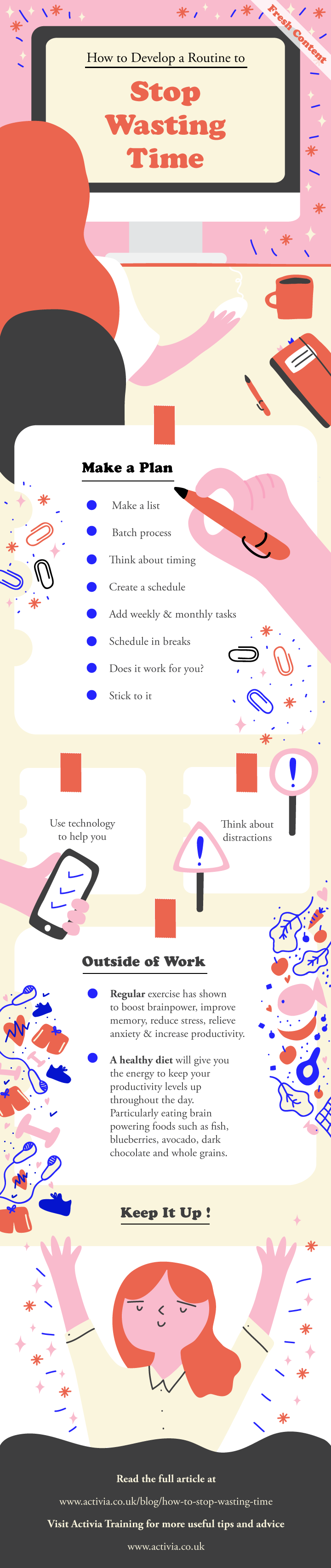
Stop procrastinating at work
Okay, I make jokes on social media all the time about how half of my workday is spent looking at Facebook, but distractions are a real problem for most freelance writers. The folks over at Activia Training have come up with this great infographic that can help you stop procrastinating and maximize your workday. You can read more here.
The Boring Side of Freelancing & Why It Matters
If you’re thinking of becoming a freelancer or have already made that transition, you probably want to learn about the freelance life. Today, it’s time to look at the boring things that often get overlooked, or at least, not talked about very often. Many of these things are important, though. And forcing yourself to spend time on the boring stuff could be the difference between success and failure as a freelancer.
Invoicing and Chasing
Of course, you’re going to want to get paid when you’re doing freelance work. No one wants their hard work to be for nothing. However, invoicing if pretty boring, and what’s even more tedious is the inevitable need to chase non-paying clients.
Anyone who has worked as a freelancer will have experienced late payments at some time or other. In some instance, those payments never arrive at all. It’s boring to do all that chasing, and it can get frustrating too.
Following Up
When you’re producing important work for people, it pays to follow it up. You need to be sure that the work you’ve completed was received in the right way. If that’s not the case, it can really throw a spanner in the works and destroy your reputation going forward.
By following up, you could get a chance to put things right if they went wrong. Doing all that following up is pretty boring, and it often leads nowhere. However, it’s not worth taking the risk of not doing it.
freelancing
Building Your Online Skill Set
You need to have the right online skills to succeed as a freelancer in the modern landscape. It’s all done online, and if you don’t have a strong online profile, then you won’t go far in most cases.
However, learning these skills can be frustrating and dull if they don’t really appeal to you. Not all freelancers are technically savvy, and they often just want to focus on the creative side of things. Tools like embedded BI at Izenda, among many others, can make life easier. And it’s often good to hire people and delegate tasks when you can afford to do that.
Handling Emails
Handling emails is something you do a lot of as a freelancer. On the one hand, you have people contacting you about all kinds of work, and you have to filter out the stuff you’re not interested in while responding to the stuff you are. You also need to communicate with other industry figures to boost your profile and move on up in your career. Pitching work to important people might also be an aspect of freelancing that you do, and it can get very repetitive and disheartening.
Just be sure to keep track of those that you're waiting for a reply from and to keep notes on people you want to contact. A simple spreadsheet can help keep that organized.
Freelancing is not all fun and games. However, freelancing means taking the rough with the smooth, and this stuff matters.
Need step-by-step tips for becoming a successful freelance writer? Read my book:
The Fluff-Free Freelance Writing Master Course: The only course that gives you concrete, actionable information to building a successful freelance business without any fluff.
SOLO NYC: A Film About Freelancers in New York
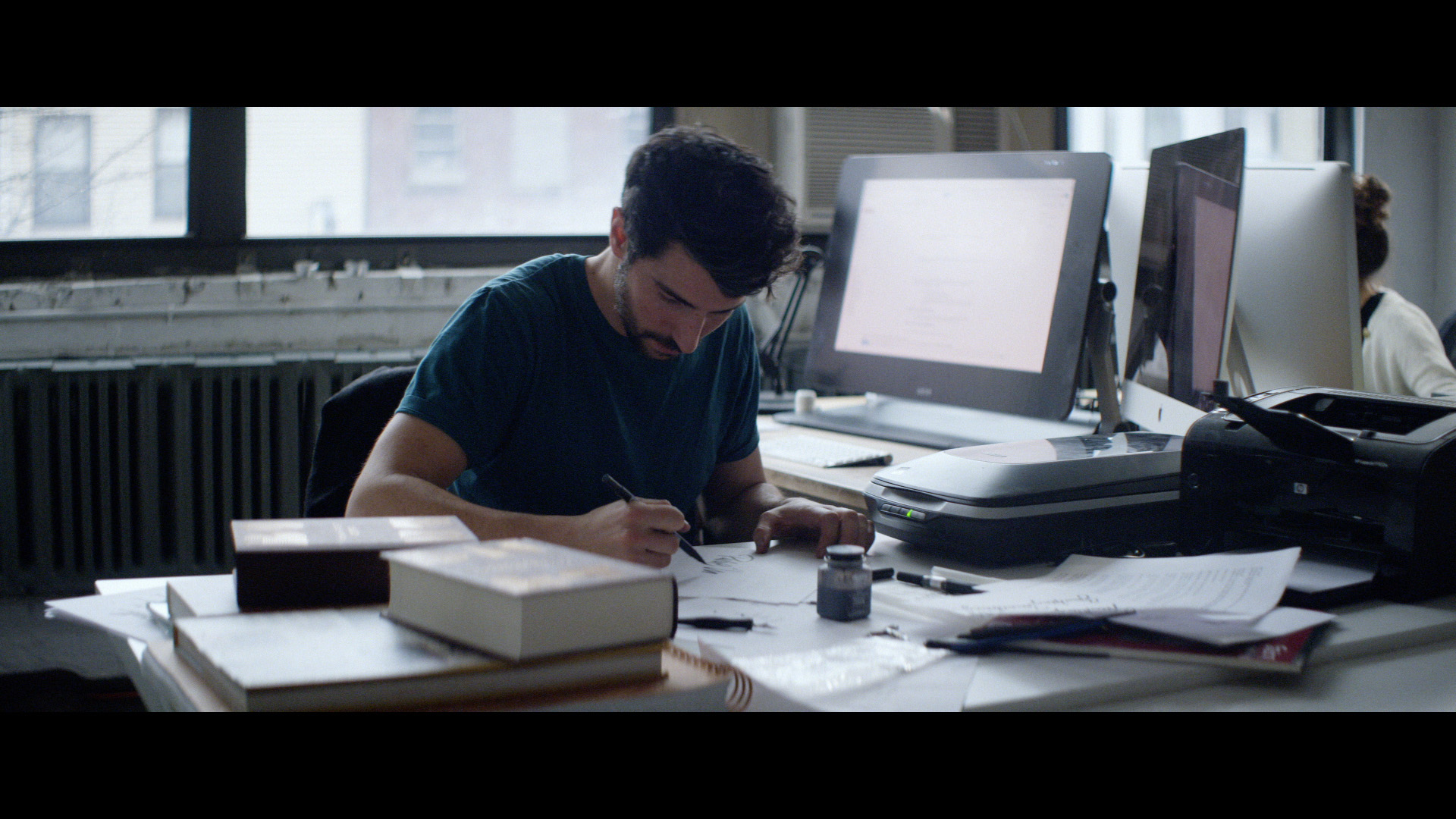
I came across a pretty cool project about freelancers in New York, and I thought I'd share it with you. AND CO partnered with Soares to explore the freedom and entrepreneurialism that is frequently overlooked in the context of the so-called gig economy. The resulting piece, “SOLO NYC,” follows the triumphs and trials of four independent workers whose talents have led them to pursue their own career paths across a broad range of professional callings.

In the alleyways, back kitchens and matchbox studios tucked away in countless of bustling, yet remarkably unglamorous, neighborhoods wedged within the most vibrant city in the world, there’s magic is happening. Every damn day.
New York’s professional style understated yet relentless. Showing up, doing your best—and doing things a little differently—is the mantra of millions of people who rise with the sun to chase their dreams. With a little luck, and a lot of sweat, millions of men and women are making their career ambitions happen, and doing so outside of the traditional career path.
AND CO’s film “SOLO NYC” is an intimate look at the trials and triumphs of New York’s rising class of creative freelancers. Featuring Helen Levi, Alex Trochut, Adriana Urbina and Zipeng Zhu — Directed by Daniel Soares.
You can watch the film right there:https://www.and.co/solo.
“New York has always been about grit and relentless self-reliance—and this dynamic takes on a new meaning when applied to the city’s freelance workforce,” said Martin Strutz, co-founder of AND CO. “We made ‘SOLO NYC’ for the thousands, if not millions, of people wake up each day to chase their self-motivated career ambitions. They are thinkers, writers, creators and entrepreneurs, but most distinctively, they are independents.”
“The thread across all of my projects is a chance to feel something and then extend that feeling with the audience,” director Daniel Soares said. “This project was especially near and dear to my heart as it involved bringing to life the unique stories and perspectives of fellow freelancers who, like myself, call New York home.”
About The Cast
SOLO NYC
Helen Levi: Helen Levi is owner of Helen Levi Ceramics, and a freelance potter and photographer whose studio is based in Red Hook, Brooklyn. Born and raised in New York’s East Village, she has been profiled in Businessweek, GLAMOUR, ELLE, Vogue, Saveur and Bon Apetit, among other lifestyle and design publications. Levi began taking pottery classes in elementary school and continued through college, where she taught peers the craft despite studying photography. Today, a search for Levi and her work on Pinterest yields thousands of shares.
Instagram: @helen_levi
Twitter: @helenlevi
Website: http://helenlevi.com/
Alex Trochut: Alex Trochut is an award-winning designer, illustrator and typography artist based in New York City. A native of Barcelona, Spain, his talents have been tapped by clients like Nike, Adidas, The Rolling Stones, Katy Perry, BBC, British Airways, Coca-Cola, Pepsi and The New York Times. Influenced by pop culture, street culture, fashion and music, Trochut’s unique style has made him an icon in his space, garnering accolades from the Grammy Awards (nominated for best packaging in 2016), Art Directors Club, the Type Directors Club, the Creative Review, and more. He has more than 50K followers and 1M views on Behance. In 2011, he published the compilation book, “MORE IS MORE.”
Instagram: @trochut
Twitter: @alextrochut
Website: http://alextrochut.com/
Adriana Urbana: Adriana Urbina is an independent chef and owner of Tepuy Dining, a Venezuelan inspired pop-up dining company based in Brooklyn. Urbina has been featured in the New York Times, Huffington Post, and Eater and was recently named winner of the Food Network competition “Chopped.” Born in Caracas, Venezuela, she began cooking at age 12 and attained a double culinary degree from Le École of Alain Ducasse in France and Sumito Esteves in Venezuela. Since then, her pedigree has taken her to various Michelin Star restaurants before launching her own business in New York.
Instagram: @tepuydining
Website: https://www.adrianaurbina.com/
Zipeng Zhu: A former senior designer for esteemed design studios Sagmeister & Walsh and Pentagram, Zipeng Zhu runs an independently owned and operated creative studio, DAZZLE, from his Brooklyn home. His exuberant and colorful design, illustration and animation work has made him an icon and source of inspiration in the design community, with his projects garnering more than 400,000 views on Behance alone. Zhu grew up in China and moved to New York in 2009 to pursue his passion for design after abandoning his prior career path as a biochemist.
Instagram: @ZZDesign
Twitter: @ZZDesign
Website: http://zz-is.it/
Making a Business Out of an Innocent Blogging Hobby
Everyone loves blogging. It’s a fantastic way to get on the internet to share your thoughts and ideas, but how exactly do you turn an innocent pastime like blogging into a fully-fledged business? It’s actually a lot easier and manageable than you might think.

blogging tips
Develop your own niche
The first hurdle to overcome is building a niche. If you talk or write about general subjects, then your niche will be difficult to find and you’ll most likely need to rely on your reputation or personality to build an audience.
There are plenty of bloggers that talk just about their own lifestyle, the things they enjoy or current affairs. These types of bloggers are easy to come by, but only the ones with unique personalities or followings will be able to turn it into a viable business opportunity. Everyone else is usually pushed into obscurity because they have nothing that sets themselves apart.
When you want to develop a niche, you need to pick something that will allow you to create quality content that will engage people. A good start is to pick something you are personally passionate about. This could be something like a book series you like, a hobby you have or even something that you’re skilled at.
For instance, if you work as a programmer at a tech company then you could write about your work, you could write about your daily life and the projects that you work on (assuming you don’t break any rules about leaking information!). You need a proper niche if you want to be successful in blogging, so pick something that you can personally connect with.
Move away from WordPress and other hosts
If you want to take your blogging seriously then you’ll have to self-host your website. While free websites are fantastic for getting started, people aren’t going to take you seriously if you don’t have your own domain name and a custom design for your blog. This will make it far easier for people to remember your website and it also gives your content an air of professionalism.
This can often be difficult depending on how much knowledge you have regarding hosting your own website. It might be worth your time and money to hire a web designer to help you out, but if you’re willing to do some research and learn how to set up your own website and domain name, then it could save a lot of money.
Learn how to make money from your blog

There are plenty of ways to make money from your blog, but depending on your content, the delivery and style you focus on, you may need to adjust your ideas.
The most basic way to make money from a blog is to use advertisements. By placing banner ads on your website, you can monetize your website with the help of advertisers. It’s simple because all you do is place banners on certain parts of your website and you’ll get paid depending on how many impressions they get. Most advertisers pay per thousand impressions you get on the adverts, so it’s slow income unless you have lots of readers checking out your blog.
Another fantastic way of making money on your blog is to place affiliate links in your content. You place links to the products you review or use, then you get paid a commission whenever someone uses your link to purchase it. You can set up affiliate links with general companies such as Amazon, or you could have private affiliates that also include discounts for your readers.
Lastly, another option is to attach your blog to a service or product that you sell. For example, if you’re a blogger that focuses a lot on the history of something, then you could write an ebook that compiles all of the information you’ve written and sell it as a non-fiction book. For example here's my book:
Understand the costs of growing your blog
When your blog starts to generate money, you’ll need to start improving your content, hiring people and also spend money on outreach. After all, no one’s going to notice your blog if you don’t spend money on advertising it and spreading your reach.
The best way to do this is to start taking your blog seriously and thinking of it as an actual business. The moment you make your first penny from your blog should be the moment you decide that you are now a business and no longer a hobbyist.
Start looking at professional services to help you grow your blog. For instance, recruit the services of a marketing agency to help you expose your blog to a wider audience. Consider risk management strategies to minimise the possibility of your blog losing relevance in your chosen niche. You can find more details from Equify here if you’re interested in professional services that can help reduce the risks in your business. Even though you’re not a physical business, there are still plenty of ways to ruin your blog and sink back into obscurity.
Be careful
Starting your own business can be a difficult process that takes a lot of time, effort and resources. However, with the right assistance, you can make it much easier to handle especially if you’re turning something you love into a business.
However, it goes without saying that you should be careful when you turn a hobby into a job. Many people find that their love for blogging diminishes because it turns from being a pastime into a job, and some people often find that they lose their passion for writing as a result of it.
Make sure that you understand this risk before you turn something you love into a job. Try your best to pick a subject you feel passionate about, and treat your blog like a business as soon as you decide to take the plunge and turn it into something profitable. With a bit of luck and a lot of hard work, you can easily turn an innocent hobby such as blogging into a business venture.
You can also check read about website hosting at Mango Matter Media.
Don't Believe These Myths About Freelancing
People hear freelancing and they think, sitting around at home all day doing barely any work and making good money out of it. They think that it’s easy and everybody that does it is doing great. If that were true, why isn’t everybody doing it? Because that isn’t true.
There are so many myths about freelancing and people are drawn in by them, only to find that it really isn’t for them and they’re struggling a lot. If you’re thinking about going freelance, make sure it isn’t for one of these reasons.

freelance writing
Freelancing is Easy Money
This is by far the most common mistake that people make about freelancing. They think that you can just get a load of clients and start making easy money straight away.
There are two problems there.
Getting clients takes work, and even when you do, you still have to work for your money. When you’re first starting out you’re going to be tight for money for a while. It might even be worth considering borrowing a bit from somewhere like smallbusinessloans.co to get you started or to save up a few months worth of savings. It acts as a good buffer, which you’ll need.
So many people leave full-time work to go freelance, only to find that they can’t get any work in and they’ve run out of money. It’s going to take a while to build a customer base and start earning a decent amount and if you aren’t prepared for that, you won’t last long. Here's how to get started finding clients.
Freelancing Is For Lazy People
A lot of people look down on freelancers because they think that they’re layabouts that sit around at home all day doing nothing. That’s probably true of some people, but most freelancers often work harder than people in a traditional 9 to 5 job.

The main difference is that we just work different hours. The amount of work that we’re doing is usually the same or even more than somebody that is limited to 8 hours a day in the office. We also have way more responsibility to deal with. When you’re working a normal job, there’s somebody else that is responsible for handling all of the finances and finding clients for the company, but a freelancer does that all themselves.
Freelancing Is Less Stressful
Everybody gets stressed about work and people think that freelancing is far less stressful than traditional work hours. That’s not the case at all. When you don’t have a regular paycheck you’ll have to deal with the stress of managing your finances and finding enough work to pay your rent.
There’s also the added stress of meeting deadlines that are often strict and at strange times of the day if you’re working with somebody halfway across the world. When money is tight and you’re trying to keep yourself motivated and finish projects as quickly as possible so you can get paid, stress levels are off the scale.
Freelancing is a great career option for some people, but if you’re only considering it because you think you can do minimal work for maximum payout, think again.

Treat Your Blog Like A Business And It Will Boom
As you start to see your pages as products, your readers as customers and take your traffic, conversion, and business proposition seriously, you should be well on your way to making it as a money-making blogger.
So you want to be a blogger? Well, the first thing you’re going to need to do is kick the creativity to the curb (okay, not totally) and think like an entrepreneur. Blogging as a hobby is all well and good, but if you want to make some real money, creativity alone just won't cut it. Instead, you have to be big and bold and operate like a boss. To do that, you need to treat your blog like the business you want it to be. Board meetings and pencil skirts aside, you’re going to want to get serious with your blogging strategy.

To start with it isn’t that easy to see an online creative outlet as a profitable business, but the skill will come in time. To get you there, you need to follow a few simple steps. As you start to see your pages as products, your readers as customers and take your traffic, conversion, and business proposition seriously, you should be well on your way to making it as a money-making blogger.
Start With A Strategy

Every good business will have a strategy, regardless of what their main activity is. So, if you want to start running your blog like a legitimate business, you need to start out with a strategy. But don’t worry, you won’t have to do this alone. Creating a blog strategy like this might sound complex, but if you follow all of the steps, you should find that you’re able to come up with a plan of action to start treating your blog like a business.
Do Your Research
With a good strategy behind you, you can get started on taking your blog a bit more seriously. The first thing you’re going to want to do is to do some research. If you want your blog content to wow, you’re going to want to make each post count because quality is more important than quantity. So do some research to get some inspiration on what to write about. Look at what's trending, and keep an out for any gaps in content that you could fill with an original idea. Here's a good tool that can help you find out what is trending in your niche.
After researching, you should start to think about the way you can make your content count. Because not only do you want it to be shareable, you need it to be relevant to your niche too. So, to do this, try to ensure that every piece of content you create is interesting, educational, informative, or entertaining. It should have a purpose in terms of what it is giving to your readers.
Stay On Top Of The Competition
Just like in business, in blogging you need to know what your competitors are doing in order to stay ahead. So be sure that you’re reading their posts and following them on social media. That way, you can ensure that you’re offering above and beyond what they are, as well as coming up with original content ideas. Use more explanations, more graphs, more videos or anyway you can one-up your competition.
Focus On Your Following
Growing your blog's audience is a key part of making it a business success. It’s important that you’re able to gain more traffic, increase your conversion rate and generate more money if you want your blog and your business to grow. So work on growing your audience and see it as your customer base.
Facebook groups is one of the best ways to get eyes on your blog. Start a group around your niche and share links to your blog. Don't stop there, though. Also provide your group with a bevy of interesting facts, links to other's blogs and other fun stuff. No one will stick around in a group that's only ads for your blog. If you want an example, you can join my FB group for writers.
Put Out A Product

A key element to treating your blog like a business is being able to offer a range of products to your customers. So, you’re going to want to think about the products or services that you can sell from your blog over time. This may not be something that you do today, but you need to be thinking about it. What you decide on will often depend on your niche and what your customers want. Tees and coffee mugs are big hits with comedy blogs. Ebooks, whitepapers and affiliate products are some other ideas.
Take Care Of Your Customers
To run your blog like a business, you do have to see your readers as customers. For this, you may need to find an identity verification solution for compliant product sales, create a CRM database or even conduct meetups. Just make sure that you put your readers first.
As you start to work through each step and follow your strategy, you should find that it’s easier to see your blog as a business than you may have first thought. Then, you’ll be on your way to generating a strong profit from your blogging business.
The 7 Sins of the Unready Writer (Blogging for Noobs)
For everyone who wants to embrace the freelance writing career, there are plenty of helpful materials online to teach you exactly what you should be doing, and how, and preferably when and where, too. But I am of the opinion that the best lessons are the ones that show you clearly what you shouldn’t do. Here’s an ode to the worst mistakes of copywriting.

#1. You don’t stick to basic SEO rules
The first and most basic lesson is that online writing can turn into a successful business if you're being viewed and noticed. In other words, not obeying the rules of SEO – Search Engine Optimization – will get you nowhere. Your choice of keywords, aka the search terms that you want to address with your copy, will define whether readers can find your article or not.
For instance, picking general keywords is a pointless exercise. There's tons of competition! Targeting specific phrases is a better plan. Remember, though, keywords are only useful if you know where to place them naturally in your text, starting with headings and continuing with anchor texts and media names.
#2. You don’t research your topic
Do you remember that time in college when you tried to write essays without opening a single book? If you found it difficult to produce a quality paper, it’s likely that the lack of research had something to do with it. Similarly, when you work as a freelance writer, you need to approach your topics in the same way that a student approaches essays. Except that you don't need to hit the library for your research. You can find plenty of updated, reliable material online. There’s nothing worse than producing an incomplete article that doesn’t provide sufficient information or that delivers fake data.
#3. You don’t protect your content
Online content is accessible, findable and therefore stealable. However, you can protect your original content, using this guide on the DMCA functions. The Digital Millennium Copyright Act is a US law that punishes the infringement of digital rights. In other words, if you notice that someone is making a profit from your original content you can use the DMCA to protect yourself. The only hiccup is that you need to be on the look for potential digital abuse. Setting up Google Alerts can help, too.
#4. You are too generic
Do you know how many new articles are published online every day? The answer is TOO MANY. At least, too many for your content to get noticed if you don’t provide any specific information. Generic text is completely pointless. Get a niche and stick to it.
Niche blogs and niche content follow one specific purpose and they stick with a target audience. Niche content allows you, as a writer, to attract an interested audience. Generic content might seem easier to write – it involves less research time – but it’s often categorized as random, if not placeholder, content.
#5. You think you are too good for proofreading
Lets get things rite from teh startt: nobody enjoy to read a txt ful of mistaks.
Spelling mistakes, wrong punctuation and bad spacing rules make your content feel less intelligent. Readers won't take you seriously.

#6. You lack originality
An original piece of content doesn’t mean that you need to reinvent your industry to attract readers constantly. You can curate existing content – even the content produced by others – assuming that you do it smartly. Listing useful posts about a specific topic is a great way of repurposing content that is already available. Or, you could also write an opinion piece about someone else’s article or page, which allows you to reuse their content while adding a new angle to it.
#7. You don’t follow the trends

Writing great content takes time, but it doesn’t matter how long you spend on a piece. If it’s not related to any current trend or event, then it’ll go unnoticed. A good example of what not to do would be a Christmas article posted during the summer holiday. Nobody would care to search for it, let alone read it. Follow the trends to attract your readers.
Tools to Help Freelancers to Celebrate World Entrepreneur Day
I just received this great information, and thought it would be helpful for you freelancers out there, especially since it's World Entrepreneur Day:
The most recent annual report from Upwork and the Freelancers Union found that more people than ever are choosing to freelance, up to 55 million this year, or 35% of the total U.S. workforce.

Many factors are contributing to a surge in the gig economy like the growing costs of opening a business (office space, utilities, payroll, etc.) to employees seeking flexibility, but one thing remains the same: contract workers do not receive access to the same benefits that full-time employees working for companies do.
The following freelance-friendly services and tools give freelancers a leg up within the expensive major cities where they’re often based:
SPENT Money: SPENT Money helps freelancers save time and money by organizing business and personal transactions, capturing and storing receipts, submitting expenses while earning cash back on daily purchases.
Taxfyle: Taxfyle removes the hassle of finding the right tax professional for your specific needs. The app matches your tax profile to a network of tax professionals to ensure you receive expert service of a credentialed tax professional this season, at the lowest rates possible.
Breather: Breather creates an environment for freelancers to meet outside that isn’t a home, office or coffee shop. A Breather space helps you punctuate your work life, allowing you to meet, work and focus without distraction.
Shapr: Networking should be a joyful experience and Shapr helps freelancers connect with like minded individuals through tagged interested, locations and professional experience.
What 2017 Freelancers are Saying About Their Business
The Slash Workers report by AND CO has found that freelancing isn't just the future of business, it's the now and freelancers are loving their life (as if you didn't already know!) They interviewed 300 independent workers in February and March 2017 and basically found out how they feel about every aspect of the freelancing game.
“We launched this study because we wanted to quantify the evolving makeup and motivations of today’s independent workforce. The data revealed a host of unique insights into this new worker class, but most significant was the multifaceted nature of these ‘Slash Workers,’” said Leif Abraham, co-founder of AND CO. “Skilled in a range of talents and exceptionally agile in their career paths, these workers demand a new framework for managing their day-to-day lives, and that’s precisely what we’re building at AND CO.”
Here's some of what they found:
Meet the Slash Workers: 95% of respondents surveyed are “Slash Workers,” that is people who sell two or more talents to multiple clients vs. specializing within a single job function.
Freedom is the New Wealth: Despite a minority of freelancers (23%) saying that going independent has made them more financially stable, they’re overwhelmingly happier since they’ve gone solo: 68% say their quality of life has improved.
Freelance Isn’t a Fallback: Just 6% of respondents said they were freelancing until a full-time opportunity comes along, shattering the commonly-held stereotype that freelancers have no other option. More than 40% of respondents said they intend to freelance “forever.”
Not About the Benjamins: The No. 1 reason freelancers cite for going independent: personal growth (40%), followed by flexibility (27%). Just 7% did so for a perceived financial upside.

Where freelancers work
Open the Floodgates: Two in three freelancers in the study have been independent for less than three years. The largest share of newly-minted independents are creatives.
Death of the Office: 25% of freelancers surveyed said they are “digital nomads,” working and traveling remotely in cities around the world. Looking ahead, 60% of respondents said they’d consider adopting a nomadic lifestyle in the future.
R-E-S-P-E-C-T: Freelancers reported getting stiffed by clients across all income levels, with 44% saying they’ve had trouble collecting payment before. More than 60% of respondents said there is a general lack of respect for the freelance community.
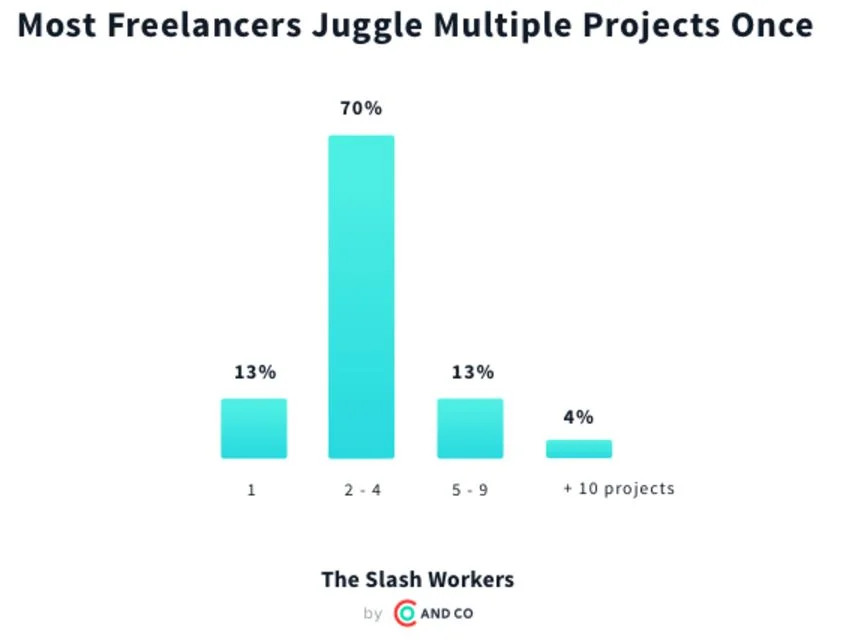
how many projects freelancers do at once
Freelance Wage Gap: Male respondents were 4.5X more likely to earn more than $150K a year than female respondents, yet more men said they had been stiffed by a client.
What’s Missing? 61% of freelancers say they miss the feeling of community that a traditional workplace affords. More than half said they wished more companies would offer remote work options for freelancers.
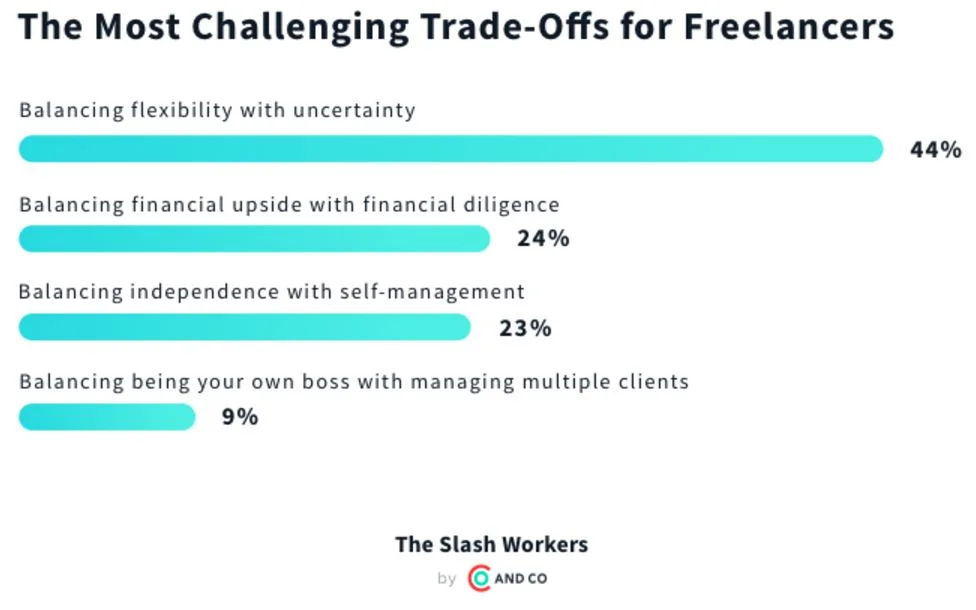
challenges for freelancers
Want great tips on becoming a successful freelance writer? Read my book:
The Fluff-Free Freelance Writing Master Course: The only course that gives you concrete, actionable information to building a successful freelance business without any fluff.
Five Ways to Make Blog Posts More Popular
Is your blog content the nerdy kids sitting by itself at the lunch table? Do you want it to be the head cheerleader, front-and-center at the pep rally? Everyone wants their site to have amazing content, but actually creating popular content isn't easy. I should know! I've been producing site content for clients for almost 20 years. Along the way, I've picked up a few tricks that can make your content shareable and search engine friendly. Up until now I've been using all of these tricks for just for clients. Today, I'm going to share them with you.

my blog isn't popular
1. Always Include Interesting Images...and Then Some...
You probably know that you need an interesting photo to share your content on Pinterest. That goes for the rest of social media, too. Content that has photos gets more shares. For example, research done by Socialbakers.com and published by eMarketer reports that 75% of content posted on Facebook are images and found that images have an 84% interaction rate. Research by Media Blog also found that using photos gave Twitter users 35% bump in retweets.
Okay, so it's clear that people love images. I won't keep hammering it into your brain.
What types of images do people love most?

photos that affect twitter results
Glad you asked.
The Neilson Norman Group did some research on what photos draw the most attention. Here's what they found:
People love looking at people...but not generic people. So, don't use stock photos of people. Try illustrating your posts with pictures of you doing a task or having a reaction to the subject you're talking about.
If you post a photo of how to do something or a product, give them the option to see a larger version of the photo. The larger version should be at least twice as big. People want to see details!
Don't use photos as filler. The photo should be original and eye-catching, not a stock image.
Posting a photo with your blog text isn't enough, though. You want to make search engines find you using your photos, so make sure that you fill in the caption, Alt text section, description and meta with relevant keywords and phrases.
More images are better, too. The highest ranking articles have 3.2 photos (see the infographic at the end of this post).
2. Cook Up a Title that Gets Attention
Back in the day, any informative title would get your blog post great views. Now, there's too much competition. If you don't stand out you don't get views.
The best way to craft a title that people pay attention to is to play on emotions. Make the title:
Shock
Make the reader feel guilty
Make the reader curious
Make the reader feel mad
Make the reader feel like they are going to get a deal (free is always a good word to use)
You get the idea. Here's an infographic to give you some title ideas. (Pro tip: There is more of this post below the infographic.)
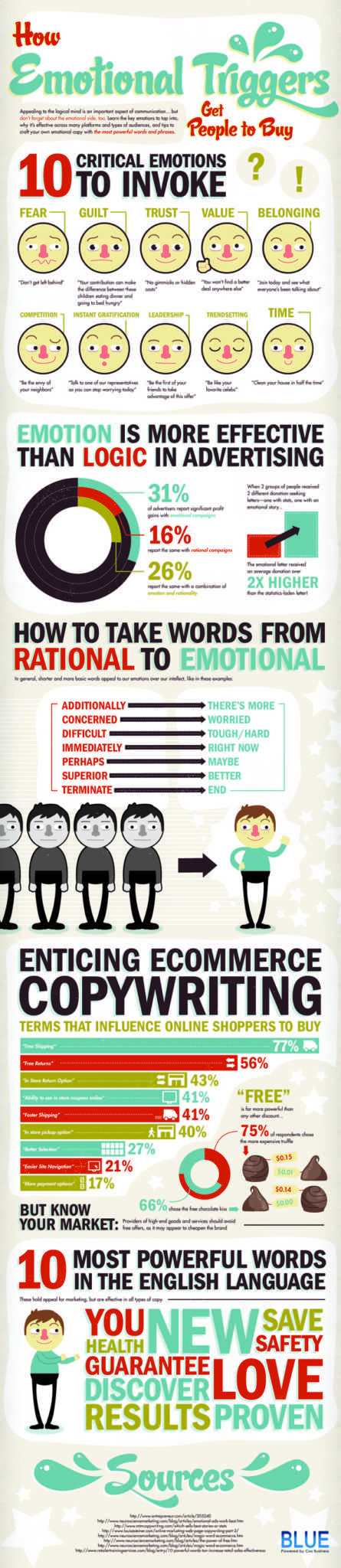
Use emotion in your marketing.
3. Meta It Up

Yoast SEO Plugin
Did you know that every single page on your site has its own meta? This helps search engines find your new blog post and help it rank. The best way to add meta to your blog post is to use a plugin like Yoast. (No, I don't get anything for telling you about Yoast. I just think it's great.) It's free, and it makes adding meta easy while it guides you through toning up your SEO in every area of your post.
4. Link Up with Success
You've probably heard that adding links to reputable sites will get you more search engine love. That's true, but there is another reason that you should add links. Links to further information on the topics in your post shows your readers that you care. You don't just try to tell them what you want them to know; you go the extra step to give them even more information. Your readers will appreciate that and will come back to you. They will also be more likely to share your post with others if it's chock full of helpfulness. The highest ranking articles have around 10 links. Mind you, these articles are over 1,000 words. You wouldn't put that many links into a shorter article.
5. Don't Be Boring!
The most popular posts are entertaining. That doesn't mean that you need to be Jim Carry wild to get laughs, but you can inject personal stories into your posts, touching customer testimonials or a joke or two that goes with your post.

The Perfect Blog Post Infographic
Is There Such a Thing as Too Many Sales?
For those who run home businesses, (like a freelance writing business!) there are a number of unique challenges you're likely to face. For example, you end up with a huge spike in sales in a short space of time. It might sound funny, but when that happens it can be something of a nightmare. Suddenly, having lots of sales to deal with is a drain on resources.
If you’re just starting out, you might be wondering what you need to do to keep on top of it all. Here's what you need to know.

Freelance writing business
Tell The Taxman
First, let’s think about the legal implications. Whatever you earn, you need to declare. So, when you suddenly start bringing in more you'll want to make sure that you keep the IRS informed as to what is going on in your business financially.
This doesn’t mean you have to do it straight away, but you should at least remember to keep records as well as you can. The more you stay above board, the easier the whole process is, so this is a vital first consideration when your sales start to spike.

office supplies for a writer
Switch To Buying Online
You’ll need to start trying to find ways to make better use of your number one resource: time. A great way to do this is to start buying all those essential little things online rather than at the store. This is true for everything right down to the smallest items of stationery.
In fact, it is often the smallest things where this is truest, partly because going out and buying them constantly takes up so much time. I have an Amazon Business account, which gives me discounts and makes it easy to keep up with what I spend.
Even stamps can be bought online - you just purchase and then print them on a printer. Doing this will save you plenty of time, allowing you to deal with the sudden influx of sales.
Consider Hiring Help
You might well be used to working alone, especially if you have your home office all set up there. But when things start going haywire, it might be time to start hiring some outside help.
This can come in a number of forms. It might be that you want to actually take someone on as an assistant in your business. This will depend on space and what kind of money you have spare, of course, but it might be worthwhile. You might alternatively decide to use the online workforce which already exists, and outsource some work to other remote workers.
However you decide to do it, getting some help is likely to prove useful in the long run. Don’t go it alone if you think that you really can’t manage.
Bonus tip: Here are How to Increase Sales – 25 Tips from the Pros that can help you uplevel, too.
What to get to the point where you have more work than you can handle? Then read my book. It has surefire ways to get clients and to build your business, whether you are a newbie or a seasoned writer:
The Fluff-Free Freelance Writing Master Course: The only course that gives you concrete, actionable information to building a successful freelance business without any fluff.
What's the Difference Between Copy and Content?
Do I need a copywriter or a content writer? Is there a difference?

Is it copy or content?
I've been asked this so many times. In fact, I just saw someone ask this question in a copywriting forum on Facebook. Some writers don't even know the difference!
I've written articles about it for other websites, but I thought I should probably lay down the knowledge here, too. Let's get started.
The Difference Between Copywriting and Content Writing...In a Nutshell
There's probably going to be arguments about this. Some people feel that content and copywriting are the same thing, but it really isn't in my opinion. Here's the low-down:
Copy is marketing writing that does nothing but sell, like an ad or a marketing email. Content sells and/or informs or entertains.
Let's look at some examples.
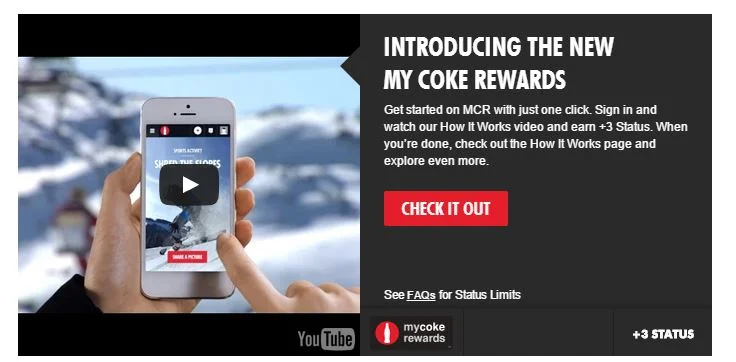
Copywriting from the Coke website.
This example from the Coke Rewards website is simple copywriting. The whole goal of the text is to get visitors to sign up for Coke's new reward program so Coke can sell more soda. That's it.

This text is by the same company, but it is classified as content instead of copy.
This text is also presented by Coke. It's sole objective is to tell visitors about the mission and vision of the company. While its overall purpose is to convey a positive feeling about the Coca-cola corporation, it also informative. A kid who is writing a school paper about Coke could go to this page and be supplied with facts about the company's mission. This makes the text content.
What you're reading right now is content, by the way. The text on this page of my site, though, is copy.
Do You Need to Hire a Copywriter or a Content Writer?
You can take this quick test to decide whether you need to hire a copywriter or a content writer.
If you answer yes to these questions, you need a content writer:
Does the text need to draw in traffic?
Will the text be informative or used to engage the visitor?
Will this text be shareable?
If you answer yes to these questions, you need a copywriter:
Is the intent of this text to sell?
Will the content have a call-to-action?
Will the content be used for direct mailings, sales emails, homepages or social media?
What if you need both? What if you need copy and content? Well, there are writers that do both types of writing very well. For example, I've written copy and content for big and small companies and they have been very happy with the results.
What's the Difference Between Journalism and Content Writing?

Paid news isn't ethical. Don't get greedy.
There's one more type of writing I think I should talk about before I close out this post: journalism. Business owners tend to get news and content writing confused. A news article is one that excludes bias towards a business, product or person. So, if you are paying a writer to create a news article about your business to be published in a magazine or newspaper, that's unethical.
Think about this scenario:
A business owner contacts a journalist that writes for a print or online newspaper or magazine and asks if the writer would do an article about the business. The business promises to pay the writer for an article or a mention. The writer agrees and the article is published.
A totally legit transaction, right? NOPE. This is an incredibly shady practice.
A news article is defined as written content that excludes bias towards a business, product or person. If the writer is being paid by a business, there's no way the article isn't biased.
Most, if not all, news publications have rules about this sort of thing. As a writer, taking a payment is a great way to get fired and have your name smeared from here to eternity.
(For everyone about to leave a comment about big media: I'm not naive enough to think that money never exchanges hands in journalism, but that doesn't mean it's okay.)
If your business has a newsworthy story then you shouldn't have to pay for news coverage. A publication will want to cover your story. Plus, a publication writer is already getting paid from their publication. If they get paid by the business and the publication they're just double-dipping.
The exception to this rule is blogging. Independent bloggers don't get paid by a publication and may require payment to cover your business. This is called a sponsored post.
Okay, so that's your three basic types of text that can be found online and in print.
Improvements You Should Make to Your Freelance Writing Career

freelance writing
Becoming a successful freelance writer isn't easy. A lot of people hope they can make a career out of doing it on a full-time basis, but a lot of people end up going back to the daily grind after a few months. This doesn’t have to happen to you. Here are some improvements you should make for your freelance writing career to get it off to a great start.
Work at Making Your Proposal Perfect
Proposals are just part of the biz, so you need to learn how to make glittering beacons that potential clients will respond to. A good proposal explains exactly what you can offer a client and details the experience you have, usually in the form of an email. It can be difficult to make yours stand out from the crowd when the client will be getting proposals from tons of people, though.
Here are some tips:
Make sure your email subject line is on point. Make it something eye catching without being too mysterious.
Double and triple-check the spelling and grammar in your proposal. Clients don't want writers that can't even send them an error-free email.
Talk about the experience you have which relates to the job at hand. Leave out any unnecessary tidbits about your life.
Link to at least three previous freelance jobs you have completed. That way, they get a good look at what you have done before.
If you can, break up information with bullet points.
Keep it short. Three short paragraphs is plenty.
Improve Your Writing Skills
If you are struggling to gain freelancing writing jobs, you need to take a good look at your writing. After all, if it’s not up to a high standard, you are going to struggle to win jobs and you might not get repeat work if you are doing a poor job. Here are a few ways to get up to snuff:
Keep a current copy of AP Style near your computer and check it when you have a question.
Blog, blog, blog. Writing your own blog gives you the practice you need to hone your writing skills.

how to become a freelance writer
Work on Your Timekeeping Skills
When you're freelance writing, you'll often have deadlines. You need to ensure you stick to these deadlines or your career as a writer won't go far. After all, being reliable can help you win over clients to gain some more freelancing work. Here are some tips for getting your work delivered on time, every time:
Set up a Google Calendar (which is free!) or keep a desk calendar specifically for scheduling client work.
Cut big projects into smaller parts and spread it through your time allotted.
Time yourself when doing projects so you know exactly how much time to block out in your schedule for each client and each task.
Give yourself an extra day. Always plan to finish a project a day early. If something comes up, you always have that extra day of cushion.
For step-by-step instructions on how to go from a newbie to a successful freelance writer, check out my book:
The Fluff-Free Freelance Writing Master Course: The only course that gives you concrete, actionable information to building a successful freelance business without any fluff.
Simplifying Your Startup: Three Tasks To Outsource (That You Probably Hadn't Considered!)
Want your business to be more efficient? Why not consider outsourcing some of your tasks to virtual staff? Not only does it mean that you don’t have to manage a hundred and one jobs in-house, but it also ensures each area is up to date on the law and being performed to the highest standard. Chances are, you’ve already considered outsourcing jobs such as payroll, HR and fulfillment to make things easier for yourself, but there are quite a few other tasks to you could have taken care of that you might not have thought of.
Here are just a few of them!

Three Tasks To Outsource
Credit
As a business, you of course receive a lot of mail. Instead of hiring another receptionist to trawl through it all each day, why not outsource it and sign up to an internet mailing service?
They help you to create a ‘paperless office’ and can make things quicker and more convenient for you too. They scan and upload your documents, so you have access to them any time, ad they can also deposit checks and pay bills. These companies are very secure, so you have peace of mind that everything is being handled safely and efficiently.
If you’re currently working from home, a mailing address gives you a physical office address too- better than a PO box as it looks more professional.
Blog Writing
Blogging is a fantastic way to promote your business, gain a loyal following and improve your website’s ranking in Google search. The higher the page rank, the more organic traffic you’re likely to get. It’s the perfect way to show potential customers that you’re a professional business who knows their stuff- basically there are plenty of great reasons why you should be getting on board.
You could outsource the work to a company, or sign up to a freelancing site as a customer and hire freelance writers- there are always hundreds online at any time who are ready to go.
State what you want the post to be about and if there are any points you’d like them to include and within a day or two you have fantastic, unique and interesting content ready to be published on your blog.
Video Editing
Creating your own video content makes your company look professional, and can help to grab potential customers attention. Perhaps you want a welcome video on the main page of your website, or want to create a ‘how to use’ guide for your products or services? Perhaps you want to create a Youtube channel and publish videos that can be integrated into your blog content. Either way, you need the help of a skilled video editor. Rather than hiring additional people on your team, it’s much easier to outsource the work instead.
While outsourcing tasks does come at a cost, it can actually work out cheaper in the long run. You don't have to employ as many workers, and it also ensures everything is done to the highest standard without you having to oversee each job.