

Essential Tips for Midlife Women Facing Osteoporosis and Chronic Pain
As women enter midlife, the challenges of managing osteoporosis and chronic pain can become a pressing concern. These challenges not only affect daily mobility but also influence overall quality of life.
Gallup News reported that 24% of women have health issues, and they can’t do things that others of the same age can do. However, with the proper methods, it's possible to strengthen bones, alleviate discomfort, and sustain an energetic lifestyle.
In this article, we’ll analyze essential tips to help midlife women effectively manage osteoporosis and chronic pain for better long-term health.
Understanding Osteoporosis and Chronic Pain

Osteoporosis, a condition where bones become fragile and prone to fractures, often progresses silently until a break occurs, making early detection difficult. It primarily affects postmenopausal women due to lowered estrogen levels, which are essential for bone density. However, what's unusual is that osteoporosis can sometimes cause microfractures that go unnoticed, leading to persistent but unexplained pain.
According to the National Library of Medicine, osteoporosis is majorly caused in women over 50, especially when they are over 50. It affects every 1 in 3 women and every 1 in 5 men who are above 50 years.
Chronic pain, often linked to osteoporosis, may arise from fractures, particularly in the spine, hips, and wrists. Chronic pain can also stem from the weakening of muscles and ligaments supporting brittle bones, compounding the discomfort and affecting balance, mobility, and well-being.
Prioritizing Nutrition for Bone Health
While calcium is popularly known for its function in bone density, several other nutrients are crucial yet often overlooked. Vitamin K2, for instance, helps direct calcium to bones instead of soft tissues, lessening the threat of arterial calcification. Magnesium is essential in converting vitamin D into active form, enhancing calcium absorption.
Surprisingly, collagen, associated with skin elasticity, also forms a substantial part of bone structure. Additionally, potassium helps neutralize acids that leach calcium from bones. A lesser-known fact is that an imbalance in phosphorus, often from processed foods, can inhibit calcium’s benefits for bone health.
According to the Bone Health & Osteoporosis Foundation, excess sodium intake might lead to calcium loss from our bones. To preserve calcium in our bones, we must avoid packaged meals high in sodium.
When consuming packaged food, check the nutritional facts. The sodium quantity must not be more than 20% of the daily requirement. The maximum amount of sodium consumption must be limited to 2300 mg per day.
Can supplements effectively replace dietary sources of calcium and vitamin D?
While supplements can help fill gaps, they shouldn't fully replace dietary sources of calcium and vitamin D. Natural food sources provide additional nutrients and promote better absorption. Supplements are beneficial in cases of deficiency, but a balanced diet is key for optimal bone health and overall well-being.
Engaging in Regular Exercise
Engaging in regular exercise, particularly weight-bearing activities like walking, strength training, and yoga, stimulates bone remodeling and increases bone density. Exercise improves balance and muscle strength, reducing the risk of falls and fractures, which is crucial for those with osteoporosis.
According to the WHO, 31% of adults do not meet the advised levels and amount of physical activity. The primary reason for the lack of physical activity is time constraints. For those with limited time, small adjustments can still support bone health.
Simple actions like taking stairs, short brisk walks, or using resistance bands at home can maintain bone strength. Additionally, focusing on posture and incorporating stretching throughout the day helps keep muscles strong and supporting bones even without formal exercise routines. Consistency in movement is key to maintaining healthy bones.
How can I create a balanced exercise plan that comprises strength, flexibility, and proportion?
To create a balanced exercise plan, combine strength training (e.g., weightlifting, resistance bands) twice a week with flexibility exercises like yoga or stretching. Add balance activities such as balancing on one leg or tai chi. Aim for at least 30 minutes daily, alternating between these components for comprehensive bone and muscle health.
Seeking Alternative Pain Management Strategies
Alternative pain management strategies offer natural and holistic approaches to alleviate discomfort, especially for those managing chronic pain. Techniques such as acupuncture, which targets specific pressure points, and massage therapy can improve circulation and reduce muscle tension. Mind-body exercises like meditation and deep-breathing practices help control pain by lessening stress and boosting relaxation.
Heat and cold therapy are easy yet effective ways to lower inflammation and relieve pain. Additionally, herbal medications such as turmeric or ginger may lower inflammation naturally. According to a survey by Science Direct, the most used active treatment for chronic pain was physical activity, adopted by 52% of respondents. Exploring these alternative methods, either alone or in conjunction with medical treatments, can offer effective relief from chronic pain.
How can mindfulness and relaxation strategies help in controlling chronic pain?
Mindfulness and relaxation techniques, such as meditation and deep-breathing exercises, help manage chronic pain by calming the nervous system and reducing stress-induced tension. These practices shift focus away from pain, fostering a sense of control and improving emotional well-being that lessens the perception of pain over time.
Caution with Opioid Use
Opioids, while effective for pain management, come with significant risks, including dependence, tolerance, and potential overdose. Long-term use can lead to addiction, making it crucial to rely on opioids in moderation and under strict medical supervision.
Medications like Suboxone can help manage opioid addiction by reducing cravings and withdrawal symptoms. However, Suboxone is not without side effects, including nausea, dizziness, and the risk of dental problems. The severity of dental problems was so great that it led to numerous lawsuits known as the Suboxone tooth decay lawsuit.
According to TruLaw, the Suboxone lawsuit claims that the acidity of the medicine can break down the enamel, leading to tooth erosion. Individuals using opioids should explore alternative treatments and closely monitor their health to avoid complications associated with both opioids and their addiction treatments.
Regular Health Screenings and Check-ups
Regular health screenings and check-ups are vital for early detection and prevention of various conditions, particularly as we age. Routine exams can identify issues like osteoporosis, high blood pressure, and cholesterol imbalances before they escalate, allowing for timely intervention.
Screenings tailored to age, gender, and risk factors, such as mammograms, bone density scans, and blood tests, offer a comprehensive view of your health. Regular check-ups also provide an opportunity to review medications, discuss symptoms, and adjust lifestyle habits. By staying proactive with screenings, you can maintain better long-term health and address concerns early, reducing the risk of severe complications.
Empowering Your Health Journey
Prioritizing bone health and managing chronic pain requires a multifaceted approach, including proper nutrition, regular exercise, and routine screenings. By exploring alternative pain management strategies and being cautious with medications like opioids, you can enhance your quality of life. Empower yourself with knowledge and proactive care to build a healthier, more resilient future.

Tips On Choosing The Right Avenue To Start A Business And How To Get There
Starting a business can feel like standing at the edge of a giant maze. So many directions to choose from, so many decisions to make, and, let’s face it, a whole lot of nerves building up in your stomach. But here’s the thing—choosing the right path doesn’t have to be so overwhelming. In fact, with the right approach, it can be really exciting and, dare I say, fun. The trick is to blend passion with practicality, do your homework, and create a clear road map that can guide you along the way.

In this post, we will break all of this down into manageable steps, so you can find your perfect business avenue and, more importantly, figure out exactly how to get there.
Choosing The Right Avenue For Your Business
Passion Is Your Foundation (But Not The Whole House)
The first thing you need to do is figure out what you are passionate about. No, really—what makes you excited enough to leap out of bed in the morning? Starting a business around something you genuinely care about is a great way to make sure you’ll stick with it when things get tough (and they most definitely will). But here’s the twist: passion alone won’t pay the bills. You have got to match it with what you’re actually good at. Think about your strengths, the skills you’ve picked up along the way, and what people already come to you for advice on. When you find that sweet spot between what you love and what you’re good at, you are already halfway there.
Market Research: The Real Key To Success
Okay, you’ve nailed down your passion and strengths—fantastic! Now it is time to settle down and start the market research. This part isn’t all that glamorous, but it’s absolutely crucial. You need to figure out if people actually want what you are offering. Who are your customers? What are their pain points, and how can you solve them? And, don’t forget to look at the competition. Your competitors aren’t just obstacles on your path—they’re teachers. Study what they’re doing right, where they’re dropping the ball, and how you can do it a whole lot better. Market research isn’t just about gathering info; it’s about finding key opportunities.
Keep An Eye On Trends—Future-Proof Your Business
Industries don’t stand still. They evolve, sometimes dramatically, and you want to be ahead of the curve at all times, not scrambling to catch up. Some sectors—tech, healthcare, sustainability—are booming right now and have real long-term potential. If your business fits into one of these growing industries, you’ll have a better shot at staying relevant. But even if your idea doesn’t land squarely in a “trending” industry, think about how tech can impact it. The world is changing super fast—AI, automation, e-commerce—it’s all here to stay, so consider how those trends could shape your business. A little foresight now can save you a whole lot of headaches later.
Money Matters: Are You Financially Ready?
This is not really considered the fun part, I know, but it’s absolutely vital. Take a good, hard look at your finances before you dive headfirst into any sort of business venture. What can you afford to invest? Do you need funding? If so, where will it come from—personal savings, loans, investors? Different businesses have different financial needs, and this is where reality checks come in. A tech startup, for instance, might require more upfront capital than, say, a freelance graphic design business. The key is to figure out exactly what you need, what you have, and how to fill in the gaps. Don’t skip this step, even if it’s tempting to jump ahead to all the fun parts!
MVP: Start Small, Dream Big
Got your idea? Great. Now, before you go all in, think about starting small with a Minimum Viable Product (MVP). This is a simple version of your product or service that you can test in the real world without spending absolutely tons of money or time. The feedback you get from your MVP can be super invaluable for what lies ahead. It’ll help you tweak, adjust, and refine your business before you scale up. Think of it as a test drive for your entrepreneurial dreams—low risk, super high reward.
How To Get There - Turning Your Business Idea Into Reality
A Business Plan Is Your North Star
Once you have chosen your path, it’s time to map out how you plan to get there—and that’s where a super detailed business plan comes in. Your business plan is like your North Star, it is what guides you through all the twists and turns. It should cover absolutely everything: your mission, market research, how you’ll make money, and how you’ll get your product or service into people’s hands. Don’t skip this step—it is not just for impressing investors (though it helps a lot with that, too). It’s for you, to keep you on track when the road gets bumpy.
Build Your Network—You’re Not In This Alone
Something that no one tells new business owners often enough is that networking is absolutely everything. Unfortunately, yes, even if you’re an introvert. Surrounding yourself with the right people—whether they’re mentors, potential partners, or like-minded entrepreneurs—can make all the difference—the difference you need to succeed. Don’t underestimate the power of a really great mentor, either. They’ve been there, done that, and can help you make your way through the ups and downs. Reach out to industry groups, attend meetups, and get active on LinkedIn. Entrepreneurship can be lonely, but it doesn’t have to be. Your network is your support system and sometimes, your secret weapon.
Keep Learning—You’ll Need To Stay Ahead
The entrepreneurial journey is not just about hitting milestones—it’s also about constant growth. No matter what industry you decide to go into, continuously learning is absolutely essential. Whether it is mastering digital marketing, improving your leadership skills, or, say, getting an advanced IT certification, investing in your education can help you stay ahead of the curve. The more you know, the more confident you’ll be in making decisions, and the more value you will bring to your business. Plus, learning new skills can open up opportunities you hadn’t even thought of considering.
Resilience: The Unseen Key To Success
Look, entrepreneurship is tough. There will be moments where you’ll want to throw in the towel and close up shop, but that’s completely normal. What matters is how you handle those moments. Resilience is definitely not just about pushing through; it is about learning from the setbacks and using them as fuel to move forward. Failures will happen—they’re, unfortunately, part of the process. But if you can view them as stepping stones rather than roadblocks, you will find that each misstep brings you a whole lot closer to success. Surround yourself with people who remind you why you started in the first place when things get hard—it’ll make all the difference.
Conclusion
Choosing the right avenue for your business isn’t just about following trends or copying what’s popular right now—it is about a whole lot more than that. It is about finding the intersection of your passion, skills, and market demand. Once you’ve found your path, the next step is planning the journey—building a solid business plan, networking, and investing in continuous learning. Don’t forget that resilience is key to success—there will be tough times, but if you stay focused on your vision, you will be able to navigate any challenge that comes your way. Put all these things together, and you will be on your way to starting a really successful business.

Digital Marketing Strategies: What’s In And What’s Not For 2024 And Beyond
Digital marketing isn’t what it used to be. If you’re still playing by yesterday’s rules, you are most likely missing out on the massive opportunities today’s landscape has to offer. The digital world moves fast—really, really fast. One day something works like an absolute charm, and the next? Well, it’s already outdated and just not working as it should. So, what’s in and what’s out when it comes to putting together a killer digital marketing strategy for the end of 2024 and, more importantly, for 2025—which can you believe is right around the corner? I can’t either, but let’s take a look at what we need to prioritize.
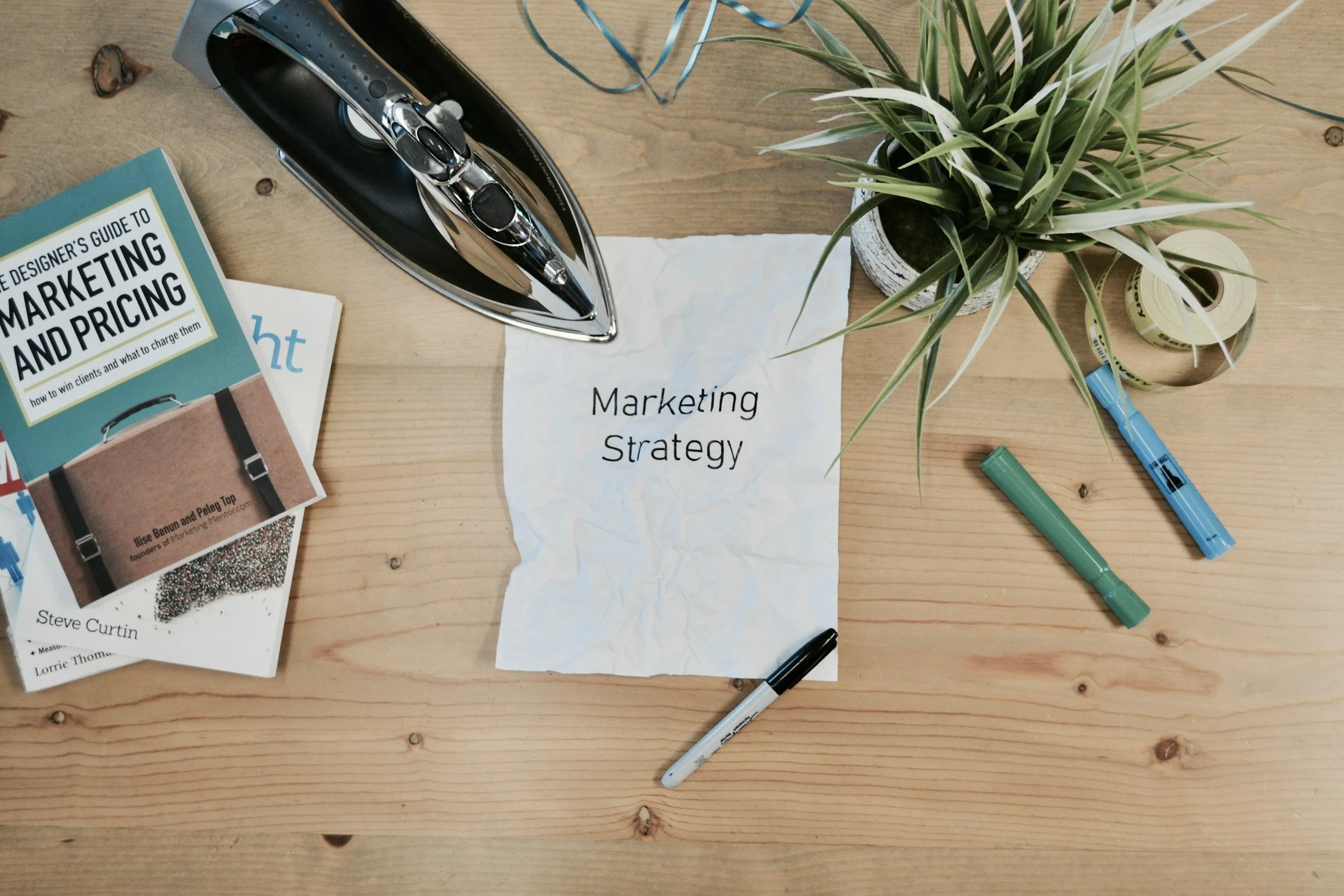
What’s In: Hyper-Personalization And Data-Driven Marketing
You’ve probably heard it about a million times before, but personalization is absolutely everything right now. Today’s consumers don’t want to feel like they’re just another number—they want brands to connect with them on a deeper level. Hyper-personalization means not just using someone’s first name in an email (that’s the bare minimum), but tailoring content, offers, and even web experiences based on real-time data. It is about using insights like their past purchases, their browsing behavior, and their preferences to create marketing that feels like a personal connection, not a broadcast.
First-party data is super essential for your strategy. With the decline of third-party cookies, your relationship with customers becomes even more important. By collecting your own data directly from your audience—through engagement, feedback, loyalty programs—you can create highly personalized experiences that increase both customer satisfaction and sales.
What’s Out: Generic Mass Emails
Let’s just say it—those “one size fits all” emails have got to go. There was a time when sending out a blast to everyone on your list might’ve worked. Not anymore. Your audience can tell when they’re getting something generic, and it is a surefire way to make them tune out or, worse, hit unsubscribe altogether.
Today’s emails need to feel like they were written for the person on the receiving end. If you’re not segmenting your list and sending tailored content, you’re wasting your efforts. Focus on behavior-triggered sequences and dynamic content. When someone receives an email that speaks directly to their needs, that is when the magic happens.
What’s In: Conversational Marketing & Chatbots
People want answers now. The days of filling out a contact form and waiting 48 hours for a response are looooong gone. That’s where conversational marketing comes in, with AI-driven chatbots leading the way. Maybe it is answering FAQs, helping customers find the right product, or guiding someone through a purchase; whatever it may be, chatbots are your 24/7 customer service team—without the actual team.
Chatbots aren’t just support tools, though. They’re also really good at lead qualification. Imagine you’ve got a potential customer on your site. The chatbot can ask a few smart questions, gauge interest, and pass along qualified leads to your sales team to allow them to seal the deal. The beauty of conversational marketing is that it feels personal and immediate—everything your customers are really craving.
What’s Out: Relying Solely On Static Content
Remember when posting a few blogs or updates here and there was enough? Well, that is something of the past. Static content just doesn’t cut it anymore. People are no longer content with passively consuming information; they want interaction. Engagement is the new name of the game.
Interactive content like quizzes, polls, and even live-streams are what grab attention. If you’re still relying on static content alone, you are missing out on the chance to really and truly connect with your audience. It’s time to shift your focus to formats that encourage two-way interaction and keep people coming back for more.
What’s In: Video Marketing & Short-Form Content
If you are not already investing in video marketing, now is the time to jump on board—quickly. Long-form content can be great, but let’s be honest—short-form video is where it’s at right now. Platforms like TikTok, Instagram Reels, and YouTube Shorts are exploding because they serve up content that’s quick, engaging, and super easy to digest.
But, here’s the challenge (there’s always a challenge): you’ve got just a few seconds to make an impact. Whether you’re telling a story, demoing a new product, or just being entertaining, short-form video is an absolute must. High-end marketers know this isn’t about creating long, drawn-out narratives—it is about grabbing attention fast, keeping it, and driving engagement. So, you guessed it—it’s time to dust off your creativity!
What’s Out: Overly Produced Commercials
Over the top, glossy commercials? They’re so last decade. These days, people are tired of highly polished, overly produced content. It feels distant. It feels fake. It feels...robot-ish. In a world where authenticity reigns supreme, what your audience wants is something that feels real, relatable, and a little rough around the edges.
If you’re still spending big bucks on perfecting every shot in your videos, it might be time to dial it back just a bit. Today’s viewers prefer behind-the-scenes looks, user-generated content, and live videos that aren’t perfectly staged. It’s the raw moments that resonate more than the high-budget production.
What’s In: Social Proof And User-Generated Content
We trust other people more than we trust brands, plain and simple. That is why user-generated content (UGC) is booming right now. Whether it’s reviews, photos, or testimonials, nothing builds trust like seeing real people using and really loving your product.
Encouraging UGC doesn’t just build credibility; it turns your customers into advocates. When people see others sharing their experiences with your brand, it amplifies your message in a way traditional marketing just can’t. And yes, this works for high-end brands too. Think about how powerful it is to see a customer using your luxury product in their day-to-day life—it adds a layer of authenticity that money can’t buy.
What’s Out: Influencer Marketing Without Strategy
Influencer marketing can be a fantastic strategy—when it’s done right. But too many brands have learned the hard way that partnering with influencers just for the sake of it is a losing game. A huge follower count means nothing if that influencer’s audience doesn’t align with your brand’s values or goals.
For influencer marketing to work in 2025, it has to be strategic. Micro-influencers are where it’s really at. These are people who have smaller, but incredibly loyal, followings within your niche. Their audience trusts them, and that trust translates to better engagement and higher conversion rates. Forget about the celebrity influencers and focus on the ones who have real influence in your market.
What’s In: Communities And Niche Platforms
Building a strong online community is one of the smartest moves a brand can make right now. Platforms like Reddit, Discord, and even private Facebook groups are where people are having real, honest conversations—and that is where your brand should be too. These spaces allow you to engage with your audience in a more authentic way, building trust and loyalty.
Reddit, in particular, is becoming a real goldmine for brands wanting to get their content in front of the right eyes. There are even some clever Reddit SEO hacks that can help your content surface in relevant subreddits. But remember, users are smart—they will spot an inauthentic attempt a mile away. The key is engaging with communities in a meaningful, value-driven way, not just jumping in to push your products.
What’s Out: Facebook-Only Strategies
Relying on Facebook as your main social media platform? It’s time to definitely rethink that strategy. While Facebook still has its place, particularly for older demographics, younger audiences are flocking to platforms like TikTok and Instagram. And, let’s not forget—the organic reach on Facebook has been on a really steep decline for a few years.
If your strategy is overly focused on Facebook, you’re missing a huge portion of your potential audience. Diversify your social media presence, especially if you’re looking to engage younger consumers. Go where your audience is spending the majority of their time.
What’s In: Interactive And Immersive Experiences
People don’t just want to see your product; they want to experience it. That is why immersive experiences—like AR (augmented reality), VR (virtual reality), and gamified content—are gaining so much traction. These technologies are blurring the lines between the digital and physical worlds, giving consumers an interactive way to really engage with your brand.
Imagine trying on clothes through a virtual fitting room or seeing how a piece of furniture would look in your living room via AR. These kinds of experiences add real value and help consumers make more informed (and a lot more confident) purchasing decisions.
What’s Out: Relying Solely On Desktop Experiences
It’s time to get mobile-first. With most web traffic coming from mobile devices, your digital strategy should be all about creating seamless, fast, and user-friendly mobile experiences. If your website or content is clunky on a phone or tablet, you are 100% going to lose people before they even have a chance to get interested.
Mobile-responsive design isn’t just a nice-to-have anymore—it’s an absolute MUST. From fast-loading pages to easy navigation and mobile-friendly emails, everything needs to be optimized for the mobile user. It is not just about shrinking a desktop site to fit a phone screen; it’s about designing with the mobile experience in mind from the very beginning.
Final Thoughts: The Future Is Personalized, Engaging, And Authentic
So, what is the future of digital marketing? Well, it’s all about connection—personalized, real, and authentic. The strategies that worked in the past just won’t cut it anymore. It is time to embrace hyper-personalization, lean into conversational marketing, and get creative with immersive experiences.
Above all, listen to your audience—really and truly listen. They’re telling you what they want every time they engage with your brand—whether it’s through their actions, feedback, or even their silence. The brands that thrive will be the ones that stay curious, connected, and completely open to change.

The Environmental Cost of Profits Businesses Make
In today’s fiercely competitive world, businesses are locked in a constant struggle to stay ahead. Every move is calculated to maximize profits and secure market dominance. But in the rush to rise to the top, many companies lose sight of the bigger picture.
What use is a thriving business in a world where the environment is unlivable? What’s the value of profit if the environment is irreparably damaged and future generations are left to pick up the pieces?
Throughout history, we’ve seen powerful corporations prioritize short-term gains over long-term sustainability, leaving trails of environmental destruction in their wake. The consequences of such misplaced priorities are far-reaching, with their impact lingering long after profits have been made.
In this blog, we’ll examine some of the most notorious examples of businesses putting profits before the planet.

ExxonMobil and the 1989 Oil Spill
On the night of March 24, 1989, the Exxon Valdez tanker set sail from Alaska loaded with millions of gallons of crude oil. Everything seemed routine until disaster struck.
As the ship ventured into Prince William Sound, it veered off course and slammed into Bligh Reef. The impact was catastrophic: 11 million gallons of oil gushed into the waters, spreading rapidly and leaving a trail of destruction, Britannica noted.
The slick covered over 1,300 miles of pristine Alaskan coastline. The environmental fallout was devastating. Thousands of seabirds, otters, seals, and even whales perished in the oily mess.
Entire ecosystems were damaged, and local fisheries suffered huge losses. The toxic effects of the spill lingered for years, with remnants of oil still detectable in some areas even decades later.
The Exxon Valdez disaster wasn’t just a freak accident. It was a wake-up call about the high risks involved in oil transportation and the long-lasting toll such incidents can take on the environment.
Today, it stands as a grim reminder of the fragility of nature in the face of human negligence.
3M and the AFFF
For decades, 3M was a trusted name in industries ranging from healthcare to manufacturing. But behind the scenes, a dangerous secret was brewing. In the 1970s, 3M’s own chemists discovered the harmful effects of PFAS, the toxic chemicals used in their firefighting foam known as AFFF.
These chemicals, called “forever chemicals” due to their inability to break down, had alarming consequences for both human health and the environment.
TorHoerman Law notes that PFAS exposure is linked to severe health problems like cancer in the bladder, kidney, colon, prostate, pancreas, and thyroids. Beyond cancer, it also led to increased cholesterol levels, lower vaccine response (especially in children), and a higher risk of unstable blood pressure.
Despite knowing this, 3M chose silence. Over the years, AFFF was widely used at airports and military bases, with 3M continuing to supply it while downplaying the risks.
As PFAS contaminated water supplies, it caused devastating health impacts, from cancers to immune system disorders, while wreaking havoc on ecosystems.
3M’s failure to act allowed PFAS pollution to spread, affecting communities around the globe. Their decision to prioritize profits over public safety has left a legacy of contamination that lingers to this day.
While a firefighting foam lawsuit has now been filed against the company, no amount of compensation can reverse the damage caused by PFAS. The silence surrounding it stands as a stark reminder of what happens when accountability is set aside for financial gain.
IKEA and the Logging of Romanian Forests
IKEA, the global furniture giant, has long marketed itself as a champion of sustainability. However, a disturbing reality emerged when Greenpeace revealed that IKEA’s suppliers were involved in logging Romania's ancient forests, including protected areas.
These forests, nestled in the Carpathian Mountains, are among the last strongholds of old-growth woodlands in Europe. They also serve as critical habitats for endangered species such as bears, lynx, and wolves.
IKEA’s logging practices, exposed by Greenpeace, violated conservation efforts aimed at preserving Europe’s natural heritage. Timber from these ancient trees found its way into IKEA’s supply chain, despite the company's commitment to sustainable sourcing.
The environmental impact is immense - these forests play a vital role in regulating climate, preventing soil erosion, and maintaining biodiversity. The destruction of these woodlands not only threatens the delicate ecosystems within but also erodes a vital natural defense against climate change.
This controversy underscores the conflict between profit-driven expansion and environmental responsibility, reminding us of the hidden costs behind even the most well-intentioned brands.
H&M and the Dark Side of Fashion
H&M’s meteoric rise in the fashion industry was driven by its fast fashion model - constantly churning out new, trendy clothes at affordable prices. But beneath this success lies a troubling truth: H&M’s practices are deeply harmful to the environment.
The sheer volume of clothes they produce leads to enormous textile waste, with millions of items ending up in landfills every year. According to Catalyst Planet, their use of synthetic fibers like polyester is another problem. It not only relies on fossil fuels but also releases microplastics into oceans, further polluting the planet.
While the brand markets eco-friendly collections, these efforts often mask the reality that only a fraction of its production is truly sustainable.
This facade, known as “greenwashing,” gives consumers a false sense of environmental progress. In truth, H&M’s fast fashion empire is built on a model that prioritizes speed and profit over the health of the planet.
It is for these reasons that H&M’s low-cost clothing is far more expensive when considering the environmental toll.
FAQs
Who consumes the most fast fashion?
According to Uniform Market, women are the largest fast-fashion consumers, with the age group of 18 to 24 being the most frequent buyers. The central reason behind this statistic is the pressure women feel not to wear the same outfits when they go out.
What is illegal logging?
Illegal logging is the unlawful cutting down of trees, often in protected forests or without proper permits. It’s a destructive practice that depletes forests, endangers wildlife, and accelerates climate change. By exploiting nature’s resources without regard for environmental laws, illegal logging devastates ecosystems while feeding a black market for timber.
Are PFAS chemicals a part of our daily lives?
Yes, PFAS are a part of our daily lives because of their presence in a large number of consumer products we use every day. Because of their waterproof and stain-resistant quality, the forever chemicals are used in making non-stick cookware, carpets, waterproof clothing, food packaging, and more.
While thriving businesses are seen as a symbol of a thriving economy, their impact on the environment is often overlooked. Businessmen are focused on making profits without fully grasping the depth of its consequences on the well-being of our planet. By highlighting these cases, our goal is to bring to light the true cost of corporate greed - and the urgent need for change.

The True Cost Of Clutter: How Junk Impacts Your Finances
Clutter isn't just an eyesore—it can have a significant impact on your financial well-being. From wasted time to hidden expenses, accumulating junk can slowly drain your wallet without you even realizing it. The financial toll of clutter can go beyond the physical space it occupies, affecting both your immediate and long-term financial health. Understanding how clutter costs you can inspire more mindful habits and encourage decluttering not just for aesthetic reasons, but for your financial well-being too

Wasted Space, Wasted Money
One of the most immediate ways clutter impacts your finances is through wasted space. Whether it’s a home or a business, space is a valuable asset. A cluttered home can lead to expensive solutions like renting storage units or upgrading to a larger living space unnecessarily. The cost of extra square footage, either in rent or mortgage, often outweighs the actual value of the stored items.
Unnecessary Purchases
When junk accumulates, keeping track of what you already own becomes harder. This often leads to duplicate purchases. How many times have you bought a new item simply because you couldn’t find the one buried deep in a pile of clutter? These unnecessary purchases add up over time and can take a significant toll on your budget.
Impact on Mental Health and Productivity
Clutter doesn’t just cost you in terms of physical space and unnecessary purchases—it also takes a toll on your mental health. Studies show that a disorganized, cluttered environment can lead to increased stress and decreased focus. When you're mentally overwhelmed by clutter, it becomes harder to work efficiently, which can indirectly affect your financial stability.
Hidden Maintenance and Repair Costs
Clutter can sometimes mask underlying issues like leaks, pest infestations, or structural damage in your home. Ignoring these issues due to junk blocking access or simply being out of sight can lead to costly repairs down the road. Regular maintenance becomes difficult when spaces are too cluttered to inspect or fix minor problems before they escalate.
Professional Removal Costs
Eventually, there comes a time when dealing with clutter is no longer a DIY project. You may need to hire professionals, like furniture removal services, to help clear out larger items that have been sitting around unused for years. These services, while helpful, come with a cost, particularly if the clutter has piled up over time.
Missed Financial Opportunities
Clutter can also prevent you from capitalizing on potential financial opportunities. Items that are valuable lose their worth over time due to neglect or damage from improper storage. When items are hidden in clutter, you might not even realize they have resale value, which results in missed chances to recoup money.
The cost of clutter goes far beyond just the physical mess. It affects your finances in numerous ways, from wasted space and unnecessary purchases to reduced productivity and hidden repair costs. Addressing clutter not only frees up your space but also helps protect your wallet from these expenses. To learn more, check out the infographic below.

Understanding Brand Perception: How Customers View Your Business
Brand perception plays a crucial role in the success of any business. It’s not just about what your brand says about itself—it’s about how customers actually see and experience it. A strong, positive brand perception can build trust, encourage loyalty, and ultimately drive sales. On the other hand, a poor perception can lead to missed opportunities and customer churn. Understanding and managing how your brand is viewed is essential in today’s competitive market.

What is Brand Perception?
Brand perception refers to the collective feelings, beliefs, and opinions that customers have about your brand. It encompasses everything from your brand’s values and reputation to how it performs in delivering products and services. This perception is formed through customer experiences, marketing efforts, social proof, and elements of your brand.
Factors That Influence Brand Perception
Customer Experience
The customer experience is one of the most significant factors that influence how people perceive your brand. This experience includes everything from ease of purchasing to how you handle customer support inquiries.
Consistency in Branding
Consistency across all customer touchpoints is another critical factor in brand perception. From your logo and messaging to your website design and packaging, every element of your brand should present a unified image. Inconsistent branding can confuse customers and weaken trust, as they might not know what to expect from your company.
Online Presence and Social Proof
The way your brand is represented online greatly influences how potential customers view you. Your website, social media, online reviews, and testimonials all contribute to shaping brand perception. Customers are increasingly using online reviews to inform their purchasing decisions. Positive feedback builds credibility, while negative reviews can damage your brand’s image if not managed correctly.
Emotional Connection
Brands that create an emotional connection with their audience tend to have stronger loyalty and better long-term success. Whether it's through the story behind your brand, the values you represent, or the emotional benefits of your products, connecting with your audience on an emotional level can transform casual customers into lifelong brand advocates.
Managing and Improving Brand Perception
To improve brand perception, businesses should prioritize delivering exceptional customer experiences and consistently evaluate how they are perceived. One strategy is to regularly seek customer feedback, whether through surveys, reviews, or direct communication. Understanding how your customers feel about their interactions with your brand allows you to identify areas for improvement.
Partnering with a third-party can also help streamline interactions at every touchpoint, ensuring that your brand provides consistent, high-quality experiences. From optimizing communication to enhancing the overall purchase journey, investing in customer experience services can play a key role in shaping a positive brand perception.
Brand perception is one of the most valuable assets a business can cultivate. How customers view your brand determines whether they choose to do business with you or go elsewhere. By focusing on delivering exceptional customer experiences, maintaining consistent branding, and building emotional connections, you can strengthen your brand’s perception and foster long-term success. To learn more, check out the graphic below.

Smart Work-From-Home Décor: Creating A Productive And Stylish Workspace
With the rise of remote work, having a well-designed home office is more important than ever. Your workspace should not only reflect your personal style but also foster productivity and focus. A thoughtfully decorated home office can enhance your efficiency, reduce distractions, and create an environment that makes working from home both comfortable and enjoyable.

Prioritize Ergonomics for Comfort and Health
One of the most essential aspects of work-from-home décor is comfort. Spending hours at a desk without the right setup can lead to discomfort or even long-term health problems. Prioritize ergonomics by investing in an adjustable chair that supports your back and promotes good posture, along with a desk that fits your height and workflow needs.
An ergonomic chair should provide proper lumbar support, adjustable armrests, and enough padding to keep you comfortable during long work sessions. Pair it with a desk that allows enough room for your computer, papers, and accessories without clutter. Consider standing desks or convertible desks that give you the option to switch between sitting and standing throughout the day, helping to reduce the physical strain of sitting for extended periods.
Choose Stylish and Functional Furniture
When selecting furniture for your home office, it’s important to find pieces that strike the right balance between style and functionality. Functional furniture should make your work easier and more organized, while stylish pieces create an inviting atmosphere that makes working at home enjoyable.
Consider adding versatile pieces like Flexsteel furniture, which offers both quality and durability. High-quality furniture not only elevates the look of your workspace but also ensures longevity, reducing the need for frequent replacements. Whether it’s a sturdy desk, a storage solution, or a comfortable office chair, well-made furniture will support your productivity while complementing your home décor.
Optimize Your Lighting
Lighting plays a crucial role in both the aesthetics and functionality of your home office. Natural light is ideal for boosting mood and focus, so position your desk near a window if possible. However, relying solely on natural light may not be practical for everyone, especially during darker hours.
Declutter and Maximize Storage
Clutter can negatively impact your ability to focus, making it difficult to stay productive. Keep your workspace clean and organized by incorporating smart storage solutions. Shelves, cabinets, and drawer organizers can help you store essential items without overwhelming your desk.
Add Personal Touches for Inspiration
While functionality is crucial, don’t forget to make your home office your own by adding personal touches that inspire creativity and motivation. Décor items like artwork, indoor plants, or family photos can transform a purely functional space into one that reflects your personality and helps reduce the monotony of long workdays.
Designing a smart work-from-home décor is about more than just aesthetics; it’s about creating an environment that supports both your well-being and productivity. By prioritizing ergonomics, selecting functional yet stylish furniture, optimizing your lighting, and minimizing clutter, you can create a home office that enhances your ability to focus and work efficiently. To learn more, look over the resource below.

The ROI Of Employee Engagement: How Investing In Your People Drives Business Success
Employee engagement is more than just a trendy term; it’s a critical factor in driving business growth and sustainability. Companies with highly engaged employees outperform their competitors, experience lower turnover, and benefit from improved morale and productivity. Investing in your people is not just good for company culture—it delivers a solid return on investment (ROI) that can be measured in both tangible and intangible ways.
Boosted Productivity and Performance

Engaged employees are significantly more productive than their disengaged counterparts. They are motivated, aligned with the company’s goals, and willing to go the extra mile. This translates directly into higher performance, positively impacting your company’s bottom line.
A Gallup study found that organizations with high employee engagement see a 21% increase in profitability. This is because engaged employees not only work more efficiently, but they also tend to take fewer sick days, collaborate better with their teams, and offer more creative solutions to problems.
By calculating the ROI of employee engagement, you can measure the financial impact of increased productivity. For instance, if employee engagement initiatives lead to a 10% improvement in productivity, you can quantify the additional revenue generated by this and weigh it against the cost of your engagement initiatives.
Reduced Turnover Costs
Employee turnover can be incredibly costly for businesses. From the expenses associated with recruiting and onboarding new hires to the lost knowledge and decreased productivity during the transition, turnover can drain resources quickly. Engaged employees are much less likely to leave their jobs, leading to lower turnover rates and saving the company a significant amount of money.
Enhanced Customer Satisfaction and Loyalty
There’s a direct connection between employee engagement and customer satisfaction. Engaged employees are more likely to deliver excellent service, leading to higher customer satisfaction and retention. This translates into repeat business, positive reviews, and a stronger reputation in the marketplace.
Customers who have a positive experience with engaged employees are also more likely to refer others, driving new business without additional marketing costs. Additionally, engaged employees often develop stronger customer relationships, which further enhances brand loyalty.
Measurable Benefits of Recognition and Incentives
One of the key drivers of employee engagement is recognition. Employees who feel valued and appreciated are more likely to be engaged and motivated. Offering meaningful recognition programs, such as performance awards or custom promotional merch that resonates with your team, can enhance morale and contribute to a positive work culture.
Recognizing employees doesn’t have to be expensive, but it does need to be thoughtful and consistent. You can measure the impact of these recognition programs by looking at employee satisfaction surveys, tracking retention rates, and assessing overall morale through productivity and engagement metrics.
The ROI of employee engagement is clear: investing in your people leads to higher productivity, reduced turnover, improved customer satisfaction, and a more positive workplace culture. These outcomes directly contribute to increased profitability and long-term success. Ultimately, a well-engaged workforce not only makes your company a better place but also enhances your competitive edge. Check out the accompanying resource to learn more.

How to Support Handwriting Practice for Your Children
Handwriting is one of the biggest, most critical skills your children are going to learn, and whether they learn this at school for the first time or they learn it at home with you, you can be doing more to support their handwriting practice.
Handwriting or literacy tasks can be difficult and discouraging and that can lead to a poor engagement in homework as time moves forward. You want your children to be as engaged in their lessons at home as you would want them to be at school. Helping them with letter formations and ensuring that they feel confident and comfortable holding a pen or a pencil is your job as a parent as much as it is your teacher's job.
If you consider the fact that teachers have 30 children at a time to handle at once, they can't always keep an eye on whether or not your child is slipping under the radar because their handwriting is not perfect. With the introduction of technology, handwriting practice is largely going out of fashion. That doesn't mean they shouldn't be keeping up with this very vital skill. So we've put together a big list of tips on how you can support handwriting practice for your child.

Make it a fun challenge. Making sure that you add a challenge to help your child to have a sense of achievement with their handwriting can really help to promote engagement. Learning at home can often feel like a drag because they're already learning at school and they don't want to have to do more than sit around at home if they can help it. You can set up a scavenger hunt by hiding pictures or words around the room, the garden, or the house for your child to find, and they have to write them down. When you change it from a learning lesson into a game, they're doing a lot more learning without having any of the stress of it.
Put writing in your pretend playlist. If your child loves to play pretend, then why not use this as a good way to support handwriting practice? You could write shopping lists, you could write letters, you could open a shop and write a menu. You could even help them to create a policeman's checklist or write a king or Queens list of rules for their Kingdom. The only rule? No technology allowed. It all has to be done with pens and pencils.
Use board games to help. Board games are a great way to offer a unique perspective on the development of handwriting skills. Letter Jenga is a great way to begin. All you have to do is write a letter on each Jenga block and for every turn practice that letter or write a word starting with that letter. The person who has the most words at the end of the game, wins. You could even do a silent Guess Who. So when you're playing Guess Who, instead of asking the questions, you have to write them down and on a piece of paper next to them. They have to write down their questions in a way that is legible for you to be able to answer them while writing them down too.
Model the behavior yourself. If you want your child to do more handwriting things at home, then it's time to make sure that you also have a pen and paper in your hand at all times so that you can model the behavior. If they see you writing shopping lists, they will copy you. If they see you writing, doing puzzles or crosswords, they will copy you, too. If you model the behavior and demonstrate the importance of handwriting skills, your children will also get involved and everybody will be able to beautify their handwriting at home.
Incorporate movement. Some children do not learn by sitting and writing at a desk. It's just the way of the world. For kids that love to move, incorporating handwriting practice into physical activity is a great option. Ask them to plan out an obstacle course. They can stand at the table and draw the obstacle course and write out what is needed at each step. You can even ask them to create a score sheet with names and stats when playing games. You can provide them with a movement challenge that starts with the letter they are practicing. So for example, they can write down S for star jumps or F for frog leaps. Whichever way you want to do it, your children will be able to get more involved.
Make it a daily habit. As adults, we use handwriting throughout the day for a range of tasks, so why not get the kids involved? When you're doing your weekly shopping list, have your children at the table, helping you to create the list, write down everything and even write a menu for the week. At the start of the school holidays, ask them to help you to write down the list of activities that they'd like to do.

Planning to Build a Real Estate Portfolio? Things to Consider First
Are you planning to start investing in real estate? Property is certainly an attractive investment opportunity with a broad appeal. When done the right away, property investment has the potential to be extremely lucrative, but due to the large sums of money involved in getting started, it’s essential that you plan your entry into the world of real estate carefully.
While bricks-and-mortar is generally considered a safe investment, it doesn’t mean that it’s risk-free. The following factors are just some of the points you need to consider before you start building your real estate portfolio:

Assess the Housing Market
Research is fundamental to building a successful property portfolio. So, looking at the bigger picture to determine how the real estate market is performing is a must. With the housing market now showing some indications that it’s improving, you may be tempted to dive right in. While the current market performance really matters, you also need to look at industry predictions for the coming months and years to identify any upcoming risks or opportunities. These insights will help you to make a much more informed decisions before parting with cash.
Decide on the Purpose of Your Investments
Venturing into real estate investment without a clear purpose can lead to financial disaster. So, before you do anything else, it’s wise to think carefully about your financial goals for your real estate portfolio, and how you plan to use the properties you purchase. Do you want to build a property empire that generates enough revenue to allow you to work on it full time? Do you plan to buy properties and flip them for a fast turnaround and quick profits? Or, maybe you want property to be a long-term investment that will pay for your retirement.
When you understand precisely what you want to achieve, it will be easier to make informed decisions and to focus your investment decisions on properties that will help you to achieve your overall financial aim. You can then start searching for properties that will deliver the return you are hoping to achieve.
Plan How You Will Manage Your Real Estate Portfolio
Once you have started to build your real estate portfolio, you will likely discover pretty early on that there’s a lot of work involved. If you lease your properties to tenants, you’ve probably already found yourself trying to juggle a mountain of paperwork while also trying to address any issues with the properties, along with a host of other tasks. This can quickly become overwhelming, and as a result you may struggle to keep on top of your ever-growing to-do list.
Keeping control of your property portfolio and managing it effectively is essential for its success. So, don’t be afraid to look for time-saving solutions to assist you. Lease management software, such as Quarem, can really help you with these issues. Lease management software can help you with everything from managing your leases, organizing your to-do list, and reporting the results of your real estate portfolio.

The Essentials of Running A Successful Subscription Business
The subscription model is relatively new to the market; as such, many new businesses fail to hit the ground running by not taking the time to work it out. However, here, we’re going to look at some of the unique, or at least heightened, needs your new business will need if you want to quickly build up that is glad to keep paying.
The Right Product for the Right Target Market
The foundation of a successful subscription box business lies in offering the right product that resonates with a clearly defined target market. It’s essential to choose a product that is both desirable and unique enough to encourage customers to sign up for recurring deliveries. Thorough market research should be conducted to ensure there is sufficient demand for your product within the intended audience. For instance, niche markets like beauty products, fitness supplements, or gourmet snacks often thrive due to their strong, passionate customer bases. It’s important to consider whether the product offers enough value and variety for subscribers to remain engaged and eager for future deliveries.
Good Pricing Strategies
Pricing is one of the most critical aspects of running a subscription box business. To set up a successful subscription model, the price must be competitive yet profitable. Offering different pricing tiers can attract a broader audience by providing varying levels of value. For example, a basic subscription could include fewer products or less expensive options, while premium tiers could offer exclusive items or additional services. It’s important to strike the right balance between affordability for customers and maintaining a healthy profit margin for the business. Consider the costs of product sourcing, packaging, fulfillment, and marketing when setting your price points.
Reliable and Prompt Deliveries
Timely and reliable deliveries are crucial to maintaining customer satisfaction in the subscription box business. Customers expect their boxes to arrive on schedule, and delays can lead to dissatisfaction and cancellations. To ensure prompt deliveries, partnering with a reputable subscription box fulfillment service is often the best approach. Fulfillment companies specialize in inventory management, packaging, and shipping, which can streamline your operations and reduce shipping errors. A fulfillment service can also help scale your business as demand increases, allowing you to focus more on product development and marketing. Furthermore, efficient logistics help you avoid stockouts and manage inventory turnover, which is vital for subscription models that rely on consistent product availability.
A Strong Marketing Strategy
A robust marketing strategy is essential for acquiring and retaining subscribers in a competitive subscription box market. Digital marketing channels such as social media, email campaigns, and influencer partnerships are often effective for subscription businesses. Social media platforms allow businesses to engage with potential customers, showcase products, and build a community around the brand. Additionally, offering referral programs or influencer partnerships can help generate organic word-of-mouth marketing, which is highly valuable for growing a subscriber base. Paid advertising, particularly through Facebook or Instagram ads, can help target specific demographics and reach new customers. Alongside acquiring new subscribers, a strong focus on customer retention through personalized emails, loyalty programs, and exclusive discounts for long-term subscribers can increase customer lifetime value.
The above are just a few of the essentials you should keep in mind when starting a subscription box service. Be sure to do your research to see how others do it, implementing what works from their strategy into your own.
How Digital Tools Can Enhance Your Content Creation Process
Okay, so creating great content on a regular basis is not always easy. Whether you are managing everything yourself or with a team, things can get overwhelming very fast. Fortunately, there are some fantastic tools out there that can make the whole process smoother and more enjoyable. Let’s go over some of the best to take your content creation to the next level.

Content Planning and Collaboration
You need to have a very clear idea of what to do even before you start typing, and this is where things like Trello or Asana come in really handy. It lets you organize ideas, divvy up tasks, and set deadlines with very little headache. You can move stuff around, prioritize stuff, and keep people on the same page. Super simple!
Depending on the team size or project scope, Notion might be a better fit. It’s really just a digital notebook mixed with some task management. You could keep research, outlines, and notes of content ideas in one place. No more jumping between five different apps to get one thing done.
Writing and Editing Tools
Even the writing pros need a little help. Grammarly can grab all those grammar mistakes that sometimes get overlooked, while Hemingway Editor simplifies your writing. The clearer the message, the better. Hemingway provides hints on ways to make your sentences easier to read—an added plus.
If you’re looking for inspiration or brainstorming ideas, AI-powered tools like Copy.ai and Jasper can bail you out. They are great at generating headlines or drafting a few sentences when you find yourself stuck. You can always tweak their suggestions to fit your voice so it doesn’t feel robotic.
Design and Visuals
Let me be direct: great visuals are as important as fantastic writing. Canva and Crello save the day when design is not your strong suit. From business presentations to social media graphics, they offer a variety of templates, even if you’ve never used design software before. Want to give your blog post extra oomph? Grab some eye-catching graphics or create your own with these tools.
If you’re looking for something more professional, check out Adobe Spark. It’s great for creating short videos, social posts, or graphics that have that high-end feel without requiring advanced skills.
Social Media Simulated Content
Planning social media posts can be tricky—you don’t always know exactly how things will look until they’re live. That’s where the Fake Tweet Generator comes in handy. It’s a fun tool that lets you mock up tweets before posting them. It helps you see how a post will look and can save you from embarrassing mistakes.
Content Analytics and Optimization
Once your content is out there, you need to track its performance. Google Analytics is the go-to for website traffic, but if you want more insights into your content’s performance, tools like Yoast SEO or SurferSEO can help. They review your content for SEO best practices, ensuring your posts are optimized for better ranking.
BuzzSumo is another useful tool that allows you to see trending content in your industry and stay ahead of the curve.
Automation to Publish and Schedule
Finally, let’s talk about automating the tedious stuff—like publishing content. Buffer and Hootsuite are lifesavers when it comes to scheduling posts across multiple platforms. You can set everything up in one go and forget about it. No more stressing over when to hit publish.
Scheduling tools also make sure your content goes live at optimal times, maximizing audience reach without you being glued to your screen.
Conclusion
Streamlining your content creation process doesn’t have to be complicated. With the right digital tools, you can reduce the stress of planning, writing, designing, and publishing. These tools—from organizational apps to design software and fun extras like the Fake Tweet Generator—help you work smarter, not harder. And when you’re managing all the moving parts, that makes a big difference.

How to Avoid Ransomware in Your Small Business
So here’s a very relatable scenario that a lot of small businesses have unfortunately had to deal with: you walk into work, ready to tackle the day, but your files are locked, and a cybercriminal demands money to get them back. It’s usually a blue screen, so you can’t even access your computer. It’s the nightmare of ransomware, and small businesses, believe it or not, are a major target.
Essentially, you need to think of every security threat as a major one, and yes, even cyber security threats need to be thought about, too. Fortunately, you can take some easy steps to dodge this digital disaster. So, here’s exactly what you need to know to full-on avoid any mishappenings.

Ransomware Isn’t Just Big Businesses
While large corporations might make headlines when hit by ransomware, hackers love targeting small businesses. They know smaller companies often lack robust cybersecurity systems.
And to be honest, many small businesses are too busy running day-to-day operations to think about beefing up their tech defenses. Essentially, one ransomware attack can cost you a lot more than just downtime—it can result in lost revenue, customer trust, and big repair costs.
You Need to Backup Your Data
One of the smartest things you can do to avoid paying a ransom is to back up your data. If you’ve got a recent backup stored safely (and not on the same system that gets infected), you can restore everything without handing over a penny (or Bitcoin) to the hackers.
But it’s really going to help if you or at least someone on your team learned how to backup data from hard disk without OS. But essentially, if your operating system crashes or gets locked up, knowing how to recover data can be one of the most valuable assets.
Stay Up to Date with Software
Hackers love outdated software, but why exactly? Well, that old, forgotten software you never update? It’s a wide-open door for cybercriminals. That’s usually why you hear how important updates are. So yes, software updates often come with security patches, which close the doors hackers use to access your system.
Just make sure your operating systems, antivirus software, and any applications you use are up-to-date. Ideally, you’ll have to set your devices to update automatically so you’re always protected without lifting a finger. That’s the thing: Sometimes, you don’t even need to download anything; those security features while surfing the web can be enough.
Don’t Let Human Error Be Your Weak Spot
Did you know that a massive number of ransomware attacks start because someone clicked the wrong link or opened a sketchy attachment? Yep, you read that right. That’s why training your employees to recognise phishing attempts and suspicious files is critical. It’s not just those old-school ones, either; nowadays, they’re getting really smart, especially with AI.
Keep Access on a Need-to-Know Basis
Not everyone in your business needs access to everything. A lot of businesses get that wrong, but yes, it’s totally true, But why do this? Well, just by limiting access to sensitive files and systems, you’re reducing the risk of one compromised account leading to a full-blown attack.
So it helps to just set permissions carefully so that employees only have access to the data they need to do their jobs. This way, even if one account is hacked, the damage will be contained.

Outdated Software: A Looming Threat In Today's Digital Landscape
Software plays a critical role in every aspect of business operations. Software is the backbone of modern business, from managing finances and customer data to facilitating communication and collaboration. However, clinging to outdated software can be a costly and risky proposition. Outdated software poses a significant security threat, exposing businesses to vulnerabilities and jeopardizing valuable data.

Understanding the Reasons Behind Outdated Software
Several factors contribute to businesses continuing to use outdated software. Uncertainty about the need for upgrades, concerns regarding compatibility with existing systems, and potential training costs associated with new software can lead to a reluctance to embrace change. Overloaded IT departments and the perceived cost of implementing new technology can act as further deterrents. However, these concerns must be weighed against the significant security risks associated with outdated software.
The Security Risks of Outdated Software
One of the most critical security risks associated with outdated software is its increased cyberattack vulnerability. Hackers are constantly searching for new ways to exploit weaknesses in software, and outdated software presents a readily available target. These weaknesses can take the form of unapplied security patches, programming languages with known vulnerabilities, or bugs in the operating system itself.
Furthermore, outdated software can lead to data loss. Software failures and other risks associated with legacy systems can result in critical data being compromised, lost, or stolen. This can have a devastating impact on a business's reputation and financial well-being.
Finally, outdated software can lead to unreliable performance. Older software is often slower and less efficient than its updated counterparts, hindering productivity and impacting customer satisfaction. Additionally, compatibility issues can arise when trying to integrate outdated systems with newer technologies, further hindering business operations.
Investing in Your Future: Embracing Software Updates
Ignoring the security risks of outdated software can be a dangerous gamble. To stay secure and competitive, businesses must prioritize software updates. Consider viewing software upgrades as investments in the future. Updated software can improve efficiency, enhance productivity, and increase competitiveness by ensuring compatibility with modern technologies.
Taking Action to Mitigate Risk
Implementing a cloud-first approach can significantly reduce the burden of IT maintenance. Cloud-based solutions eliminate the need for extensive on-premises hardware and software management, freeing up resources and ensuring easier software updates.
Maintaining and upgrading hardware components is also crucial. Outdated hardware can further exacerbate the security risks associated with outdated software. Businesses should prioritize regular hardware maintenance and upgrades to ensure optimal performance.
Seeking Professional Help
If your business struggles to bring outdated IT systems up to speed, reaching out to IT professionals with experience in software updates and cybersecurity is strongly recommended. IT experts at Black Line IT can provide comprehensive assessments, identify vulnerabilities, and recommend solutions tailored to your specific needs.
Businesses can mitigate security risks, improve their digital infrastructure, and position themselves for success in the ever-evolving technological landscape. A secure and up-to-date IT environment is an essential investment in the future of your business. To learn more, the resource below provides more tips and tricks.


A Clean And Healthy Workplace: The Foundation Of Employee Wellness
Employee wellness encompasses various aspects of well-being, including mental, physical, environmental, and financial health. While often overlooked, the physical environment plays a crucial role in supporting employee well-being and overall productivity. A clean and healthy workspace can significantly impact employee morale, satisfaction, and overall health.

The Impact of a Clean Workplace
Studies have shown that a clean and organized workspace can have a profound effect on employee productivity and well-being. A cluttered and dirty environment can contribute to increased stress levels, decreased morale, and reduced productivity. On the other hand, a clean and tidy workspace can create a more positive and inviting atmosphere, fostering a sense of calm and focus.
The Importance of Hygiene
The average desktop harbors 400 times more bacteria than a toilet seat, highlighting the importance of maintaining a clean work environment. Keyboards, in particular, are notorious for harboring high levels of bacteria, especially when shared among multiple employees. Regular cleaning and disinfection of these high-touch surfaces are essential to prevent the spread of germs and maintain a healthy workspace.
The Link Between Cleanliness and Employee Health
A clean and healthy environment is directly linked to employee health. Studies have shown that employees working in clean and organized spaces are 70% more productive than those in cluttered workspaces. Additionally, a clean environment can help reduce the spread of germs, leading to fewer sick days and improved employee health.
Beyond Hygiene: Creating a Healthy Workspace
While cleanliness is essential, creating a healthy workspace involves more than just maintaining a clean environment. Corporate office cleaning services can help ensure that the workspace is thoroughly cleaned and sanitized on a regular basis. Additionally, implementing sustainable cleaning practices and using eco-friendly products can contribute to a healthier and more environmentally responsible workplace.
Improving indoor air quality and optimizing lighting can also enhance employee well-being. Ensuring adequate ventilation and using air purifiers can help to improve air quality, while natural light and adjustable lighting systems can create a more comfortable and productive work environment.
Ergonomic Considerations
Providing ergonomic workstations is another essential aspect of creating a healthy workplace. Ergonomic furniture and equipment can help alleviate discomfort and prevent injuries associated with prolonged sitting or standing.
Investing in Employee Wellness
Many employees value companies that prioritize their well-being. Offering wellness benefits, such as ergonomic seating, wellness rooms, company fitness programs, and healthy lunch options, can demonstrate a commitment to employee health and attract top talent. These initiatives not only improve employee morale and satisfaction but also contribute to a more productive and collaborative work environment.
A clean and healthy workspace is fundamental to employee well-being and productivity. Organizations can create a more positive and supportive work environment by implementing effective cleaning practices, improving indoor air quality, optimizing lighting, and providing ergonomic workstations. Investing in employee wellness not only benefits employees but also contributes to a more productive and successful company culture. To learn more, the accompanying graphic provides a visual representation of the impact of a clean and healthy workplace on employee wellness, productivity, and absenteeism.


Enhancing Company Culture Through Technology
Fostering a positive and collaborative company culture is essential for success in today's competitive business landscape. Technology can play a vital role in enhancing employee engagement, communication, and overall well-being. Companies can create a more inclusive, supportive, and productive work environment that fosters employee satisfaction, boosts morale, and ultimately drives business growth when they take advantage of the latest technology.

Building Trust and Transparency
Open and transparent communication is a cornerstone of a strong company culture. Technology can facilitate open dialogue and break down communication barriers, even for geographically dispersed teams. Communication tools such as chat platforms, video conferencing, and project management software can foster collaboration and ensure everyone is on the same page. These tools can help to promote a sense of inclusivity and belonging, making employees feel valued and connected to the company. Companies can build trust, improve morale, and create a more positive work environment by fostering open communication and transparency.
Encouraging Feedback and Employee Engagement
Creating channels for feedback is essential for understanding employee needs and identifying areas for improvement. Online surveys, suggestion boxes, and anonymous feedback platforms can provide valuable insights into the employee experience. By actively listening to feedback and taking action, companies can demonstrate their commitment to employee engagement and create a more positive workplace culture.
Leveraging Technology for Collaboration
Collaboration tools can significantly enhance teamwork and productivity. Collaborative platforms allow teams to work together on projects, share files, and communicate effectively, regardless of their location. These tools can foster a sense of connection and belonging, even for remote or hybrid teams. Additionally, collaboration tools can streamline workflows, improve efficiency, and reduce the need for unnecessary meetings. By providing a centralized platform for collaboration, these tools can help teams stay organized, focused, and aligned on shared goals.
Prioritizing Employee Well-being
Technology can also be used to support employee well-being. Wellness apps, meditation tools, and virtual fitness classes can help employees manage stress, improve their physical and mental health, and maintain a healthy work-life balance. Furthermore, technology can facilitate remote work arrangements, allowing employees to have more flexibility and control over their work environment. This can contribute to reduced stress, improved job satisfaction, and increased productivity.
Addressing Cybersecurity Concerns
As technology becomes increasingly integrated into the workplace, it is essential to prioritize cybersecurity. Investing in cybersecurity is not just a cost; it's an investment in the long-term health and success of your business. A strong cybersecurity infrastructure is crucial to protect sensitive company data and prevent breaches. Consider consulting with a cybersecurity advisory firm to assess your company's vulnerabilities and implement appropriate security measures.
Technology offers numerous opportunities to enhance company culture and create a more positive and productive work environment. Companies can cultivate a thriving workplace culture that attracts and retains top talent by leveraging communication tools, fostering collaboration, prioritizing employee well-being, and addressing cybersecurity concerns.
To learn more, the accompanying resource provides a visual representation of strategies to improve company culture through technology, including creating feedback channels, hiring a consultant, enabling collaboration, and building transparency.


The Silent Threat: The Dangers Of Overheated Electronics
In today's technology-driven world, electronic devices have become an indispensable part of our daily lives. However, their convenience and functionality come with a potential risk: overheating. Overheating can lead to a range of problems, from temporary malfunctions to permanent damage. Understanding the causes and consequences of overheating is essential for protecting your devices and ensuring their longevity.

Why Electronics Overheat
Several factors can contribute to electronic overheating. Loose connections within devices can impede electrical flow, leading to increased resistance and heat generation. Insulation breakdown, caused by factors such as age, moisture, or excessive heat, can also contribute. Poor airflow, inadequate ventilation, or obstructions that prevent heat dissipation can further exacerbate the issue.
The size and design of electronic devices can also play a role. Smaller devices, such as smartphones and tablets, are more susceptible to overheating due to their limited internal space for heat dissipation. Additionally, environmental factors like fluctuating temperatures and high humidity can further increase the risk of overheating.
Improper use or storage of devices can also contribute to the problem. Overcharging batteries, using devices in extreme temperatures, or blocking ventilation ports can all lead to overheating.
The Consequences of Overheating
Overheating can have serious consequences for your electronic devices. In severe cases, overheating can lead to irreversible damage, rendering the device unusable. This can be particularly frustrating and costly, especially for devices that are essential for work or personal use.
One of the most common consequences of overheating is shortened battery life. Excessive heat can degrade the battery's internal components, reducing its capacity and lifespan. Additionally, overheating can cause condensation to form on camera lenses, affecting image quality and potentially damaging the lens.
Overheating can also lead to slower device performance. As the device's internal components heat up, they may not function as efficiently, resulting in lag, freezing, or unexpected shutdowns. In severe cases, overheating can even cause short circuits in computer hard drives, leading to data loss.
Preventing Overheating
To protect your electronic devices from overheating, it's essential to follow the manufacturer's recommendations for use and storage. Avoid using devices in extreme temperatures or environments with poor ventilation. Keep devices cool when not in use and ensure they have adequate airflow.
Understanding the safe operating temperature range for your devices is also important. If your device feels excessively hot to the touch, it may be overheating. Take immediate steps to cool it down and avoid further damage.
To proactively monitor and prevent overheating, consider using a simultaneous thermal analyzer. This specialized equipment can measure the temperature distribution across electronic components, allowing for early detection of potential hotspots and troubleshooting.
Overheating is a common problem that can affect a wide range of electronic devices. By understanding the causes and consequences of overheating and taking preventive measures, you can protect your devices from damage and ensure their longevity. Remember, a cool and well-maintained device is a happy device. To learn more, the infographic below provides a visual representation of the causes, consequences, and prevention strategies for electronic overheating.

Coping With Loss the Right Way
Coping with the loss of a loved one is a very challenging experience in life. It can take an emotional and physical toll on you. This is why it is critical for you to start doing self-care. Take a look at these practical tips that you can use to help you navigate your way through the entire process.

Allow Yourself to Grieve
Grieving is a personal and unique experience that everybody does differently. It is not the same for everybody. You have to allow yourself to start expressing your emotions and feelings in a way that is comfortable for you.
Don’t be afraid to zone in on those emotions. You can try expressing yourself through journaling, art or even talking to someone you trust completely.
Establish a Routine
As much as possible you should try to establish a daily routine if you can as it is going to bring back that sense of normalcy in your life. It could be just what you need to feel comforted.
Normalcy doesn't have to be anything extravagant, it can be something as simple as getting enough sleep, and engaging in physical exercise. All these routine tasks can give you a sense of accomplishment and control to reduce your stress.
Connect with Others
Isolation can make everything feel a hundred times worse than it needs to. Isolating yourself is one of the most common responses to grief. However, when you start connecting with others it can be just the support you need to keep yourself up and comforted.
Reach out to support groups, lean on friends and family. Sharing your memories and talking about your feelings is going to help you through this period.
Be sure that you plan a good send off for your loved one by getting the right supplies. A good place to check is Hilton funeral supply, you want to make any memorial service or funeral memorable.
Set Boundaries and Give Yourself Time
It's important to set boundaries for yourself and others when you are going through this difficult period. It is very exhausting, so don't be afraid to say no to certain obligations and responsibility without feeling guilty or beating yourself up about it. Giving yourself time to rest and replenish is important, so stay patient and understand that the healing process is very gradual.
The grieving process can be very complex and you have to make sure to actually take the time to do it properly. What that looks like is different for everybody so be patient with yourself as you navigate what works for you.
Get Professional Help
Grieving can be difficult to navigate on your own. If you find yourself in need of professional help don't be afraid to grab hold of it. It may be just what you need to keep yourself a float during such a difficult time. There is no shame in the therapy game these days and if you need it, then don't be afraid to go for it. It can supercharge your well-being and your mental health. Just be sure you pick a therapist that is caring and compassionate.

Benefits of Group Therapy
If you have heard of group therapy to manage your mental health, then you might be wondering whether it's something that could benefit you. Individual therapy, something that has been lauded for years because being able to discuss your issues and feelings with the one to one therapist can be quite helpful to get yourself back on track. Group therapy involves way more than just one therapist. Sometimes you could work with a group of therapists, or you could work with a small group of people who are dealing with issues just like you are.
It's not a one-size-fits-all approach. You may have spent time with online psychotherapy appointments to help you with your mental health but found it was quite isolating. Group therapy with other people who are dealing with similar issues can give you a sense of belonging. If you're on the fence about trying group therapy to manage your mental health, let's take a look at how it can benefit you in ways beyond your diagnosis.

You might realize that you're not alone. Mental health issues can make you feel like you're sinking into a void. They call it the black dog for a reason, and it can make you feel very isolated and very alone because your brain convinces you that nobody wants to be around you. A big part of group therapy is recognizing that there are others struggling too. And while it's not quite nice that you're all struggling, it's nice to know that there are others out there who feel the same way that you do. It also means that you can gain support from more than just the therapist. Being able to watch other people share their progress can make you feel encouraged, and it can make you feel like there is light at the end of your tunnel too.
Group therapy facilitates support. When it comes to giving and receiving support from others, group therapy can help you with that. When you feel good about helping somebody else or you feel heard in yourself, your brain releases a nice healthy dose of dopamine. This feel good chemical is a messenger to your body to tell you that things are going well. Group therapy can be helpful to expose you to a lot of discomfort, but you gain interaction from others and you can hear about others' lived experiences and things that have worked for them. When others talk about their feelings and their emotions in a group setting, you're able to offer some support as well as receive it for your own issues.
You can find your voice. It may not be something that you're used to, and it can be very difficult to look within yourself and talk about yourself when you don't feel worthy enough to. But when you connect with other group members, you'll be able to articulate your own feelings as they happen in a way that you haven't been able to before. Not only will this make you feel better supported, but it can help you to build your confidence. This leads to a feeling of empowerment for you to work towards a positive change.

How Business Owners Can Encourage Better Waste Management in Their Community
As a business owner who’s trying to do what they can to secure financing and stay afloat month to month, how often do you think about your community? Specifically, the area you’re living in. Regardless of whether your business deals with the community or is a business that deals with people from all over, in some way, shapes, or forms your business (specifically you in your personal life), it is strongly affected by your community.

One thing that impacts all communities is trash, everyone and every business produces waste. Maybe your business is very strict when it comes to sustainability, maybe you’re strict about sorting your waste, but does it do a lot if you’re one of the few that does this? Maybe not.
So, how can you get your community to make changes? Well, you might be able to get involved! So, with that all said, here’s how you can encourage better waste management in your neighborhood!
Collaborate with Other Local Businesses
They say it takes a village, and when it comes to waste management, that’s definitely true. One small business making changes is great, but a whole group of them? Now we’re talking! So, you might want to start by connecting with other local businesses to share ideas and strategies. Maybe there’s a restaurant down the street that’s looking to cut down on food waste or a boutique that’s interested in reducing packaging.
But before you reach out, you might want to learn some of the right terminology regarding waste management from CurbWaste, mostly so the other businesses you’re working with can understand. If they also know the right words, they might be able to plan accordingly. But with that said, why work together?
Well, by working together, you can pool resources, share tips, and even organize joint initiatives like a neighborhood recycling drive. It’s easier to get a message out there if there are more people who know about the said message.
Engage Your Customers
Needless to say, education is probably the best way to do it, but it’s not the only way to do it, either! You could also incentivize waste reduction. Ideally, you should offer discounts for customers who bring their own bags, cups, or containers. You’d be surprised how quickly people jump on board when there’s a little perk involved. The goal here is to make waste management feel like a community effort rather than a solo mission.
Partner with Local Waste Management Programs
Your local government or community organizations likely already have waste management programs in place, so why not partner up? Usually, these organizations have no reason to say no. For example, maybe there’s a community cleanup day you can sponsor, or perhaps there’s a program aimed at reducing e-waste that could use a boost. This is just an example, but something like this could definitely help.
Start a Conversation, Spark a Movement
Finally, don’t underestimate the power of conversation. Sometimes, all it takes to spark change is one person starting a dialogue. Use your platform—whether that’s your website, social media, or even just a sign in your store—to talk about the importance of waste management. It goes back to engaging people, other businesses and your customers. The louder the message, the bigger the change, usually.