
The Power Of Lighting: How It Shapes The Retail Customer Experience
Lighting does more than illuminate products. It sets the tone for how shoppers perceive a store, how long they stay, and whether they make a purchase. In a retail environment, lighting is a strategic tool that influences customer behavior and can directly impact sales. Retailers who invest in thoughtful lighting plans often see improvements in traffic flow, mood, and brand perception.
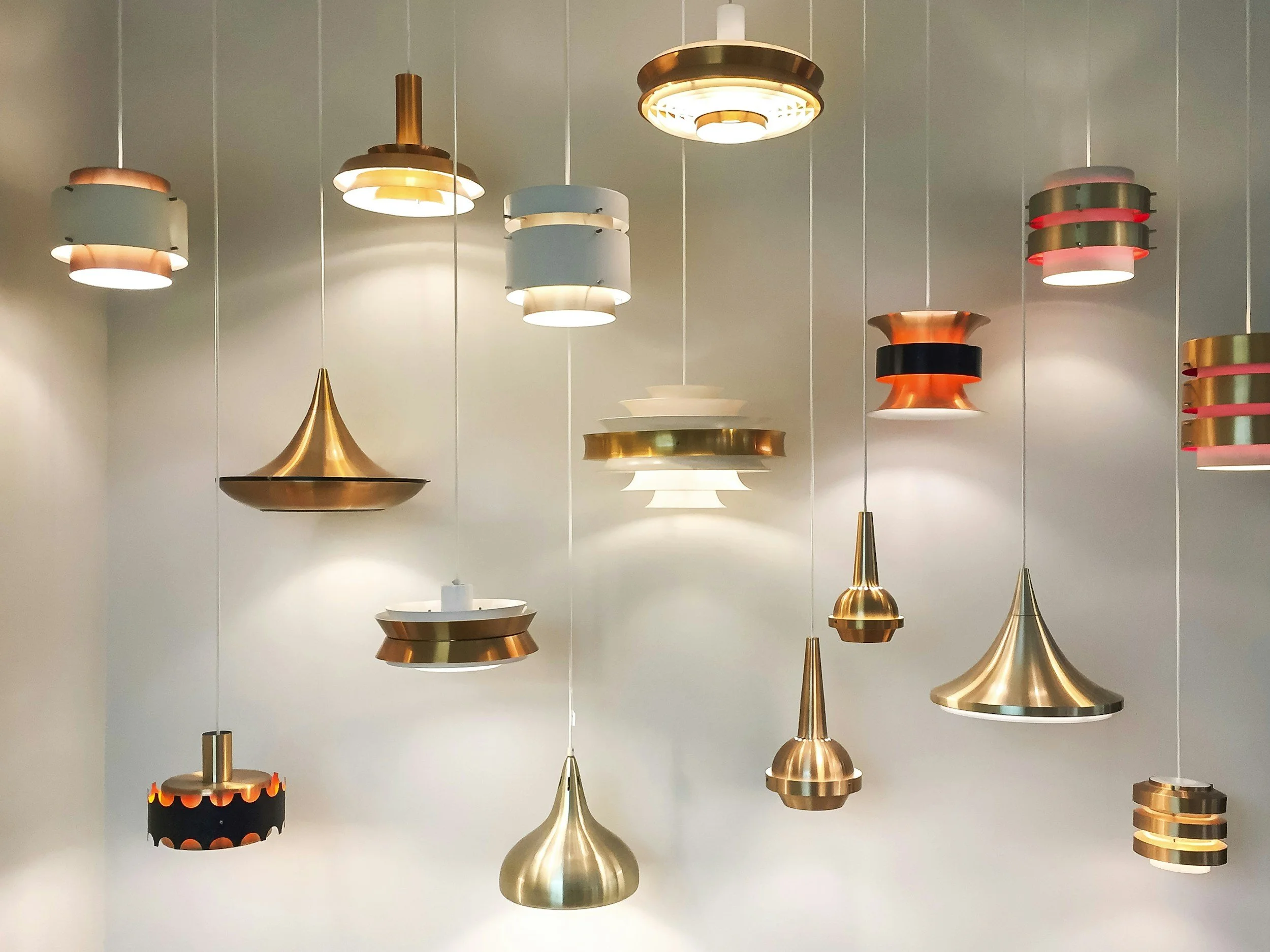
Creating a Comfortable Shopping Atmosphere
Ambient lighting plays a key role in establishing a store’s overall feel. Soft, evenly distributed light can create a welcoming environment. On the other hand, harsh or inconsistent lighting may lead to discomfort or shortened visits. Retailers aiming to create a relaxed experience often use warmer tones in lifestyle and home goods settings, while cooler lighting is more common in technology stores.
The psychological impact of lighting is backed by research. Bright, well-lit spaces tend to promote a sense of cleanliness and trust, both of which are critical to customer satisfaction. Dim or flickering lights may give the impression of poor maintenance or outdated operations, even if the merchandise itself is high quality.
Directing Attention and Influencing Behavior
Beyond setting the mood, lighting is a powerful tool for guiding customer focus. Accent lighting is often used to spotlight promotional displays or highlight high-margin items. A strategically lit display can draw attention to specific products without overwhelming the shopper. For instance, grocery stores often use directional lighting to guide traffic through key aisles and influence purchasing decisions.
Retailers also use lighting to create visual zones within larger stores. This zoning helps customers intuitively navigate departments, especially in big-box or multi-category spaces. Light intensity and color temperature can be adjusted by section to signal transitions between categories, such as clothing, accessories, or home goods.
Supporting Brand Identity Through Lighting
Every retail brand has a story to tell. Luxury retailers frequently opt for low, focused lighting that creates a sense of exclusivity. In contrast, fast fashion brands often rely on bright, uniform lighting to reflect speed and accessibility. Lighting choices should align with the brand’s aesthetic and target audience, reinforcing consistency across physical and digital channels.
Color rendering is another important factor. Accurate lighting ensures products appear true to color, which is especially critical in apparel, cosmetics, and decor. Poor lighting can lead to dissatisfaction if a product looks different under natural light after purchase.
Integrating Lighting With Store Infrastructure
Lighting strategy is most effective when considered alongside electrical system design. A well-integrated system allows for adaptive lighting solutions such as dimmable fixtures or programmable lighting zones. Coordination with HVAC and control systems can also reduce energy waste and improve operational efficiency. These design choices contribute to a seamless customer experience while helping businesses manage long-term utility costs.
Lighting is an investment in customer perception, behavior, and satisfaction. When used strategically, it becomes a silent but persuasive influence. Retailers who treat lighting as a core design element, rather than an afterthought, are more likely to deliver memorable and productive experiences for their customers. For more information, look over the infographic below.
